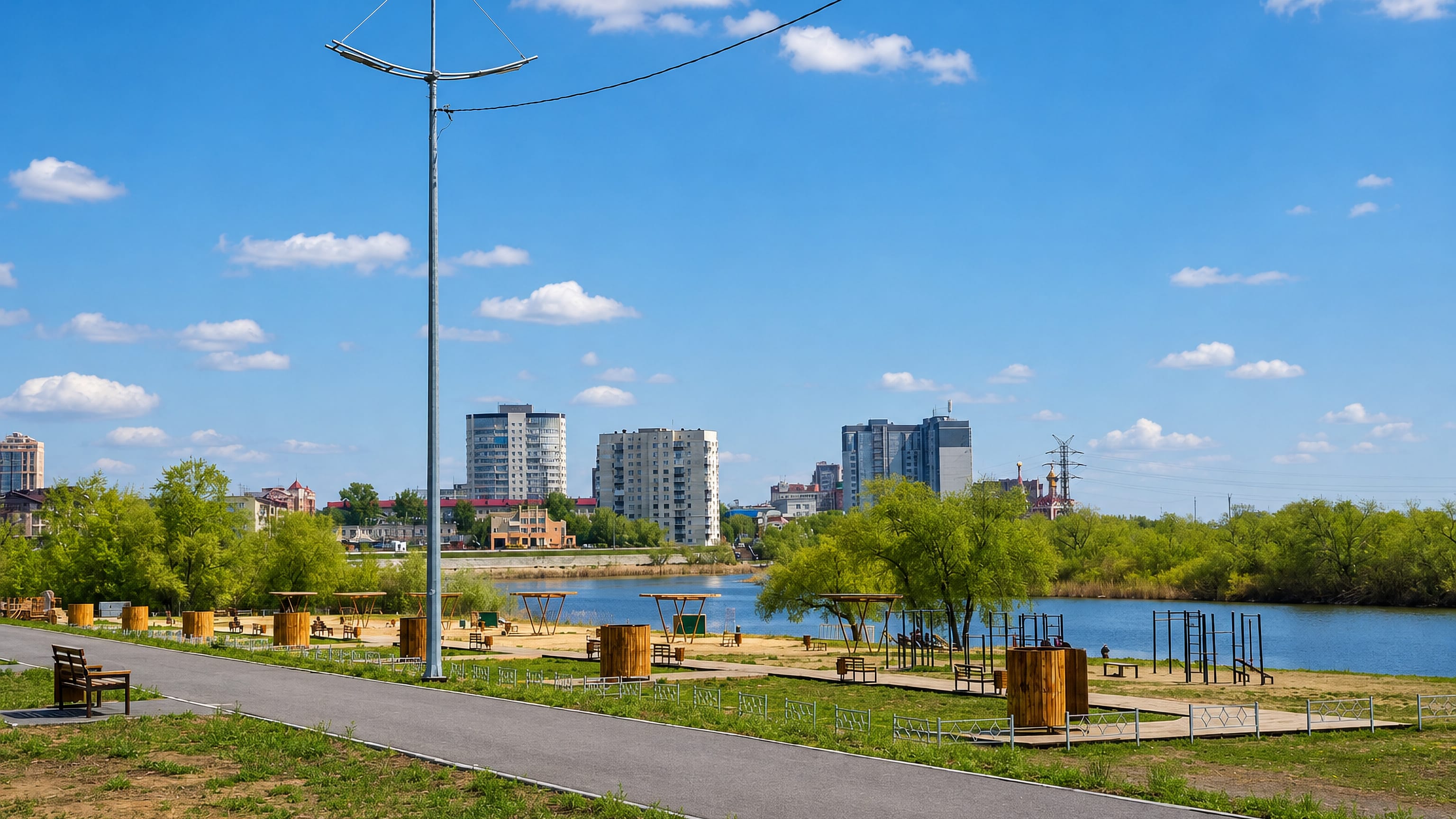
Russia · Kurgan Oblast
Where to Stay in Kurgan, Kurgan Oblast
Merchant houses and the Saint Alexander Nevsky cathedral mark Kurgan, a city on the West Siberian plain in Kurgan Oblast.
Find your area →


Where to stay in Kurgan
The practical side of choosing where to sleep.
Most visitors stay in the old centre of Kurgan, the grid of merchant streets set back from the river. The historic core holds the sights. Around the Saint Alexander Nevsky cathedral and the red-brick fire watchtower run the rows of trader houses, and this ground suits travellers who want the old timber and brick facades, the Kurgan Oblast Art Museum, and the market squares within a short walk.
The Kropanin Estate stands among these blocks. West of the centre the civic quarter spreads around Lenin Square. Rooms here sit near the Statue of Lenin and the offices, a plainer base for anyone using the city as a stop on the long road east rather than a place to linger.
The Statue of Krasin and the Statue of Argentovskaya keep their own squares nearby. Farther out the newer districts run toward the river flats and the plant gates. Each part of town keeps its own churches and its own squares, so where you sleep decides whether the morning opens onto the merchant streets or onto the wide civic avenues.
Things to do in Kurgan
Ranked by global recognition; descriptions from Wikidata (CC0).
Museums & Galleries
1- Kurganskiĭ oblastnoĭ khudozhestvennyĭ muzeĭ
Churches & Religious Sites
1- Saint Alexander Nevsky cathedral in Kurgan Heritage
Castles & Historic Sites
3- Statue of Argentovskaya in Kurgan Heritage
- Statue of Lenin at the Lenin Square in Kurgan Heritage
- Statue of Krasin in Kurgan Heritage
Landmarks & Notable Places
8- Пожарная каланча (Курган) Heritage
- Усадебный дом (Курган) Heritage
- Жилой дом пивовара В.А. Гампля (Курган) Heritage
- Kropanin Estate, Kurgan Heritage
- Здание Александровской женской гимназии (Курган) Heritage
Show 3 more →
- Торговый дом купцов Ижболдиных (Курган) Heritage
- Здание Городской думы в стиле классицизма (Курган) Heritage
- Традиционная усадьба с хозяйственно-ремесленными постройками (Курган) Heritage
worth knowingacross 4 categories in Kurgan
About Kurgan
What is Kurgan known for?
Kurgan is known for its merchant past on the flat West Siberian plain. Grain built it. The old centre of Kurgan Oblast keeps rows of nineteenth-century houses raised by the grain and dairy traders who grew rich when the railway came, among them the Kropanin Estate, and the red-brick fire watchtower still rises over the market streets.
Faith centres on the Saint Alexander Nevsky cathedral, while the Kurgan Oblast Art Museum holds the regional collections. The name comes from an ancient burial mound.
What are the main landmarks in Kurgan?
The old merchant town gives Kurgan its landmarks. The Saint Alexander Nevsky cathedral crowns the centre in red brick, and near it the tall fire watchtower still surveys the market streets. Trader houses fill the grid.
The Kropanin Estate and the surrounding facades keep the look of the grain-boom years, the Kurgan Oblast Art Museum holds the regional collections, and the Statue of Lenin, the Statue of Krasin, and the Statue of Argentovskaya mark the civic squares.
What is the history of Kurgan?
Kurgan was founded in 1679 as a fortified settlement on the riverbank of the West Siberian plain. Its name came from an ancient burial mound, a kurgan, that stood by the water, and the small fort guarded the farming frontier of the growing Russian east. Grain and butter built the town.
When the Trans-Siberian railway reached it, Kurgan became a hub for the dairy and grain trade of the surrounding steppe, and merchant families raised the brick and timber houses that still fill the centre, among them the Kropanin Estate and the Izhboldin trading house. Churches and civic buildings followed. The Saint Alexander Nevsky cathedral rose over the market streets, the tall fire watchtower went up to guard the wooden town, and the Alexandrovskaya girls' gymnasium and the classical City Duma building lined the main avenues.
The century that followed reshaped the squares. New monuments, the Statue of Lenin among them, replaced older markers, and the Kurgan Oblast Art Museum grew up to keep the region's collections. The old grain town still shows through its streets.
Where is Kurgan?
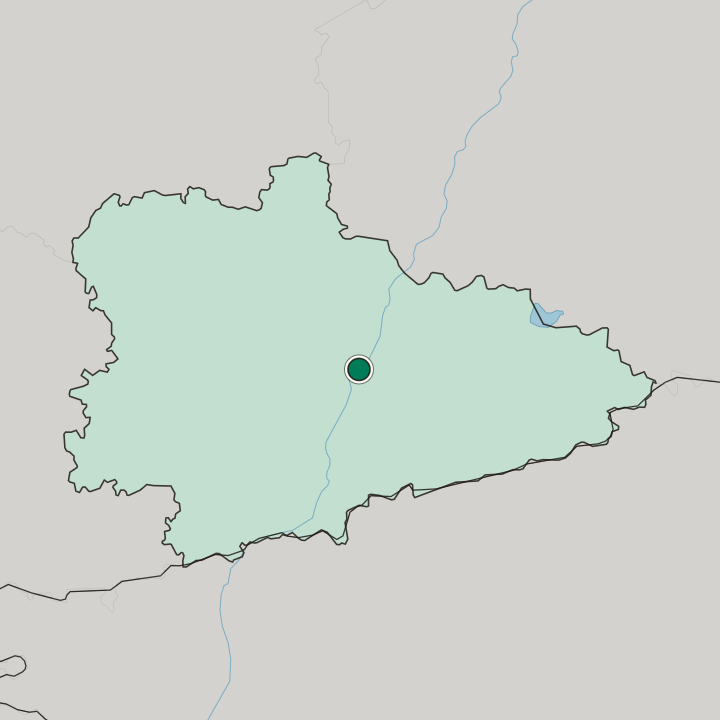
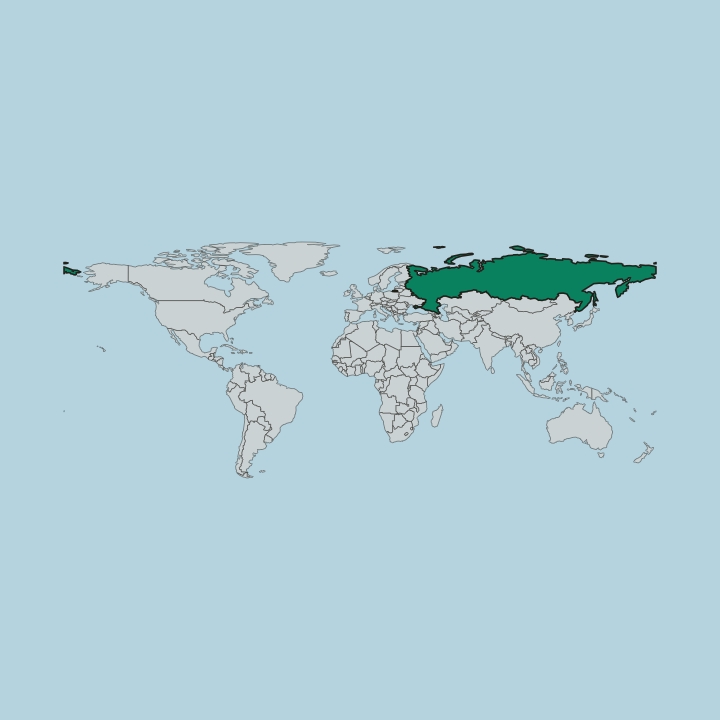
Kurgan lies on the flat West Siberian plain in Kurgan Oblast, strung along the bank of a broad, slow river. The land here is almost level. Open steppe and farmland roll out from the river in every direction, broken only by shallow lakes, birch groves, and the low mounds that gave the city its name.
The old town keeps to the higher bank above the floodplain, while the newer districts spread out across the plain toward the fields and the plant sites.
What is the climate of Kurgan?
Kurgan has a sharply continental climate, shaped by the open steppe of the West Siberian plain. Long, hard winters define Kurgan. Snow lies over the flat land and the frozen river for months while hard frost settles across the treeless fields around the town.
Summers turn warm and dry, dusty on the steppe, with thundery afternoons rolling in from the plain. The seasons swing far apart, and little relief stands between the town and the weather sweeping over the open country.
How do you get to Kurgan?
Kurgan sits on the Trans-Siberian railway, and the train is its main link. Through services stop at the station on the run east across Kurgan Oblast, tying the city into the long line between the Urals and Siberia. The highway follows the same corridor.
Its own airport handles regional flights, and buses reach the farming towns scattered across the surrounding steppe.
Good for
Another city in Kurgan Oblast
Updated October 2026