Russia · Oryol Oblast
Where to Stay in Orël, Oryol Oblast
The Oka River winds through Orël, a literary old city in Oryol Oblast known for its Turgenev Museum and the Peter and Paul Cathedral.
Find your area →


Where to stay in Orël
How the choice of base plays out on the ground.
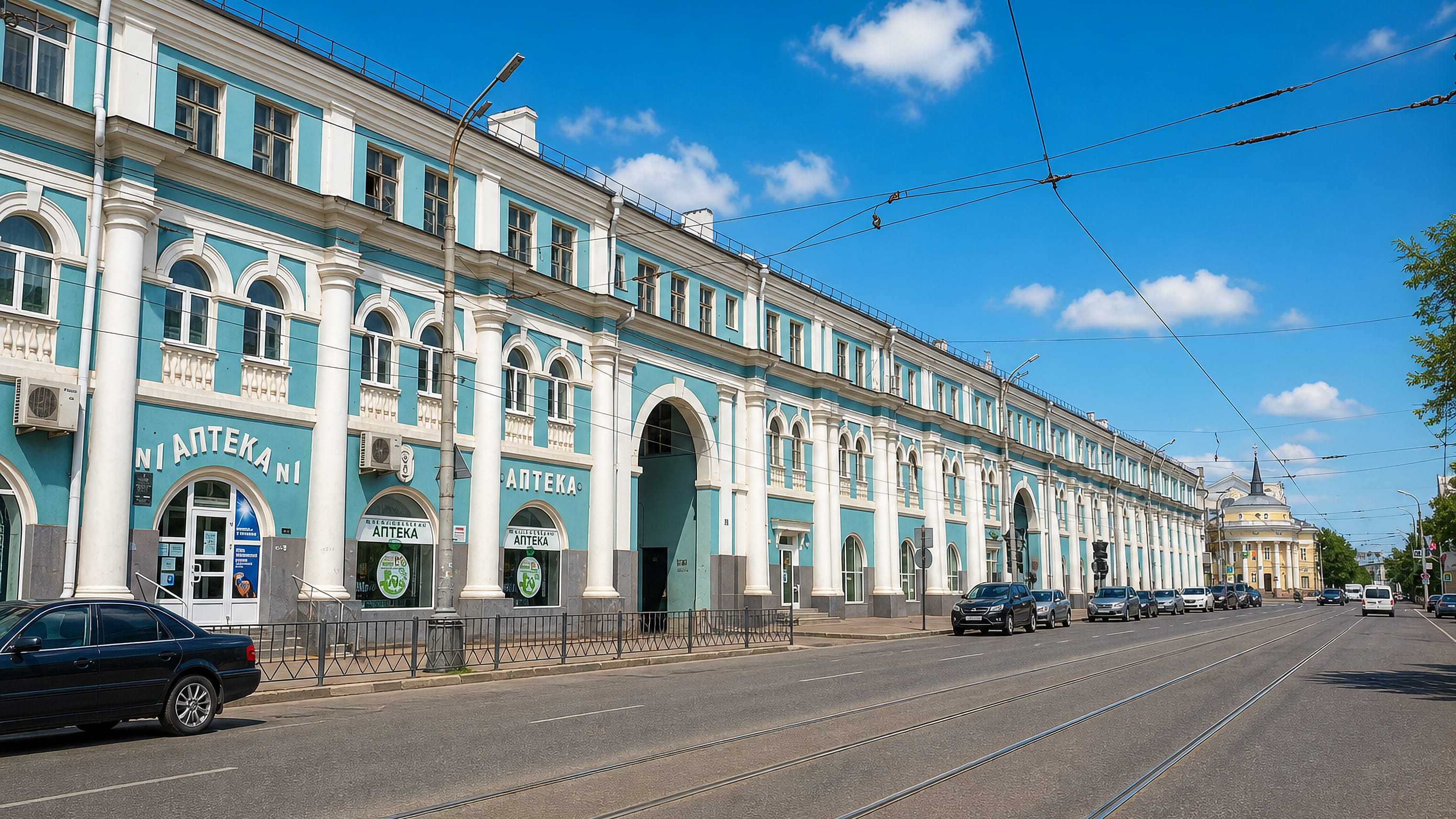
Orël gathers its lodging along the Oka River and the old streets that climb from its banks, so where you stay depends on how close you want to be to the literary landmarks. The centre holds the Turgenev Museum in Oryol and the writers' houses within an easy walk. For a first visit, the riverside centre is where to begin.
Travellers who want the literary heart settle near the Museum of Oryol Governorate's writers and the Granovsky House Museum, where the museums of the city's novelists stand close together by the water. Beyond the core, quieter streets run past the churches and older houses. If you have come to trace the writers of Orël, base yourself near the House of Leonid Andreyev or the Leskov House in Oryol, both preserved as museums to the men who lived there.
The Peter and Paul Cathedral rises above the riverside centre nearby. Each quarter keeps its own pace.
Things to do in Orël
Ranked by global recognition; descriptions from Wikidata (CC0).
Museums & Galleries
8- Leskov House in Oryol Heritage
- Turgenev Museum in Oryol Heritage
- Muzeĭ I.A. Bunina Heritage
- House of Leonid Andreyev Heritage
- Oryol Museum of Fine Arts Heritage
Show 3 more →
- Museum of Oryol Governorate's writers Heritage
- Granovsky House Museum Heritage
- Rusanov Museum Heritage
Churches & Religious Sites
2- Church of the Theotokos of Iviron (Oryol) Heritage
- Peter and Paul Cathedral
Castles & Historic Sites
8- Памятник Н. С. Лескову (Орёл) Heritage
- Monument to Ivan Turgenev Heritage
- Monument dedicated to Oryol’s 400th anniversary Heritage
- Памятник И. А. Бунину Heritage
- Monument to Leonty Gurtyev Heritage
Show 3 more →
- Statue of Lenin on Lenin Square Heritage
- Monument to Nikolai Polikarpov Heritage
- Bust of Mikhail Medvedev, Oryol Heritage
worth knowingacross 3 categories in Orël
About Orël
What is Orël known for?
Orël is known above all as a city of Russian writers, spread along the Oka River in Oryol Oblast. Literature runs through its streets. The Turgenev Museum in Oryol and the Museum of Oryol Governorate's writers honour the novelists born or raised here, while the Monument to Ivan Turgenev and the House of Leonid Andreyev mark the places that shaped them, drawing readers to a city whose name is bound to the golden age of Russian letters.
What are the main landmarks in Orël?
Orël holds landmarks that run from its writers' houses to its churches and galleries. The literary museums lead. The Turgenev Museum in Oryol, the House of Leonid Andreyev, and the Leskov House in Oryol preserve the homes of the city's novelists, while the Peter and Paul Cathedral and the Church of the Theotokos of Iviron mark its faith, and the Oryol Museum of Fine Arts keeps its collections near the centre.
What is the history of Orël?
Orël was founded in 1566 as a fortress on the Oka River, guarding the southern approaches of what is now Oryol Oblast. It began as a border stronghold. Raised to hold the frontier against raids, the early town grew where the rivers met, and from that fortified crossing it broadened over the centuries into a provincial capital of the surrounding governorate.
In the nineteenth century the city became a cradle of Russian literature. Ivan Turgenev was born here, and the writers who followed left the houses now kept as the House of Leonid Andreyev and the Leskov House in Oryol, while the Turgenev Museum in Oryol gathered the memory of them all. The fortress gave way to the writers.
From the border fort founded in 1566, Orël grew into the administrative and literary centre of its oblast, still spread along the Oka River where the town began.
Where is Orël?
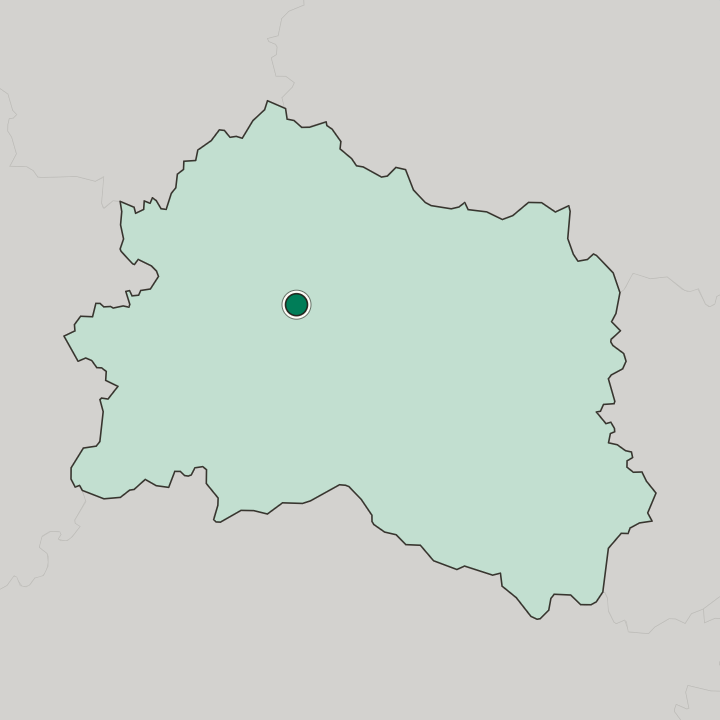
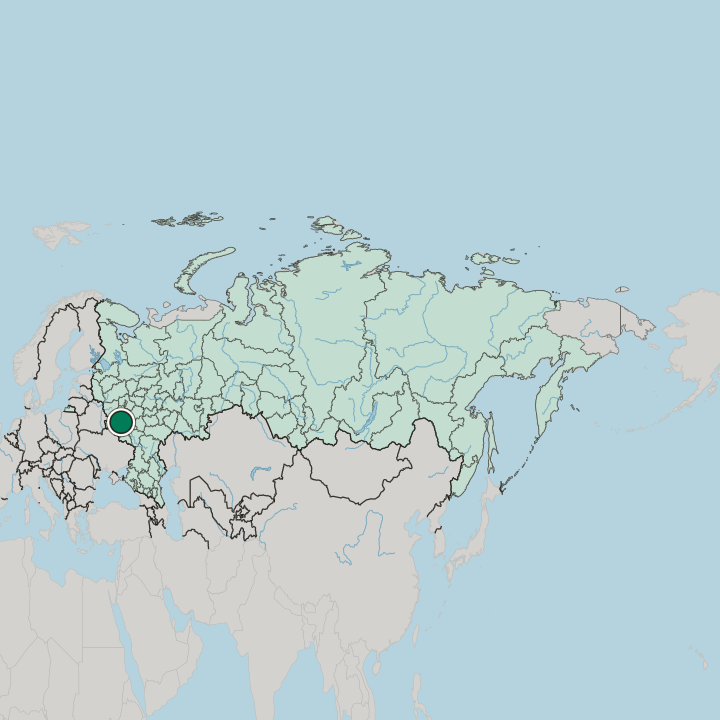
Orël stands on the Oka River within Oryol Oblast, its old centre gathered where the waters meet. The setting is defined by the river. The Peter and Paul Cathedral rises above the banks in the historic core, the writers' houses line the streets that climb from the water, and the city spreads outward from the riverside centre across the surrounding country of the oblast it governs.
What is the climate of Orël?
Orël has a continental climate, with cold snowy winters and warm summers over Oryol Oblast. The seasons turn hard. Long frosts settle on the Oka River and the writers' streets through the winter months, while the warm season brings green to the banks below the Peter and Paul Cathedral before the cold returns to the surrounding country.
How do you get to Orël?
Orël is reached by rail and road as a regional hub of Oryol Oblast. Most reach Orël by train or along the highways of the oblast. Railways and highways link the city to the wider country and carry visitors toward the Oka River, where the Turgenev Museum in Oryol and the Peter and Paul Cathedral gather the historic core within a short walk of one another.
Good for
Updated September 2026