Russia
Oryol Oblast, Russia — Towns & Travel Guide
Oryol Oblast is a small farming region of black-earth country in western Russia, built around the Oka headwaters and the writer Turgenev.
About Oryol Oblast


Towns & cities in Oryol Oblast
One town here has its own guide — it links to where to stay.
 Russia
Orël
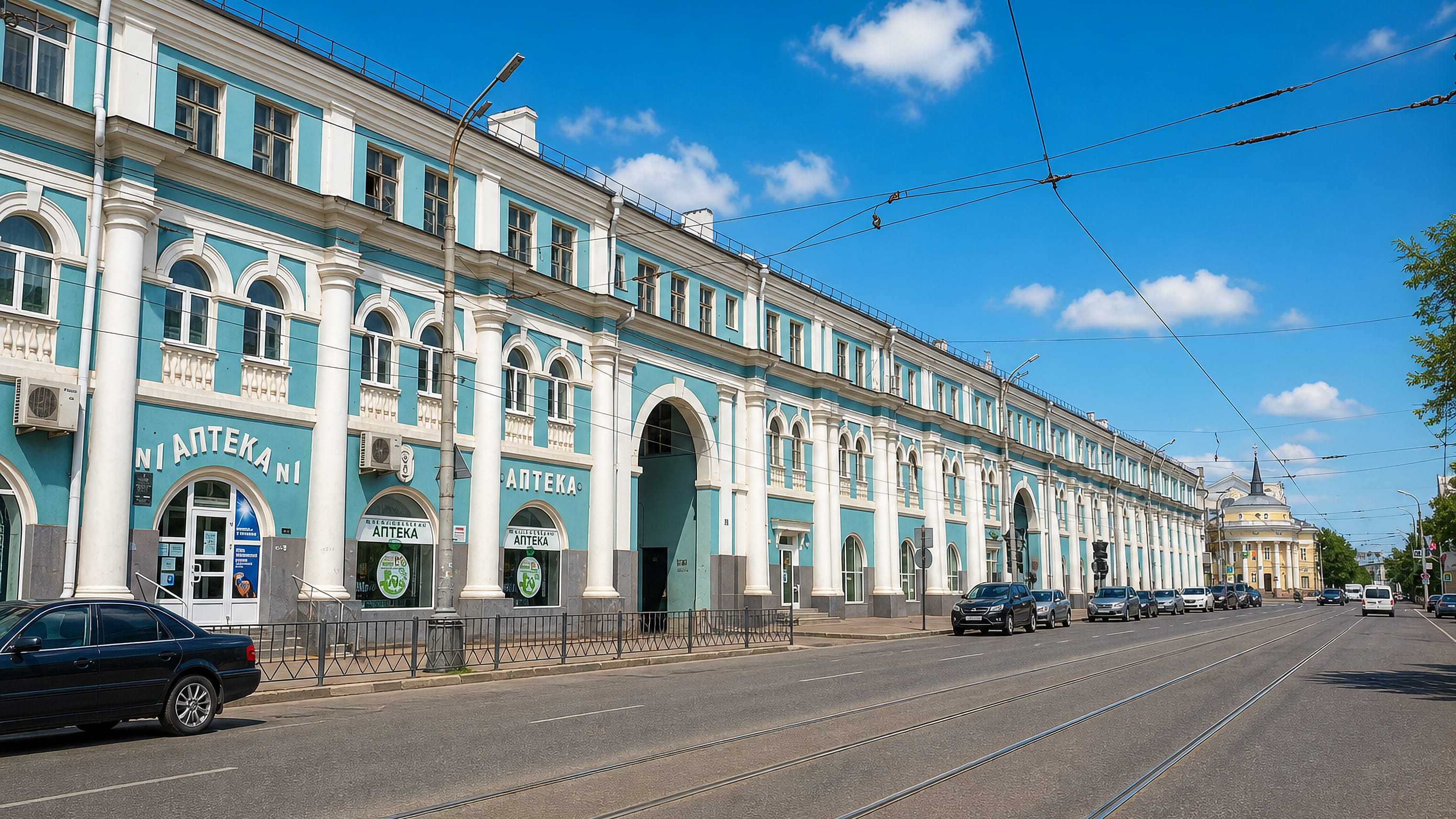
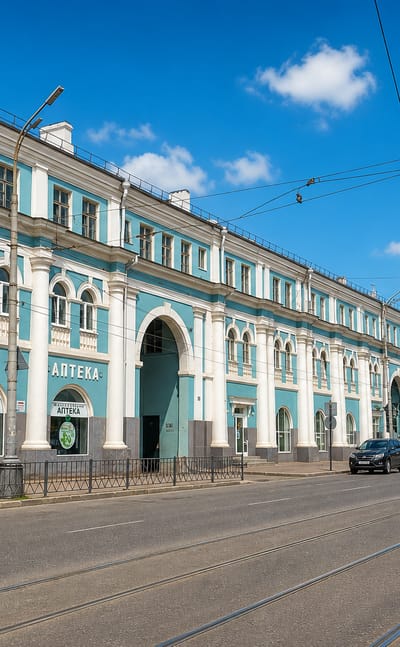
The Oka River winds through Orël, a literary old city in Oryol Oblast known for its Turgenev Museum and the Peter and Paul Cathedral.Where to stay →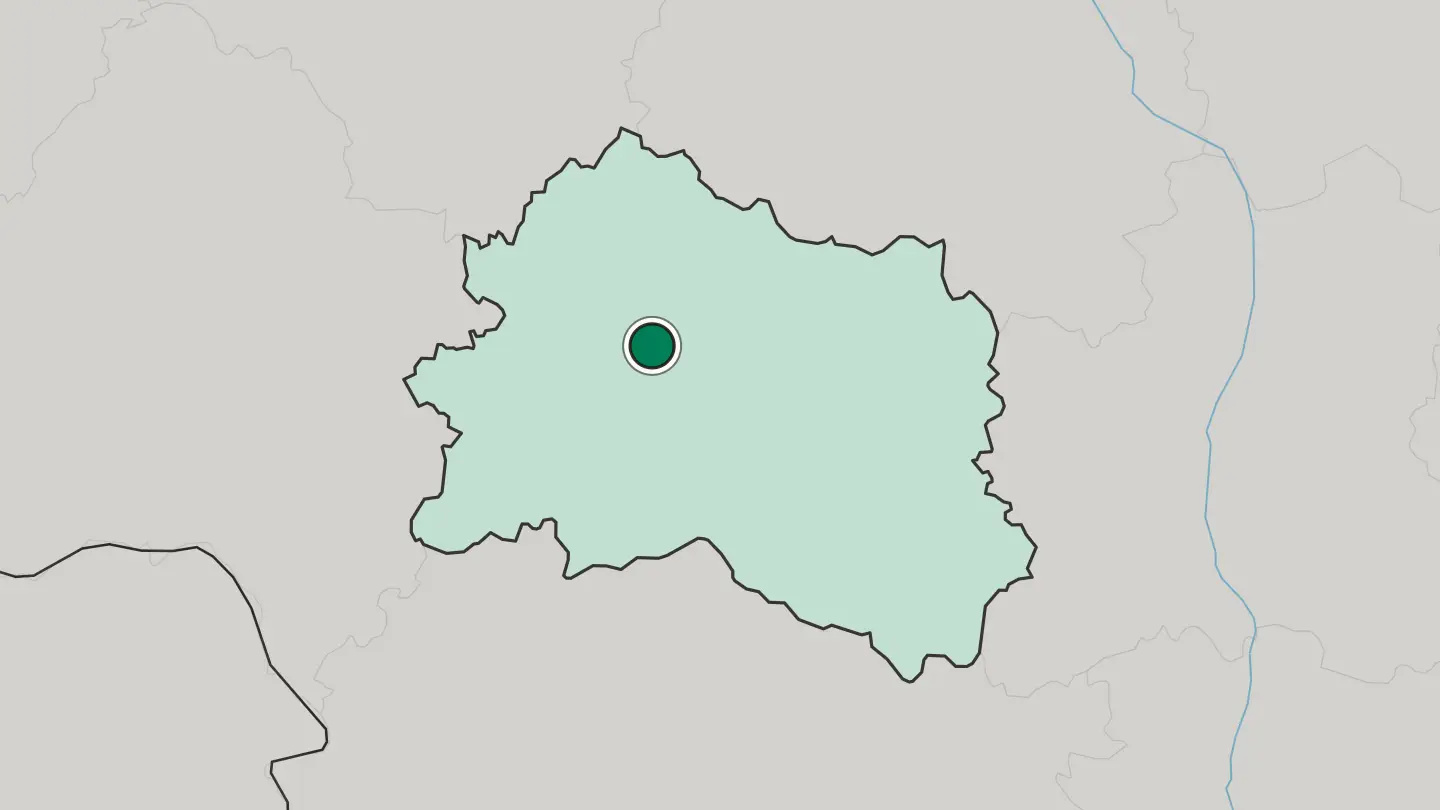
About Oryol Oblast
This is literary country.
What is Oryol Oblast known for?
Ivan Turgenev was born in the city of Oryol in 1818, and his family estate at Spasskoye-Lutovinovo, north-east near Mtsensk, is now the region's most visited place. The land itself is the other draw: gently rolling hills of the Central Russian Upland, cut by ravines and floored with deep chernozem black earth that farmers here have worked for centuries. Oryol, the regional capital, sits where the little Orlik joins the Oka.
War history marks it too, for the Red Army retook the city on 5 August 1943 as the Battle of Kursk turned.
Where is Oryol Oblast?
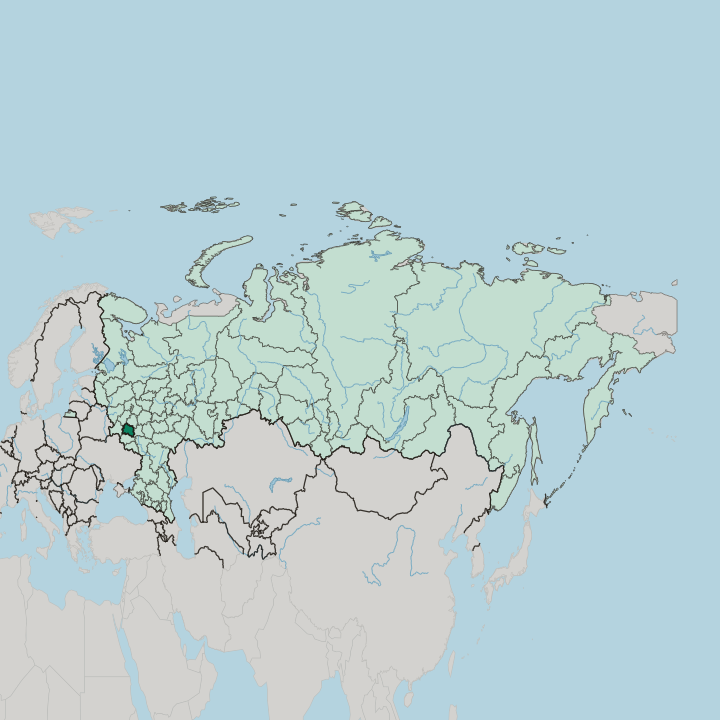
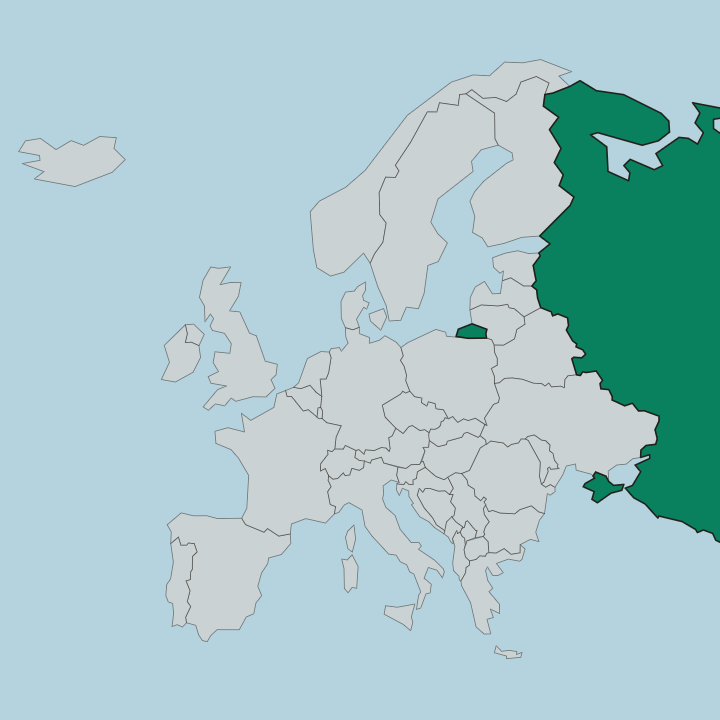
Oryol Oblast lies in western Russia, one of the smaller regions of the country and roughly midway between Moscow and the Ukrainian border. It sits on the Central Russian Upland, a broad plateau of gentle hills that the region's rivers have cut into ravines and shallow valleys. This is watershed country.
Streams rising here run off in three directions, feeding the Volga, the Don, and the Dnieper basins, though most of the region drains through the upper Oka. The Oka is the main river, gathering at the regional capital of Oryol, where the smaller Orlik joins it at a spit the locals call the Strelka. Kaluga and Tula lie to the north, Lipetsk to the east, Kursk to the south, and Bryansk to the west.
The defining thing underfoot is the soil. Much of the region is chernozem, the deep black earth prized for grain, and this belt of Oryol holds a large share of the world's reserves of that fertile ground, which has shaped its farms and villages for generations. Oryol, Livny, and Mtsensk are the main towns, none of them large.
Beyond them the land opens into fields of winter wheat, rye, and sugar beet, broken by wooded ravines and slow, unnavigable rivers. This is quiet farming country.
What is Oryol Oblast like?
This is a writers' region. Few small places have given Russian letters so much, and Oryol calls itself a literary capital that earns the claim. Ivan Turgenev was born in the city in 1818 and set much of his fiction in this countryside, and the streets of Oryol still carry the names of the writers who came after him.
His estate at Spasskoye-Lutovinovo, with its manor, lime-tree avenues, and pond, draws readers from across the country and holds a festival in his memory each summer. That literary pull is the region's living identity. Away from the museums, the culture is rural and Orthodox.
Old churches crown the hills at Bolkhov and Mtsensk, and market towns keep the rhythm of a farming region rather than a city one. Russian is the everyday language, as it is across the country. The land, the black earth, and the writers who grew from it are the through-line here.
What is the history of Oryol Oblast?
Oryol began as a wooden fortress in 1566, raised on the order of Ivan the Terrible to guard Russia's southern frontier at the meeting of the Oka and Orlik. A farming province grew up around it over the following centuries. The region in its present shape dates only to 1937, when the Soviet state carved it from neighbouring territories.
Its darkest year was the war. German forces took Oryol in October 1941 and held it until 5 August 1943, when the Red Army drove them out as the Battle of Kursk turned, and Moscow fired one of its first victory salutes for the city.
What is the climate of Oryol Oblast?
Winters here are cold. The region has a temperate continental climate, and January runs around minus ten with the fields lying under snow for much of the season. July is the warm counterweight, mild and green, with rain falling through the summer months that keeps the chernozem worked hard by the region's grain farms.
Spring thaw turns the ravines and dirt lanes to mud. The Oka and its tributaries freeze over in winter and run high with meltwater when the ice breaks.
How do you get to Oryol Oblast?
Most travellers arrive from Moscow. The capital lies about 368 km to the north-north-east, and the fastest link is the railway, which has joined Oryol to Moscow since 1868 and now carries fast trains south toward Kursk. Drivers follow the same corridor along the M2 highway.
Oryol has no working passenger airport of its own, so the region is reached by air through Moscow and covered on the last leg by train or road. From the capital, local buses and roads fan out to Mtsensk, Bolkhov, and the Turgenev estate.
Good for
More regions in Russia
Updated September 2026