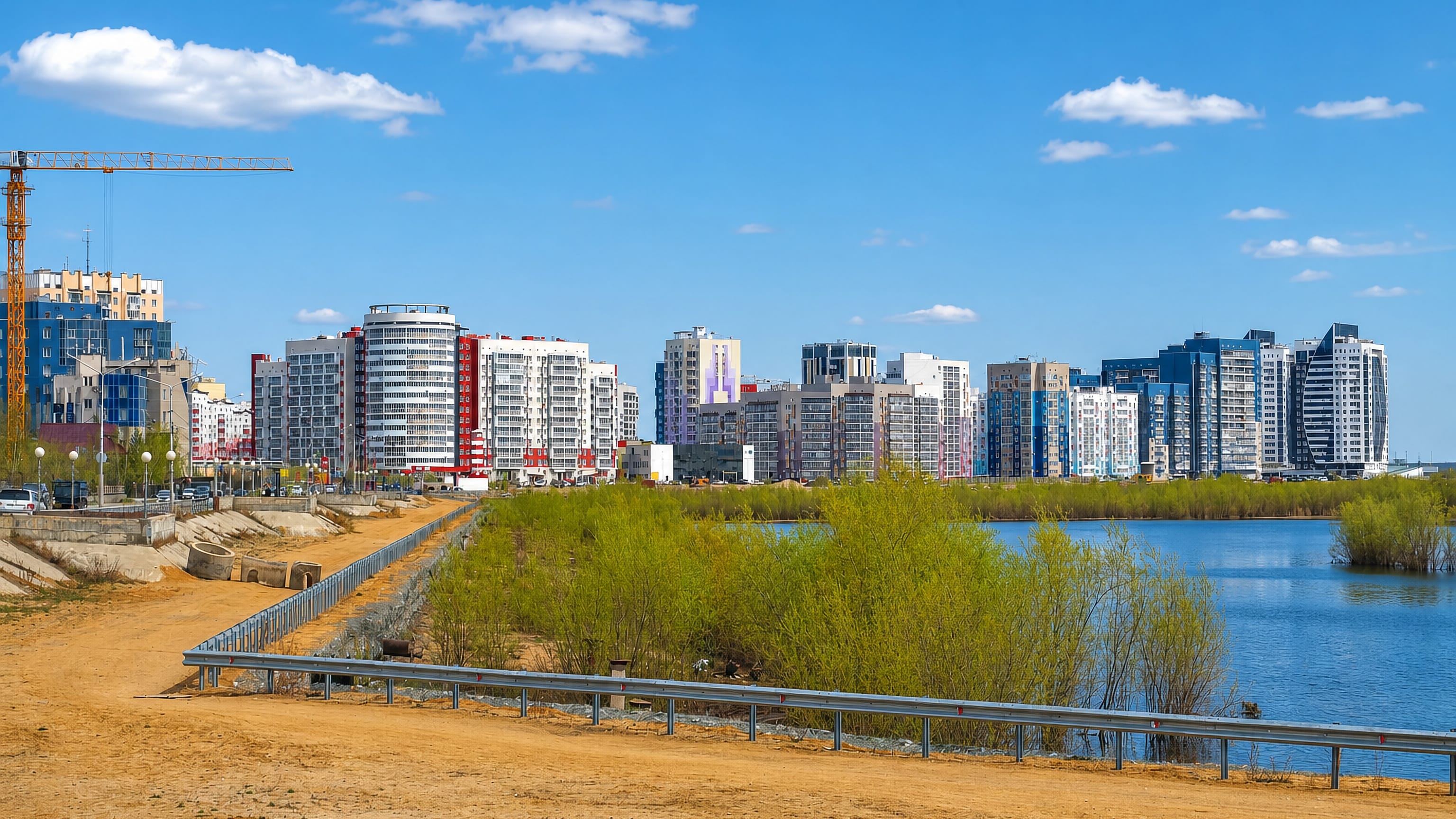
Russia · Republic of Sakha (Yakutia)
Where to Stay in Yakutsk, Republic of Sakha (Yakutia)
Yakutsk is the capital of the Republic of Sakha (Yakutia), a far-northern city founded in 1632, south of the Arctic Circle.
Find your area →


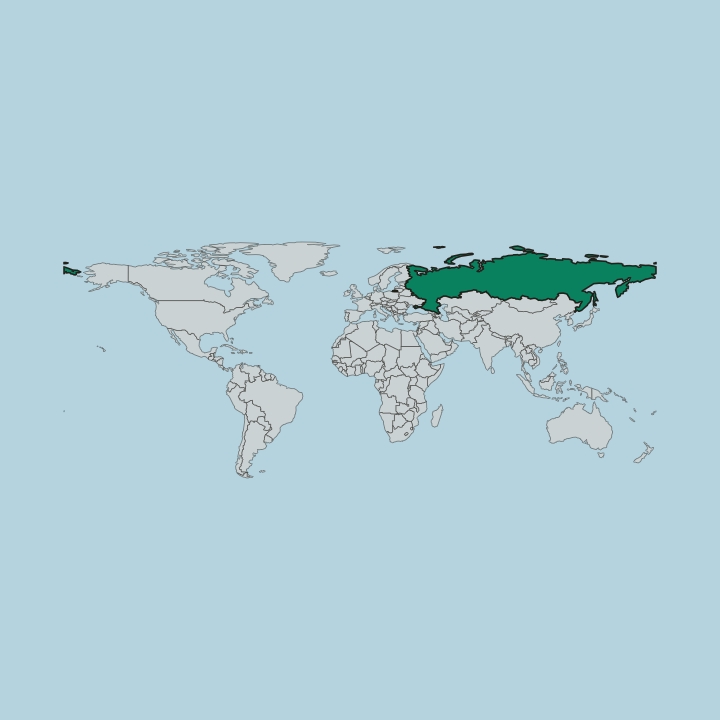
Where to stay in Yakutsk
Each area has its own feel; here's who each one suits.
 YakutskRussia
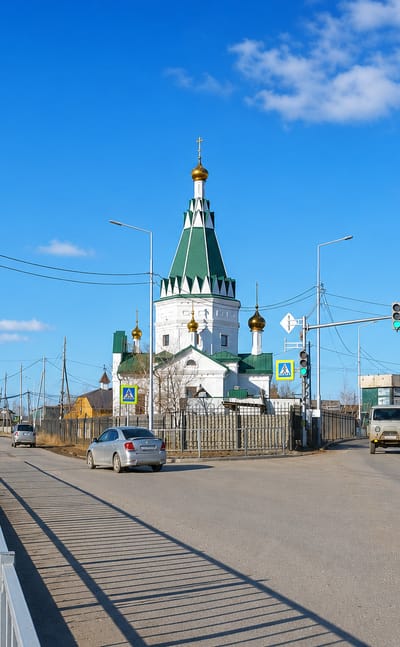
Markha
Markha is an outlying district of Yakutsk in Sakha, Russia, a Yakutia settlement whose founding dates to 1679.Where to stay →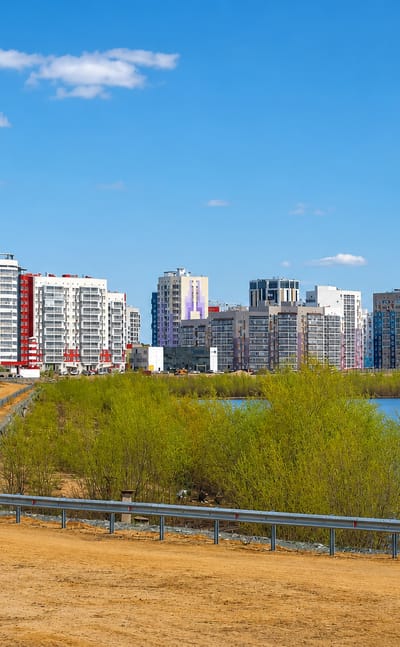 YakutskRussia
Kangalassy
Kangalassy is a microdistrict of Yakutsk, set on the Lena above an old coal seam in Sakha.Where to stay →Things to do in Yakutsk
Ranked by global recognition; descriptions from Wikidata (CC0).
Museums & Galleries
3- National Art Museum of the Sakha Republic Heritage
- Yaroslavsky Museum Heritage
- Литературный музей им. П. А. Ойунского Heritage
Churches & Religious Sites
3- Holy Trinity Cathedral Heritage
- Saint Nicholas church in Yakutsk Heritage
- Церковь Рождества Пресвятой Богородицы Heritage
Castles & Historic Sites
3- Statue of Lenin in Yakutsk Heritage
- Памятник русским землепроходцам, основателям городов и сел северо-востока России Heritage
- Проводы на фронт
Landmarks & Notable Places
3- Russian Drama Theatre named after A. Pushkin Heritage
- Кинотеатр «Центральный» (Якутск) Heritage
- Здание Якутской городской мужской прогимназии Heritage
worth knowingacross 4 categories in Yakutsk
About Yakutsk
Yakutsk is known as one of the coldest cities on earth.
What is Yakutsk known for?
It stands in the far north of the Republic of Sakha (Yakutia), south of the Arctic Circle, where deep winters grip the land for months. The city anchors a vast mining country. It also holds the culture of the Sakha, seen in the Komuz Museum and the Museum of Music and Folklore of the Yakutia People.
Cold and craft define it.
What are the main landmarks in Yakutsk?
Yakutsk gathers its landmarks against the cold. The Holy Trinity Cathedral and the Saint Nicholas church in Yakutsk lead its churches, with the Monastery of the Savior Not Made with Hands among them. Museums carry the Sakha story.
The National Art Museum of the Sakha Republic, the Komuz Museum, and the Museum of Music and Folklore of the Yakutia People hold its art and song. The Russian Drama Theatre fills its stages, and the Statue of Lenin marks the central square.
What is the history of Yakutsk?
Yakutsk was founded in 1632, one of the far-northern outposts of the country. It grew slowly in a hard and distant land, held by the cold for much of the year. The old faith left its churches, the Holy Trinity Cathedral and the Saint Nicholas church in Yakutsk among them, with the Monastery of the Savior Not Made with Hands standing since the early years.
The town endured on the edge of the settled world. Wood and stone held against the frost. Distance shaped everything here.
Later ages turned Yakutsk into a regional capital. It became the seat of the Republic of Sakha (Yakutia) and the base of a wide mining country. The Soviet century left the Statue of Lenin on the central square.
Culture grew with the city, gathered in the National Art Museum of the Sakha Republic, the Komuz Museum, and the Yaroslavsky Museum. The Museum of Music and Folklore of the Yakutia People kept the songs of the Sakha. Song and story stayed at the city's heart.
The Russian Drama Theatre brought a stage to the far north. Old outpost and modern capital hold the same ground.
Where is Yakutsk?
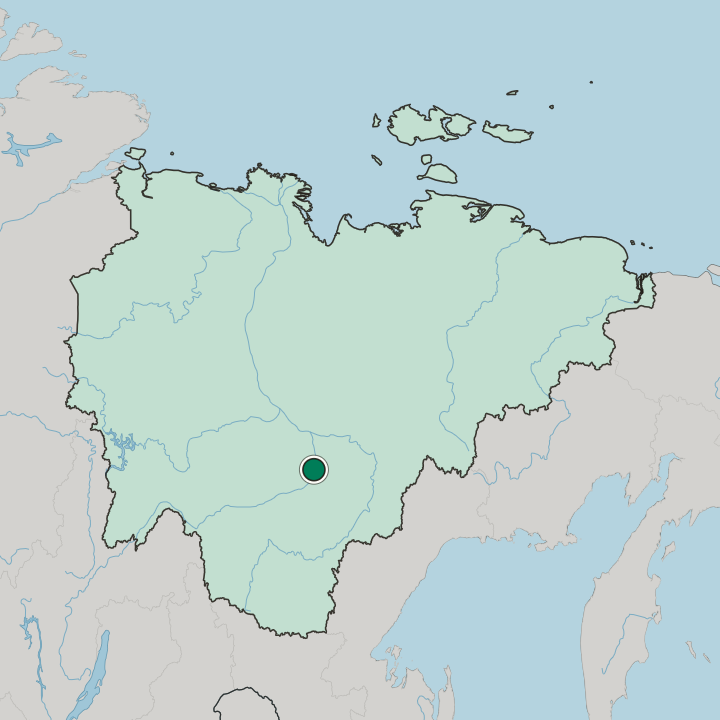
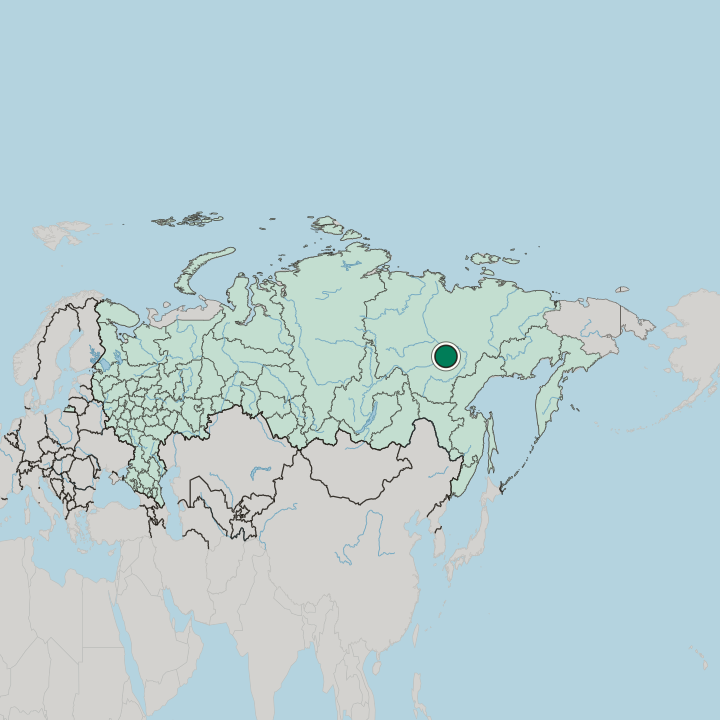
Yakutsk lies in the far north of the Republic of Sakha (Yakutia), south of the Arctic Circle. The land around it is broad, open, and northern, held under snow through the long winter. The city spreads across it, its churches and squares among the northern streets.
Mining country reaches away in every direction. The far north keeps it remote.
What is the climate of Yakutsk?
Yakutsk holds one of the harshest climates of any city, south of the Arctic Circle. Winters are long and brutally cold, the deep freeze settling over the northern town for months on end without a real break. Summers come short and warm.
A brief thaw arrives before the cold returns to grip the land again. The year belongs to winter.
How do you get to Yakutsk?
Yakutsk is reached across the vast Republic of Sakha (Yakutia), of which it is the capital. The far north makes the journey long, with routes converging on the city from a great distance. Most travellers arrive from far off.
From the centre the churches, museums, and the main square lie close together. The cold shapes every arrival.
Good for
Another city in Republic of Sakha (Yakutia)
Updated September 2026