Russia · Respublika Buryatiya
Where to Stay in Ulan-Ude, Respublika Buryatiya
Buryat and Russian worlds meet at Ulan-Ude, the capital of the Republic of Buryatia, known for its giant Lenin's head and the Odigitrievsky Cathedral.
Find your area →


Where to stay in Ulan-Ude
Where the beds are, and what that means for the visit.
Most visitors base themselves in the old centre of Ulan-Ude, the streets around the main square and the river. The historic core gathers the sights. Around the Lenin's head and the Odigitrievsky Cathedral run the merchant streets of the Republic of Buryatia, and this ground suits travellers who want the theatres, the museums, and the trading arcades within a short walk.
The Trade Arcades mark the old market. Down by the water the lower town keeps the oldest quarter. Rooms here stand close to the Cathedral of the Nativity of Christ and the Museum of history of Ulan-Ude, a quieter base for anyone drawn to the riverside streets rather than the busy square.
Uphill the newer districts spread out toward the station and the ridges. Rooms there sit near the Buryat Academic Opera and Ballet Theater and the parks, and each part of town mixes the wooden houses, the churches, and the Buddhist and Russian faces of the city, so where you sleep decides whether the morning opens onto the great square or onto the old river market below it.
Things to do in Ulan-Ude
Ranked by global recognition; descriptions from Wikidata (CC0).
Museums & Galleries
3- Museum of history of Ulan-Ude Heritage
- Museum of Nature of Buryatia Heritage
- Museum of the History of Buryatia
Churches & Religious Sites
4- Odigitrievsky Cathedral Heritage
- Ascension Church, Ulan-Ude Heritage
- Verkhneudinskaya sinagoga Heritage
- Michael the Archangel Church, Ulan-Ude Heritage
Castles & Historic Sites
3- Lenin's head in Ulan-Ude Heritage
- Trinity Church, Ulan-Ude Heritage
- Monument to Anton Pavlovich Chekhov in Ulan-Ude
Landmarks & Notable Places
8- Buryat Academic Opera and Ballet Theater Heritage
- East Siberian State Institute of Culture Heritage
- Former Kapelman building Heritage
- Dom Radio Heritage
- Sobornaya Street 7a Heritage
Show 3 more →
- Banzarova Street 15 (Ulan-Ude) Heritage
- Burlakov Estate, Ulan-Ude Heritage
- Kommunisticheskaya Street 4 b (Ulan-Ude) Heritage
worth knowingacross 4 categories in Ulan-Ude
About Ulan-Ude
Ulan-Ude is known as the heart of Buryat culture.
What is Ulan-Ude known for?
The city is the capital of the Republic of Buryatia, where Buryat and Russian traditions have long lived side by side and Buddhist and Orthodox worlds meet. One monument fixes it in every memory. The colossal Lenin's head sits on the central square, one of the largest such busts anywhere, while the Odigitrievsky Cathedral and the Buryat Academic Opera and Ballet Theater carry the older layers of the city, and the Museum of the History of Buryatia keeps its story.
A crossroads of two peoples.
What are the main landmarks in Ulan-Ude?
One monument towers over Ulan-Ude. The Lenin's head, a vast bronze bust on the central square, is the sight that fixes the city in memory. Churches and museums fill the rest.
The Odigitrievsky Cathedral, the Cathedral of the Nativity of Christ, and the Ascension Church raise the Orthodox town over the river, the Buryat Academic Opera and Ballet Theater and the Trade Arcades hold its cultural and merchant life, and the Museum of the History of Buryatia and the Museum of Nature of Buryatia gather the story and the wildlife of the whole republic.
What is the history of Ulan-Ude?
Ulan-Ude began in 1666 as a Cossack stockade at the meeting of two rivers, in the land that became the Republic of Buryatia. The fort guarded the frontier. It stood on the tea road east, and the trading town of Verkhneudinsk grew below its walls, its merchants raising the arcades and the Odigitrievsky Cathedral whose stone still marks the centre.
Two faiths shaped the place. Buryat Buddhism and Russian Orthodoxy met here, and churches such as the Cathedral of the Nativity of Christ rose alongside the older Buryat traditions. The Soviet century renamed the town.
Verkhneudinsk became Ulan-Ude, and the colossal Lenin's head was set on the central square, while the Buryat Academic Opera and Ballet Theater gave the republic its stage. Behind the great bronze face runs the long story of a frontier town where two peoples built one city.
Where is Ulan-Ude?
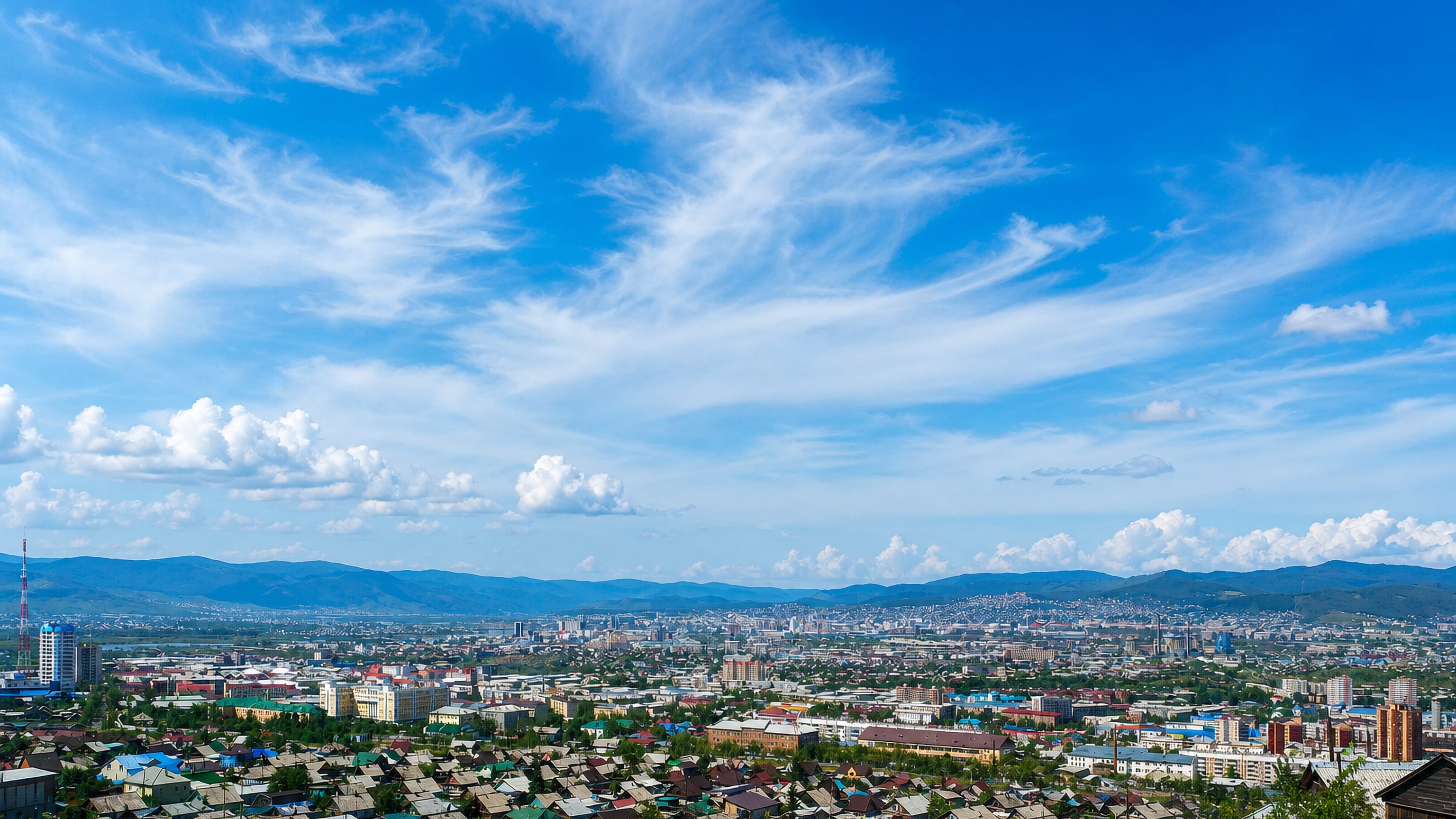
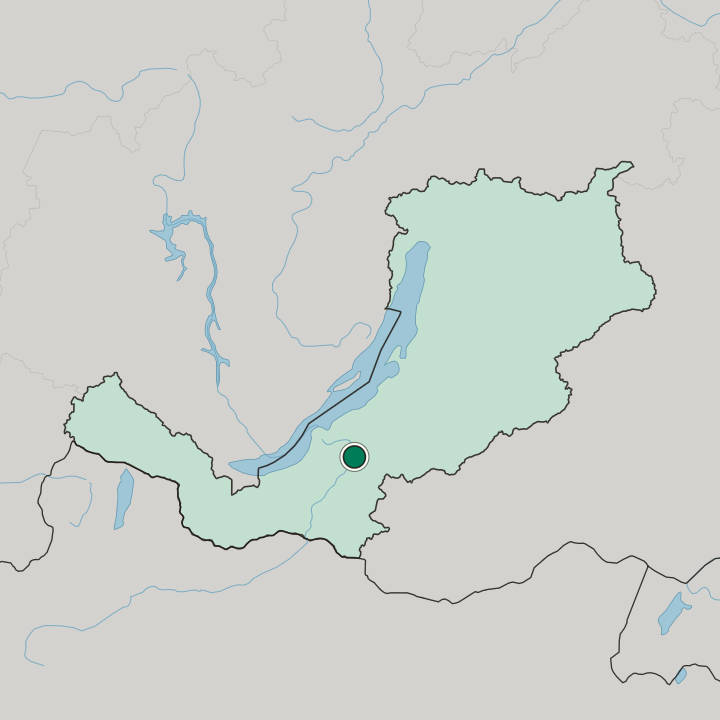
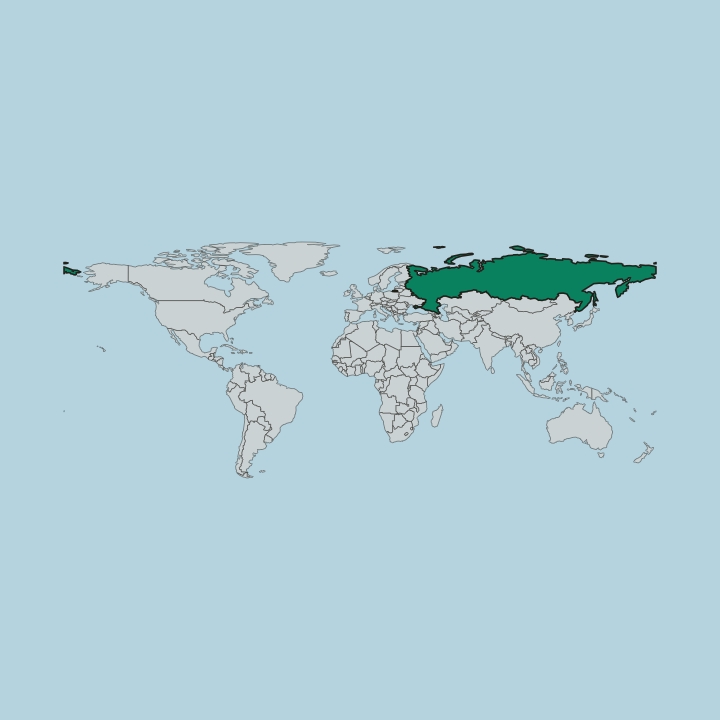
Ulan-Ude sits where two rivers meet among low hills in the Republic of Buryatia, east of the great lake that dominates the region. The old town holds the flat ground by the confluence, its streets running down to the water, while the newer districts climb the surrounding ridges and spread up the valleys. Around the city rise the wooded hills and open steppe of the Buryat country, grazed for centuries by its herders.
The rivers gave the town its start. Their junction set the fort, the market, and the streets that grew from them.
What is the climate of Ulan-Ude?
Ulan-Ude has a sharply continental, dry climate. Winters are long, cold, and clear. Hard frost settles over the frozen rivers and the steppe of the Republic of Buryatia for months under bright skies, with little snow on the ground.
Summers turn short and warm, sometimes hot, with brief rains over the hills. The seasons swing far apart, from a long dry frozen winter to a short warm summer, in one of the sunniest and most arid rhythms of the whole Siberian interior.
How do you get to Ulan-Ude?
Ulan-Ude stands on the Trans-Siberian main line in the Republic of Buryatia. Trains stop here on the run east, and it is also the junction for the branch that turns south toward the Mongolian border. Ulan-Ude keeps an airport of its own.
The highway follows the rails through the hills, and buses reach the villages and the great lake to the west across the Buryat country.
Good for
Updated October 2026