Russia
Respublika Buryatiya, Russia — Towns & Travel Guide
Buryatia is a republic of Russia on the eastern shore of Lake Baikal, bordering Mongolia, with its capital at Ulan-Ude.
Find your area →


Towns & cities in Respublika Buryatiya
One town here has its own guide — it links to where to stay.
 Russia
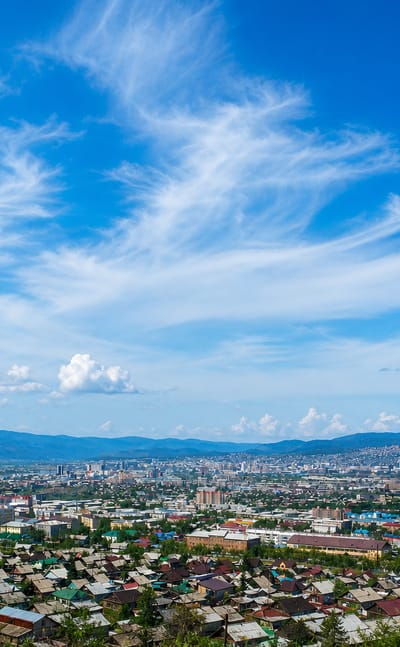
Ulan-Ude
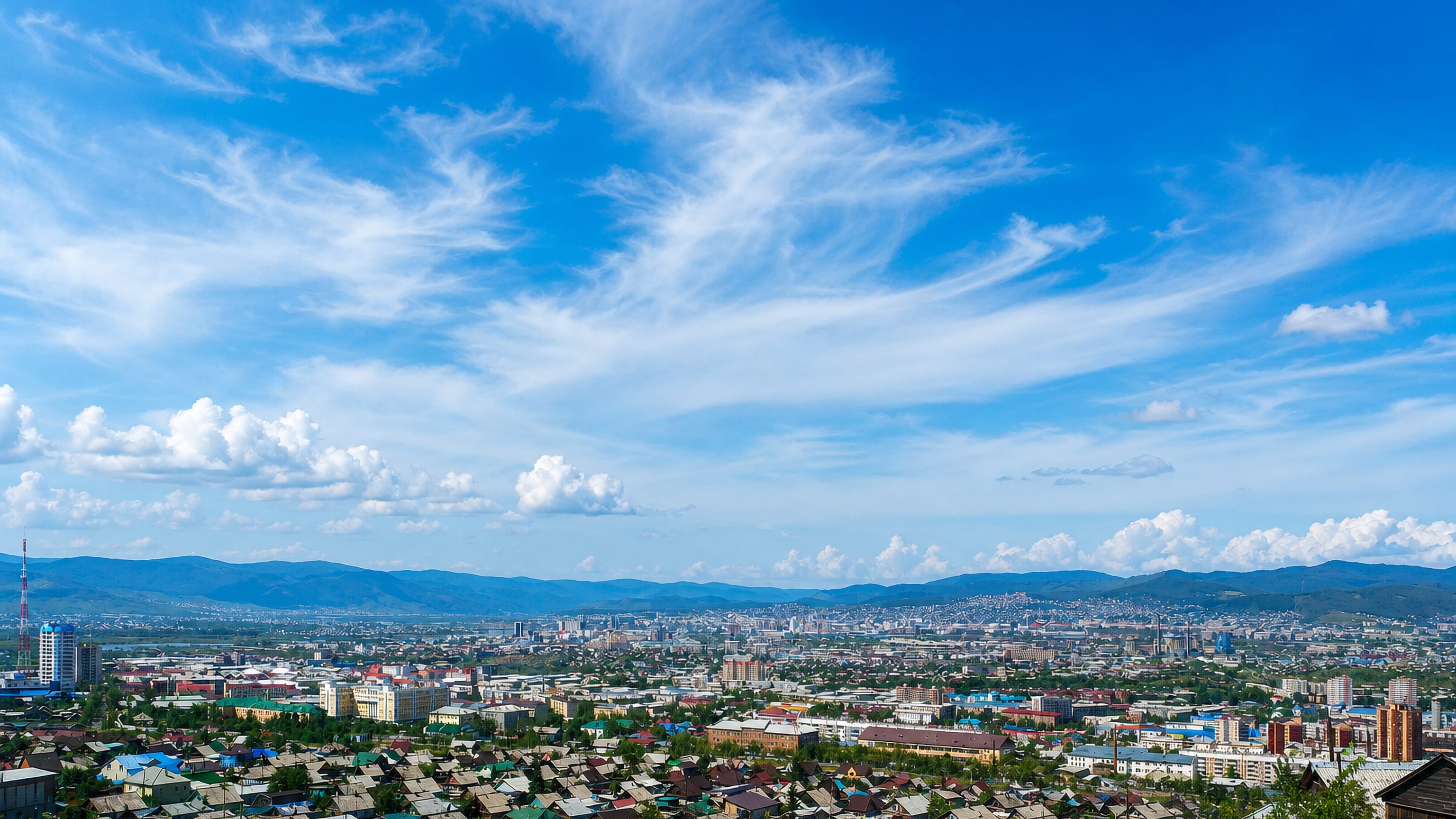
Buryat and Russian worlds meet at Ulan-Ude, the capital of the Republic of Buryatia, known for its giant Lenin's head and the Odigitrievsky Cathedral.Where to stay →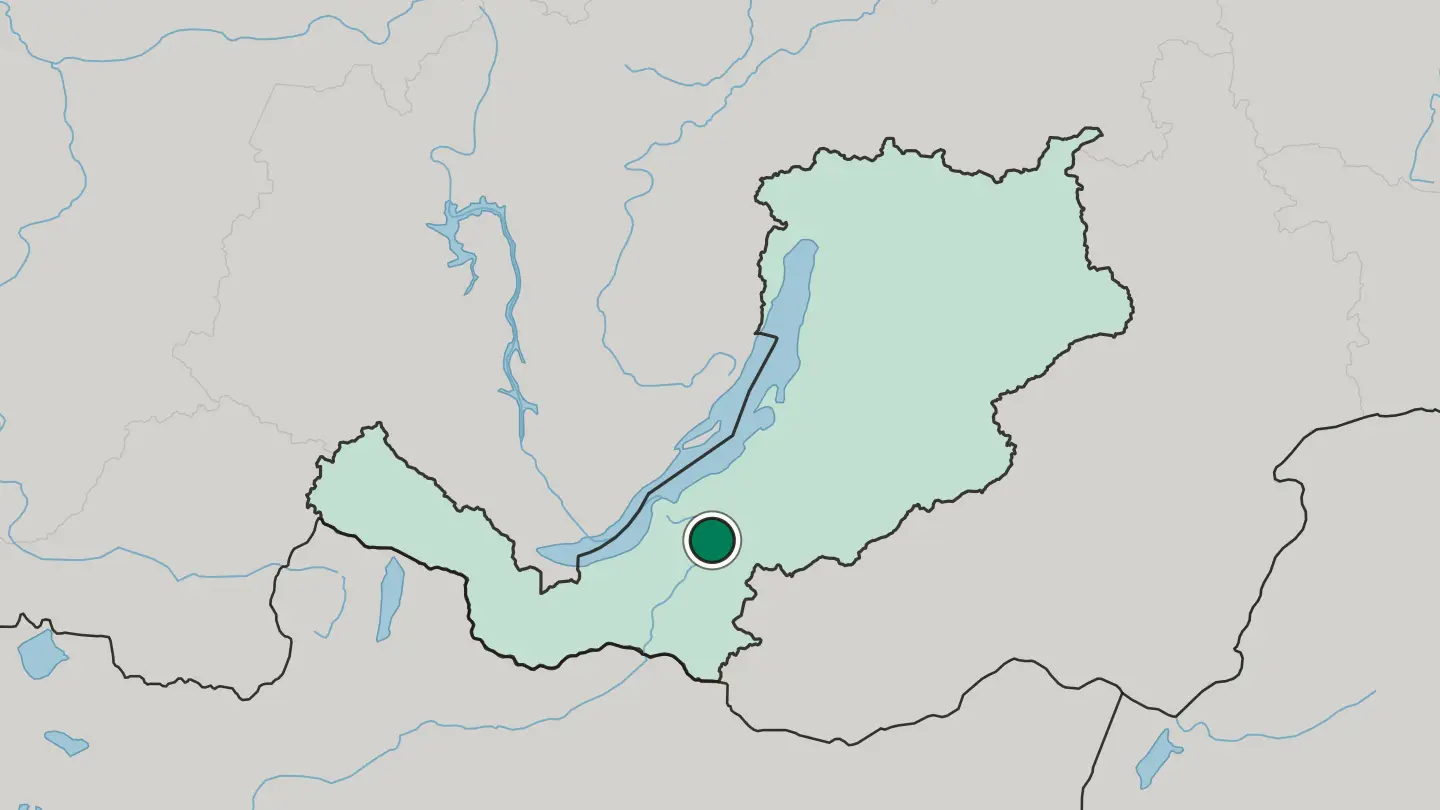
About Respublika Buryatiya
What is Respublika Buryatiya known for?
Buryatia wraps around the eastern and southern shore of Lake Baikal, holding roughly three-fifths of the deepest lake on earth within its borders. The lake is the draw. But the republic is also the heartland of Russian Buddhism, and the Ivolginsky Datsan outside Ulan-Ude is the seat of its Buddhist clergy.
This is the home of the Buryats, a Mongolic people whose language and herding culture set the region apart from the rest of Siberia, and whose ties run south across the border to Mongolia rather than west to Moscow.
Where is Respublika Buryatiya?
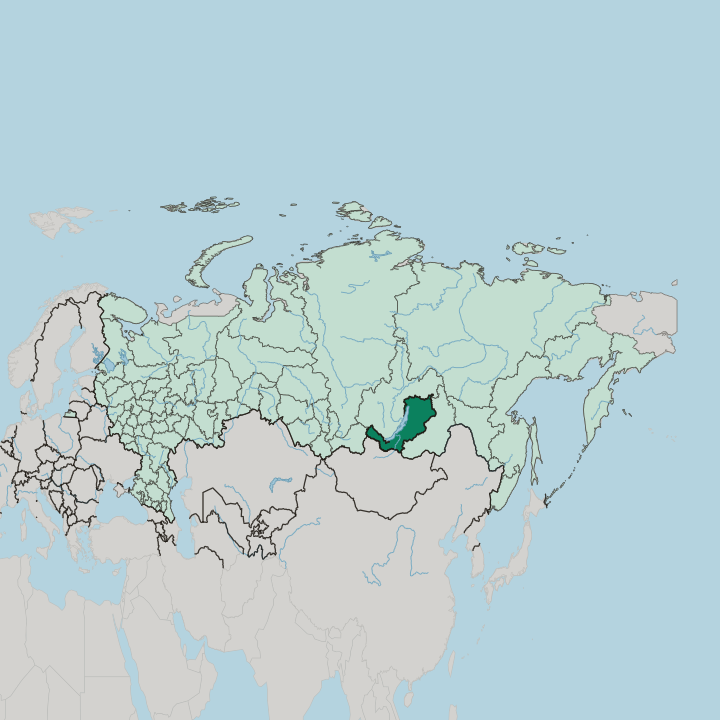
Buryatia lies in south-central Siberia, folded around the eastern and southern shore of Lake Baikal. Roughly three-fifths of the lake's shoreline is Buryat. The rest of the republic climbs away from the water into mountains, and over four-fifths of its territory is high or broken ground rather than plain.
The Sayan Mountains rise in the west, the Khamar-Daban ridge walls the lake's southern shore, and the Barguzin Range stands behind its northeastern bays, while the Selenga Highlands roll south toward the frontier. Mongolia borders the whole southern edge. Tuva lies to the west and Zabaykalsky Krai to the east, while Irkutsk Oblast and Baikal itself close off the north. Water ties the region together.
The Selenga crosses in from Mongolia and pours into Baikal, carrying close to half of everything the lake receives. The Uda comes down to meet it at Ulan-Ude. Away to the northeast, the Barguzin runs its own long valley down to a bay on the lake.
These river corridors are the low, liveable ground; the settlements string along them, and the mountains take everything else.
What is Respublika Buryatiya like?
Two faiths share the ground here. The older is shamanism, tied to the mountains, the springs and the ancestors of the Buryats. Tibetan Buddhism is the younger, arriving north out of Mongolia in the seventeenth century, and it took hold among the eastern, Transbaikal Buryats, who keep to the Gelug school that Tibet gave the Mongol world.
West of Ulan-Ude, the Ivolginsky Datsan is the answer to what survived the Soviet decades: it opened in 1945 as the only working Buddhist centre in the whole USSR, and it remains the seat of the Buddhist clergy of Russia. The Buryats are a Mongolic people, and that shows. Their language, their horse-and-herd traditions and their kinship reach lean south to Mongolia rather than west.
Russian settlers layered their own worlds on top, among them the Semeiskie, Old Believer families exiled east who kept their painted houses and old rites in the villages around the Selenga. That blend is what defines Buryatia. Buddhist temple, shaman's shrine and Orthodox church stand within a day of one another, and the food, the festivals and the faces read as much Central Asian as Siberian.
What is the history of Respublika Buryatiya?
The Buryats enter the record early: Jochi, the eldest son of Genghis Khan, is said to have marched north in 1207 to bring them under Mongol rule. Russia arrived far later, from the west. Its lasting hold came through trade, when the treaty town of Kyakhta on the Mongolian border opened in 1727 and funneled Siberian furs south for Chinese tea and silk for two centuries.
Ulan-Ude began as the fort of Verkhneudinsk on that road. The Soviet state drew the modern borders in 1923 as the Buryat-Mongol Autonomous Republic, then struck the word Mongol from the name in 1958.
What is the climate of Respublika Buryatiya?
Buryatia runs on a sharply continental climate, the kind bred far from any softening sea. Winters are long and hard. Ulan-Ude and the Selenga valley freeze deep and clear for months, with thin snow and bitter, still cold under high pressure that settles over the whole of Siberia.
Summer is short, warm and quick, greening the Barguzin Valley and the steppe before it goes. Lake Baikal buffers its own eastern shore a little, holding the season's warmth into autumn and its chill into spring, but step back from the water and the swing between the two extremes is severe.
How do you get to Respublika Buryatiya?
Most travellers reach Buryatia through Ulan-Ude. Baikal International Airport sits just west of the capital and carries the flights. The classic approach is the rail, though: the Trans-Siberian runs straight through Ulan-Ude, where a branch peels south across the Selenga toward the Mongolian border and on to Ulaanbaatar.
Kyakhta is the road crossing into Mongolia. From the capital, the lakeshore and the mountain valleys are a day's drive at most, so nearly every trip funnels through the same city first.
Common questions
What is the best area to stay in Respublika Buryatiya?
Ulan-Ude: the Uda-Selenga confluence and onward rails.
Good for
More regions in Russia
Updated September 2026