Russia · Respublika Kareliya
Where to Stay in Petrozavodsk, Respublika Kareliya
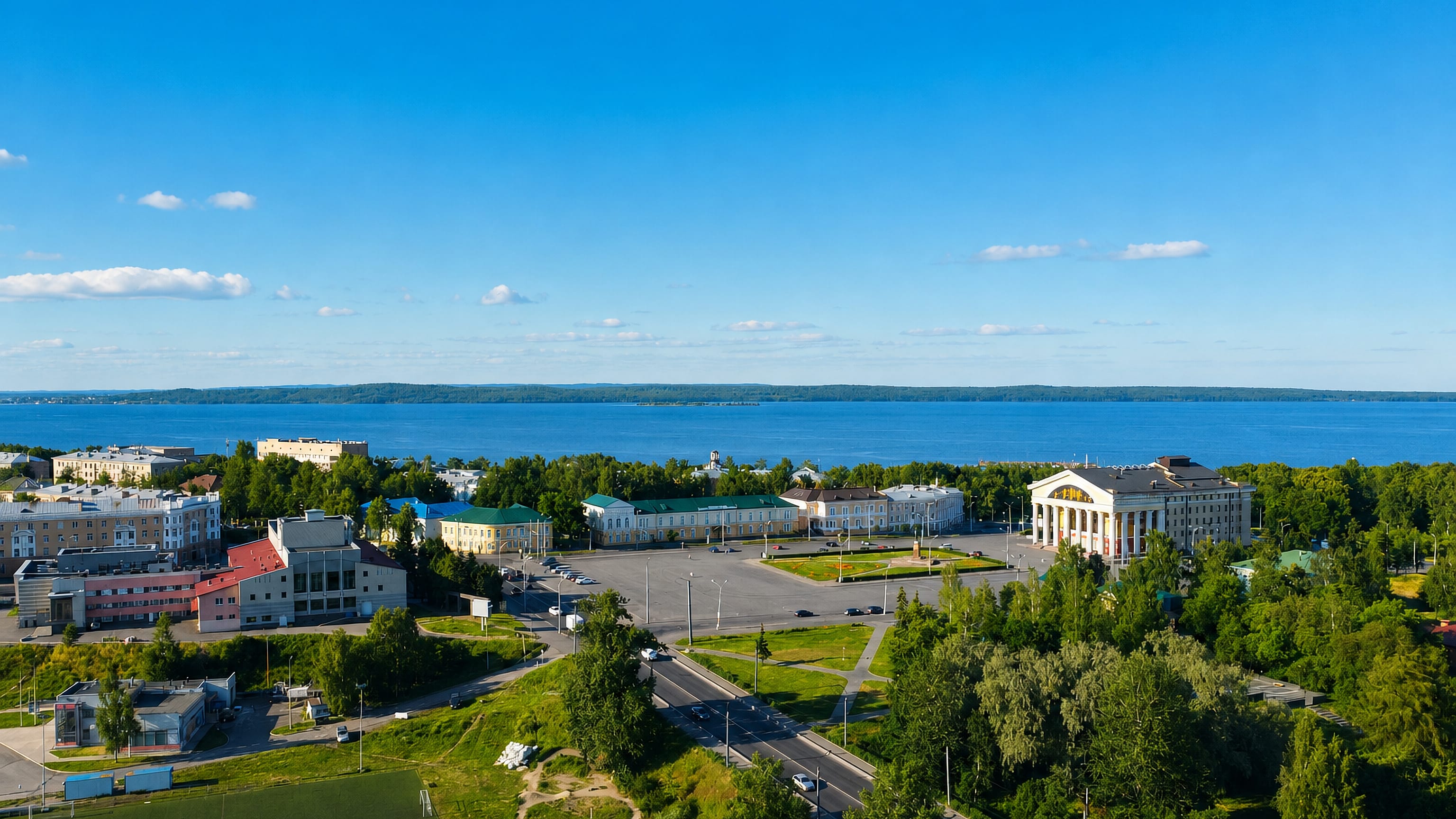
Petrozavodsk lines the western shore of Lake Onega, the capital of the Republic of Karelia, Russia, founded in 1703 around its ironworks.
Find your area →


Where to stay in Petrozavodsk
Where the beds are, and what that means for the visit.
Petrozavodsk gathers most of its life along Lake Onega and the avenues that climb from it, so where you stay depends on how close you want to be to the water. The waterfront and Kirova Square hold the museums, the promenade, and the monument to Peter the Great. They suit a first visit.
Travellers who want the lake at their door settle near the shore, where the walk along Lake Onega, the Museum of Fine Arts of the Karelian Republic, and the National Museum of the Republic of Karelia sit within easy reach. Uphill from the water, Karla Marksa Avenue runs through the older centre past shops and theatres. If you have come for the concerts and the churches, base yourself near the Petrozavodsk Conservatory and the Alexander Nevsky Cathedral.
From the lakeshore to the avenues climbing above it, no two quarters of Petrozavodsk feel quite alike. In the end, how near Lake Onega you want to wake settles where you stay.
Things to do in Petrozavodsk
Ranked by global recognition; descriptions from Wikidata (CC0).
Museums & Galleries
2- National Museum of the Republic of Karelia Heritage
- The Museum of Fine Arts of the Karelian Republic
Churches & Religious Sites
4- Alexander Nevsky Cathedral, Petrozavodsk Heritage
- Exaltation of Holy Cross cathedral in Petrozavodsk Heritage
- Our Lady of Perpetual Help Church, Petrozavodsk Heritage
- Saint Catherine Church, Petrozavodsk Heritage
Castles & Historic Sites
3- monument to Peter the Great in Petrozavodsk Heritage
- Monument to Otto Wille Kuusinen in Petrozavodsk Heritage
- Monument to City of Military Glory (Petrozavodsk)
Landmarks & Notable Places
8- Petrozavodsk railway station Heritage
- Petrozavodsk Conservatory Heritage
- Severnaja Hotel Heritage
- Karla Marksa Avenue Heritage
- Kirova Square Heritage
Show 3 more →
- The National Library of the Republic of Karelia Heritage
- Petrozavodsk water station Heritage
- Petrozavodsk Pedagogical College Heritage
worth knowingacross 4 categories in Petrozavodsk
About Petrozavodsk
What is Petrozavodsk known for?
Petrozavodsk is known as the lakeside capital of the Republic of Karelia and the cultural heart of the region. Its long waterfront on Lake Onega gathers walkers and monuments, and the monument to Peter the Great recalls the founder who set the ironworks here in 1703. Music and learning run deep.
The Petrozavodsk Conservatory, the National Library of the Republic of Karelia, and the Museum of Fine Arts of the Karelian Republic anchor the arts, while the golden domes of the Alexander Nevsky Cathedral rise above Karla Marksa Avenue.
What are the main landmarks in Petrozavodsk?
Petrozavodsk keeps its landmarks between Lake Onega and the streets that climb from it. The Alexander Nevsky Cathedral and the Exaltation of Holy Cross cathedral mark the skyline, while the monument to Peter the Great honours the city's founder on the waterfront. Learning has its monuments too.
The National Library of the Republic of Karelia, the Museum of Fine Arts of the Karelian Republic, and the Petrozavodsk Conservatory line the central avenues, and Kirova Square gathers the civic heart of the Karelian capital.
What is the history of Petrozavodsk?
Petrozavodsk was founded in 1703 as an ironworks on the western shore of Lake Onega, and its name carries that origin: Peter's works. The monument to Peter the Great honours the founder who set the forges here to arm the northern campaigns, and the Mining Chief's House survives from the early industrial town that grew around them. From that beginning the settlement became the seat of Karelian government.
It rose into a capital. As the Republic of Karelia took shape, Petrozavodsk gathered the institutions of the region. The National Library of the Republic of Karelia and the National Museum of the Republic of Karelia hold its record, the Petrozavodsk Conservatory carried its music, and the Alexander Nevsky Cathedral rose as its spiritual anchor.
War pressed hard on the northern city, and the Military memorial of the Karelian Front and the Monument to City of Military Glory keep that memory in stone. Layer by layer, an ironworks by Lake Onega grew into the capital of Karelia.
Where is Petrozavodsk?
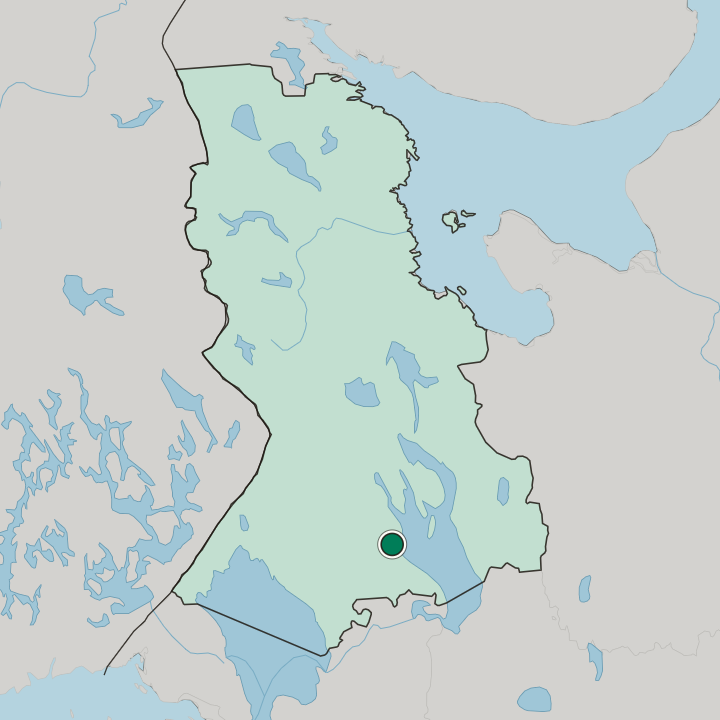
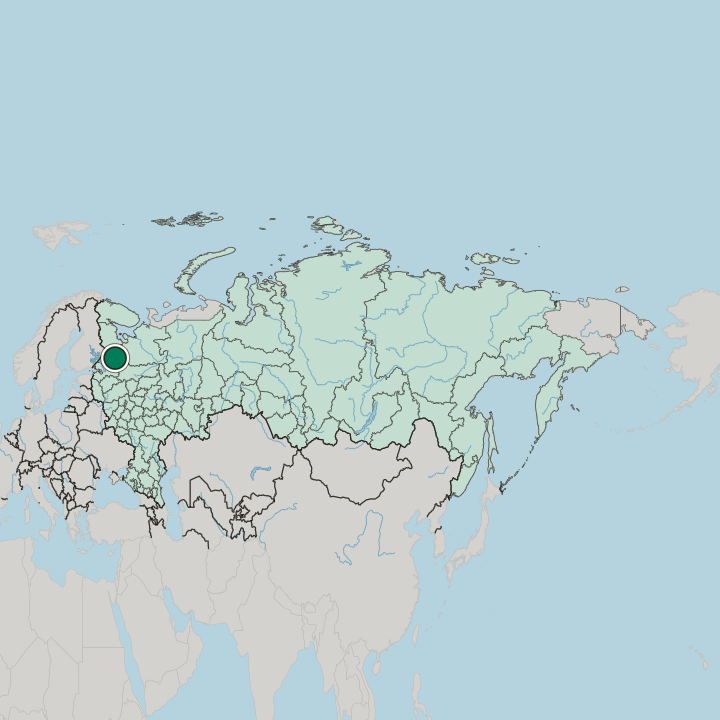
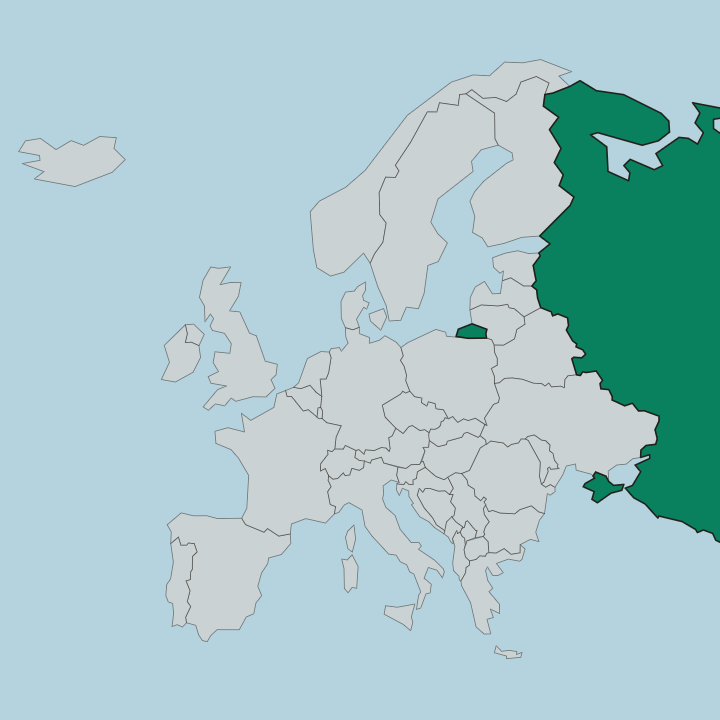
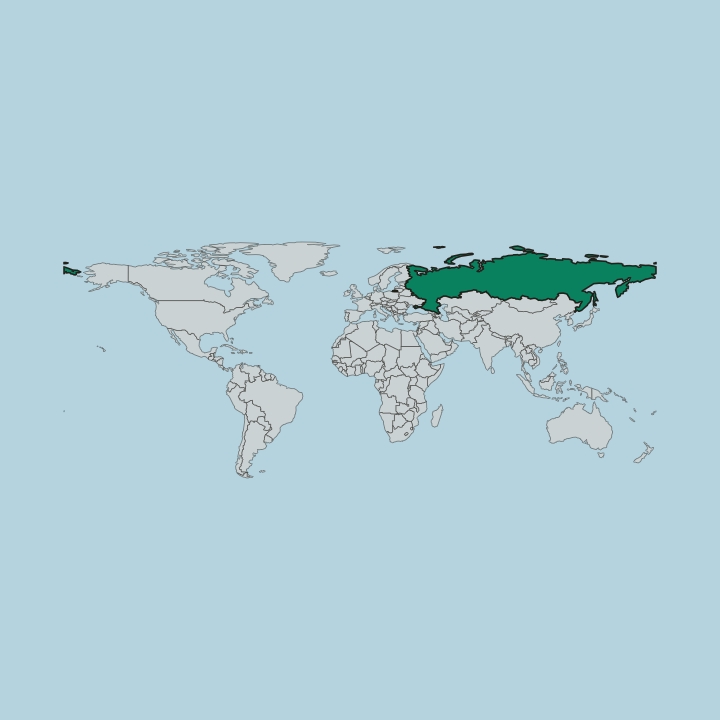
Petrozavodsk lies along the western shore of Lake Onega, the second-largest lake in Europe, as the capital of the Republic of Karelia. The city stretches for kilometres beside the water, its avenues climbing gently from the shore over a site of some 135 square kilometres. Forest and lake surround it.
This is the northern lakeland country of Karelia, where the subpolar seasons run long, and Petrozavodsk holds the administrative weight of the whole republic from its place on the Onega shore.
What is the climate of Petrozavodsk?
Petrozavodsk has a cold subpolar climate shaped by its place on Lake Onega and the northern forests of Karelia. Winters are long and dark, and ice grips the lake while snow settles over Karla Marksa Avenue and the domes of the Alexander Nevsky Cathedral. Summer is brief but luminous.
In the short warm season the long northern days open the waterfront and the parks, before the cold and the early dusk return to the Onega shore.
How do you get to Petrozavodsk?
Petrozavodsk is reached by rail, road, and water from across the Republic of Karelia. The Petrozavodsk railway station links the city to the main northern line toward the wider Russian network, and long roads run in along Lake Onega. Boats work the lake in the warm months.
Once in the city, the waterfront, Kirova Square, and the museums of the Karelian capital all lie within easy reach of Karla Marksa Avenue.
Good for
Updated October 2026