Russia · Respublika Mariy-El
Where to Stay in Yoshkar-Ola, Respublika Mariy-El
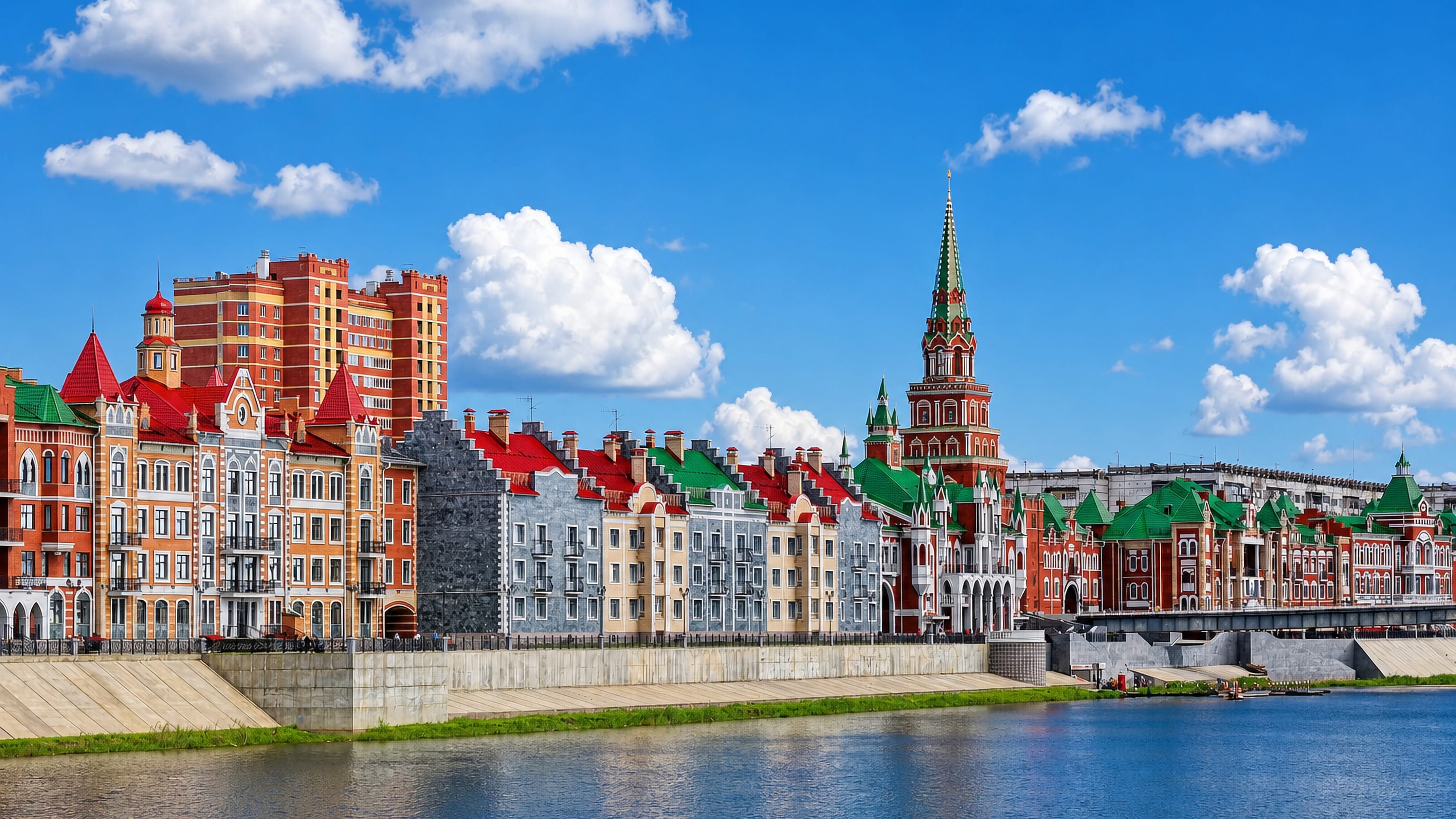
Fanciful facades line Chavayn Boulevard in Yoshkar-Ola, the capital of Mari El in the Volga Region, known for its Cathedral of the Ascension of Christ.
Find your area →


Where to stay in Yoshkar-Ola
How the choice of base plays out on the ground.
Yoshkar-Ola concentrates its lodging around the rebuilt riverside centre and the older streets behind it, so where you stay depends on whether you want the showpiece embankment or the quieter old town. The core gathers the churches and the museums along Chavayn Boulevard within an easy walk. For a first stay, the showpiece embankment is the obvious place to begin.
Travellers who want the striking centre settle near the Cathedral of the Ascension of Christ and the Bashnya Exhibition Center, where the ornate embankment buildings line the water. Behind the showpiece front, older streets keep the town's earlier character. If you have come for the local history and art, base yourself near the National Museum of Mari El or the National art gallery, both close to the centre.
The Bogoroditse-Sergiev monastery stands a little apart from the embankment. Each quarter reads at its own pace.
Things to do in Yoshkar-Ola
Ranked by global recognition; descriptions from Wikidata (CC0).
Museums & Galleries
3- National Museum of Mari El Heritage
- Museum of the History of Yoshkar-Ola Heritage
- Lokhanov House, Yoshkar-Ola Heritage
Churches & Religious Sites
2- Cathedral of the Ascension of Christ Heritage
- Church of the Theotokos of Tikhvin, Yoshkar-Ola Heritage
Castles & Historic Sites
3- Statue of Pushkin, Yoshkar-Ola Heritage
- Vladimir Lenin monument (Yoshkar-Ola) Heritage
- памятник Фёдору I Иоанновичу
Landmarks & Notable Places
8- Mari State University Heritage
- Bogoroditse-Sergiev monastery, Yoshkar-Ola Heritage
- Volkova Street 164 (Yoshkar-Ola) Heritage
- Karelin House, Yoshkar-Ola Heritage
- Park gate at Chavayn Boulevard (Yoshkar-Ola) Heritage
Show 3 more →
- Sovetskaya Street 86, Yoshkar-Ola Heritage
- Sovetskaya Street 88, Yoshkar-Ola Heritage
- Sovetskaya Street 96, Yoshkar-Ola Heritage
worth knowingacross 4 categories in Yoshkar-Ola
About Yoshkar-Ola
What is Yoshkar-Ola known for?
Yoshkar-Ola is known as the capital of Mari El, a river town in the Volga Region with a boldly rebuilt centre. Its heart was reshaped in recent decades. The Cathedral of the Ascension of Christ and the churches around it rise near Chavayn Boulevard, while the National Museum of Mari El and Mari State University anchor the cultural and academic life of a city that carries the identity of the Mari people at the eastern edge of the region.
What are the main landmarks in Yoshkar-Ola?
Yoshkar-Ola holds landmarks that run from its rebuilt embankment to its museums and monasteries. The riverside churches lead. The Cathedral of the Ascension of Christ and the Church of the Theotokos of Tikhvin rise near Chavayn Boulevard, while the National Museum of Mari El and the Museum of the History of Yoshkar-Ola keep the city's past, and the Bogoroditse-Sergiev monastery anchors its older faith away from the water.
What is the history of Yoshkar-Ola?
Yoshkar-Ola was founded in 1584 as a fortified post in what is now Mari El, in the Volga Region. It began as Tsarevokokshaysk. Raised as a garrison to hold the lands taken to the east, the small river town carried that older name for centuries, becoming Krasnokokshaysk before taking the Mari name Yoshkar-Ola in the twentieth century.
For much of its life the town stayed a modest provincial seat, and only later did it gain the striking rebuilt centre for which it is now known. The Cathedral of the Ascension of Christ and the ornate buildings of Chavayn Boulevard rose over older ground, while the National Museum of Mari El gathered the memory of the Mari people. The names changed three times over.
From the garrison of Tsarevokokshaysk founded in 1584, Yoshkar-Ola grew into the capital of Mari El, its remade embankment now the face of the city.
Where is Yoshkar-Ola?
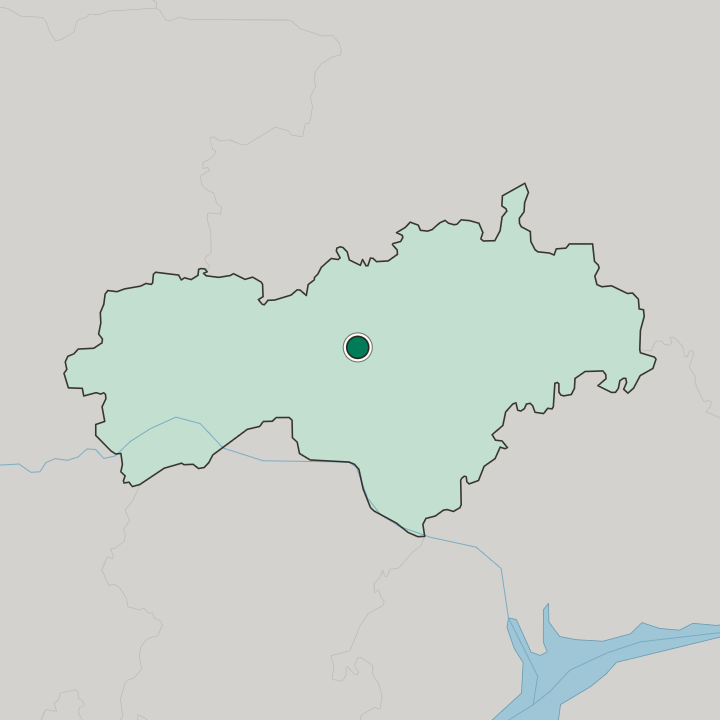
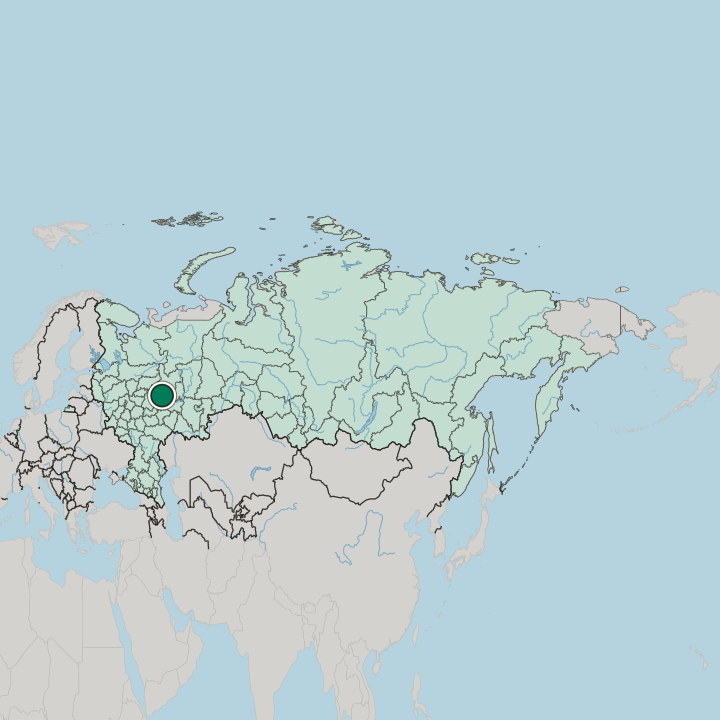
Yoshkar-Ola lies in Mari El, in the Volga Region, its centre set along a river embankment. The water shapes the city's face. The Cathedral of the Ascension of Christ and the buildings of Chavayn Boulevard line the riverside core, and the town spreads outward over flat, wooded country toward the wider forests and lowlands of the region it governs.
What is the climate of Yoshkar-Ola?
Yoshkar-Ola has a continental climate, with cold snowy winters and warm summers across Mari El. Winter and summer sit far apart. Long frosts settle over the embankment and the wooded country through the winter months, while the short warm season brings green to the streets around Chavayn Boulevard before the cold returns over the Volga Region.
How do you get to Yoshkar-Ola?
Yoshkar-Ola is reached by rail and road as the capital of Mari El. Almost everyone reaches Yoshkar-Ola by rail or road. Railways and highways link the city across the Volga Region and the wider country, carrying visitors toward the rebuilt embankment where the Cathedral of the Ascension of Christ and Chavayn Boulevard gather the centre within a short walk.
Good for
Another city in Respublika Mariy-El
Updated October 2026