Russia
Respublika Mariy-El, Russia — Towns & Travel Guide
Mari El is a Finno-Ugric republic of Russia on the middle Volga, where taiga forest and sacred groves surround the capital, Yoshkar-Ola.
Find your area →


Towns & cities in Respublika Mariy-El
Pick a town or city — each links to where to stay.
 Russia
Yoshkar-Ola
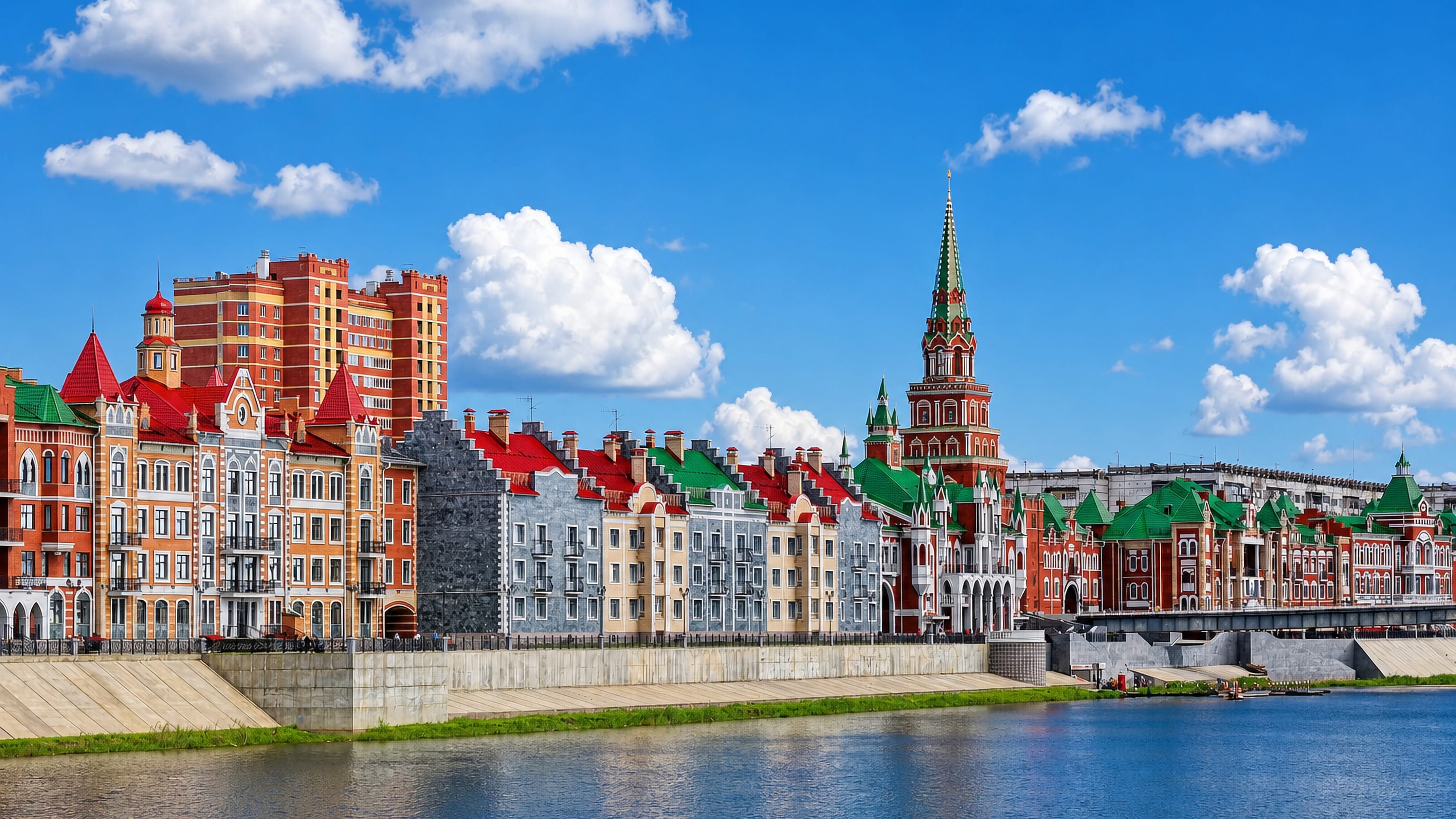
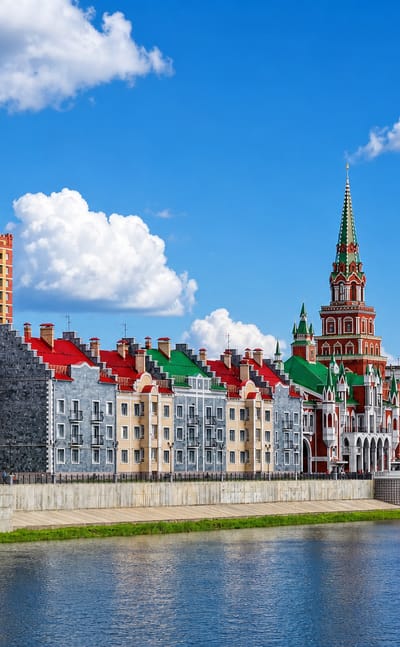
Fanciful facades line Chavayn Boulevard in Yoshkar-Ola, the capital of Mari El in the Volga Region, known for its Cathedral of the Ascension of Christ.Where to stay →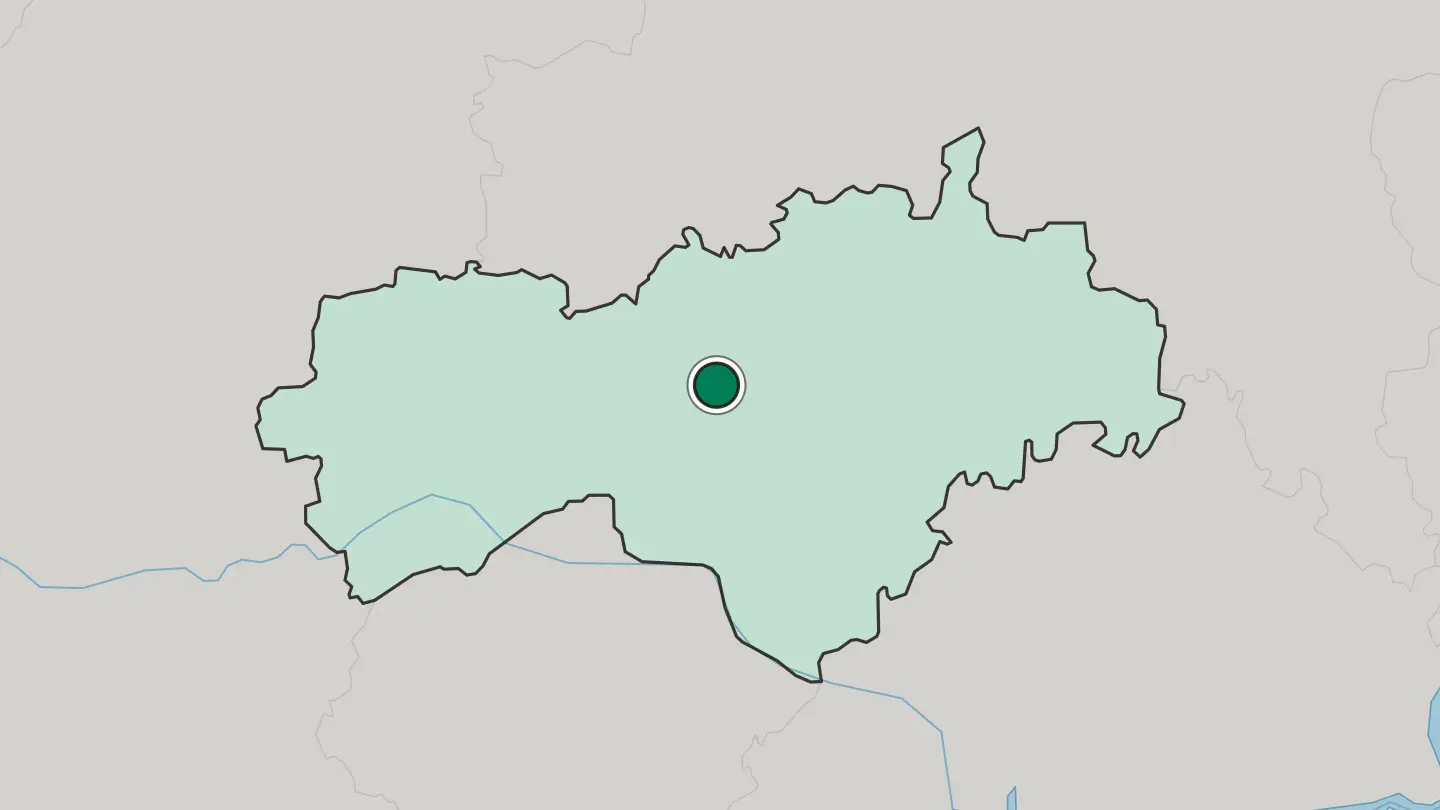 Russia
Volzhsk
Volzhsk sits in the Mari El Republic near the three-republic border, inside the Kazan metropolitan area, officially named Юлсер-Ола.Where to stay →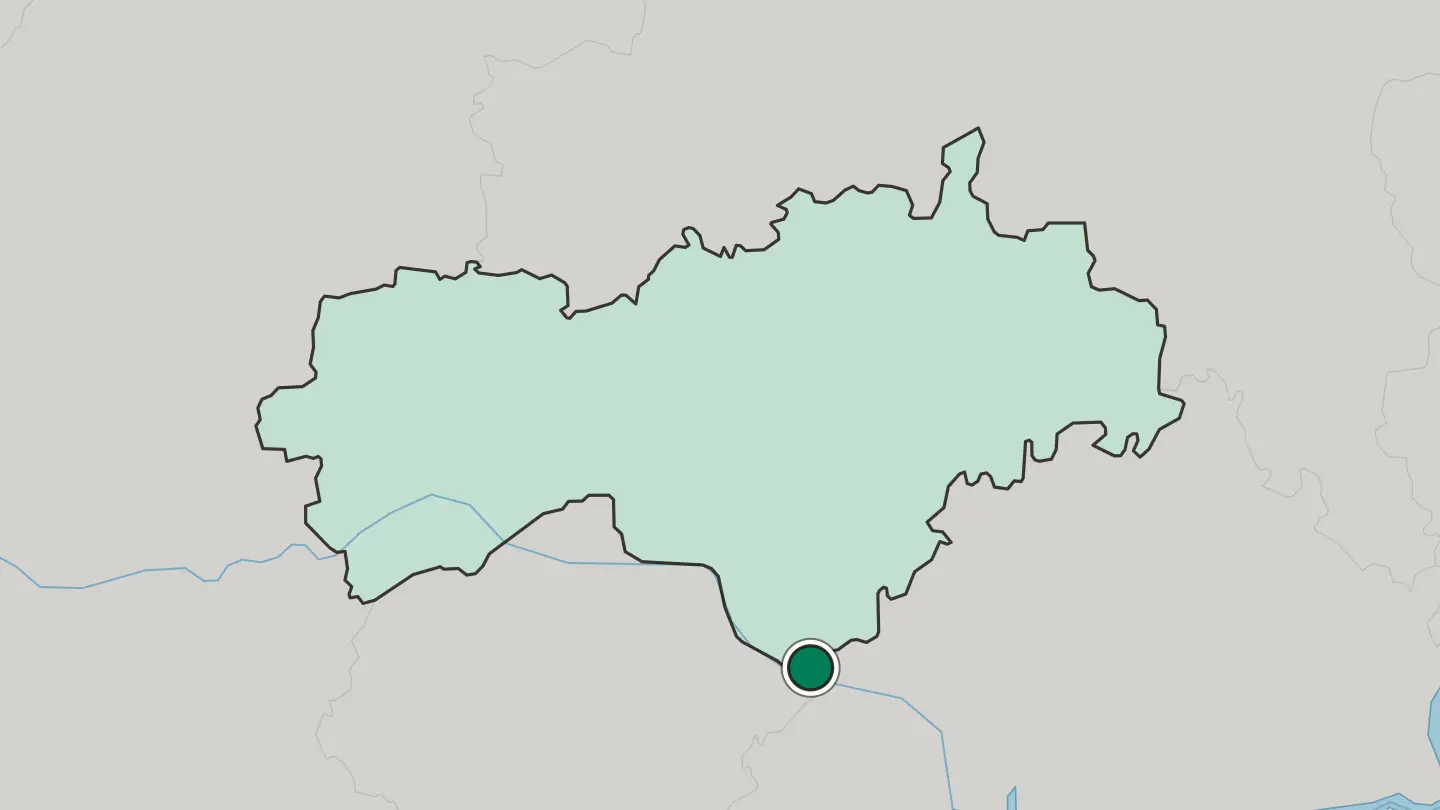
About Respublika Mariy-El
What is Respublika Mariy-El known for?
Mari El belongs to the Mari, a Finno-Ugric people who have farmed the Volga's forested left bank for centuries. Their old religion survives. Prayers are still held outdoors in some 360 sacred groves, led by priests called karts, which has earned the Mari a reputation as one of the last pagan peoples of Europe.
Yoshkar-Ola, the capital, is the other draw, its riverfront rebuilt as a string of Flemish-gabled façades along the Malaya Kokshaga. Forest covers roughly half the republic.
Where is Respublika Mariy-El?
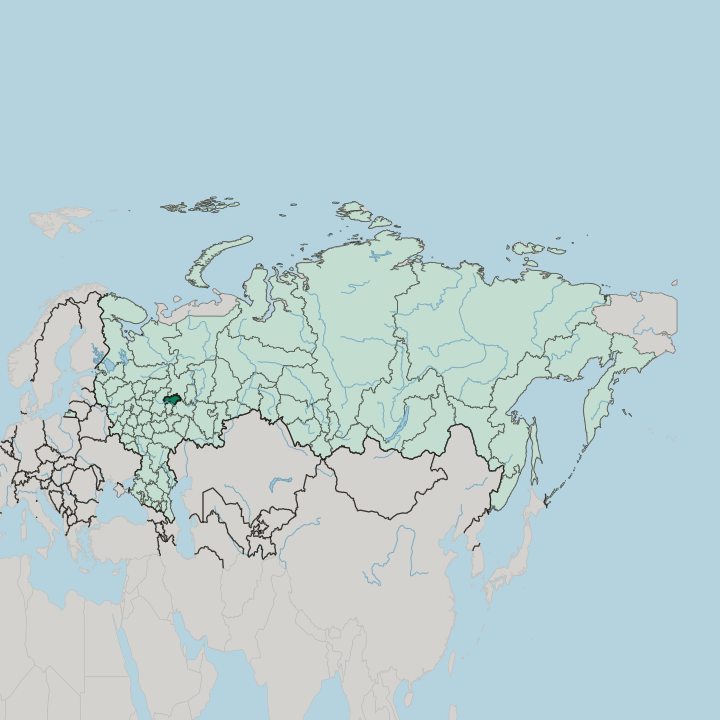
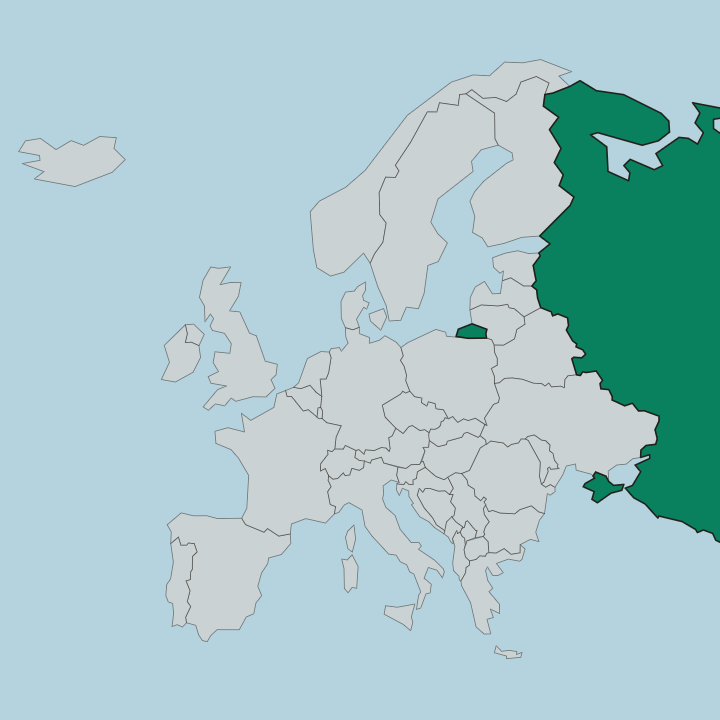
Mari El sits in the middle Volga basin, in the eastern part of the East European Plain. The great river cuts across its southern edge. Most of the republic lies north of the Volga's left bank, a low country of forest, bog and slow water rather than hill.
Four regions ring it. Nizhny Novgorod Oblast lies to the west, Kirov Oblast to the north, Tatarstan to the east, and Chuvashia across the Volga to the south. The land itself is flat and wet. Taiga forest of spruce, birch and pine covers about half the surface, and the swampy Mari Depression spreads across the centre, dotted with hundreds of small shallow lakes.
The Vyatka Uplands roll up the eastern side toward Kirov. Rivers do the shaping here: the Malaya Kokshaga runs south through Yoshkar-Ola to join the Volga, one of hundreds of streams draining the woods. The Volga marks the divide, and Kozmodemyansk stands on the higher right bank where the Mountain Mari have long lived apart from the meadow country across the water.
What is Respublika Mariy-El like?
The republic exists for the Mari, and their language and faith set it apart from the Russian regions around it. Mari and Russian are both official. The Mari tongue is Finno-Ugric, a cousin of Finnish and Estonian rather than a Slavic language, and it splits into the Meadow Mari of the forested left bank and the Mountain Mari of the higher west side of the Volga.
That divide runs through the whole culture. What marks the Mari most is their old nature religion, worshipped openly. Believers gather through the year in sacred groves, quiet stands of forest where priests called karts lead prayers and, at some feasts, animal sacrifice.
Hundreds of these groves are protected across the republic. Alongside them stand Orthodox churches and the new gilded domes of the Annunciation Cathedral in Yoshkar-Ola, so the two traditions run side by side. Embroidery, silver ornament and the kusle, a Mari plucked zither, carry the older world into festivals.
Few peoples in Europe have kept a pre-Christian faith this alive.
What is the history of Respublika Mariy-El?
The Mari have lived along the Volga and Kama since long before Russian rule reached them. Moscow took the region. The fortress of Tsaryovokokshaysk, later renamed Yoshkar-Ola, was founded in 1584 to hold the conquered Mari lands along the middle Volga.
Soviet power created a Mari homeland in stages, an autonomous oblast in 1920 and then an autonomous republic in 1936, before it became the Mari El Republic of the Russian Federation in 1993 as the Soviet Union broke apart. The pagan faith outlasted every one of those regimes.
What is the climate of Respublika Mariy-El?
Mari El has a moderately continental climate, shaped by its inland place far from any sea. Winters are cold and long. Snow lies deep over the taiga and the frozen Volga from late autumn until spring, and hard frosts are normal in the forest away from the towns.
Summers turn warm and often wet, with rain feeding the bogs and the hundreds of small lakes of the Mari Depression. Spring thaw floods the river meadows.
How do you get to Respublika Mariy-El?
Yoshkar-Ola is the way in, connected to Moscow by overnight train and a small airport. Most visitors arrive by rail. The line ends at the capital, so onward travel across the republic runs by road through the forest to the Volga towns.
Kazan, the far larger city of neighbouring Tatarstan, lies a few hours south and is the usual gateway for anyone flying, with buses north to Yoshkar-Ola. The Volga itself carries river cruises past the republic's southern shore.
Common questions
What is the best area to stay in Respublika Mariy-El?
Yoshkar-Ola: the Malaya Kokshaga riverfront and republic sights. Volzhsk: the Volga bank near Tatarstan.
Good for
More regions in Russia
Updated September 2026