Russia · Sakhalin Oblast
Where to Stay in Yuzhno-Sakhalinsk, Sakhalin Oblast
Island air fills Yuzhno-Sakhalinsk, capital of Sakhalin Oblast on the island of Sakhalin, known for the Sakhalin Regional Museum and its Japanese streets.
Find your area →


Where to stay in Yuzhno-Sakhalinsk
Where the beds are, and what that means for the visit.
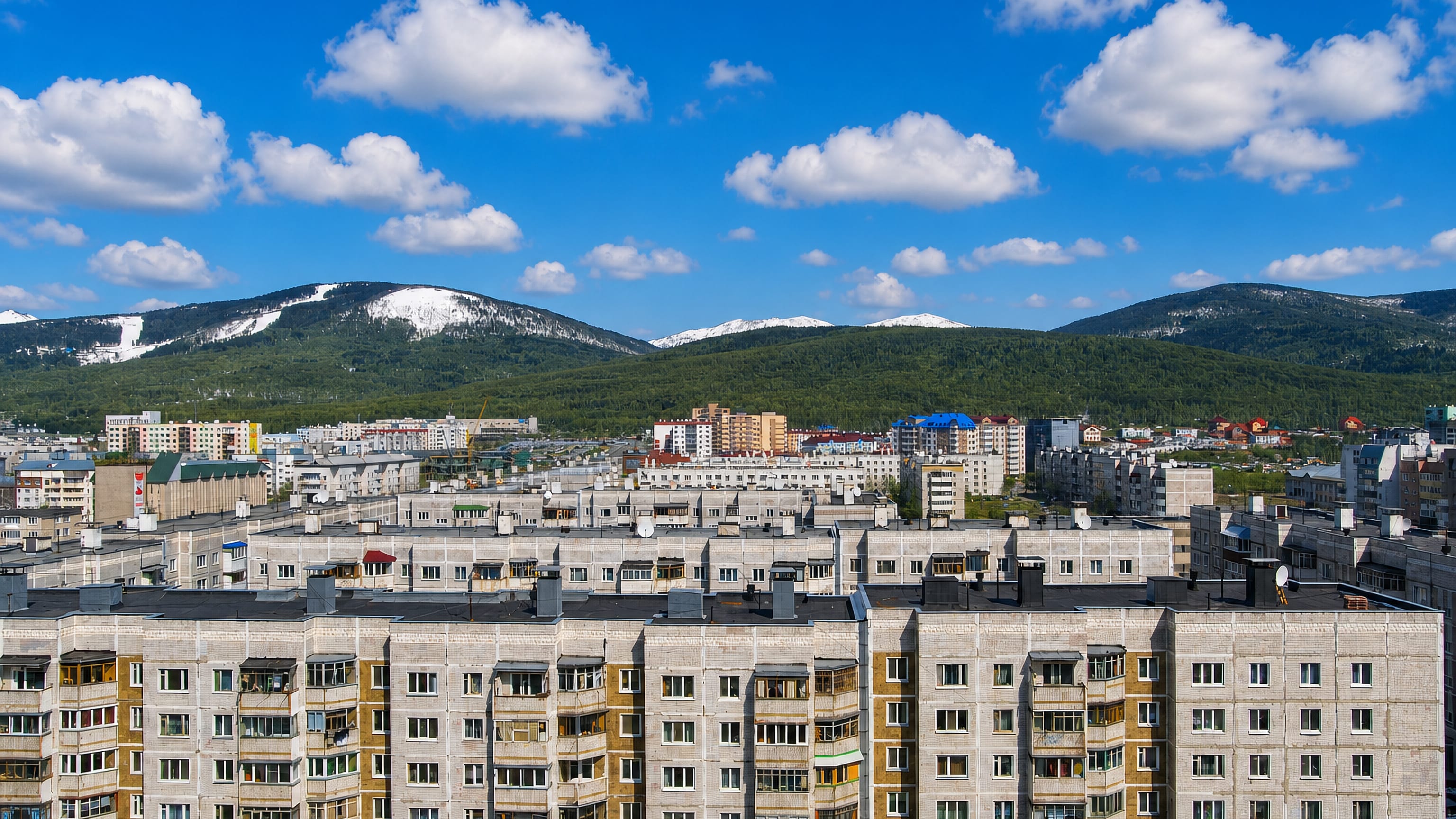
Most visitors base themselves in the centre of Yuzhno-Sakhalinsk, the grid of streets laid out in the Japanese years. The centre gathers the sights. Around the Sakhalin Regional Museum and the Sakhalin Regional State Museum of Art run the main avenues of Sakhalin Oblast, and this ground suits travellers who want the museums, the parks, and the island's cafes within a short walk.
The monument of Lenin marks the central square. Toward the hills the eastern edge of town meets the ski slopes and the green space. Rooms here stand close to the Sakhalin Zoological and Botanical Park and the Church of Saint Nicholas, a base for anyone who wants the mountain air of the island rather than the busy centre.
Away from the core the outer districts run toward the airport and the plain. Rooms out there sit handy for arrivals and the road north, and each part of town mixes the Japanese-era buildings, the Soviet blocks, and the island parks, so where you sleep decides whether the morning opens onto the museum streets or onto the wooded slopes above them.
Things to do in Yuzhno-Sakhalinsk
Ranked by global recognition; descriptions from Wikidata (CC0).
Museums & Galleries
2- Sakhalin Regional State Museum of Art Heritage
- Sakhalin Island Chekhov’s book Museum
Churches & Religious Sites
1- Church of Saint Nicholas (Yuzhno-Sakhalinsk)
Castles & Historic Sites
5- Bust of Krusenstern Heritage
- bust of Golovnin Heritage
- monument of Chehov Heritage
- monument of Lenin Heritage
- Памятнику А.С.Пушкину Heritage
Landmarks & Notable Places
2- Dzerzhinskogo Street 32, warehouse Heritage
- Yuzhno-Sakhalinsk Chekhova 41 hospital building Heritage
worth knowingacross 4 categories in Yuzhno-Sakhalinsk
About Yuzhno-Sakhalinsk
What is Yuzhno-Sakhalinsk known for?
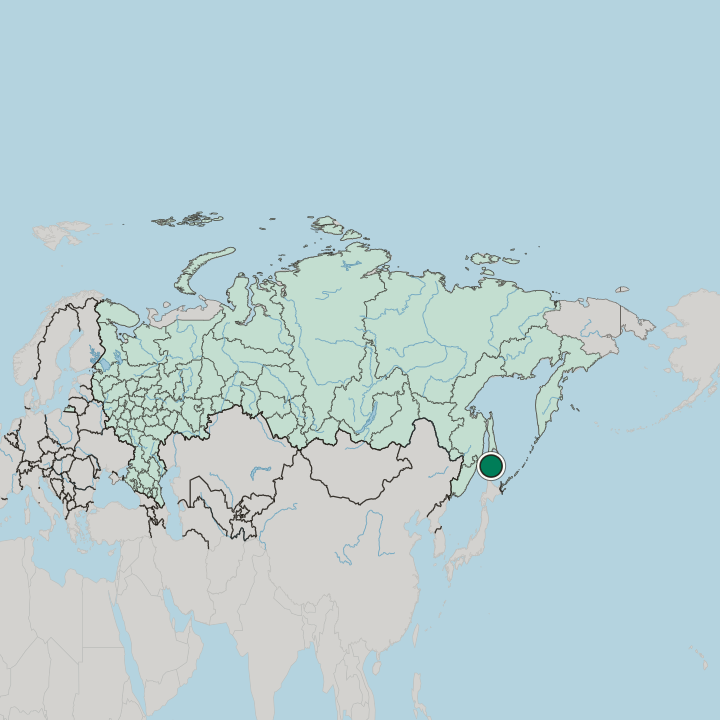
Yuzhno-Sakhalinsk is known as the island capital with a Japanese past. It sits on the island of Sakhalin in the Russian Far East, north of Japan, and for four decades the southern half of the island was Japanese, so the city of Sakhalin Oblast keeps buildings from that era. One of them holds its most famous museum.
The Sakhalin Regional Museum occupies a Japanese pavilion, the Sakhalin Chekhov's book Museum recalls the writer's journey to the penal island, and the Sakhalin Regional State Museum of Art hangs its collections. An island town of two histories.
What are the main landmarks in Yuzhno-Sakhalinsk?
Museums and monuments mark Yuzhno-Sakhalinsk. The Sakhalin Regional Museum is the great sight, a Japanese pavilion of tiled roofs holding the island's history. Others gather around it.
The Sakhalin Regional State Museum of Art and the Sakhalin Chekhov's book Museum keep the art and the literary memory of the island, while the Church of Saint Nicholas, the monument of Chekhov, the bust of Krusenstern, and the bust of Golovnin honour the writers and navigators who reached this far eastern shore, and the Sakhalin Zoological and Botanical Park spreads its green edge across the town.
What is the history of Yuzhno-Sakhalinsk?
Yuzhno-Sakhalinsk began in 1882 as a Russian settlement on the island of Sakhalin, in the country that became Sakhalin Oblast. War changed its flag. When Japan took the southern half of the island, the town was rebuilt as Toyohara, the capital of Japanese Karafuto, and laid out on the neat grid that still orders its centre, with public buildings such as the pavilion that now houses the Sakhalin Regional Museum.
The island had a darker past too. It had been a penal colony, a story the writer Chekhov recorded and the Sakhalin Chekhov's book Museum now keeps. The Soviet Union reclaimed the south.
Toyohara became Yuzhno-Sakhalinsk, its Japanese streets filling with Soviet blocks, its monuments to Chekhov and Krusenstern raised among them. Behind the tiled roofs and the plain apartment lines runs the layered story of an island fought over by two nations.
Where is Yuzhno-Sakhalinsk?
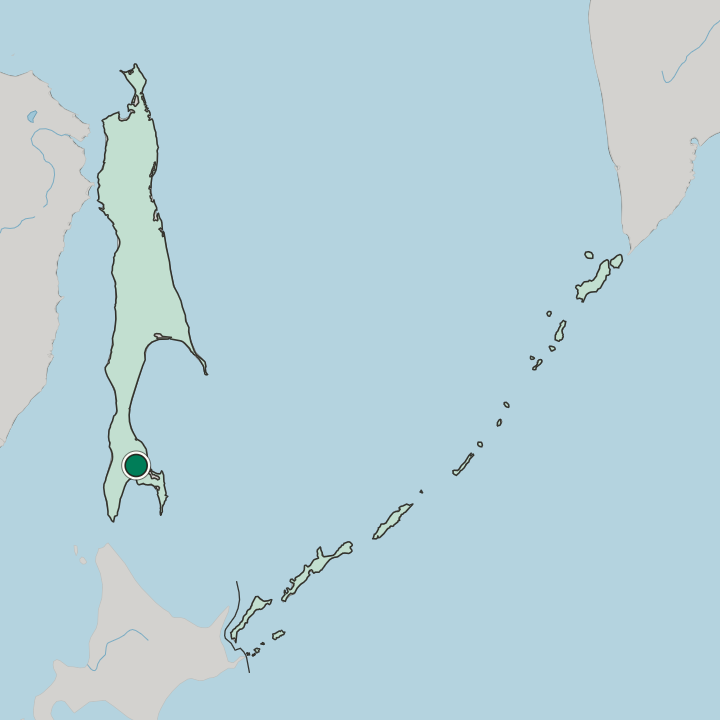
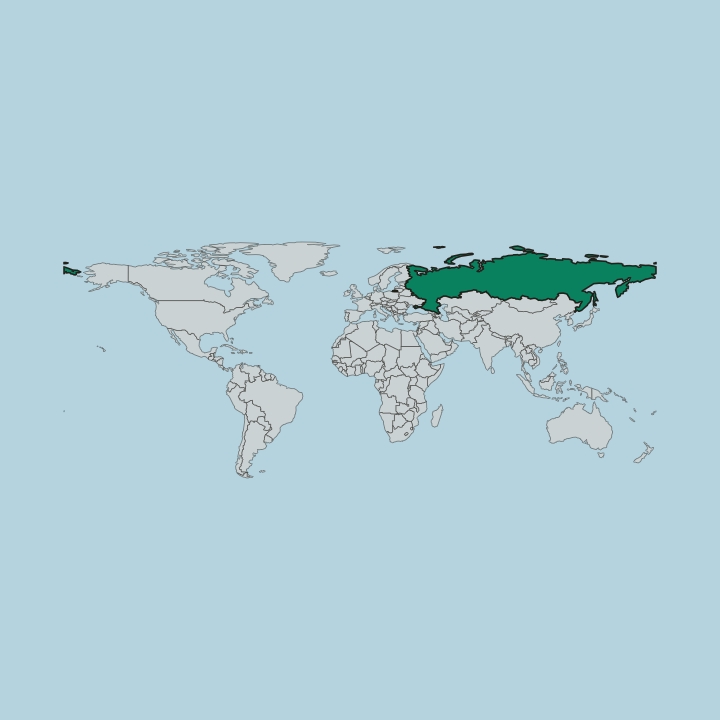
Yuzhno-Sakhalinsk lies in a river valley on the island of Sakhalin, in the southern part of Sakhalin Oblast, north of Japan. The city fills the flat floor of the valley, its grid running between two ranges of wooded hills that rise close on either side. To the east the slopes carry the ski runs and the Sakhalin Zoological and Botanical Park; to the west the ground opens toward the plain and the sea.
The island frames everything. Its hills, its rivers, and the ocean around it shape the weather and the reach of the town.
What is the climate of Yuzhno-Sakhalinsk?
Yuzhno-Sakhalinsk has a cold and humid climate shaped by the surrounding sea. Winter drags on here. Heavy falls of snow bury the valley and the hills of Sakhalin for months, driven in by storms off the ocean that wraps the island.
Summers turn short, cool, and often foggy, damp with sea air. The seasons are milder and far wetter than the continent to the west, and the deep snow and the sea mists give the town of Sakhalin Oblast an island weather all its own.
How do you get to Yuzhno-Sakhalinsk?
Yuzhno-Sakhalinsk is reached mainly by air and sea, being on an island. Flights land at its airport from the mainland cities of the Russian Far East, and this is the busiest entry point to Sakhalin Oblast. A railway runs the length of the island from here.
It carries trains north to the other towns of Sakhalin, and ferries link the island to the mainland coast across the strait.
Good for
Updated September 2026