Russia · Samara Oblast
Where to Stay in Samara, Samara Oblast
Art Nouveau mansions crowd the old streets of Samara, a city in Samara Oblast known for the Samara Art Museum and the neo-Gothic Sacred Heart Church.
Find your area →


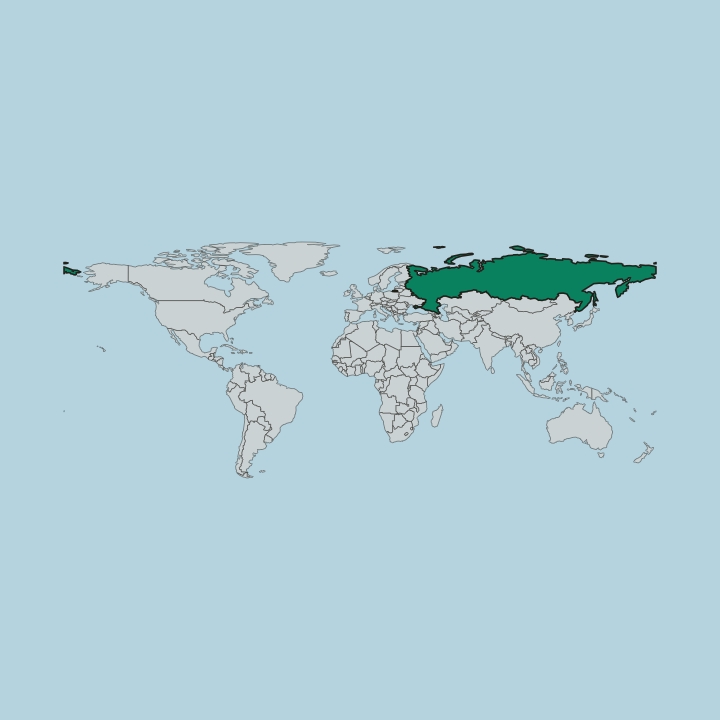
Where to stay in Samara
One neighbourhood here has its own guide — here's what it is best for.
 SamaraRussia
Berëza
Berëza is a district of Samara, Russia, dated to 1962 and standing in the temperate band of the northern hemisphere.Where to stay →Things to do in Samara
Ranked by global recognition; descriptions from Wikidata (CC0).
Museums & Galleries
3- Museum-house of Alexey Tolstoy Heritage
- Samara Art Museum
- Музей самарского футбола
Churches & Religious Sites
5- Sacred Heart Church Heritage
- Samara Choral Synagogue Heritage
- Saint George's Lutheran Church Heritage
- Saint Michael's Church (Samara) Heritage
- Saints Peter and Paul Church (Samara) Heritage
Castles & Historic Sites
3- Monument of Glory, Samara Heritage
- Chapayev monument (Samara) Heritage
- Soyuz carrier rocket monument
Landmarks & Notable Places
8- Zhiguli Brewery Heritage
- Maksim Gorky Samara Academic Drama Theater Heritage
- Monastery of the Theotokos of Iveron (Samara) Heritage
- Kurlina Mansion, Samara Heritage
- Philharmonia in Samara Heritage
Show 3 more →
- Palace of Culture of Railwaymen AS Pushkin Heritage
- Nuychev House, Samara Heritage
- Suroshnikov house Heritage
worth knowingacross 4 categories in Samara
About Samara
What is Samara known for?
Samara is known for its merchant mansions, its stages, and its long tie to Russian rocketry. The old centre wears that wealth. The Samara Art Museum and the ornate Kurlina Mansion hold the merchant legacy, while the Maksim Gorky Samara Academic Drama Theater and the Philharmonia in Samara carry its cultural life.
Faith and industry stand nearby too, from the neo-Gothic Sacred Heart Church and the Samara Choral Synagogue to the Zhiguli Brewery, and the Soyuz carrier rocket monument marks the aerospace history of Samara Oblast.
What are the main landmarks in Samara?
The main landmarks of Samara span merchant palaces, churches, theatres, and monuments to flight. The Samara Art Museum anchors the merchant quarter, close to the ornate Kurlina Mansion and the neo-Gothic Sacred Heart Church. Culture crowds the centre.
The Maksim Gorky Samara Academic Drama Theater and the Philharmonia in Samara draw the crowds, while the Samara Choral Synagogue and the Monastery of the Theotokos of Iveron mark the city's mixed faiths, and the Soyuz carrier rocket monument stands for its aerospace past.
What is the history of Samara?
Samara was founded in 1586 as a fortress guarding the river bend and the eastern approaches of the Russian state. It grew from that guard post. Trade in grain and river freight turned the town into a wealthy merchant city through the following centuries, and the Art Nouveau mansions of its centre, among them the Kurlina Mansion, rose from the fortunes of that boom.
The Zhiguli Brewery and the merchant clubs date from the same confident age, when Samara counted among the great trading towns of the Volga country. The twentieth century pulled it in a new direction. During the Second World War the city, then renamed Kuybyshev, became a reserve capital and a centre of arms production, and it went on to build rockets, a legacy fixed in the Soyuz carrier rocket monument.
War memory stands nearby in the Monument of Glory. Through revolution and renaming the older heritage survived, from the Sacred Heart Church to the Samara Choral Synagogue, so the layered past of Samara Oblast still shows plainly along its streets.
Where is Samara?
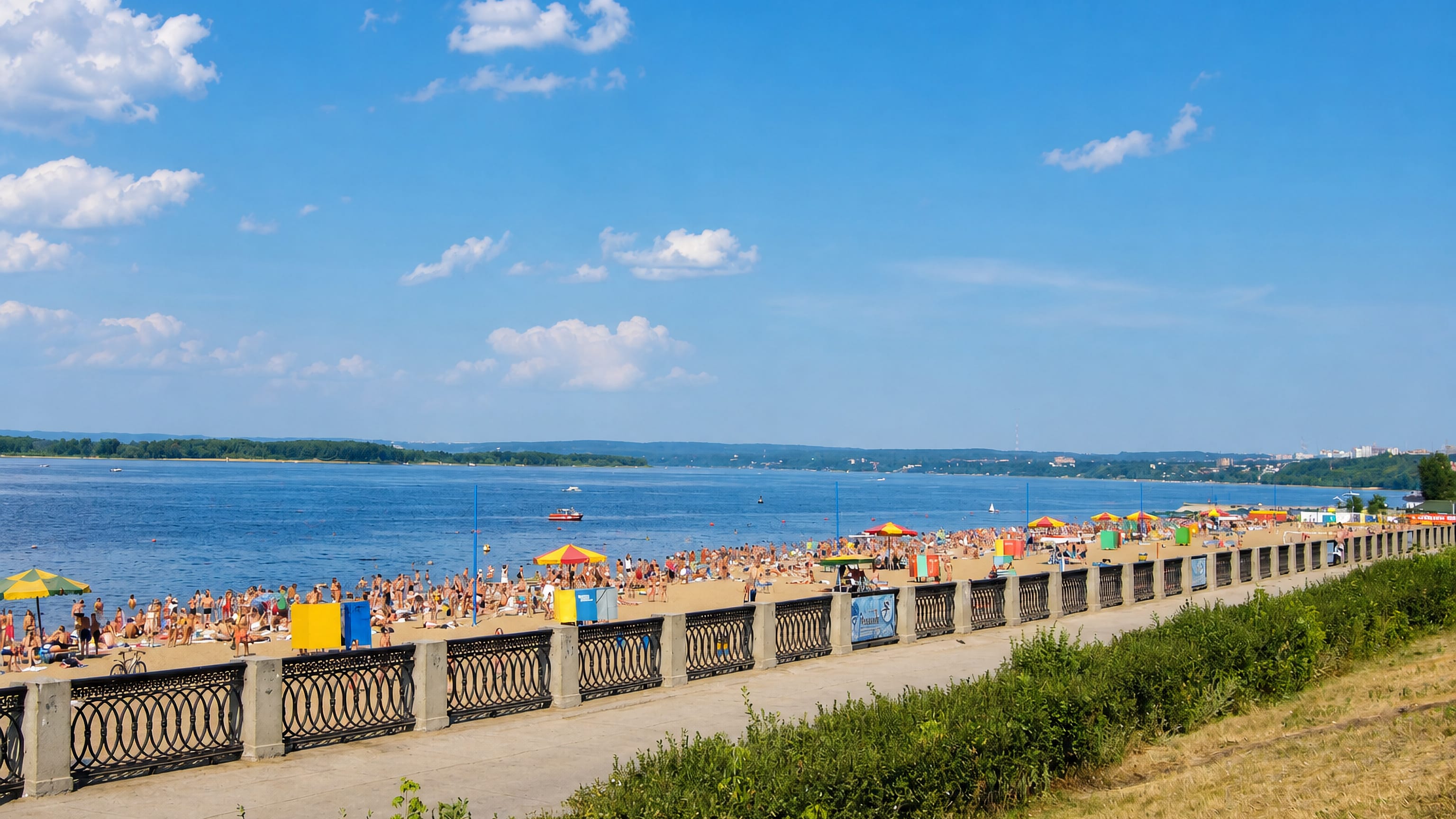
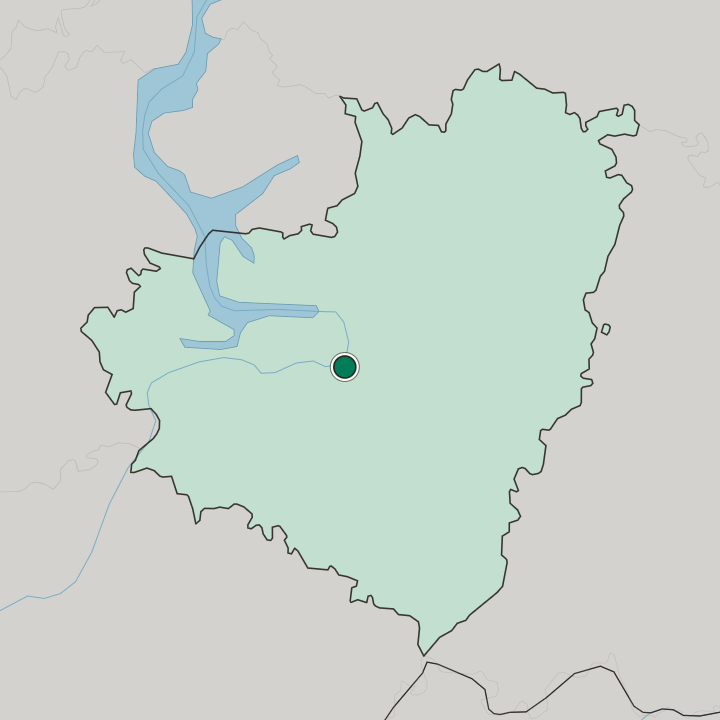
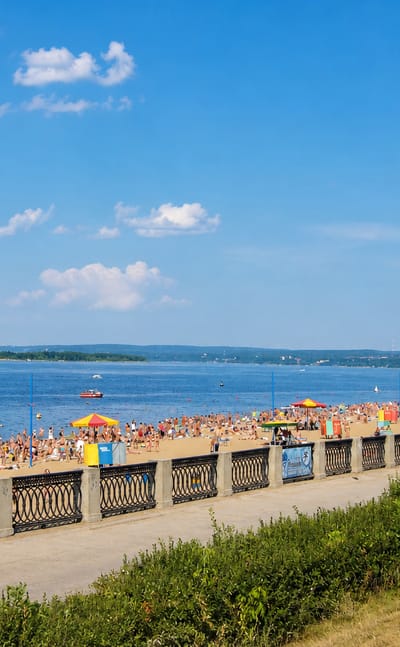
Samara stretches along a great river bend within Samara Oblast, its old town raised on the high bank above the water. The land drops to the shore. Broad promenades and the Monument of Glory look out over the river from the bluff, while the merchant streets and the Samara Art Museum sit back on the higher ground.
Beyond the city the wider region of Samara Oblast opens into wooded hills on one side and open steppe on the other, a meeting of forest and plain around the town.
What is the climate of Samara?
Samara has a continental climate of cold, snowy winters and warm, dry summers. Winter bites hard. Ice and long frost hold the river bank and the promenades below the Monument of Glory for months, while wind sweeps across the open country of Samara Oblast.
Summer turns hot and often dry, drawing crowds to the riverside walks below the merchant streets, before the short autumn tips the town back toward another deep and lasting winter.
How do you get to Samara?
Getting to Samara runs by rail, air, and river across Samara Oblast. Trains reach the centre directly. A grand railway terminal links the city into the national network, an airport serves flights from farther afield, and river craft still call along the waterfront in the warm season.
From each arrival the old merchant core, with the Samara Art Museum and the Sacred Heart Church, lies a short way in among the Art Nouveau streets.
Good for
More cities in Samara Oblast
Updated October 2026