Russia · Smolensk Oblast
Where to Stay in Smolensk, Smolensk Oblast
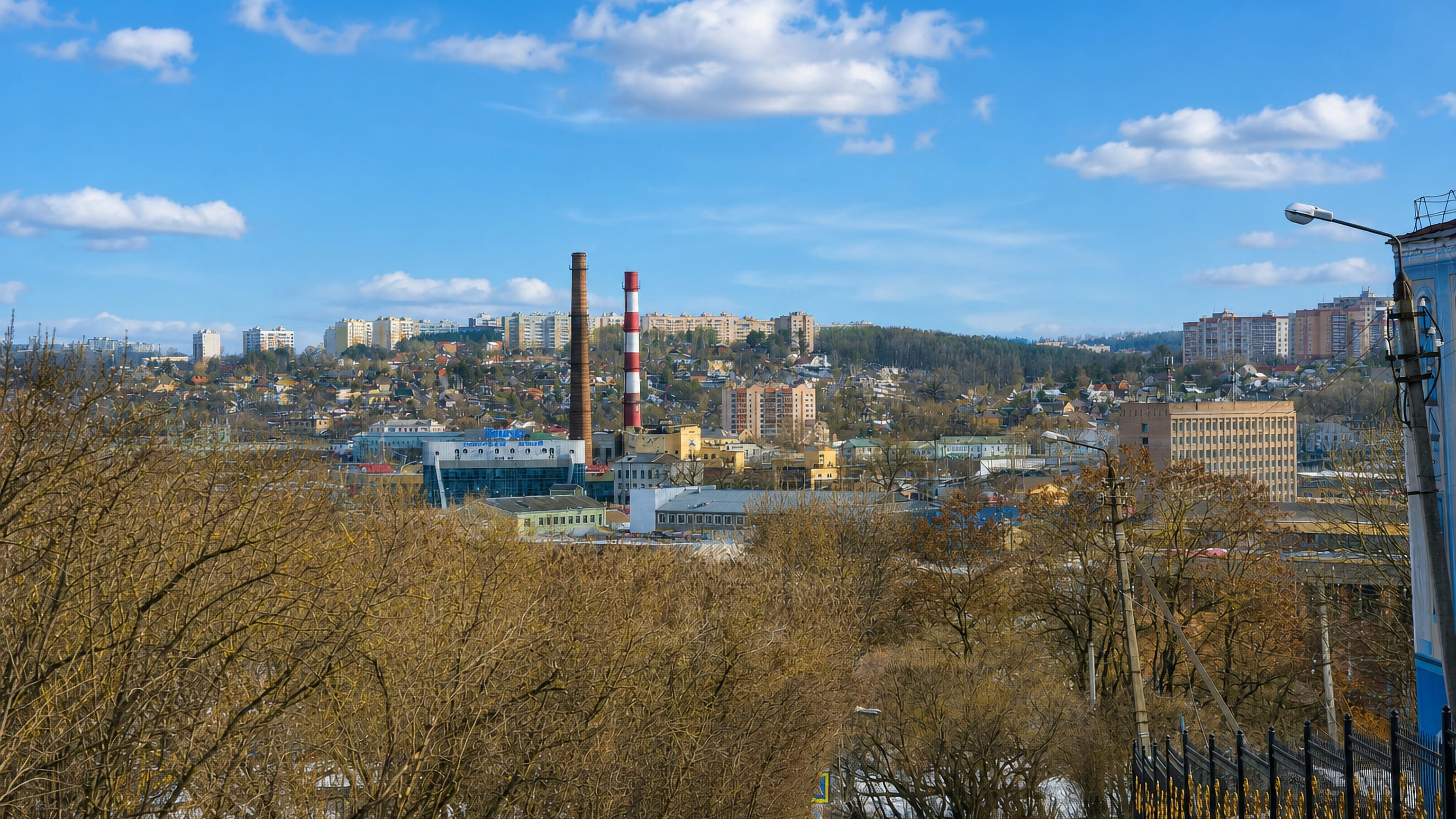
Fortress walls hold the high ground at Smolensk, a city in Smolensk Oblast known for its Assumption Cathedral and the Memorial to the Battle of Smolensk.
Find your area →


Where to stay in Smolensk
Where visitors usually base themselves, and why.
Where you stay in Smolensk turns on how close you want to be to the old town within the fortress walls, where the Assumption Cathedral crowns the ridge. The historic core puts the cathedral, the Smolensk Art Gallery, and the main monuments within a short walk, and much of the city's lodging sits nearby. Start there.
If you prefer quieter streets, look toward the districts below the walls, where the Immaculate Conception Church and the older parish of Saint Peter and Saint Paul stand among ordinary residential blocks. Ground around the war memorials draws a different traveller. Near the Museum of the Great Patriotic War and the Memorial to the Battle of Smolensk, the setting leans commemorative rather than lively, and the pace is slower.
Those coming for the churches of Smolensk, from Svirskaya Church to the Borisoglebsky Monastery, will find the older quarters scattered across the slopes, each within reach of the walled centre that ties the whole city together.
Things to do in Smolensk
Ranked by global recognition; descriptions from Wikidata (CC0).
Museums & Galleries
3- Russkaya starina (Smolensk) Heritage
- Museum of the Great Patriotic War in Smolensk Heritage
- Kommunisticheskaya Street 4, Smolensk Heritage
Churches & Religious Sites
8- Assumption Cathedral in Smolensk Heritage
- Immaculate Conception Church, Smolensk Heritage
- Church of Saint Peter and Saint Paul on Gorodyanka Heritage
- Svirskaya Church Heritage
- Borisoglebsky Monastery Heritage
Show 3 more →
- Church of Saint Barbara, Smolensk Heritage
- St. George's church Heritage
- Храм в честь Благовещения Пресвятой Богородицы (Смоленск) Heritage
Castles & Historic Sites
8- Statue of Tvardovsky and Terkin Heritage
- Monument "From the Grateful Russia to the Heroes of 1812" Heritage
- Memorial to the Battle of Smolensk Heritage
- Mikhail Glinka Monument Heritage
- Fyodor Kon monument in Smolensk Heritage
Show 3 more →
- Mikhail Kutuzov monument in Smolensk Heritage
- Mikhail Mikeshin monument in Smolensk Heritage
- Monument to Sofijsky regiment in Smolensk Heritage
Landmarks & Notable Places
1- House of Soviets, Smolensk Heritage
worth knowingacross 4 categories in Smolensk
About Smolensk
What is Smolensk known for?
Smolensk is known above all for its ring of fortress walls and the green-domed Assumption Cathedral that rises over the old town. It guards a frontier. The city carries the weight of centuries of siege and defence, and its monuments read like a record of that struggle, from the Fyodor Kon monument to the great Memorial to the Battle of Smolensk.
Music lives here too, tied to the Mikhail Glinka Monument, while the Museum of the Great Patriotic War keeps the memory of a harder century.
What are the main landmarks in Smolensk?
The main landmarks of Smolensk gather around its fortress walls and the churches inside them. The Assumption Cathedral dominates. Nearby stand the Smolensk Art Gallery and a string of medieval churches, among them Svirskaya Church, the Church of Saint Peter and Saint Paul, and the Borisoglebsky Monastery.
Monuments thread the streets between, from the Fyodor Kon monument honouring the wall's builder to the Mikhail Kutuzov monument and the Memorial to the Battle of Smolensk.
What is the history of Smolensk?
Smolensk was founded in 863, one of the oldest towns of the Russian lands and a fortress on the western approaches. Its position made it a prize. For centuries the town changed hands between rival powers, and each set of rulers left a mark on its churches and walls, so its early past reads as a long contest over a single defensible hill.
The great brick fortress raised by Fyodor Kon at the close of the sixteenth century turned Smolensk into one of the strongest strongholds of the region, and the Fyodor Kon monument still honours its builder. War returned again and again. The Memorial to the Battle of Smolensk and the monument From the Grateful Russia to the Heroes of 1812 mark the fighting that swept through when Napoleon's armies passed this way.
A harder trial came in the twentieth century, remembered now in the Museum of the Great Patriotic War, when the city stood on the road to the interior once more.
Where is Smolensk?
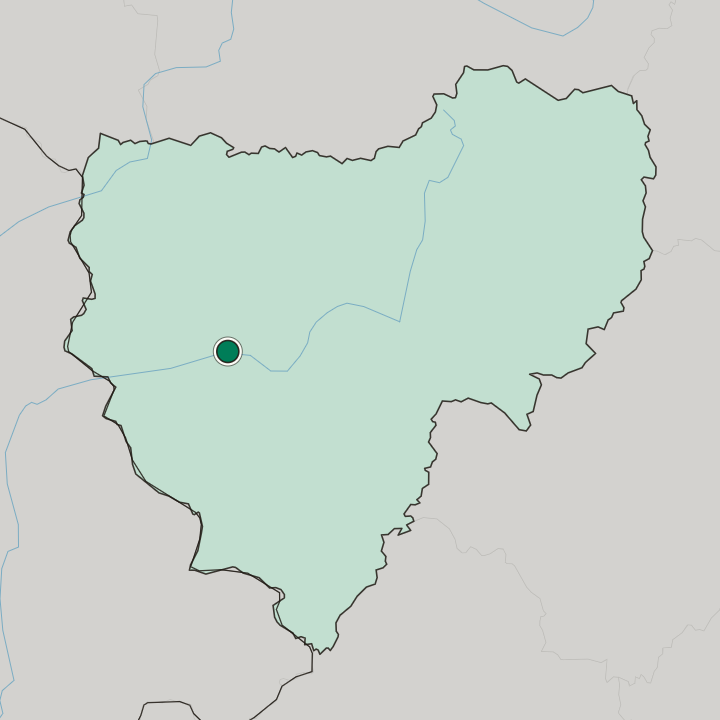
Smolensk sits on high, broken ground within Smolensk Oblast, its old town raised on a ridge above lower districts. The land shapes the city. Steep slopes carry the fortress walls up and down the hillsides, so the Assumption Cathedral stands well above the streets that spread below it.
Around the walled core the built-up ground falls away toward gentler country, and the older churches, from Svirskaya Church to the Borisoglebsky Monastery, mark points across those slopes.
What is the climate of Smolensk?
Smolensk has a cold, continental climate of long winters and warm, short summers. Snow settles for months. The fortress walls and the Assumption Cathedral stand through a season of hard frost and grey skies, when the ridges above the city hold the cold.
Summer brings a brief green warmth to the slopes around Smolensk Oblast, with longer daylight and frequent rain, before the year turns quickly back toward the deep cold that marks the wider region.
How do you get to Smolensk?
Getting to Smolensk runs mainly by rail and road along the historic corridor that the city has always guarded. Trains reach it directly. The station links Smolensk into the wider network of Smolensk Oblast and beyond, and a main highway follows the same overland route past the fortress walls.
From either arrival point the walled old town and the Assumption Cathedral lie a short way off, high on their ridge above the approaches.
Good for
More cities in Smolensk Oblast
Updated October 2026