Russia
Smolensk Oblast, Russia — Towns & Travel Guide
Smolensk Oblast is a region of western Russia on the road to Belarus, built around the old fortress city of Smolensk on the Dnieper.
Find your area →


Towns & cities in Smolensk Oblast
Pick a town or city — each links to where to stay.
 Russia
Smolensk
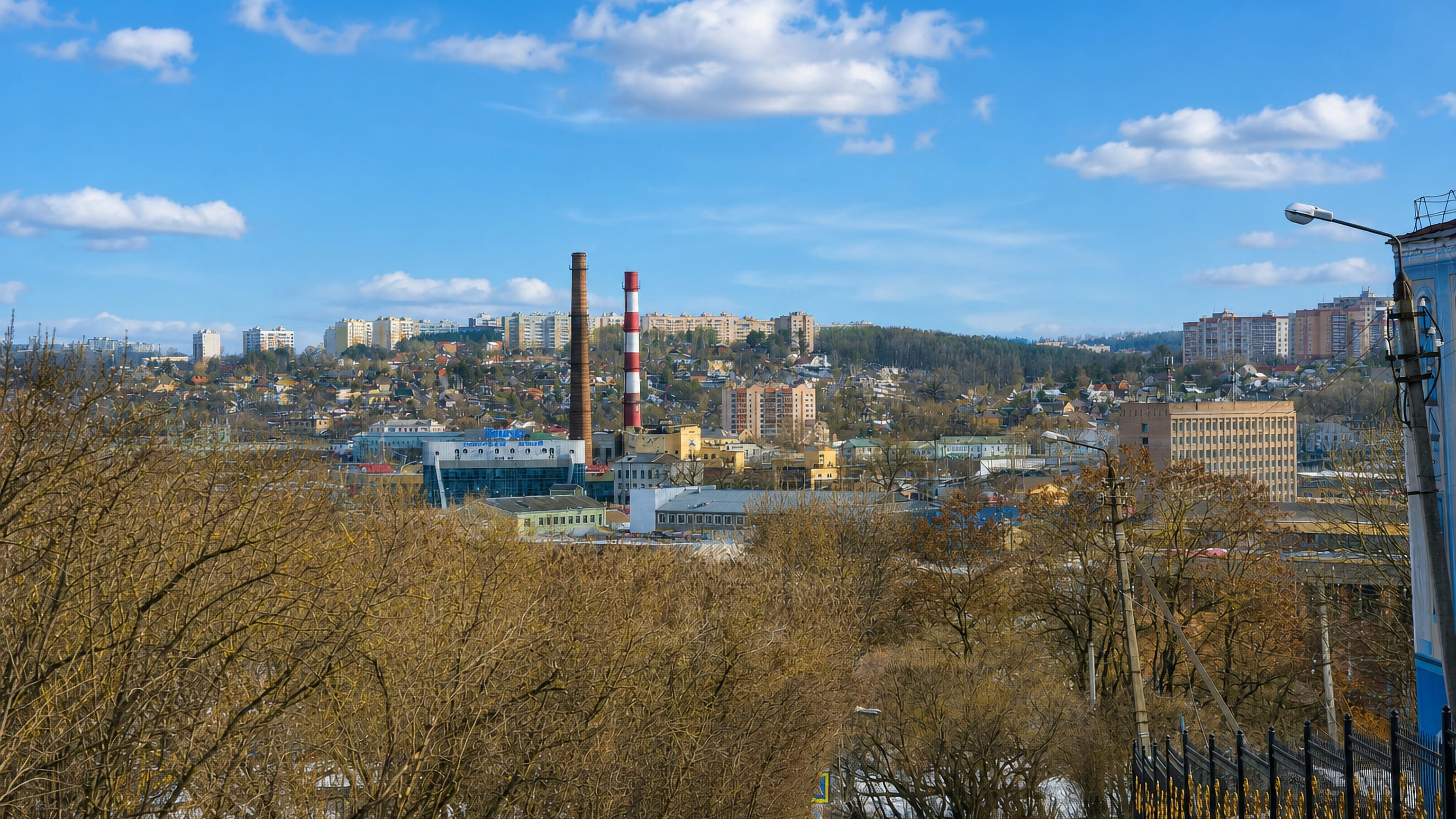
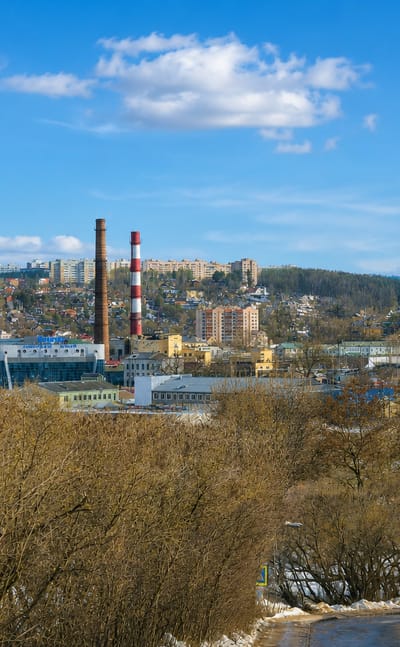
Fortress walls hold the high ground at Smolensk, a city in Smolensk Oblast known for its Assumption Cathedral and the Memorial to the Battle of Smolensk.Where to stay →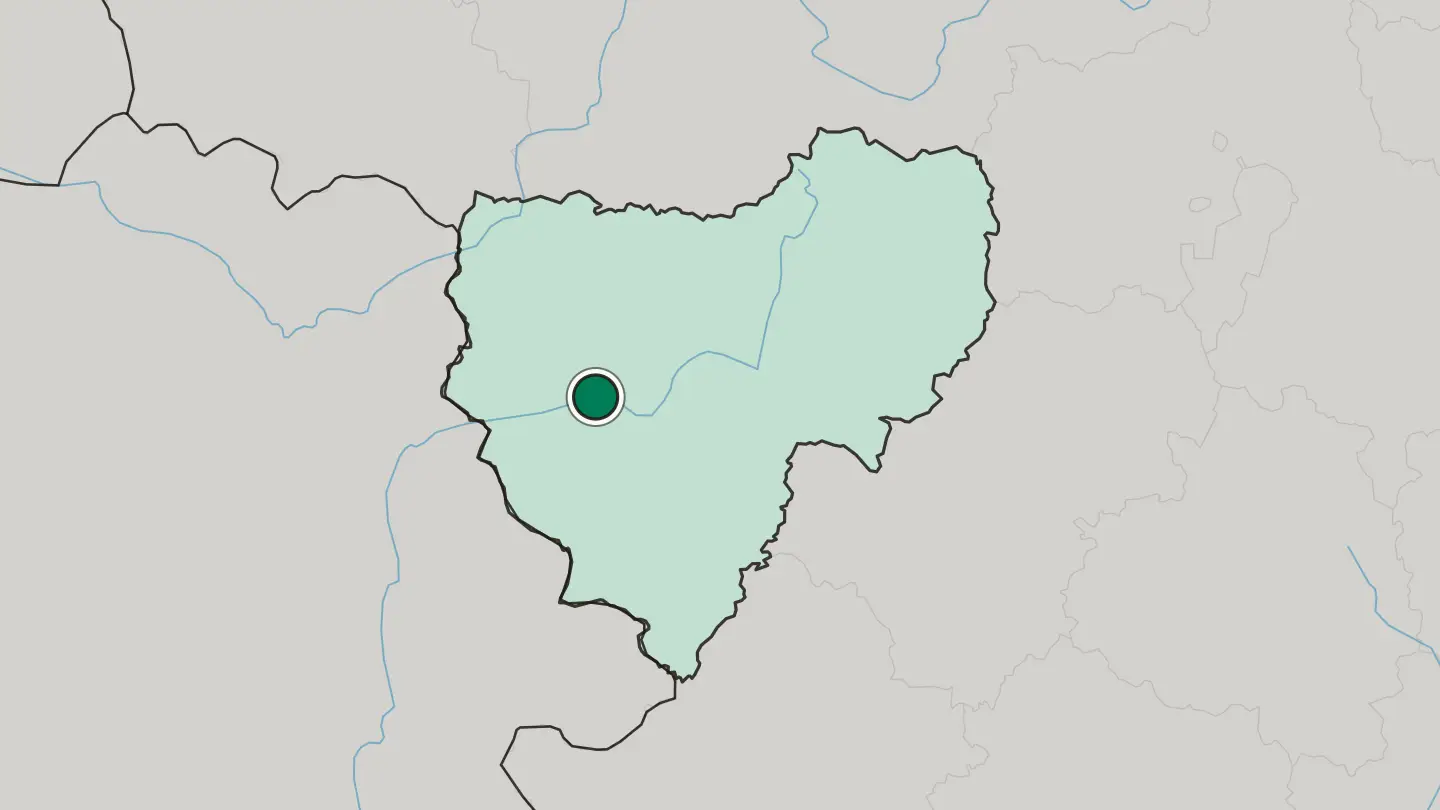
 Russia
Roslavl’
Roslavl is a market town of Smolensk Oblast and the centre of Roslavlsky District, a road and rail junction founded in 1137.Where to stay →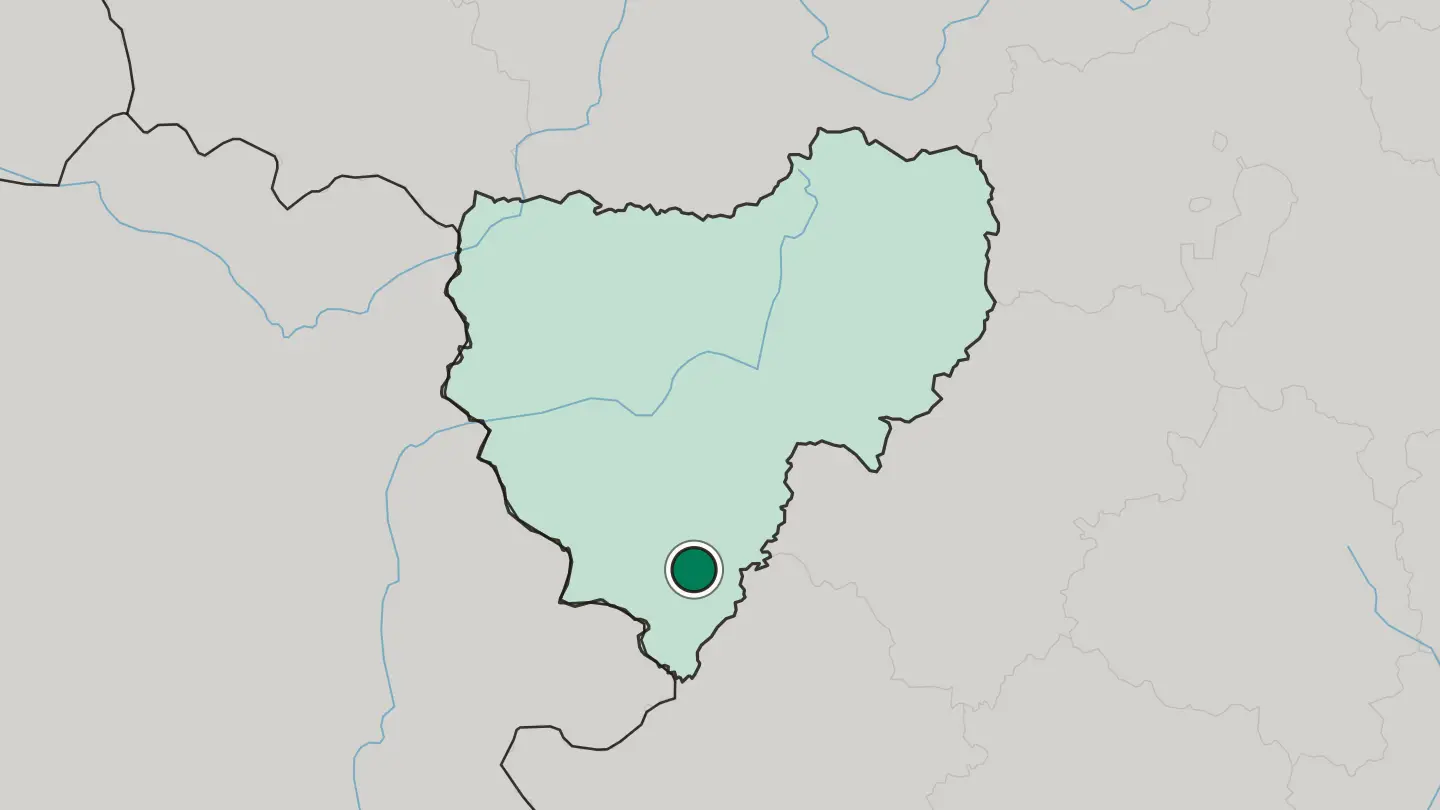
 Russia
Vyaz’ma
Vyaz'ma stands on the Vyazma River in Smolensk Oblast, halfway between Smolensk and Mozhaysk on the western approaches to Moscow.Where to stay →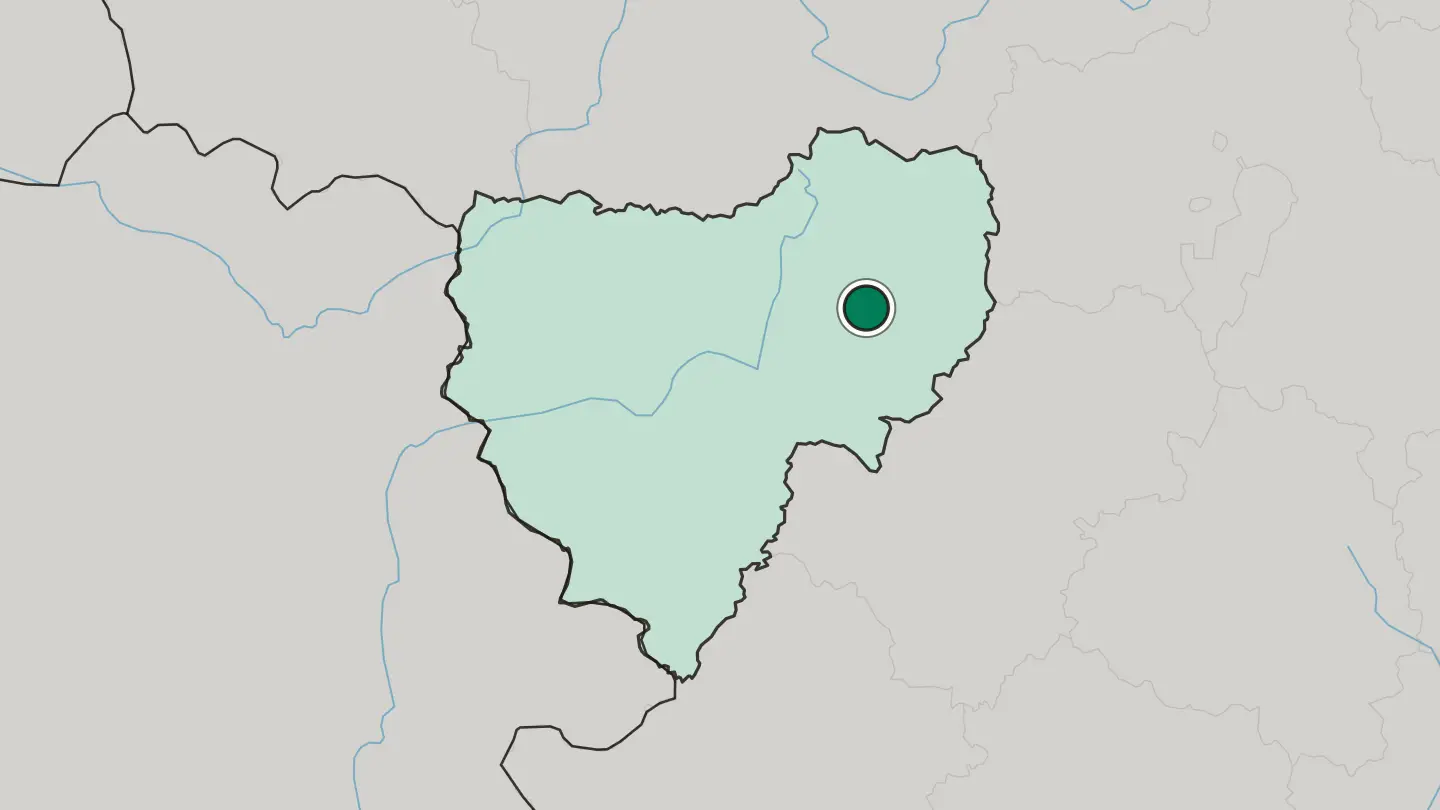 Russia
Yartsevo
Yartsevo stands on the Vop River, the administrative centre of Yartsevsky District in Smolensk Oblast.Where to stay →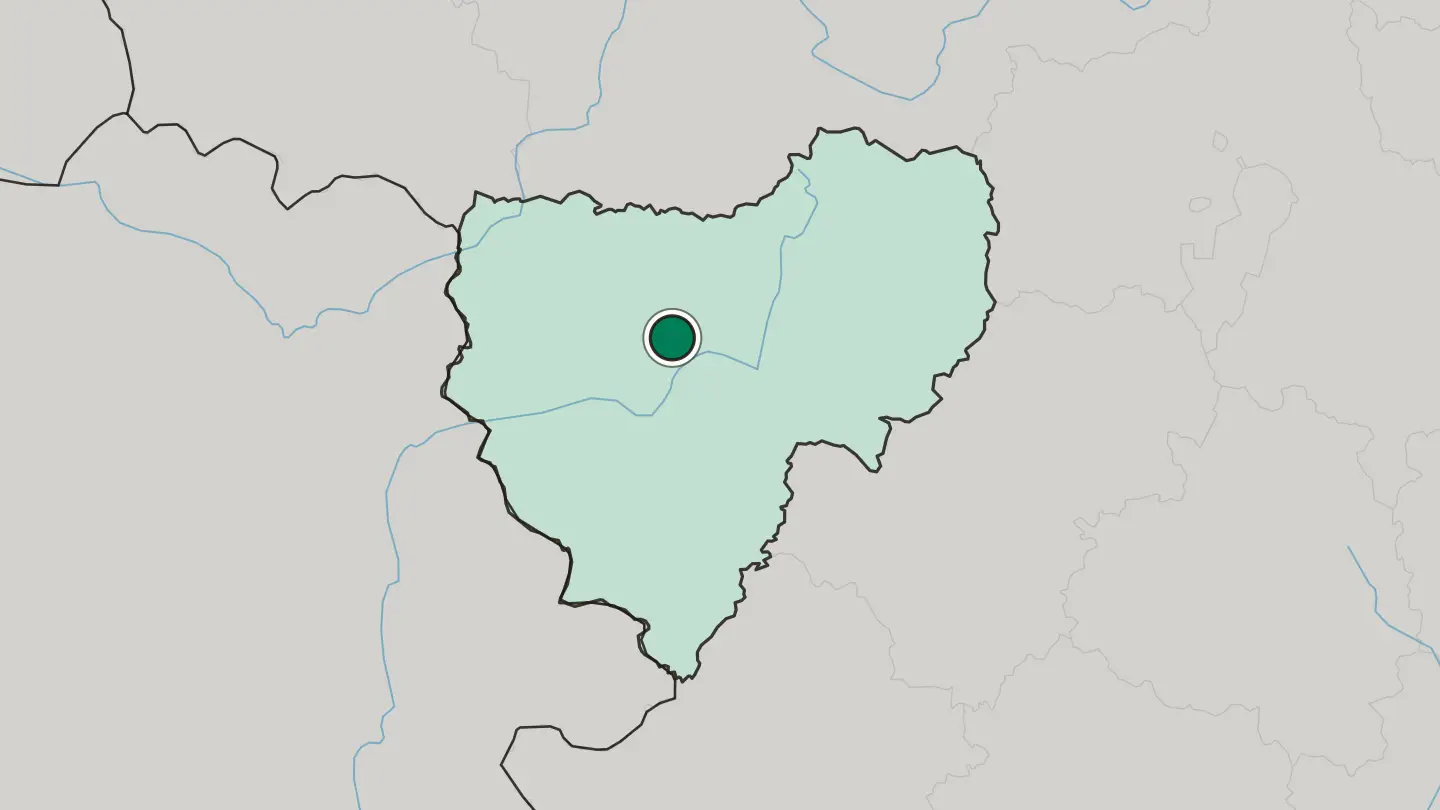
About Smolensk Oblast
Smolensk is the reason to come.
What is Smolensk Oblast known for?
The city guards a river crossing on the old road between Moscow and the west, and its stone fortress wall still rings the historic centre above the Dnieper. This is a borderland with Belarus, fought over for a thousand years and marked by it. The region also claims Yuri Gagarin, the first person in space, born in a village near the town that now carries his name.
Forests, lakes and quiet country towns fill the land between.
Where is Smolensk Oblast?
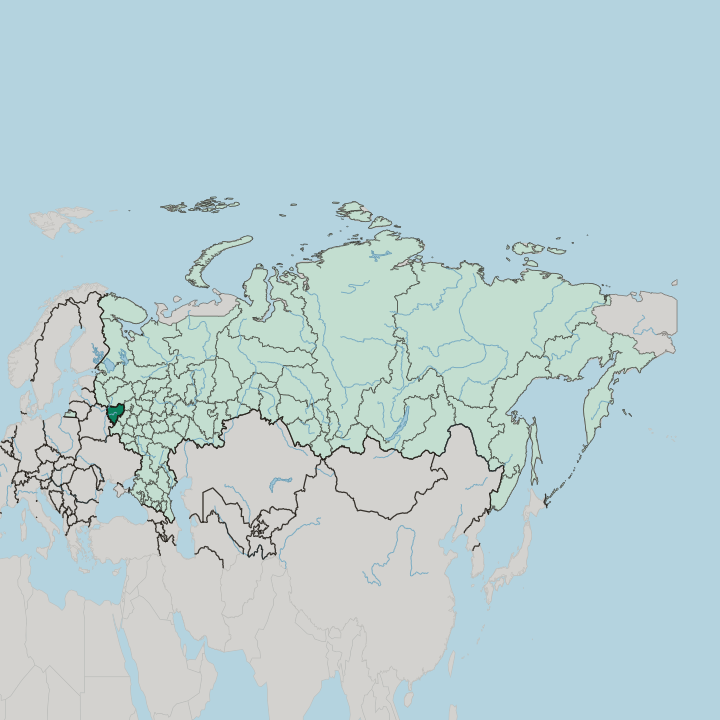
Smolensk Oblast lies in western Russia, on the country's edge with Belarus. It fills the upper basin of the Dnieper, the great river that rises here in the sedge bogs of the Valdai Hills before running south through Belarus and Ukraine to the Black Sea. Smolensk, the capital, stands on that river some 360 kilometres west-southwest of Moscow, near the head of its course.
The land is low and rolling. Woods, small lakes and slow rivers cover much of it, part of the belt of mixed forest that stretches across this corner of the continent. To the west and northwest the region meets the Vitebsk and Mogilev provinces of Belarus.
Pskov Oblast lies to the north, Tver Oblast to the northeast, Moscow Oblast to the east, Kaluga Oblast to the southeast, and Bryansk Oblast to the southwest. For centuries this ground has been the western gate of Moscow, the last Russian province before the frontier. Armies marching on the capital from the west have almost always come through it.
The Dnieper is the thread that ties the region together. It gives Smolensk its site, its crossing and its old strategic weight, and the towns of the oblast are scattered across its watershed and those of its tributaries.
What is Smolensk Oblast like?
Smolensk wears its past on the surface. The fortress wall, the churches and the war memorials are the first thing a visitor notices, and they set the tone for the whole region. This is old Russian ground, one of the earliest towns of the medieval Rus, and the sense of age is everywhere in Smolensk itself.
The oblast is also proud of the people it gave the country. Mikhail Glinka, the composer often called the father of Russian classical music, came from an estate in the region, and the countryside around his birthplace keeps his memory. Yuri Gagarin was born in a village here too, and the town of Gagarin has become a place of pilgrimage for the story of Soviet spaceflight.
War runs through the culture as deeply as music does. The land was fought over savagely in the twentieth century, and the Katyn forest west of Smolensk holds the graves of thousands of Polish officers killed in 1940. Memorials and military cemeteries stand across the region.
Between the monuments the daily life is that of provincial Russia. Russian is the language, and the rhythm is unhurried. Markets, old brick churches and river embankments fill the towns, and the forests and lakes draw people out at weekends.
What is the history of Smolensk Oblast?
Smolensk is old. Named in the chronicles by the year 863, it grew rich as a station on the river trade route from the Baltic to the Black Sea, then spent centuries torn between Moscow and Lithuania and Poland to the west. Its great stone fortress wall went up between 1595 and 1602, under Boris Godunov, to hold that western frontier.
The modern oblast was drawn up in 1937. Napoleon's army and later Hitler's both fought their way through here on the road to Moscow, and the fighting left deep scars across the land.
What is the climate of Smolensk Oblast?
The oblast has a moderately continental climate, softened a little by its position toward the western edge of Russia. July is mild, usually near the high teens in Celsius, and the woods and lakes make summer the season to visit. Winter dominates.
January sits well below freezing, snow lies for months, and the Dnieper and the smaller lakes ice over hard. Rain and snow come through the year rather than in one wet season, and the forests stay damp and green under grey skies for much of it.
How do you get to Smolensk Oblast?
Most people arrive from Moscow. The capital's airports handle the international flights, and from there the fast train out of Belorussky station reaches Smolensk in about four to five hours, running west along the old Moscow-Minsk corridor. The line carries straight on to Minsk in Belarus, so the region sits on a natural through-route rather than at a dead end.
Vyazma and other towns along the way share the same railway. Roads follow the same axis west of Moscow, and buses run the route too.
Common questions
What is the best area to stay in Smolensk Oblast?
Smolensk: the fortress city and the river.
Good for
More regions in Russia
Updated September 2026