Russia · Tambov Oblast
Where to Stay in Tambov, Tambov Oblast
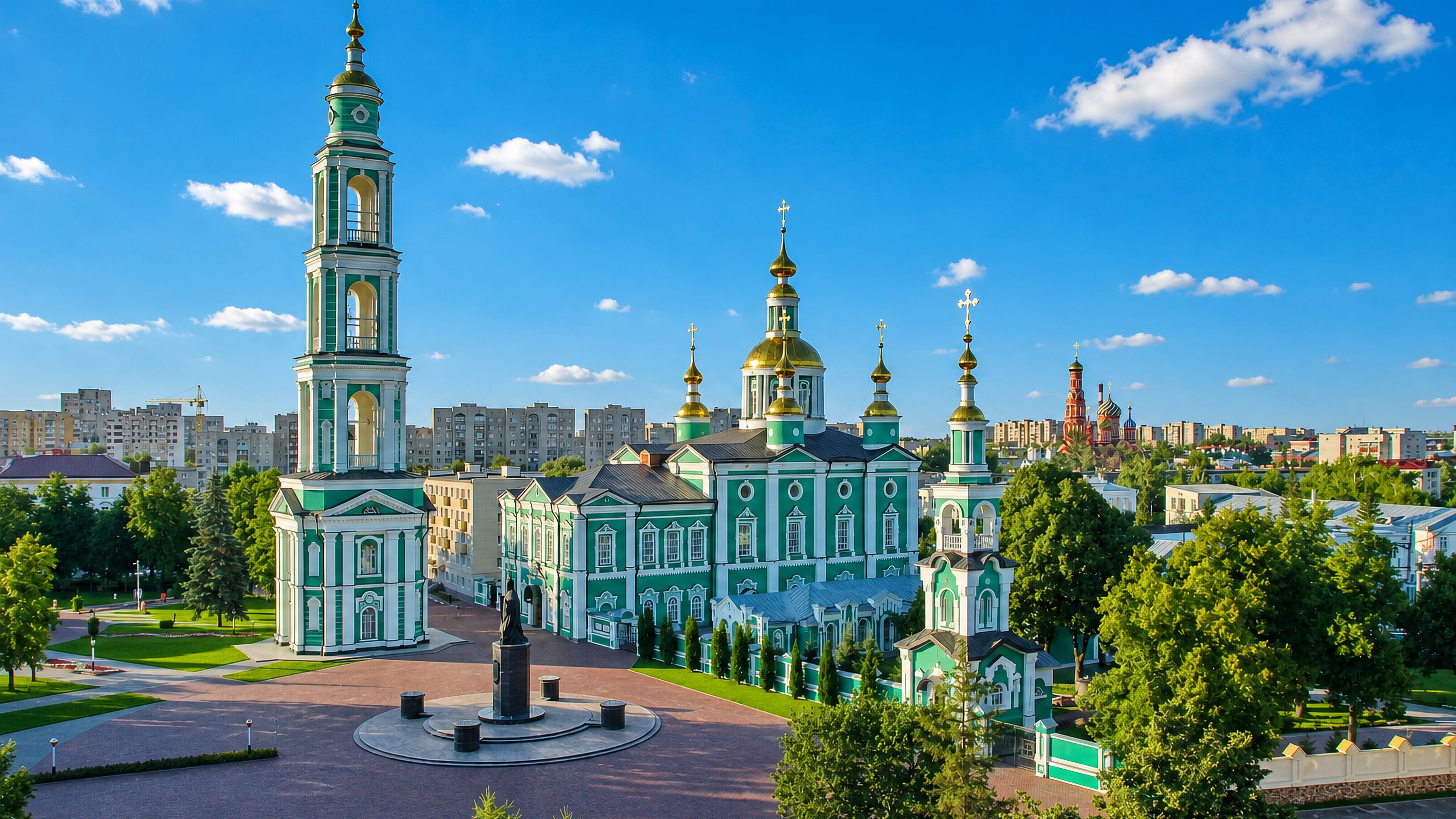
Tambov is a city on the plains of central Russia, seat of Tambov Oblast, its old skyline marked by the Transfiguration Cathedral.
Find your area →


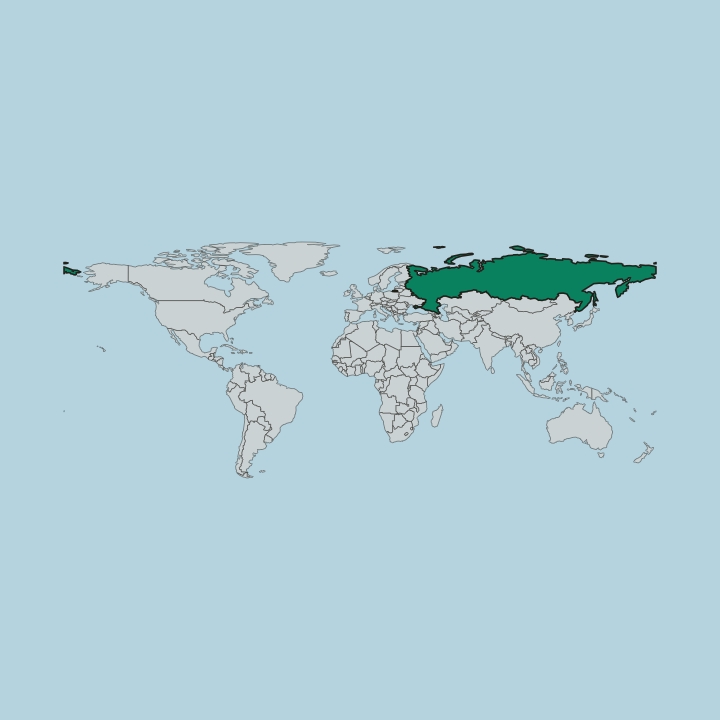
Where to stay in Tambov
The practical side of choosing where to sleep.
Where you stay in Tambov means the old centre, almost always. The heart of the city gathers around the Transfiguration Cathedral and the Tambov Drama Theatre, and rooms here put the cathedrals, the galleries, and the merchant houses within an easy walk. Streets stay quiet after dark.
This is the base for anyone who comes for the churches and the history rather than for business. Beyond the centre, the city thins into residential blocks and the approaches to the station. A room near the railway suits travellers pausing between trains, close to the line but a walk or a ride from the Transfiguration Cathedral and the Aseev House.
The centre holds the interest. If you want the churches and the theatre, stay in the heart of town; if you want the trains, take a room near the station. Either way, Tambov is small enough to cross on foot.
Things to do in Tambov
Ranked by global recognition; descriptions from Wikidata (CC0).
Museums & Galleries
3- Aseev House Heritage
- Tambov Regional Museum of Local Lore Heritage
- Tambov Regional Art Gallery Heritage
Churches & Religious Sites
3- Transfiguration Cathedral (Tambov) Heritage
- Church of the Exaltation of the Holy Cross, Tambov Heritage
- Our Lady of the Joy of All Who Sorrow church, Tambov Heritage
Castles & Historic Sites
3- Church of Our Lady of Kazan Heritage
- Statue of Lenin in Tambov Heritage
- Monument to Zoya Kosmodemyanskaya in Tambov Heritage
Landmarks & Notable Places
8- Monastery of Our Lady of Kazan Heritage
- Tambov I Heritage
- Ascension Monastery in Tambov Heritage
- Tambov Drama Theatre Heritage
- Znamya Truda House of Culture Heritage
Show 3 more →
- Satin's House, Tambov Heritage
- Skazka cafe, Tambov Heritage
- House of Sergeyev-Tsensky, Tambov Heritage
worth knowingacross 4 categories in Tambov
About Tambov
Tambov keeps a provincial calm.
What is Tambov known for?
Long a seat of churches on the Russian plains, the city gathers around the Transfiguration Cathedral and the Ascension Monastery, their domes rising over a grid of low streets. Music runs through it too, and a monument honours the composer Rachmaninov. The past sits close here.
What are the main landmarks in Tambov?
Domes mark the skyline of Tambov. The Transfiguration Cathedral stands at the heart of the old town, with the Ascension Monastery and the Monastery of Our Lady of Kazan close by, while the Tambov Regional Art Gallery and the Tambov Regional Museum of Local Lore hold the city's art and its record. Grand houses remain from the merchant age.
The Aseev House and the Tambov Drama Theatre carry that later century into the streets.
What is the history of Tambov?
Tambov dates to 1636. It rose on the open southern edge of old Russia, a strongpoint against raiders from the steppe, and the churches came soon after the walls. The Transfiguration Cathedral has stood at the centre ever since, joined over the years by the Ascension Monastery and the Monastery of Our Lady of Kazan, a skyline of domes above the river town.
Trade followed the garrison, drawing farmers and merchants to the market on the plain. Names from the wider country pass through its story. The poet Derzhavin governed here, and a university institute still carries his name; the composer Rachmaninov stayed nearby, remembered by a monument in the streets.
Grand houses survive from the merchant years, the Aseev House chief among them. War left its mark as well, and a memorial to Zoya Kosmodemyanskaya keeps the memory of the fight against invasion. The Tambov Regional Museum of Local Lore gathers the threads of that long history.
The old town wears all of it lightly.
Where is Tambov?
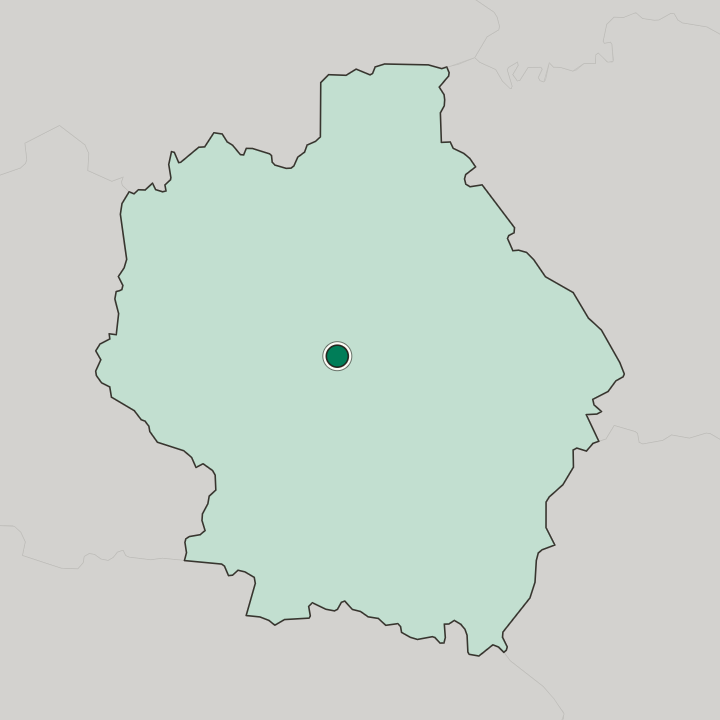
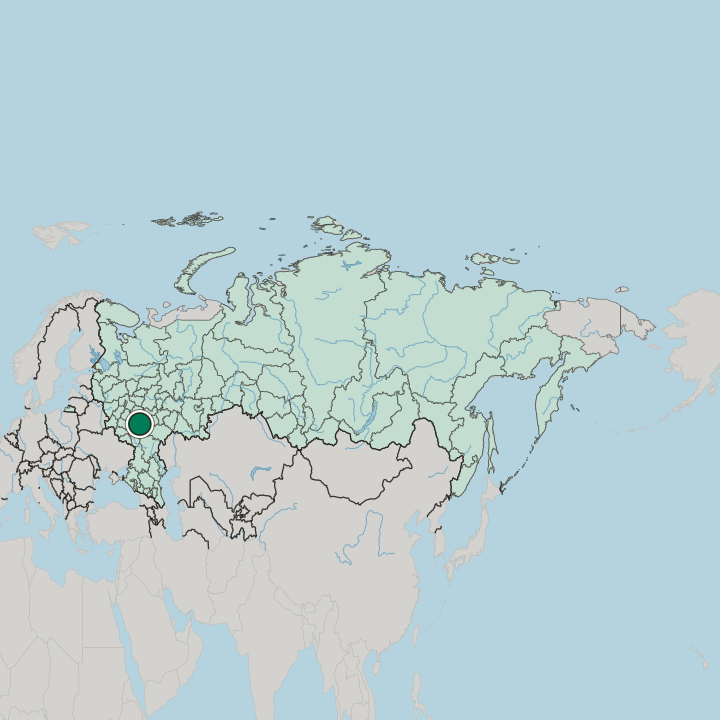
Flat country runs to every horizon. Tambov stands on the plains of central Russia, spread along a river that winds north through open farmland, with no hill to break the view. Winters bite hard here.
The land shapes the whole city.
What is the climate of Tambov?
Tambov knows a hard continental year. Deep in the interior, far from any sea, the city swings from long freezing winters to short warm summers, and the cold settles in for months at a stretch. Snow lies thick from autumn to spring.
The plains give the weather nowhere to hide.
How do you get to Tambov?
Rail runs north from Tambov. The line climbs toward the distant capital and drops south into the farm country, and the station has anchored the city's links since the railway age. Roads cross the surrounding plain.
Most travellers arrive overland, by train or by highway, across the wide flat country of the interior.
Good for
Another city in Tambov Oblast
Updated October 2026