Russia
Tambov Oblast, Russia — Towns & Travel Guide
Tambov Oblast is Russia's black-earth heartland, a forest-steppe plain of chernozem fields and slow rivers south-east of Moscow.
Find your area →


Towns & cities in Tambov Oblast
Pick a town or city — each links to where to stay.

 Russia
Tambov
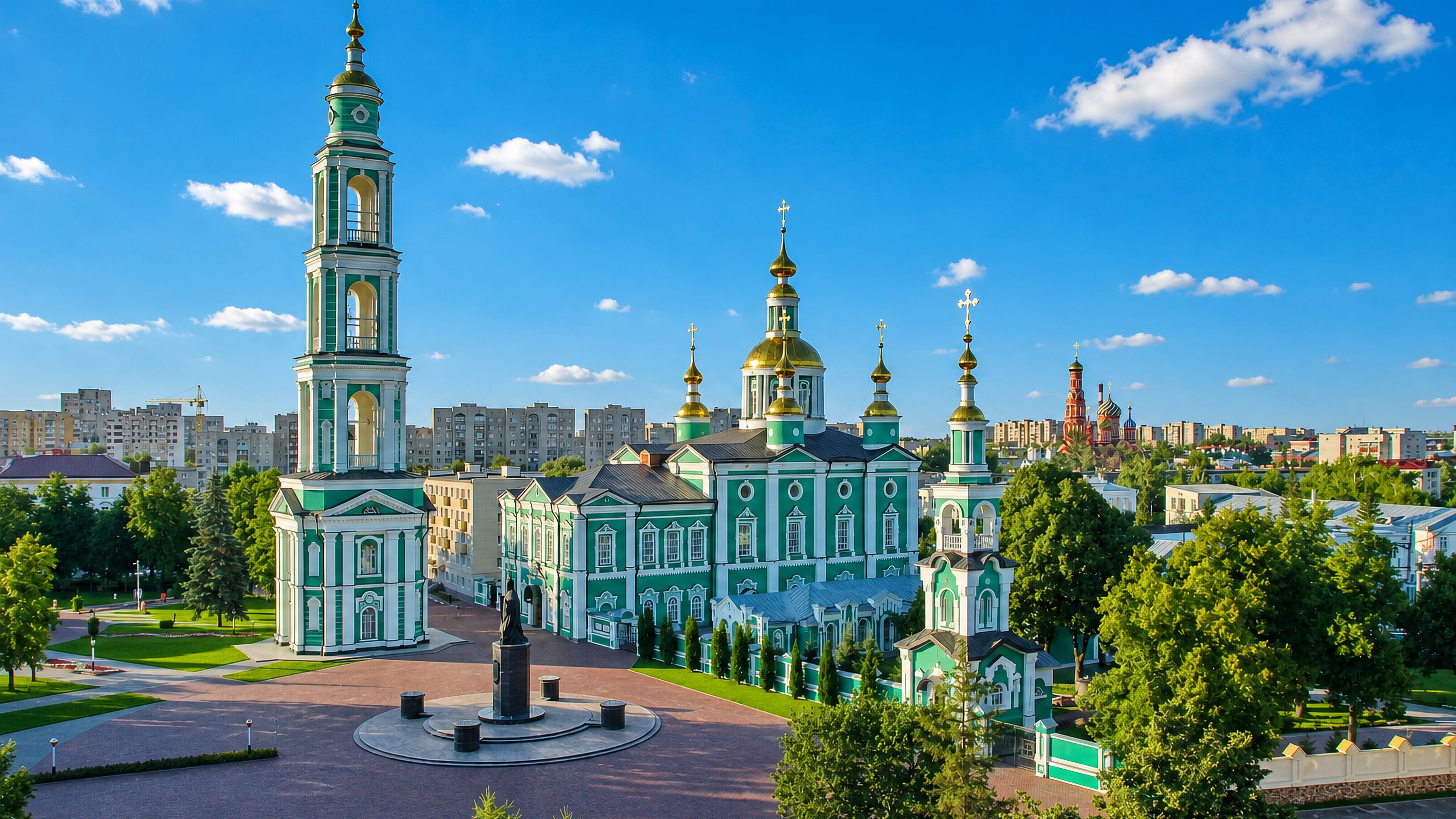
Tambov is a city on the plains of central Russia, seat of Tambov Oblast, its old skyline marked by the Transfiguration Cathedral.Where to stay →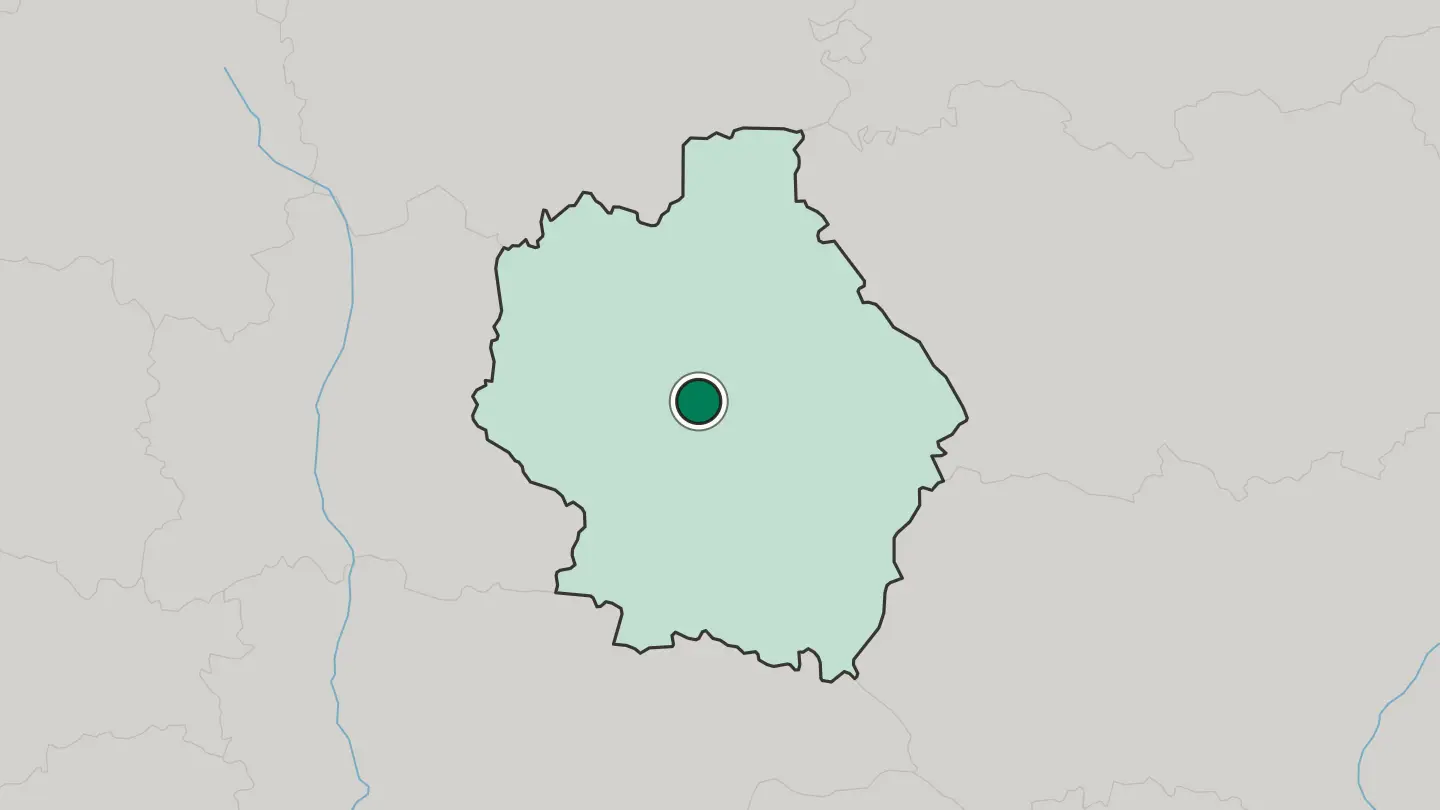
 Russia
Michurinsk
Michurinsk is the second town of Tambov Oblast, founded in 1635 as Козлов, with Bogolyubovo churches, Gerasimov House and Michurin's plant nursery.Where to stay →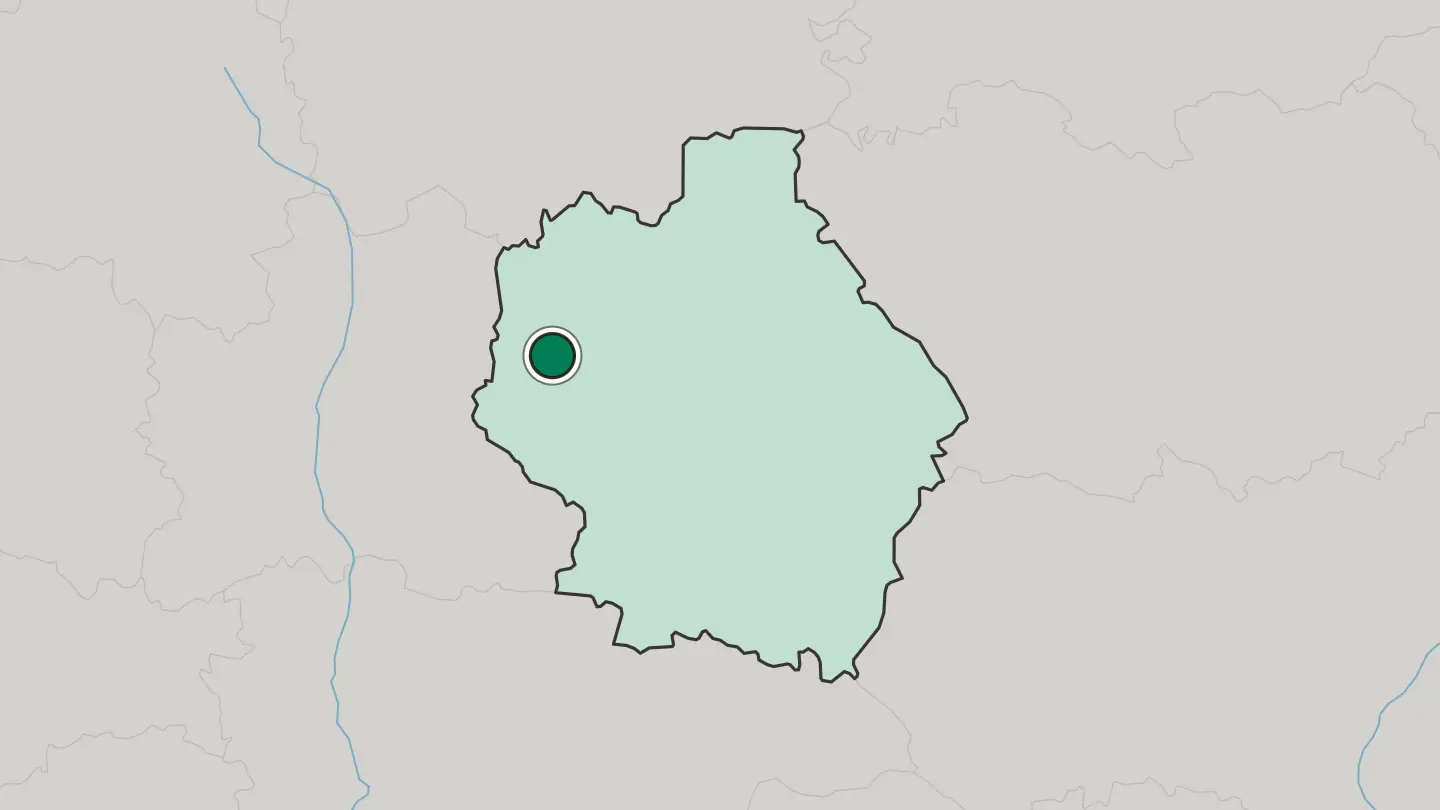
About Tambov Oblast
Tambov Oblast is farm country.
What is Tambov Oblast known for?
It sits in the heart of Russia's Black Earth Region, where deep chernozem soil feeds grain, sugar beet and sunflower across a gently rolling forest steppe. The Tsna river threads north through the capital at Tambov and on past the market town of Morshansk toward the Moksha. Sergei Rachmaninoff spent his most productive summers on the Ivanovka estate here, composing among the surrounding fields, and the restored house draws musicians to the countryside east of the oblast each year.
Where is Tambov Oblast?
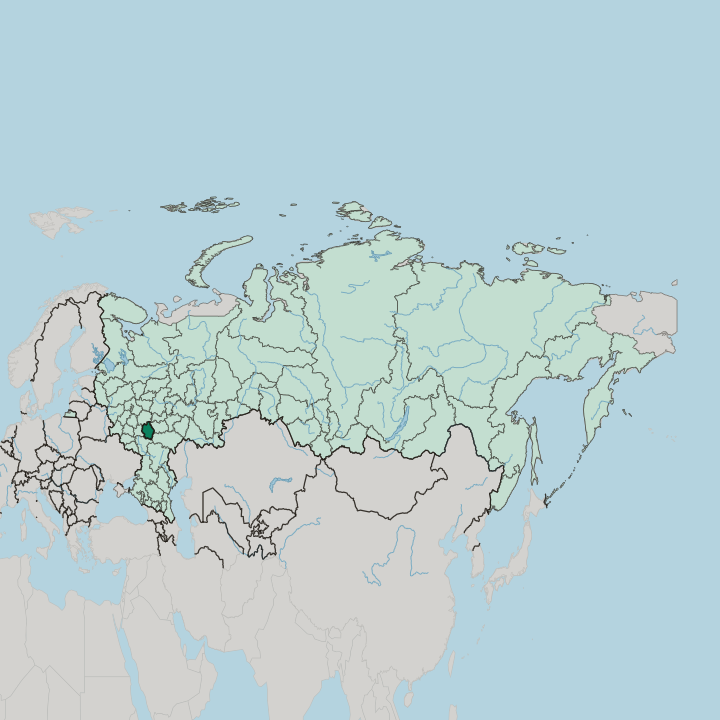
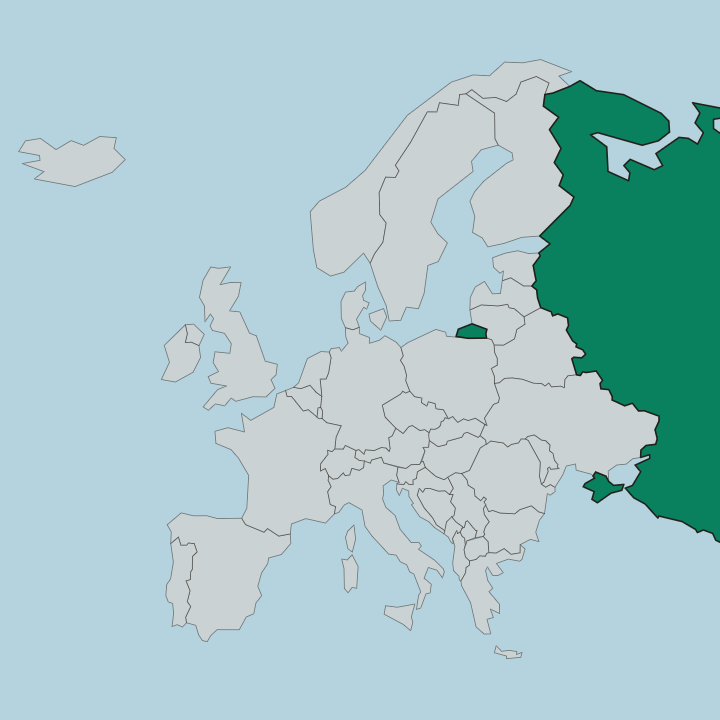
Tambov Oblast lies in the forest-steppe of European Russia, roughly 260 miles south-east of Moscow. It is a low, level plain. The land tilts gently across the drainage divide between the Oka and the Don, without a mountain or a real hill to break it.
Ryazan borders it to the north, Lipetsk and Voronezh to the west and south, and Penza and Saratov close it off to the east. Rivers do most of the shaping here. The Tsna rises in the south and runs north through the capital at Tambov and the town of Morshansk before joining the Moksha in the Volga basin.
To the south-east the Vorona drains the other way, toward the Khopyor and the Don. Between the watercourses stretches the thing the region is built on: chernozem, the deep black earth that covers the great bulk of its farmland and made this one of the most fertile corners of Russia. Woodland survives in patches along the river valleys.
The rest is open, cultivated steppe as far as the eye reaches. That flat, fertile ground is the whole geography of the place.
What is Tambov Oblast like?
Tambov Oblast wears its farming and its faith openly. This is provincial Russia at its most Orthodox, the region reporting the highest share of Russian Orthodox adherents in the whole country, and church domes still mark the skyline of every town. The Kazan Monastery in the capital and the tall belltower rebuilt beside the Transfiguration Cathedral anchor that religious life.
Music gives the oblast its other identity. Sergei Rachmaninoff summered at the Satin family's Ivanovka estate from the 1890s until the revolution, and much of his early work took shape in that quiet countryside; the restored estate, now a museum-reserve, holds festivals and piano competitions among the same fields. Grain and beet still set the rhythm of daily life.
The name Tambov also carries a hard historical weight, from the peasant war that convulsed the province after the revolution. Michurinsk gives the region a scientific streak, its fruit-breeding institutes carrying on the work of Ivan Michurin. Folk craft, church music and the agronomist's orchard sit oddly together here, but together they are the culture of the black earth.
Russian is the shared language throughout.
What is the history of Tambov Oblast?
The story begins with a stockade. Tambov was raised in 1636 as a wooden fortress on the Belgorod defensive line, guarding the settled Black Earth lands against raids from the steppe, and the older fort at Kozlov had gone up a year earlier in 1635. Once the frontier moved south the forts became market towns, growing fat on grain and wool.
The province suffered badly in 1920, when a peasant revolt against Bolshevik grain requisitioning tore through the countryside before it was crushed. The oblast in its modern borders was carved out in 1937.
What is the climate of Tambov Oblast?
Tambov Oblast has a humid continental climate, with the long cold winters and warm summers of the Russian interior. Winter bites. Snow lies for months and February sinks well below freezing, while July turns warm and often humid over the open steppe.
Most of the year's rain falls in the warm half, watering the chernozem when the crops need it most, and the far-inland setting means no sea moderates the swing between the seasons. Spring thaw swells the Tsna and the region's smaller rivers.
How do you get to Tambov Oblast?
Most travellers come by rail from Moscow. The line reached Tambov in 1871, and the capital still sits on the network that runs south-east from the capital toward Saratov, while Michurinsk is a busy junction on the Southeastern Railway linking central Russia with the south. Tambov has its own airport at Donskoye for the occasional flight.
Road travel covers the remainder. From Moscow it is a long drive south-east across the plain to reach the black-earth towns.
Common questions
What is the best area to stay in Tambov Oblast?
Tambov: the oblast capital on the Tsna. Michurinsk: the fruit-science town of Kozlov.
Good for
More regions in Russia
Updated September 2026