Russia · Tula Oblast
Where to Stay in Tula, Tula Oblast
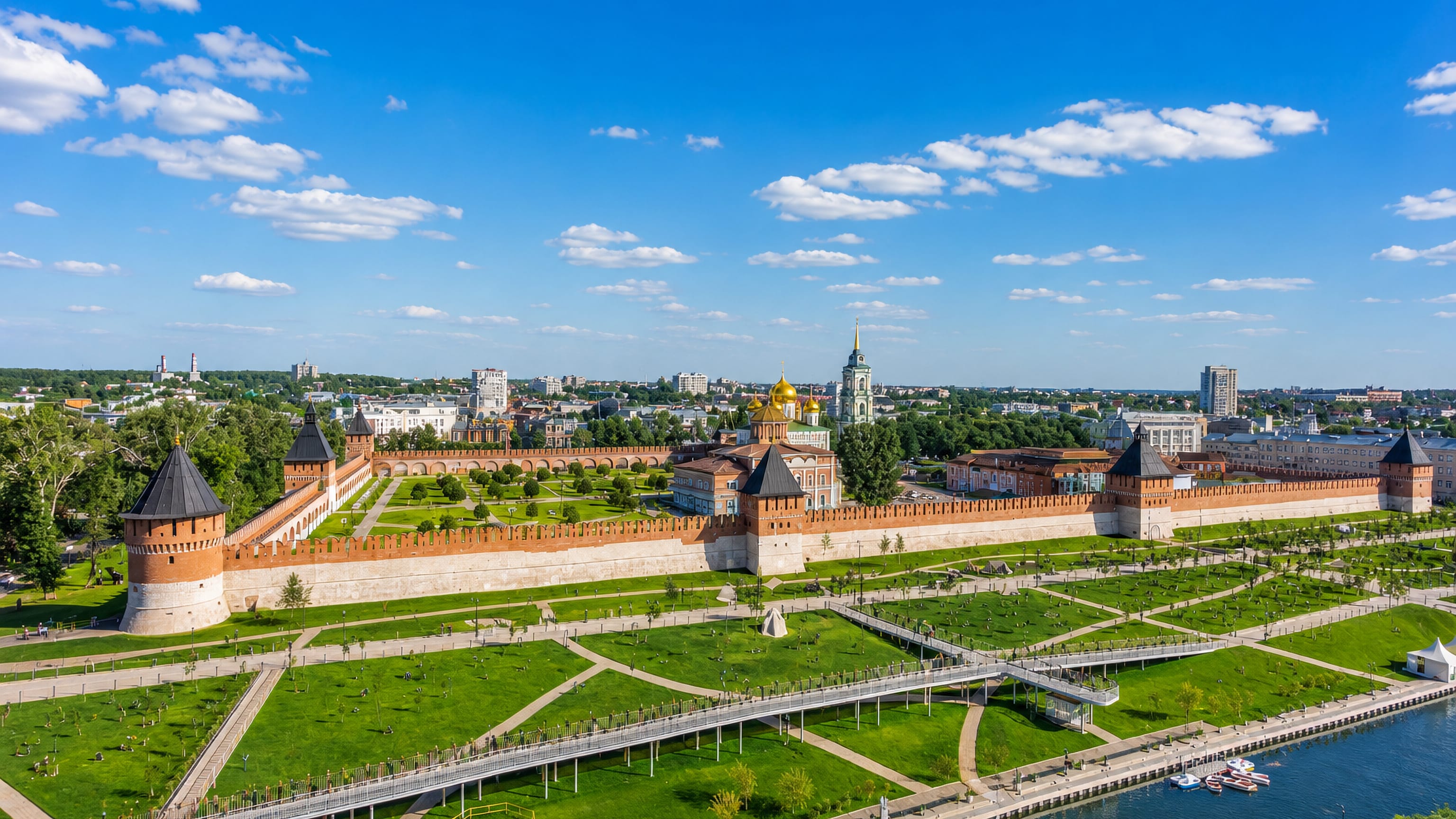
Brick walls ring the Tula Kremlin at the heart of Tula, an old arms city south of Moscow, known for the Tula Arms Plant and its samovars.
Find your area →


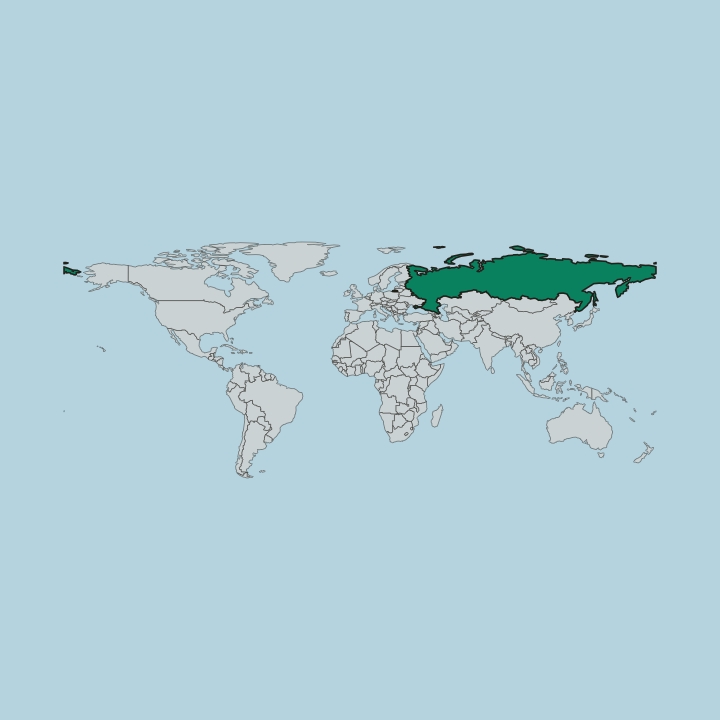
Where to stay in Tula
Where visitors usually base themselves, and why.
Most visitors stay in the centre of Tula, in the streets around the Tula Kremlin and its brick towers. The centre suits walkers, ranging hotels and rooms near the Cathedral of the Dormition, the Tula State Museum of Weapons, and the samovar and gingerbread museums a short stroll from the Kremlin walls. It rewards a slow wander.
Rooms fill through summer and on weekends when day-trippers arrive from Moscow, so booking ahead helps in the warm months around the old town. Beyond the Kremlin quarter the city spreads out toward the arms works and the railway. Guesthouses and larger hotels stand near the station and the main avenues, giving arrivals by train or road a base within reach of the historic core.
Trains from Moscow run often. Some travellers who want a wider choice of hotels base in the capital to the north and make the short run down to Tula for the Kremlin, the samovars, and the pryaniki.
Things to do in Tula
Ranked by global recognition; descriptions from Wikidata (CC0).
Museums & Galleries
3- Tula Pryaniki Museum Heritage
- Tula Oblast Art Museum Heritage
- Veresaev museum, Tula Heritage
Churches & Religious Sites
8- Cathedral of the Dormition of the Theotokos (Tula) Heritage
- Church of the Dormition at the Kremlin (Tula, Russia) Heritage
- All Saints Cathedral Heritage
- St. Peter and St. Paul's Church, Tula Heritage
- Nicholas-Zaretsky Church Heritage
Show 3 more →
- Church of the Epiphany at the Kremlin Heritage
- Saints Peter and Paul Orthodox Church Heritage
- Church of the Transfiguration (Tula) Heritage
Castles & Historic Sites
2- Church of Saints Florus and Laurus (Tula) Heritage
- Монумент тулякам – Героям Советского Союза Heritage
Landmarks & Notable Places
5- Tula Arms Plant Heritage
- Tula Kremlin Heritage
- Lomovsky Gate Heritage
- Luginin House Heritage
- Chulkovskoe Cemetery Heritage
worth knowingacross 4 categories in Tula
About Tula
What is Tula known for?
Tula is known for three crafts: arms, samovars, and gingerbread. Metal made the city. The Tula Arms Plant forged the weapons that gave the town its name in Russian history, the Tula State Museum of Samovar keeps the brass and copper tradition of its coppersmiths, and the Tula Pryaniki Museum celebrates the printed honey gingerbread that carries the city's fame far beyond the walls of the old Tula Kremlin.
What are the main landmarks in Tula?
Tula gathers its landmarks inside and around the Tula Kremlin. Brick towers guard the core. The Cathedral of the Dormition and the Church of the Epiphany stand within the walls, the All Saints Cathedral and the Tula Oblast Art Museum rise among the merchant streets, and the Tula State Museum of Weapons, the Tula Arms Plant, the Tula State Museum of Samovar, and the Tula Pryaniki Museum draw visitors to the crafts that carry the city's name across the country.
What is the history of Tula?
Tula grew around a Kremlin raised to guard the southern approaches to Moscow. The brick fortress anchored a frontier town on the wooded frontier of the Muscovite state, its walls and towers thrown up against raids from the open steppe to the south through the early centuries of settlement. Then the smiths arrived.
Arms-making took hold in the town, and the Tula Arms Plant made the city the armoury of the Russian state. From that iron trade Tula grew a wider craft tradition of samovars and printed gingerbread. Coppersmiths and bakers built the reputation that the Tula State Museum of Samovar and the Tula Pryaniki Museum keep alive, and the churches and mansions of the merchants rose around the Tula Kremlin through the following centuries.
The arms works kept working. The Tula State Museum of Weapons and the surviving walls still tie the modern administrative centre of Tula Oblast to the fortress and gunsmith town that grew below the Kremlin.
Where is Tula?
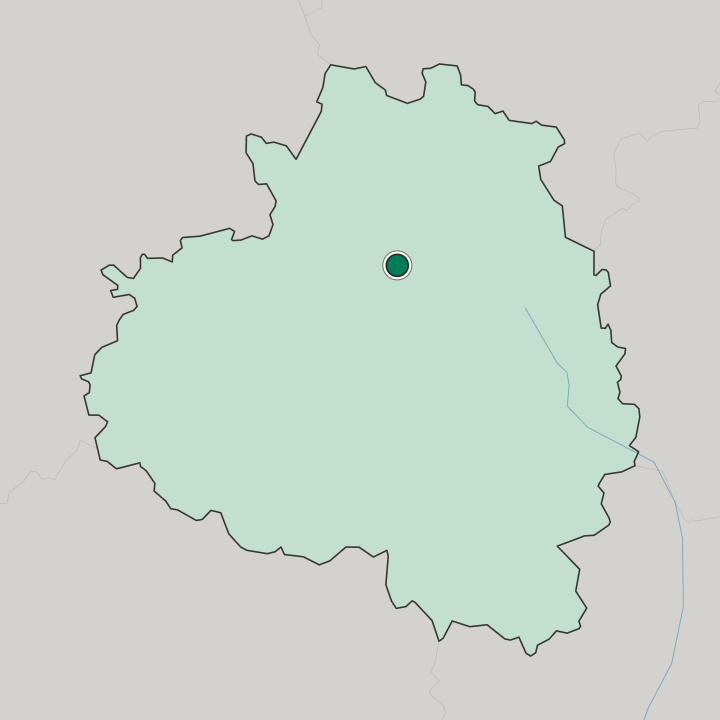
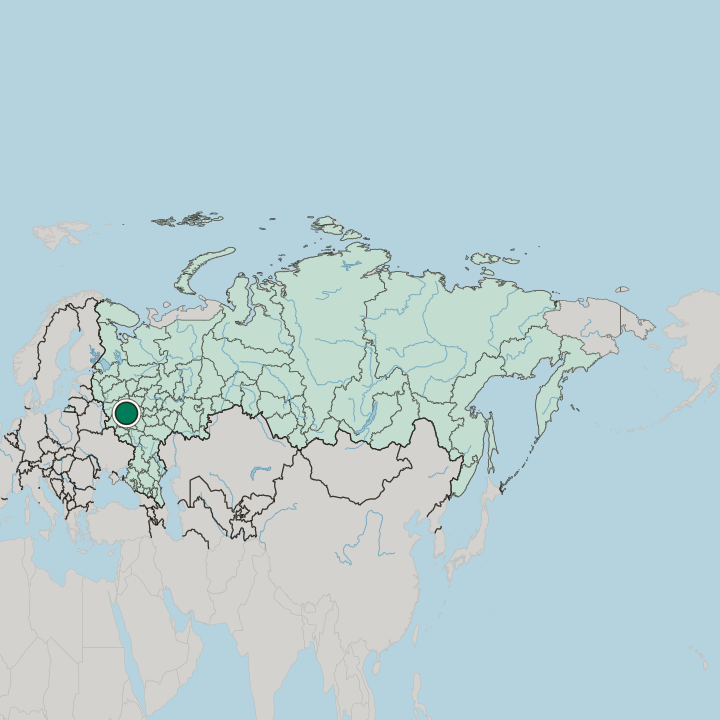
Tula lies on the wooded plain south of Moscow, in the heart of Tula Oblast. The old city gathers around the low ground of the Tula Kremlin, where a river winds through the centre and the streets spread out across the surrounding rises. Woods edge the town.
Open farmland and the forest-steppe of the region roll away toward the south, and the roads and railways run north through the plain to the capital and on across the wider oblast.
What is the climate of Tula?
Tula has a continental climate of cold winters and warm summers on the plain south of Moscow. Winters are long and snowy, with frost settling over the brick towers of the Tula Kremlin as cold air crosses the wooded country of the region. Warm green summers open over Tula.
The long light of the season fills the streets and squares of the old town, the busiest weeks for walking the Kremlin walls and the crafts museums of the city. Spring and autumn pass quickly between the deep cold and the warmth here.
How do you get to Tula?
Tula is reached most easily by rail and road from Moscow to the north. Trains run frequently down the main line to the station near the centre, and the highway crosses the wooded plain to the edge of the old town. The trip is short.
Buses gather at the station for routes across Tula Oblast, so most travellers arrive by train, bus, or car, the journey ending among the streets around the Tula Kremlin at the heart of the arms city.
Good for
More cities in Tula Oblast
Updated October 2026