Russia
Tula Oblast, Russia — Towns & Travel Guide
Tula Oblast sits in central European Russia, south of Moscow, the land of the Tula Kremlin, samovars and Tolstoy's estate.
Find your area →


Towns & cities in Tula Oblast
Pick a town or city — each links to where to stay.
 Russia
Tula
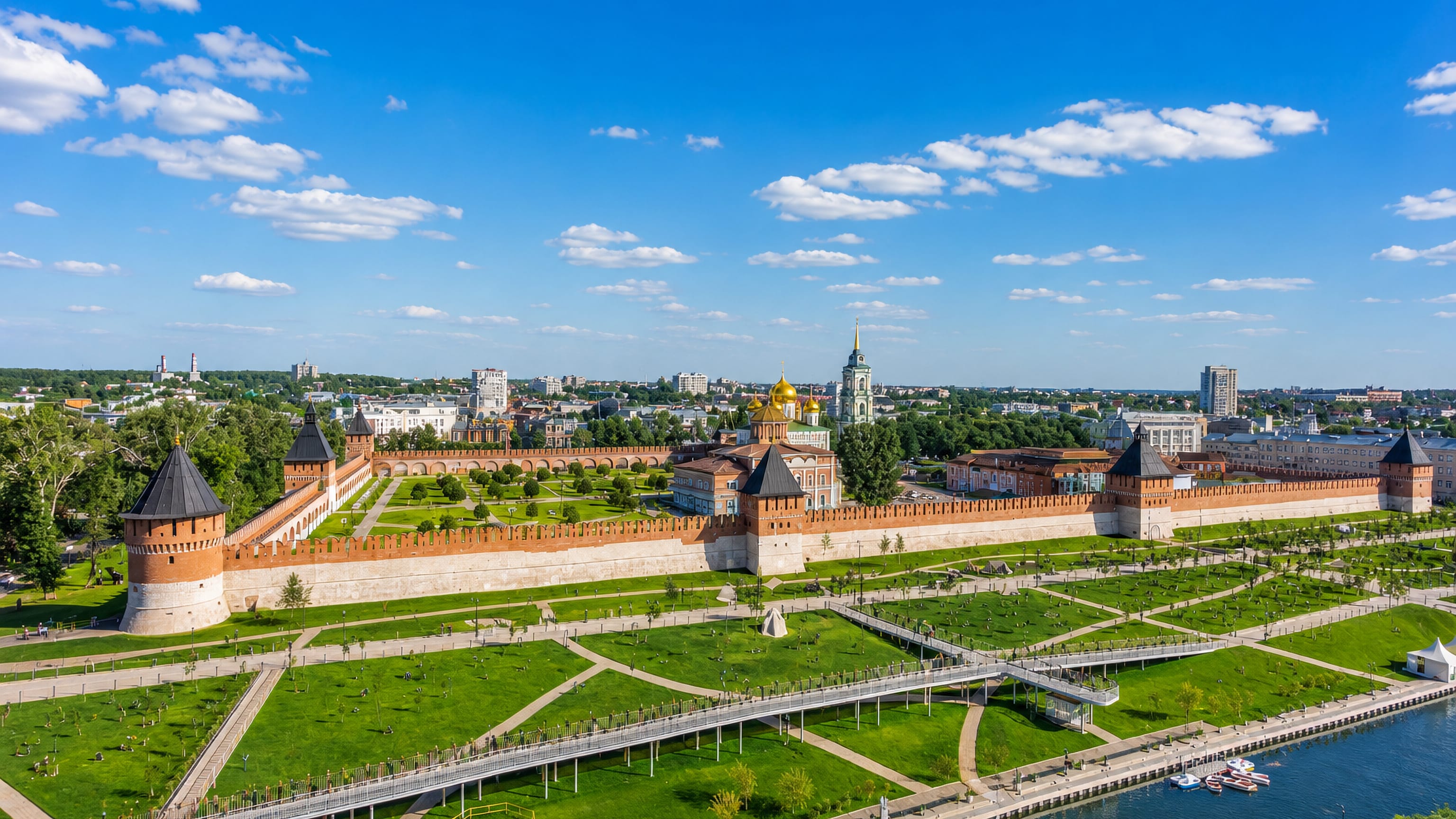
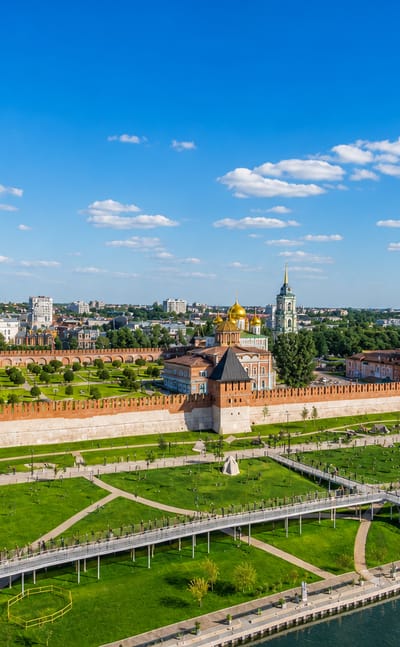
Brick walls ring the Tula Kremlin at the heart of Tula, an old arms city south of Moscow, known for the Tula Arms Plant and its samovars.Where to stay →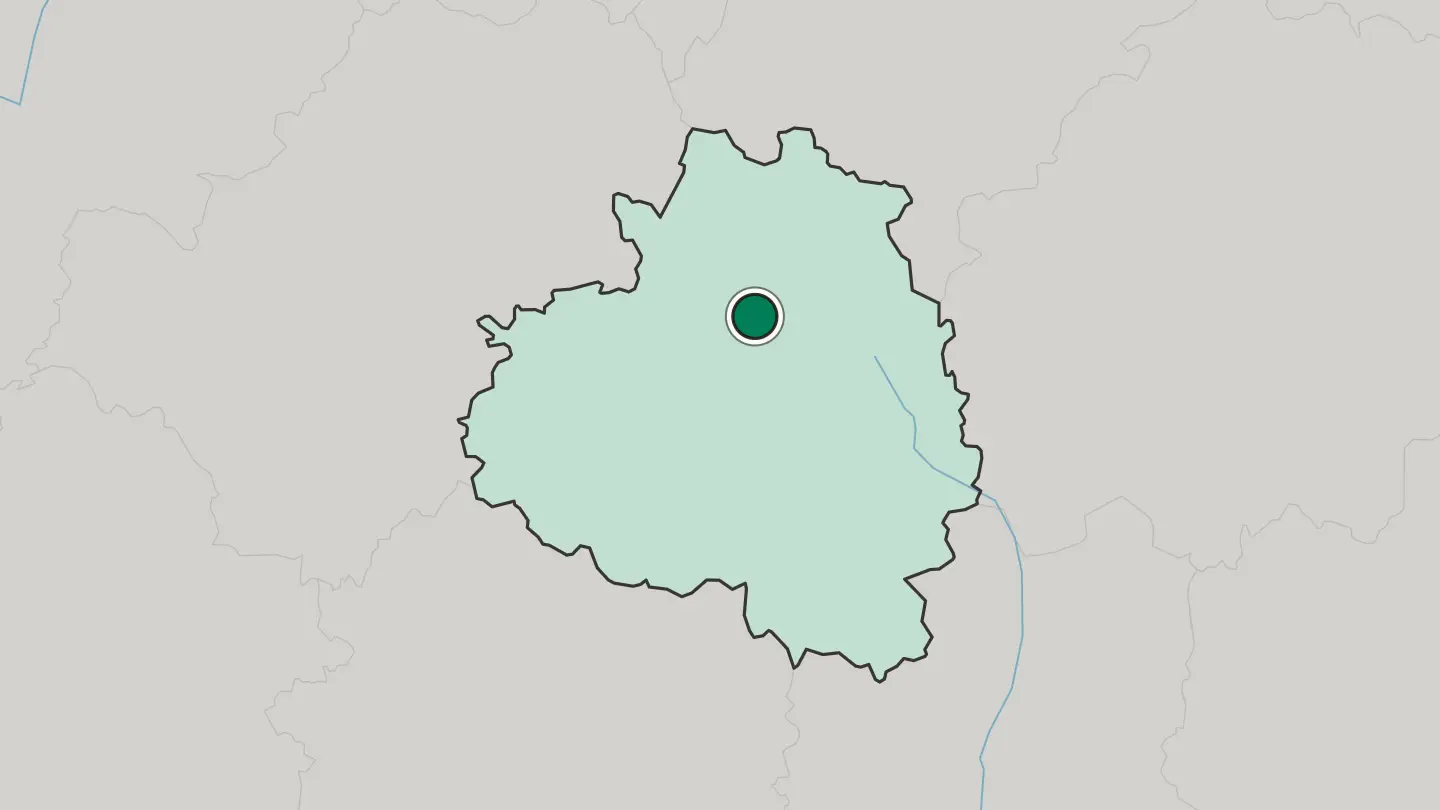
 Russia
Novomoskovsk
Novomoskovsk stands at the source of the Don and the Shat in Tula Oblast, a city laid out from 1930 and recorded also as Сталиногорск.Where to stay →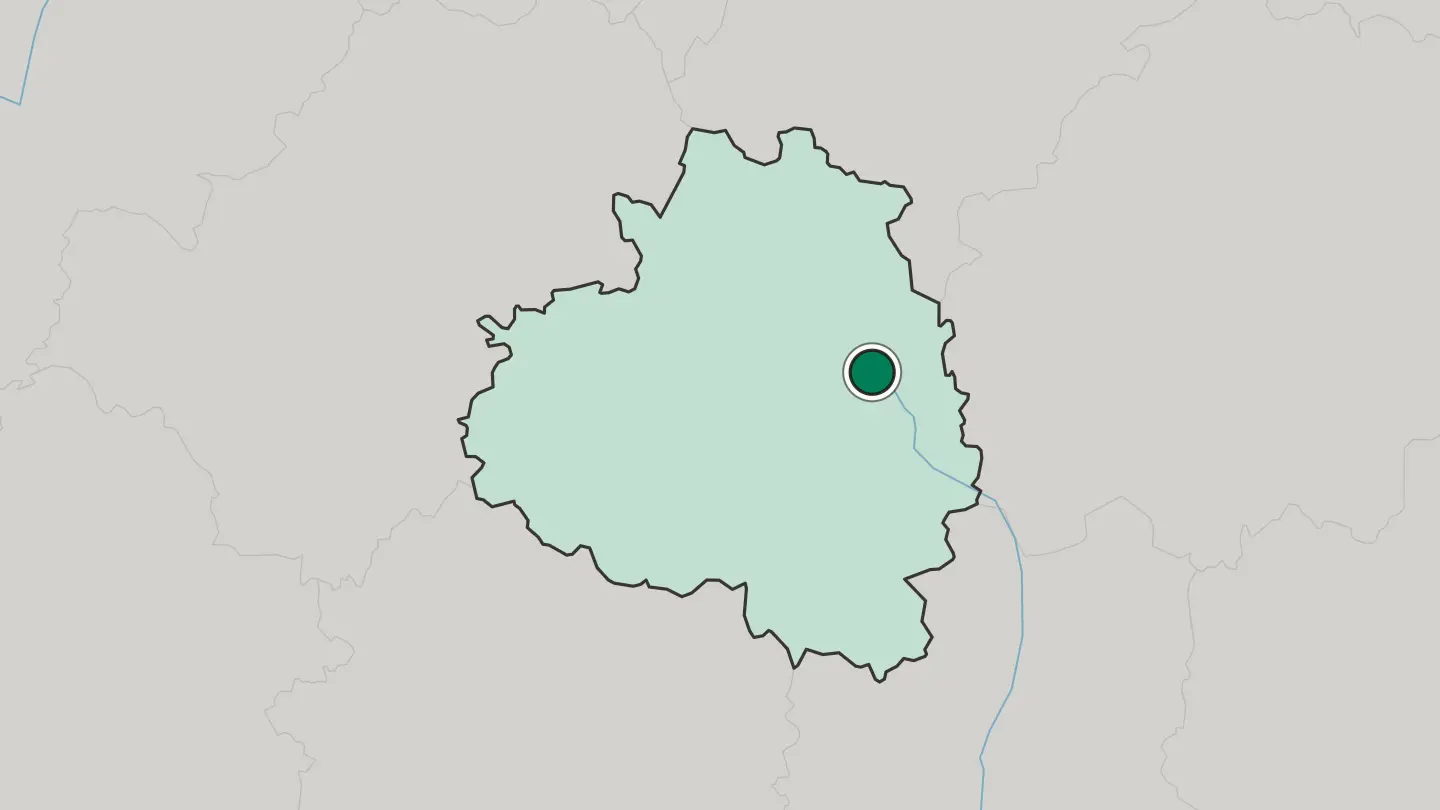 Russia
Aleksin
Aleksin dates from 1348 and centres on Алексинский кремль, seat of Aleksinsky District 71 kilometres north-west of Tula.Where to stay →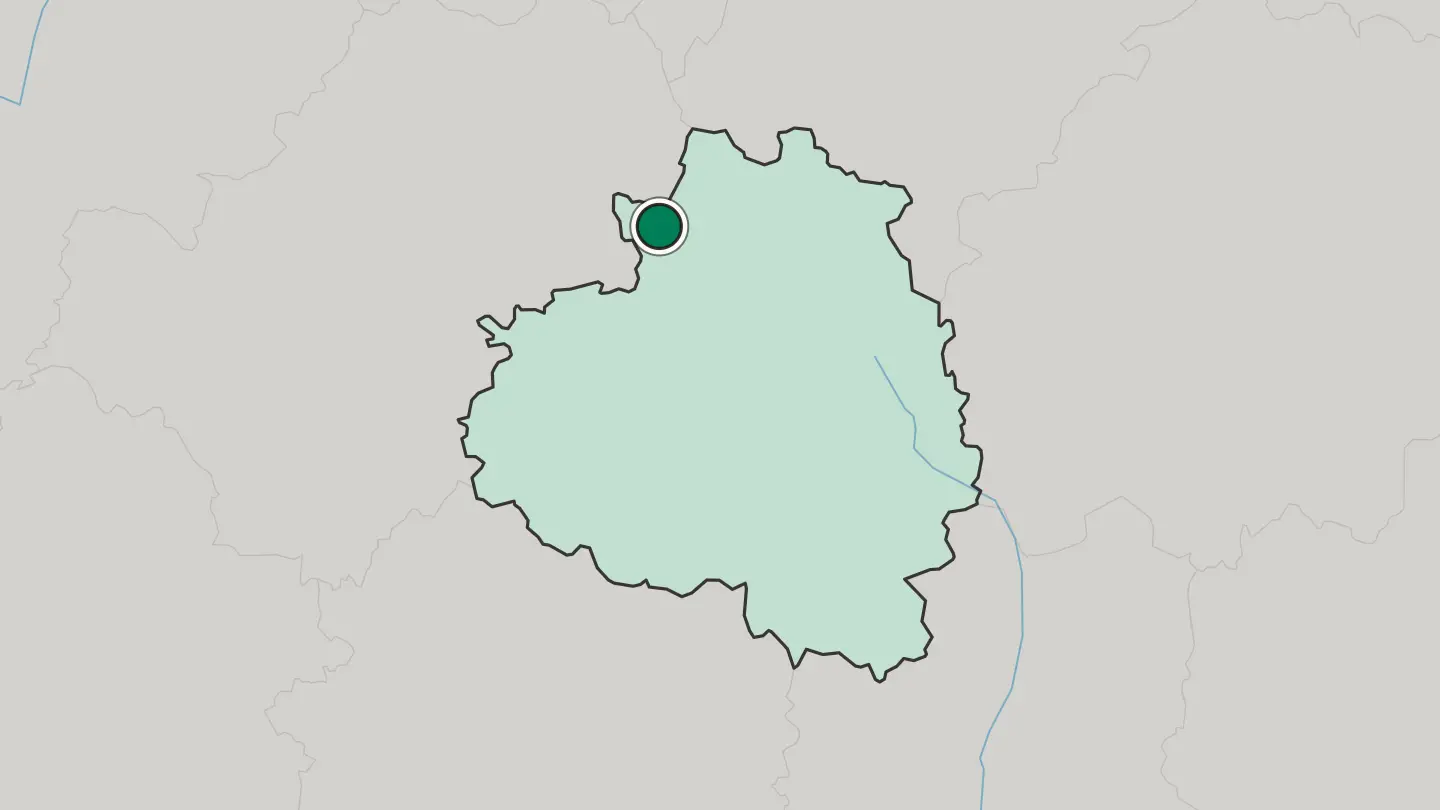 Russia
Pervomayskiy
A post-war foundation of 1946, Pervomayskiy is an urban locality of Shchyokinsky District in Tula Oblast.Where to stay →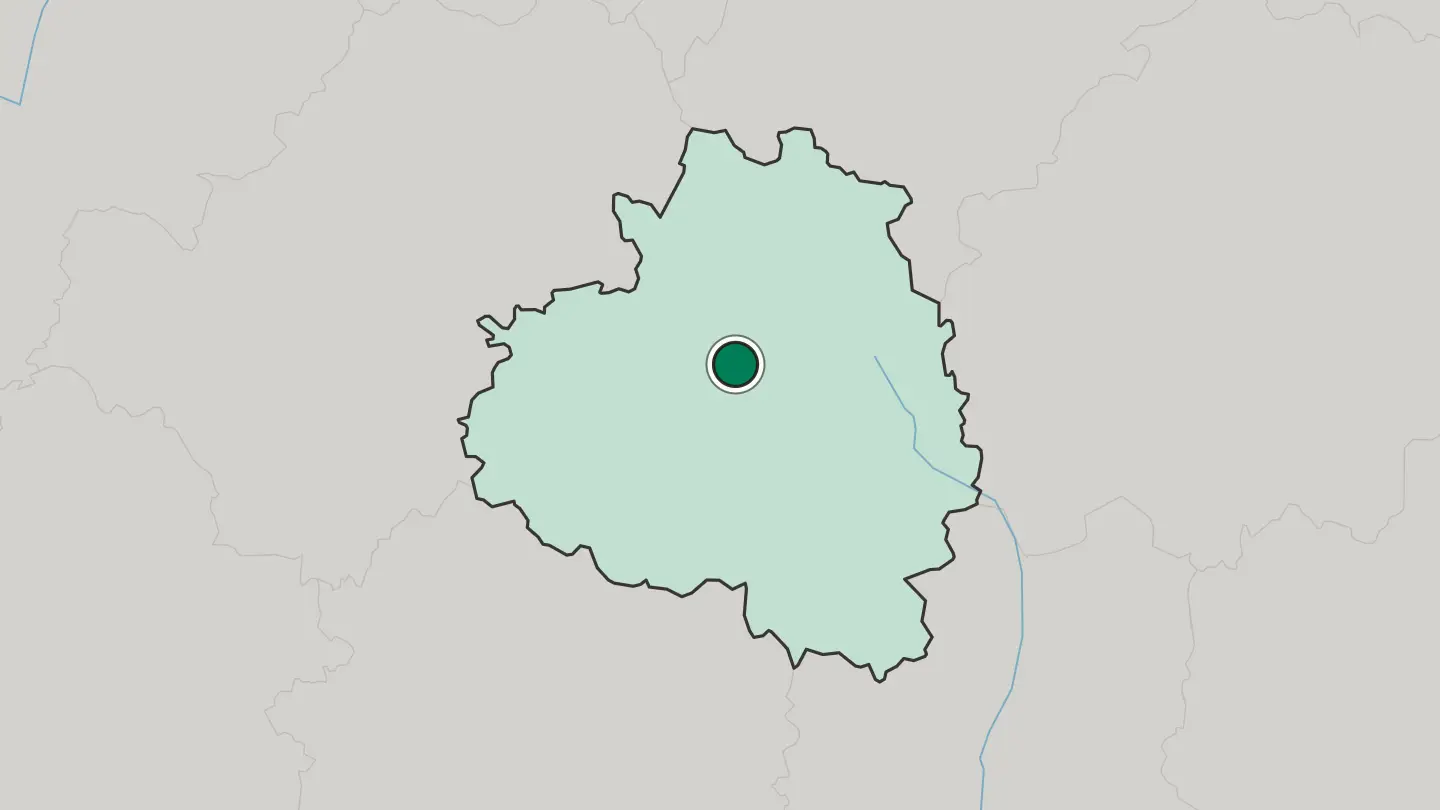
About Tula Oblast
Tula is the name that matters here.
What is Tula Oblast known for?
The city of Tula anchors the region, an old armourers' town on the Upa River famous for its stone kremlin, its printed pryanik gingerbread and the copper samovars that once shipped from its workshops by the thousand. Southwest of the city lies Yasnaya Polyana, the estate where Lev Tolstoy was born, wrote and is buried. Out in the southeast, Kulikovo Field marks the ground where Dmitry of Moscow broke the Golden Horde in 1380.
Weapons, tea urns and Tolstoy define the place.
Where is Tula Oblast?
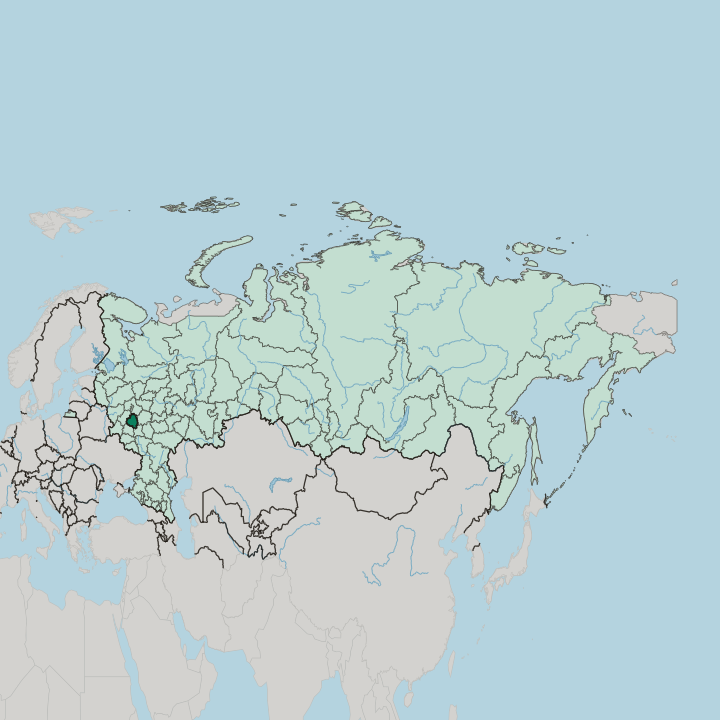
Tula Oblast lies in central European Russia, on the northern rim of the Central Russian Upland, with Moscow Oblast bordering it directly to the north. Ryazan sits to the east, Lipetsk to the southeast, Oryol to the southwest and Kaluga to the west. The land is a gently rolling plateau of low hills, cut by river valleys and erosion gullies, its forests thinning into open forest-steppe toward the south.
Rivers define the drainage. Most of the region drains north and west into the Oka, the largest and only navigable river here and a tributary of the Volga, which the Upa joins after running past the city of Tula on its banks. The southeast tilts the other way, toward the Don basin.
The Don rises quietly within the region, at a spring in a park in Novomoskovsk, before turning south on its long run to the Sea of Azov. That watershed splits the oblast between two of European Russia's great river systems. It is farming country for the most part, chernozem black earth in the south giving way to poorer grey soils in the north.
Kulikovo Field, the 1380 battlefield, lies out in that southeastern corner between the Don and the Nepryadva.
What is Tula Oblast like?
Three crafts run through the region's identity: guns, gingerbread and samovars. Tula grew as an arms town, and the state arms plant on the Upa has forged weapons for the Russian crown since the reign of Peter the Great. The city built a second reputation on printed pryanik, honey-and-jam gingerbread stamped from carved wooden moulds, and on the samovar, the charcoal-heated urn that became shorthand for a Russian tea table.
A saying about carrying your own samovar to Tula captures how closely the object is tied to the place. Then there is Tolstoy. At Yasnaya Polyana, a short way southwest of the city, Lev Tolstoy wrote War and Peace and Anna Karenina, ran his estate school for peasant children and was laid to rest under the trees without a headstone.
The house and grounds are kept as a working museum. The common language across the oblast is Russian, and the culture here is a rural, provincial one, closer to the black-earth farms and the old merchant streets of Tula than to the capital an easy drive north.
What is the history of Tula Oblast?
The region's story turns on defence. Its ground was the frontier where medieval Muscovy held the line against the steppe, and in 1380 Dmitry of Moscow met the Golden Horde at Kulikovo Field near the Don and won the battle that began Moscow's rise. To guard that border, Vasili III raised the stone Tula Kremlin on the Upa between 1514 and 1520, the fortress around which the city grew.
Peter the Great later planted a state arms works here, and Tula armed Russia's wars for centuries afterward. The oblast in its present borders was drawn up in 1937.
What is the climate of Tula Oblast?
The oblast has a moderate continental climate. Summers are warm and green, with July hovering around the high teens Celsius, while January settles well below freezing and the rivers ice over for months of the inland Russian winter. Rain and snow fall through the year rather than in one season, easing from the wetter northwest toward the drier southeast.
Spring thaw turns the black-earth fields to mud. The Upa and the Oka freeze hard by midwinter.
How do you get to Tula Oblast?
Most visitors come from Moscow. The capital lies about 190 kilometres to the north, and Tula is an easy two hours away by road on the M2 or by frequent trains from the Moscow stations. That corridor makes the oblast an easy day trip or overnight from Moscow, whose airports handle the region's international arrivals.
From Tula, roads fan out to Novomoskovsk in the east and to Kulikovo Field in the southeast. The region has no passenger airport of its own worth the name.
Common questions
What is the best area to stay in Tula Oblast?
Tula: the Tula Kremlin and samovar workshops. Novomoskovsk: the headwaters of the Don.
More regions in Russia
Updated September 2026