Russia · Yamalo-Nenetskiy Avtonomnyy Okrug
Where to Stay in Noyabrsk, Yamalo-Nenetskiy Avtonomnyy Okrug
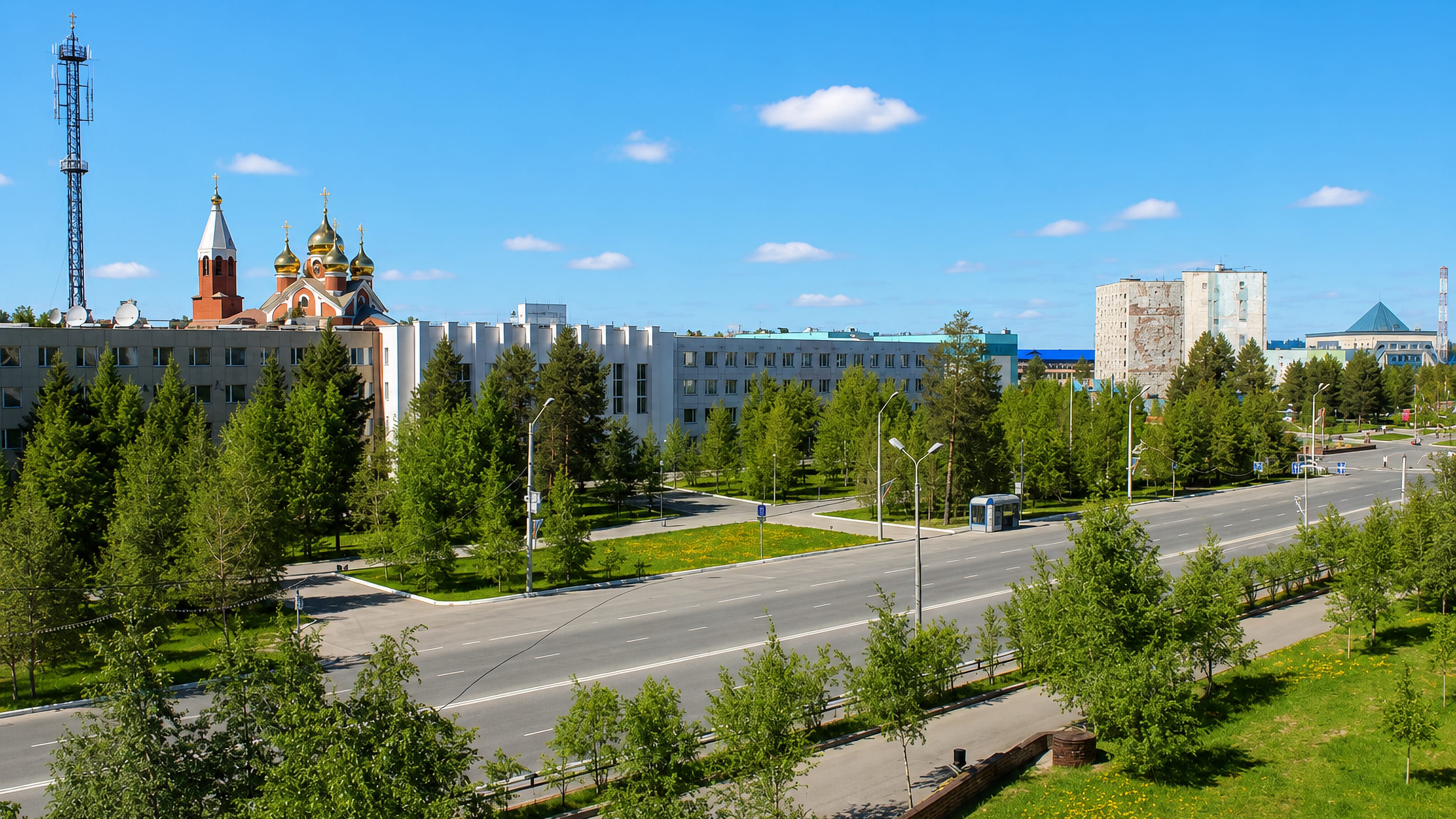
Noyabrsk, founded in 1976, is the second largest city of the Yamalo-Nenets Autonomous Okrug, an oil and gas town on the railway north of Surgut.
Find your area →


Where to stay in Noyabrsk
Where the beds are, and what that means for the visit.
The railway decides it. Rooms in Noyabrsk gather where the Tyumen-Novy Urengoy line comes through and the roads out to the West Siberian oil fields begin, because the traffic filling them is rotational work rather than sightseeing, and that fact shapes what a bed in this city is actually for. Function counts for more than character.
The whole place covers 39 square kilometres laid out in blocks on ground that carried nothing before 1976, so no address has an old street to trade on and the useful difference between one and another is minutes to the station or to the field road. Arrivals from Surgut come in from the south. Beds are scarce here, and that is the real planning constraint on a visit, because Noyabrsk serves crews moving between Novy Urengoy and Tyumen rather than anyone stopping to look at it.
Reserve early or take what is left. The station side suits you if you arrive by rail with no car; the quieter block interiors suit you if you have one and want distance from the line. Neither buys a historic street.
A city of 1976 has none to sell.
About Noyabrsk
Oil and gas make the place.
What is Noyabrsk known for?
Noyabrsk stands in the middle of the West Siberian oil fields, and the industry that opened them is the whole reason a city founded in 1976 exists at all north of Surgut. The Tyumen-Novy Urengoy railway threads the city, linking it to the gas towns further into Yamalia. Nothing here predates the work.
What are the main landmarks in Noyabrsk?
Nothing in Noyabrsk carries monument status. The city was laid out in 1976 for the oil and gas work, and what stands in it is housing, plant and service building rather than anything a heritage register has picked up. The infrastructure is the sight.
Tyumen-Novy Urengoy trains crossing the West Siberian oil fields, and the field roads running off into open country, are what a visitor actually looks at here.
What is the history of Noyabrsk?
Noyabrsk begins in 1976. That single date explains the shape of the place, because a settlement created for the West Siberian oil fields underneath it needed a permanent workforce rather than a camp emptying at the end of each season. Nothing older sits beneath it.
Oil came first, then the streets, then the institutions that turn a work site into somewhere people stay. Surgut lies about 300 kilometres to the south along the same axis, and the Tyumen-Novy Urengoy railway ties the city into a line of oil and gas towns rather than into any older network. Within the Yamalo-Nenets Autonomous Okrug it became the second largest city, which in a region of this kind is a statement about industry rather than about age.
Yamalia had few towns to begin with. Everything Noyabrsk has, from its blocks to its 39 square kilometres of municipal ground to its place on the line running toward Novy Urengoy and back down to Tyumen, follows from a decision taken in 1976 about where the workforce for these fields would live. Russia holds many such creations. Few of them are this large, and fewer sit this far out among the fields they were built to serve.
Where is Noyabrsk?
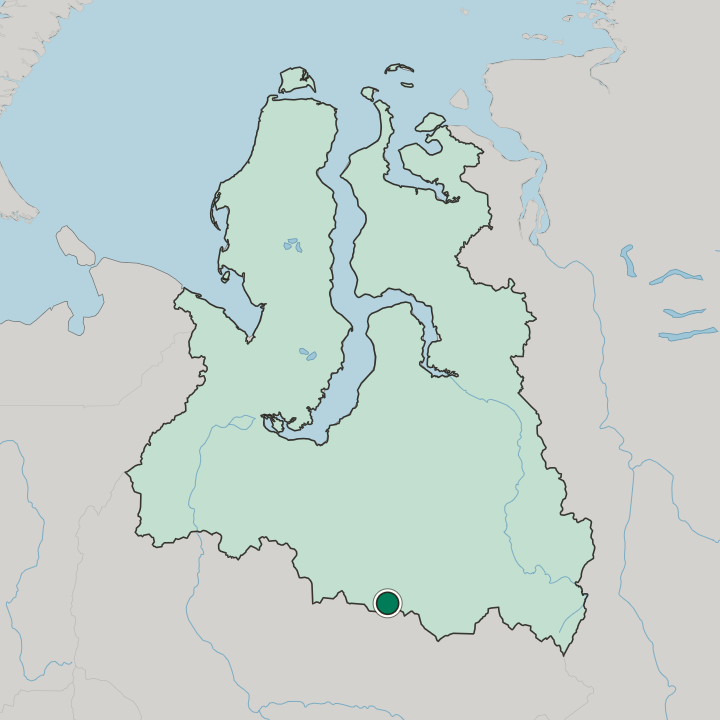
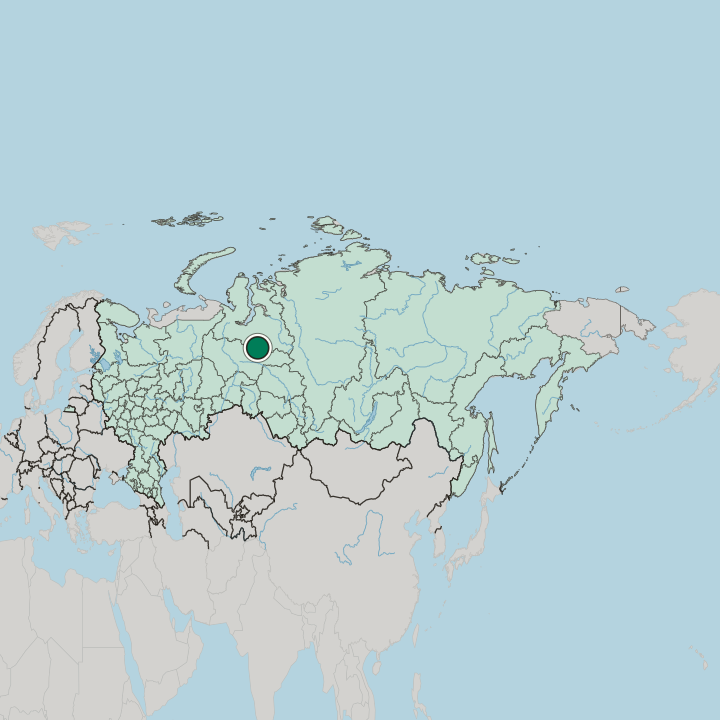
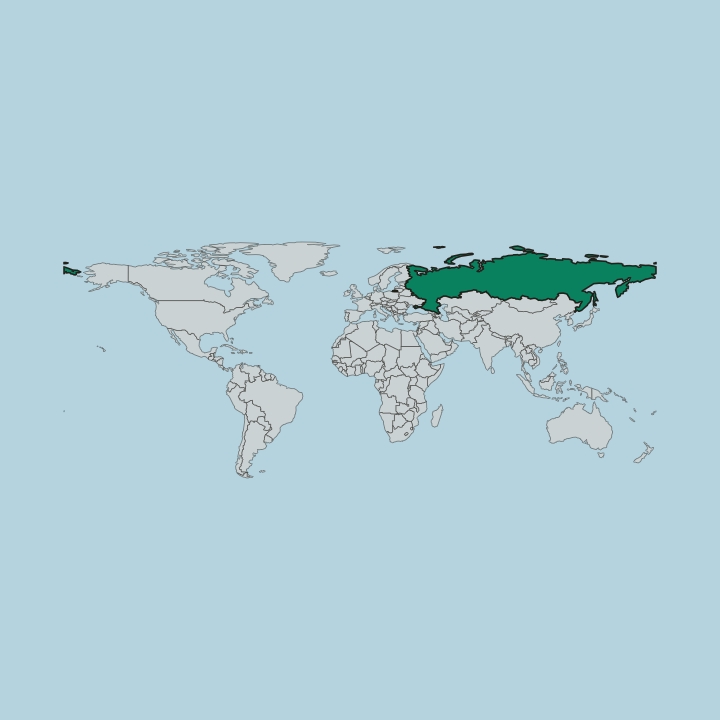
Noyabrsk covers 39 square kilometres in the middle of the West Siberian oil fields. Industry sets the horizon. Surgut lies about 300 kilometres to the south, Novy Urengoy further along the railway to the north, and between them the Yamalo-Nenets Autonomous Okrug is mostly space with its settlements strung along that line.
This is Yamalia, and the subpolar band sets its limits.
What is the climate of Noyabrsk?
Daylight swings hard across the year. Noyabrsk sits in the subpolar band, far enough north of Surgut that summer nights stay pale and the winter working day is a short window between two long stretches of dark. Cold runs the calendar.
Work on the West Siberian oil fields and traffic on the Tyumen-Novy Urengoy railway carry on through it, so a visit is planned around clothing and light rather than around any season being shut.
How do you get to Noyabrsk?
The Tyumen-Novy Urengoy railway is the spine of any approach, running down to Tyumen and up toward Novy Urengoy, and Noyabrsk sits on it as one of the fixed stops of the oil corridor. Surgut is the reference point by road, about 300 kilometres to the south. Distances here are large.
Arrival lands a traveller inside 39 square kilometres of blocks, with the Yamalo-Nenets Autonomous Okrug spreading away on every side and the next town a long way off.
Another city in Yamalo-Nenetskiy Avtonomnyy Okrug
Updated September 2026