Sudan · North Kordofan
Where to Stay in El Obeid, North Kordofan
El Obeid, romanized also as Al-Ubayyid, is the capital of North Kordofan in Sudan and a trading city known for gum arabic.
Hotel links are affiliate links: booking through them may earn us a commission, at no extra cost to you. It never affects how places are ranked. How this works


Where to stay in El Obeid
Where the beds are, and what that means for the visit.
The railway terminus fixes the centre of El Obeid. Everything else arranges itself around it. Rooms at that end of the line put the markets where gum arabic and livestock change hands within a short walk, and for a visitor whose reason for coming is trade there is no better address in North Kordofan.
Noise comes with the position. Freight and passengers arrive on the same ground the traders work, so the quarter starts early and does not settle until the day's business is finished. El Obeid Airport is the other pole.
A bed on that side suits a short visit built around a flight rather than a stay, since the major roads out of the city meet nearby and the outlying settlements of the Sheikan locality are easier to reach from there. Nothing out there is close. Past the built-up streets North Kordofan opens into farming and herding country where formal rooms are scarce, which leaves the city carrying almost all the accommodation for a wide part of Sudan and filling up whenever the gum arabic trade is heavy.
Al-Ubayyid is the same place under another spelling, so a booking made as El-Obeid lands in these same few streets.
Find hotels in El Obeid
Direct booking searches for these neighbourhoods.
The railway terminus quarter
The blocks around the El Obeid railway terminus, where the gum arabic and livestock markets of North Kordofan sit within a short walk of the platforms.Find hotels in The railway terminus quartera visit built around El Obeid AirportThe El Obeid Airport side
The outer part of El Obeid nearest El Obeid Airport and the junction of the major roads, taken for the flight or the drive rather than for the markets.Find hotels in The El Obeid Airport sidereaching the outlying settlements of the Sheikan localityThe Sheikan locality edge
The fringe where El Obeid gives way to the farming and herding country of the Sheikan locality, thin on rooms but close to the land the trade comes from. Lodging is scarce in this area; reserve in advance.Find hotels in The Sheikan locality edgeHotel links are affiliate links: booking through them may earn us a commission, at no extra cost to you. It never affects how places are ranked. How this works
About El Obeid
Gum arabic goes out from here.
What is El Obeid known for?
El Obeid trades it alongside millet, oilseeds and livestock, and the commerce of North Kordofan collects in a city that keeps a railway terminus, major roads and El Obeid Airport to shift the lot. Junction more than destination. The place links the country's west with its eastern parts, which is why the produce of a farming and herding region passes through the Sheikan locality on its way elsewhere.
What are the main landmarks in El Obeid?
Nothing monumental is listed. What El Obeid keeps instead is the infrastructure that counts for more than architecture in a place like this: a railway terminus, the major roads meeting in the city, and El Obeid Airport out on the edge. Its markets are the sight.
Gum arabic and oilseeds come in from across North Kordofan, millet and livestock with them, and a trading morning in the Sheikan locality shows a visitor far more of the place than any single building could.
What is the history of El Obeid?
The founding year is 1821. El Obeid enters the record at that date, and nearly everything the city has been since follows from its position between the country's west and its eastern parts rather than from anything raised within it. Commerce arrived before anything else.
A settlement placed where the produce of a farming and herding region had to gather turned into the commercial centre of Kurdufan, handling gum arabic and livestock long before any modern connection reached it. The connections arrived later and confirmed the role. A railway terminus, the major roads and eventually El Obeid Airport all landed on the same ground, so a city that had grown as a market became the transport link as well, and the produce of North Kordofan has moved through it ever since.
Administration followed the traffic. El Obeid holds the seat of the state of North Kordofan and stands within the Sheikan locality, having sat under the former administrative structure inside Sheikan District, so the boundaries drawn around the city have been revised more than once while its function stayed exactly where it was. Names shifted as well.
The place is romanized as Al-Ubayyid and written El-Obeid, and the region around it answers both to North Kordofan and to Kurdufan.
Where is El Obeid?
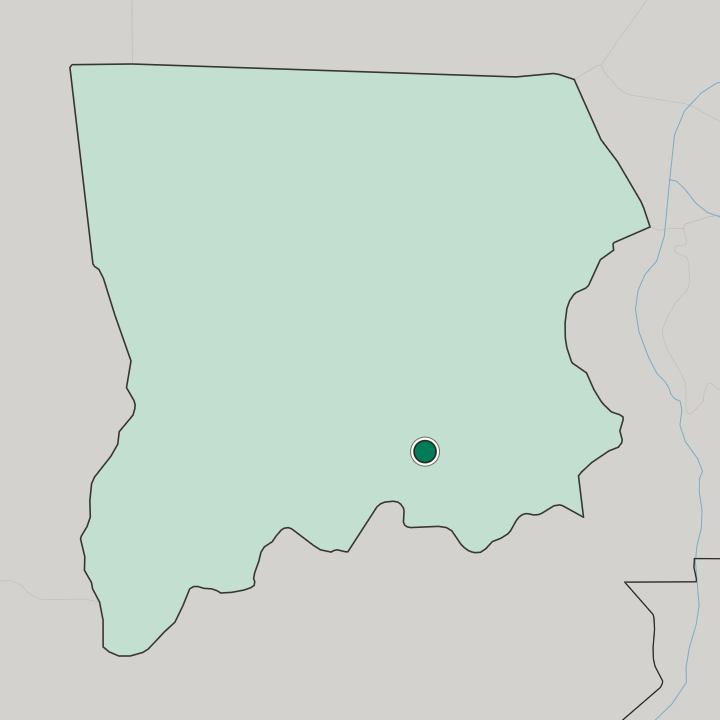
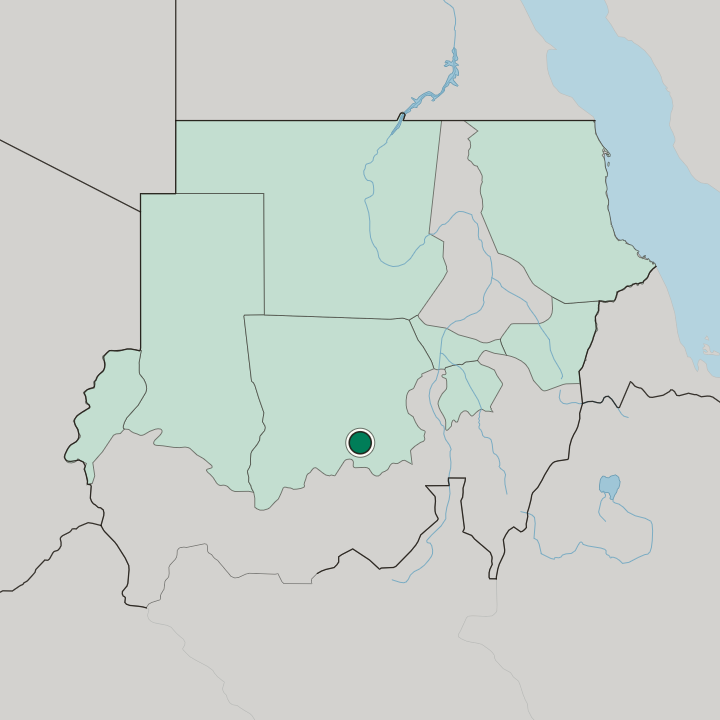
Kurdufan sets the ground. El Obeid stands in the tropical band north of the equator, inside the Sheikan locality of North Kordofan, on farming and herding country that grows the millet, oilseeds and gum arabic the city sells. Land does the defining.
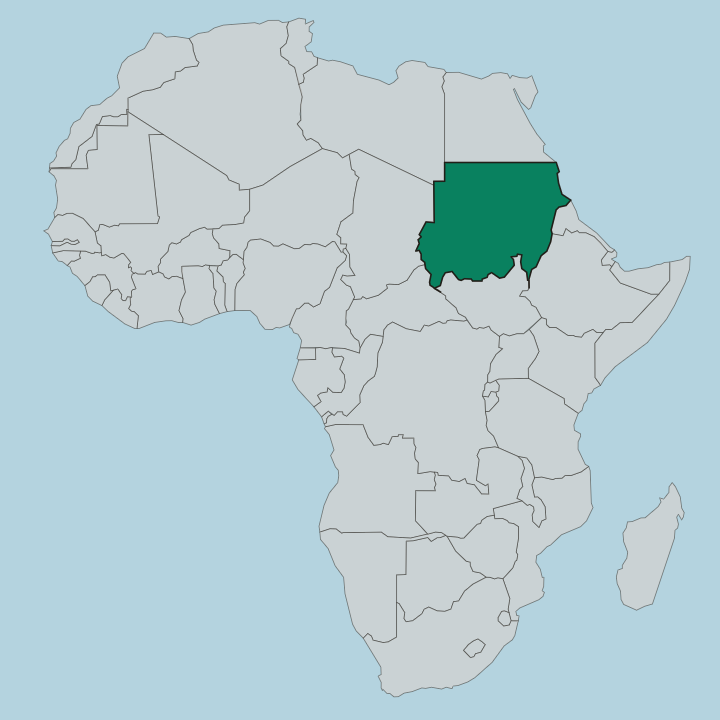
What fixes the position is the gap between the country's west and its eastern parts, and El Obeid sits in the middle of that gap, which is why its roads and railway matter to Sudan out of all proportion to the size of the place.
What is the climate of El Obeid?
The tropical band runs the year. El Obeid sits north of the equator in country where warmth holds steady and the calendar is measured by what the land around the Sheikan locality yields rather than by any change of season a visitor would notice. Heat shapes the trading day.
Millet, oilseeds and gum arabic reach the market when the surrounding North Kordofan country has them, and the hours traders keep bend around the middle of the day.
How do you get to El Obeid?
Three ways in. A railway terminus ends at El Obeid, major roads meet in the city, and El Obeid Airport takes what arrives by air, which together make the place the transport link between the country's west and its eastern parts. That combination is unusual out here.
Traffic crossing North Kordofan converges on the city because it has to, and the smaller settlements of the Sheikan locality reach the wider network of Sudan through the same few connections.
Common questions
What is the best area to stay in El Obeid?
The railway terminus quarter: trading mornings beside the El Obeid railway terminus. The El Obeid Airport side: a visit built around El Obeid Airport. The Sheikan locality edge: reaching the outlying settlements of the Sheikan locality.
Updated September 2026