
Sudan: Regions, Cities & Travel Guide
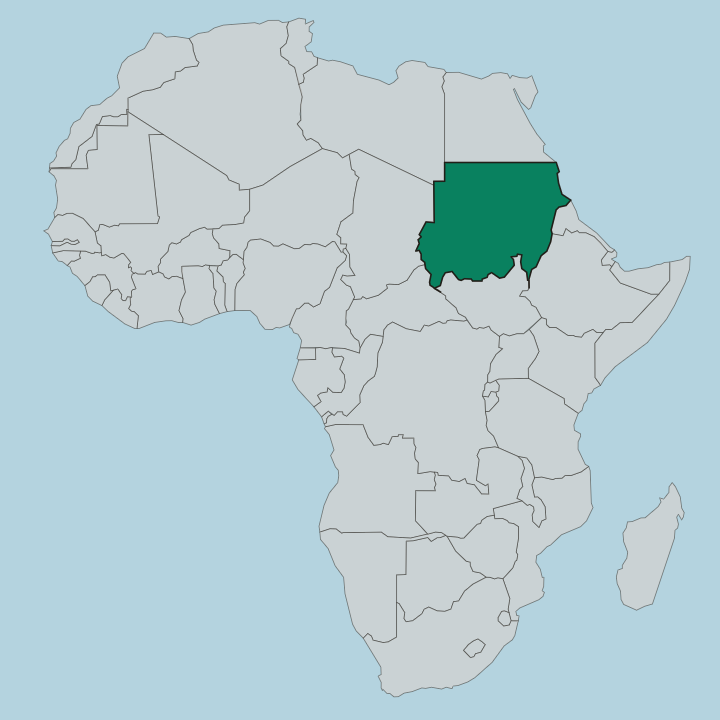
Sudan is a country in Northeast Africa where the Blue and White Nile meet at Khartoum, its riverside capital.
Hotel links are affiliate links: booking through them may earn us a commission, at no extra cost to you. It never affects how places are ranked. How this works


Top destinations in Sudan
Cities to start from, then drill into areas and hotels.

 Sudan
Sudan
Khartoum
Two rivers meet at Khartoum, the capital of Sudan where the Blue Nile and White Nile join to form the Nile, spread across Khartoum, Bahri and Omdurman.Where to stay →
 Sudan
Sudan
Omdurman
Omdurman stands on the west bank of the River Nile opposite Khartoum, Sudan's second city and the road hub of the State of Khartoum.Where to stay →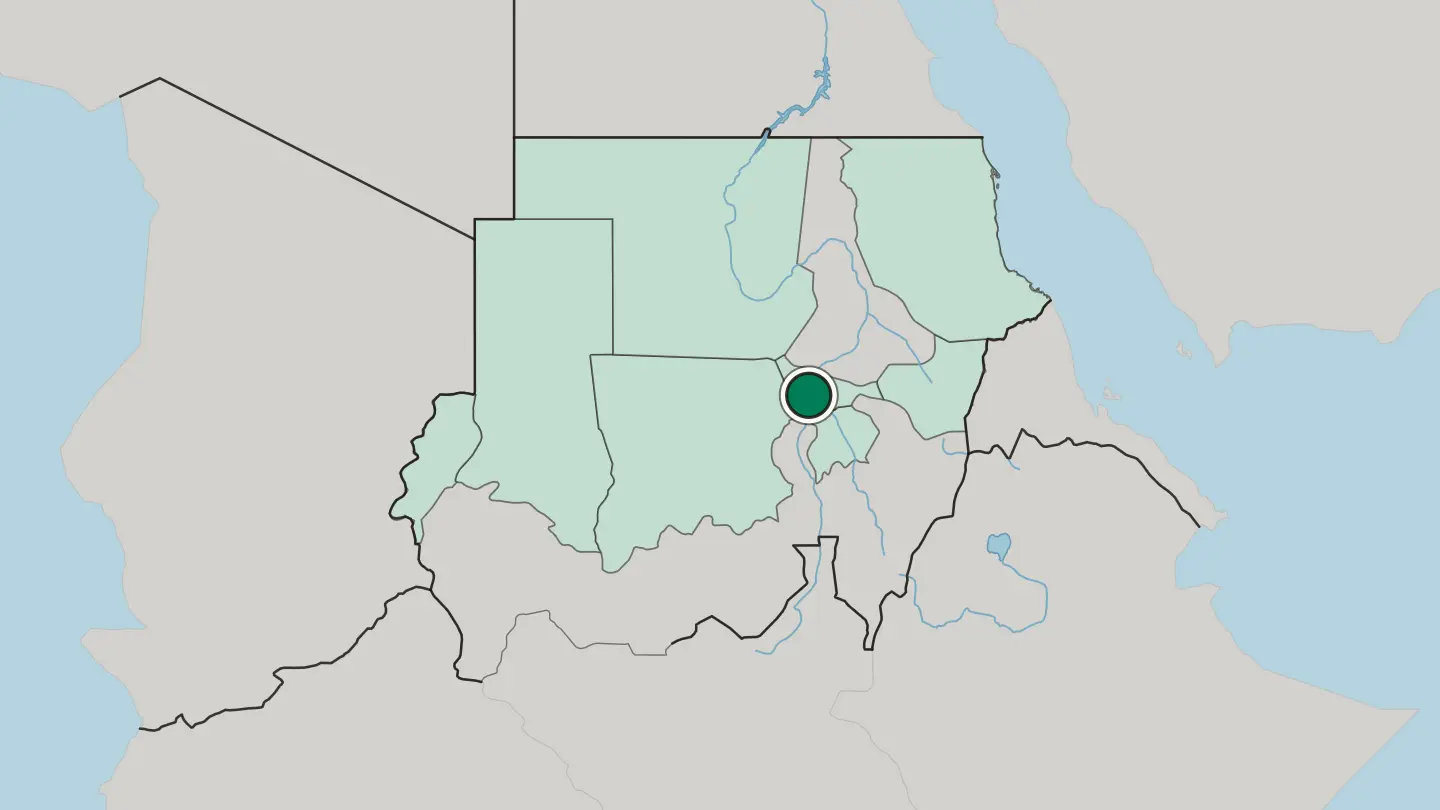
 Sudan
Sudan
Port Sudan
Port Sudan is Sudan's main seaport, a Red Sea city founded in 1905 and the capital of Red Sea State in eastern Sudan.Where to stay →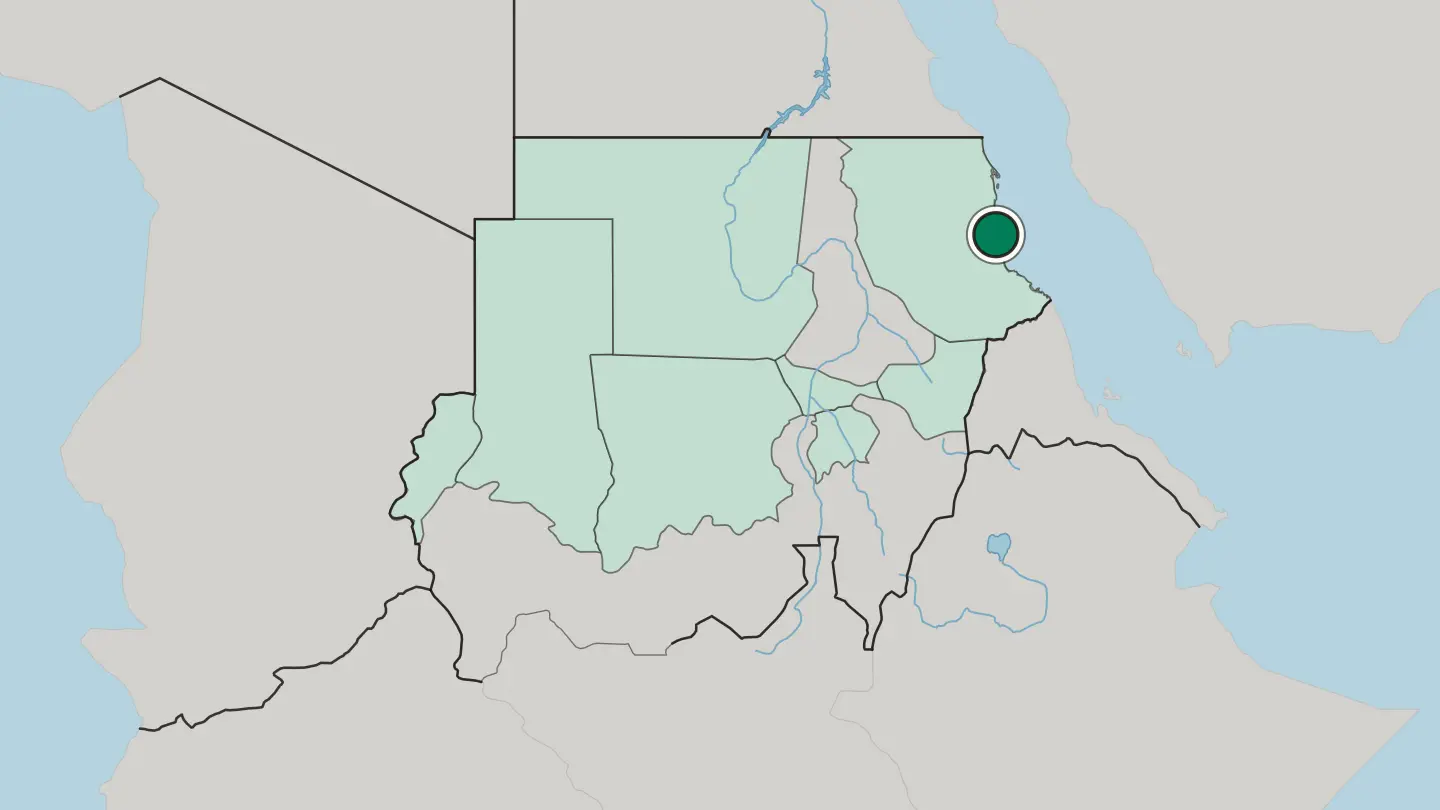
 Sudan
Sudan
Kassala
Kassala is the capital of Kassala State in Sudan, a market city on the banks of the Gash River known for its fruit gardens.Where to stay →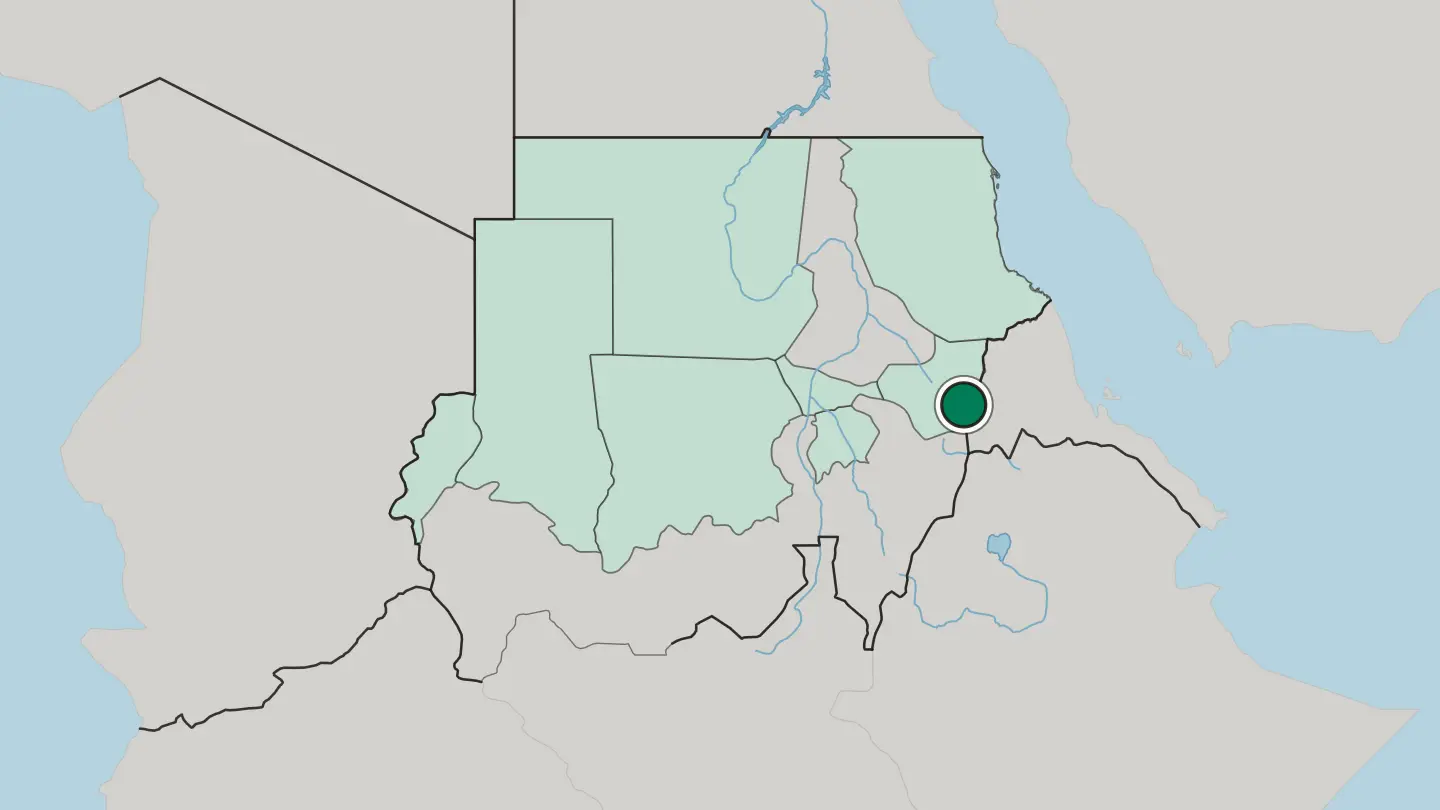
 Sudan
Sudan
Dongola
Dongola is the capital of Northern State in Sudan, a Nile town also called New Dongola, distinct from the deserted medieval city of Old Dongola upstream.Where to stay →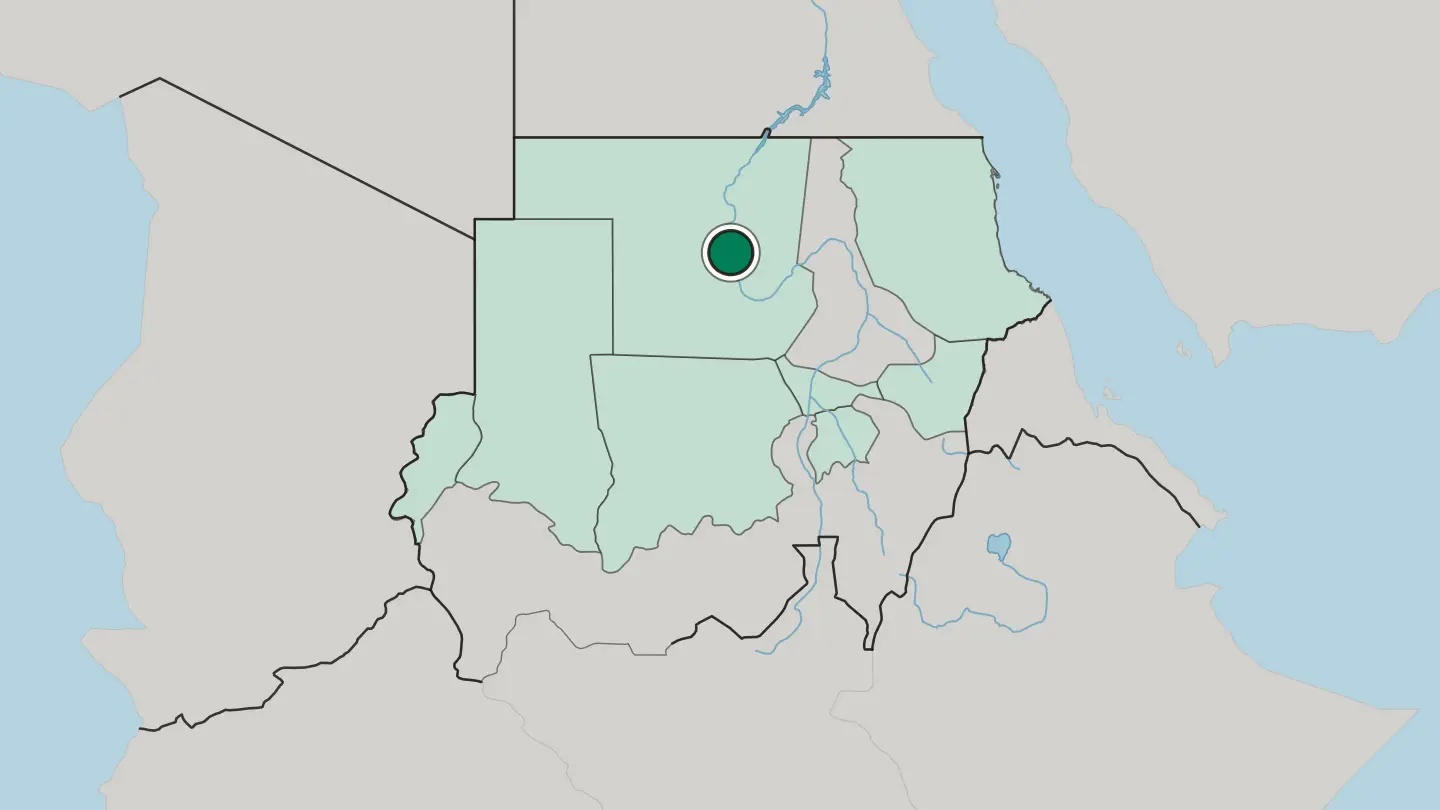
 Sudan
Sudan
Wad Medani
Wad Medani, also written Wad Madani, is the capital of Al Jazirah state, set on the west bank of the Blue Nile southeast of Khartoum.Where to stay →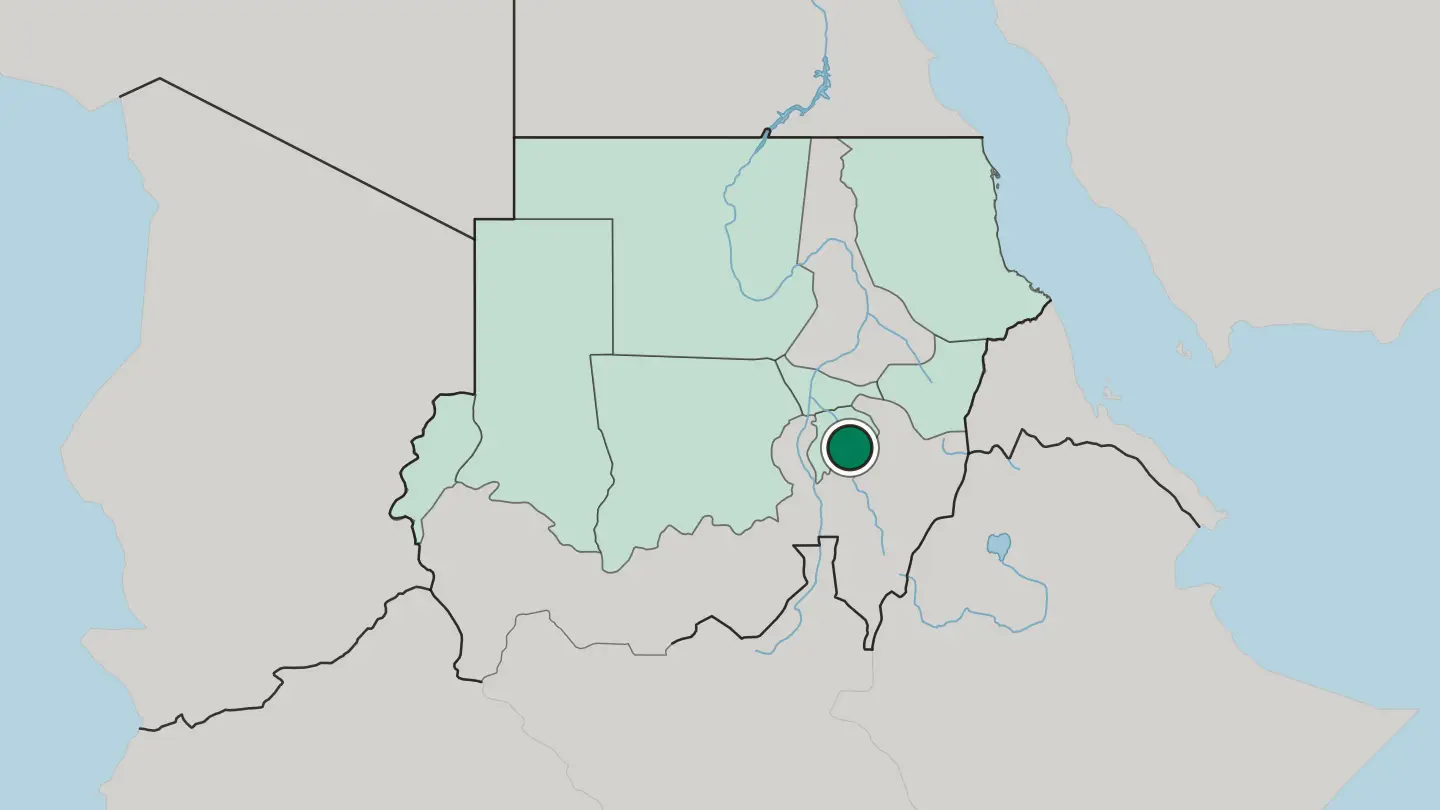
 Sudan
Sudan
Al-Junaynah
Al-Junaynah, also written Geneina, is a city in West Darfur, part of the dar Masalit region of Sudan.Where to stay →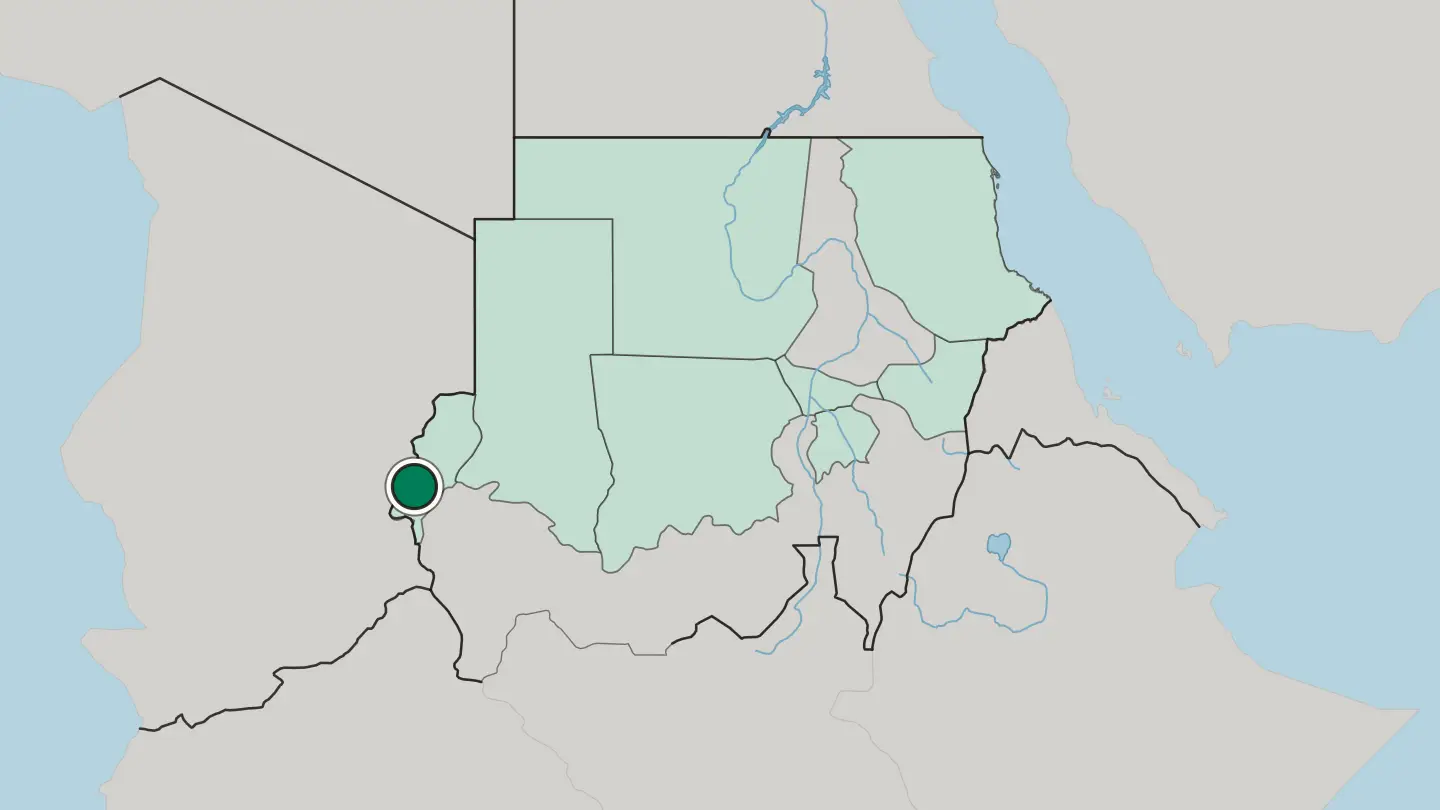
 Sudan
Sudan
El Fasher
El Fasher, also written Al-Fashir, is the capital of North Darfur State in Sudan, a historical caravan post and agricultural market city.Where to stay →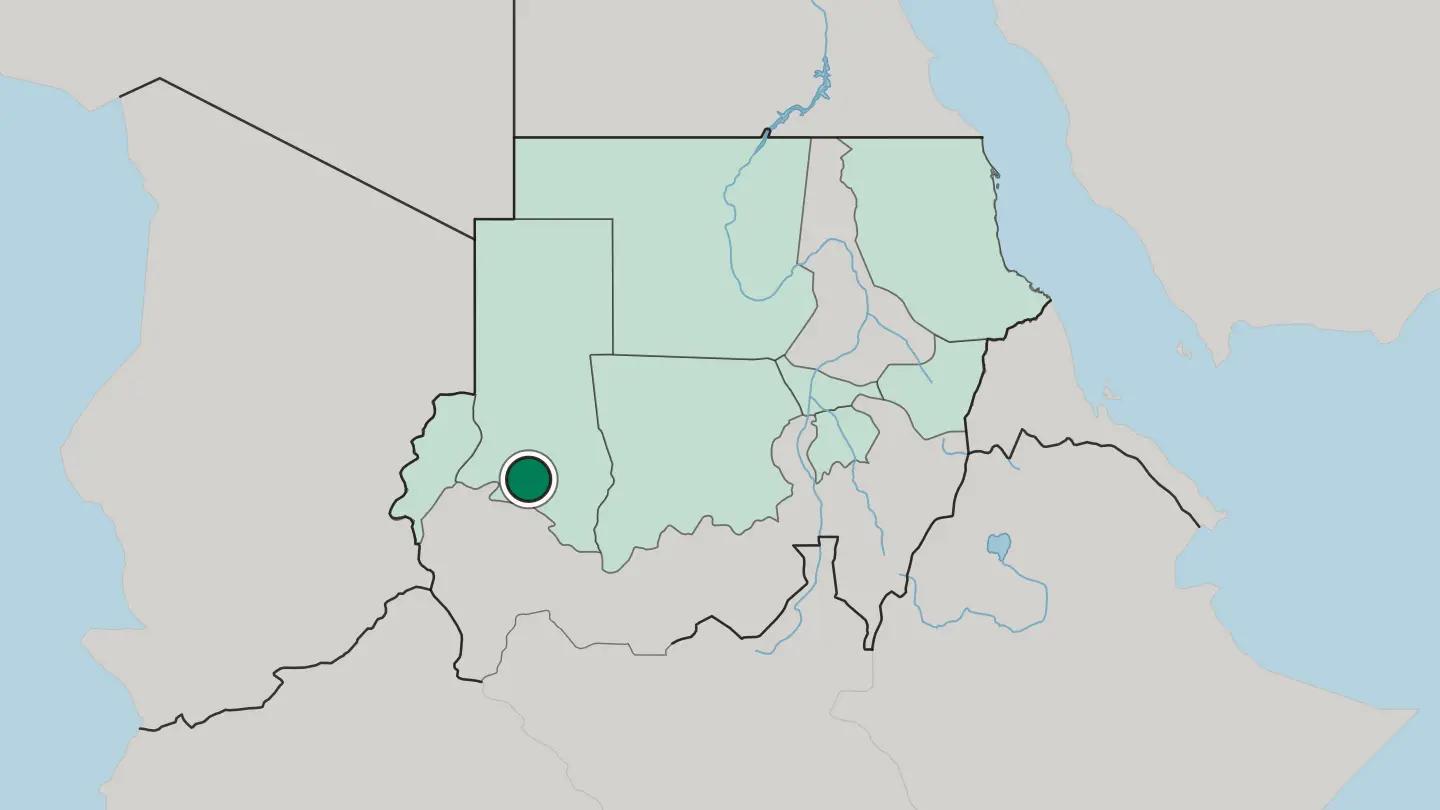
 Sudan
Sudan
Khartoum North
Khartoum North, also written Khartoum Bahri or simply Bahri, is a city in Khartoum State standing north of Khartoum, the capital of Sudan.Where to stay →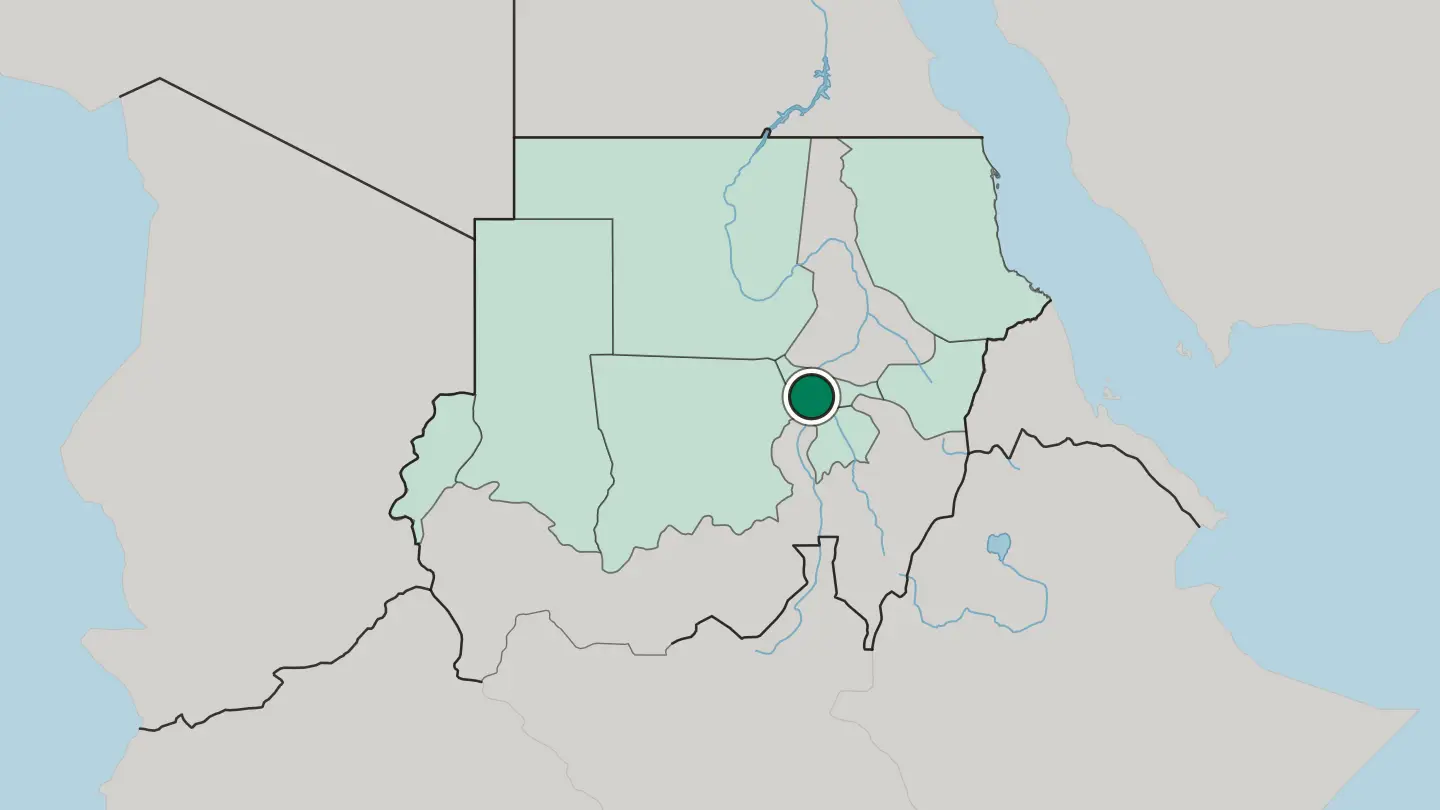
Hotel links are affiliate links: booking through them may earn us a commission, at no extra cost to you. It never affects how places are ranked. How this works
Regions of Sudan
Sudan
Al Jazirah State
Al Jazirah State, also spelt Gezira, is one of the 18 states of Sudan, lying between the Blue Nile and the White Nile.Towns & cities →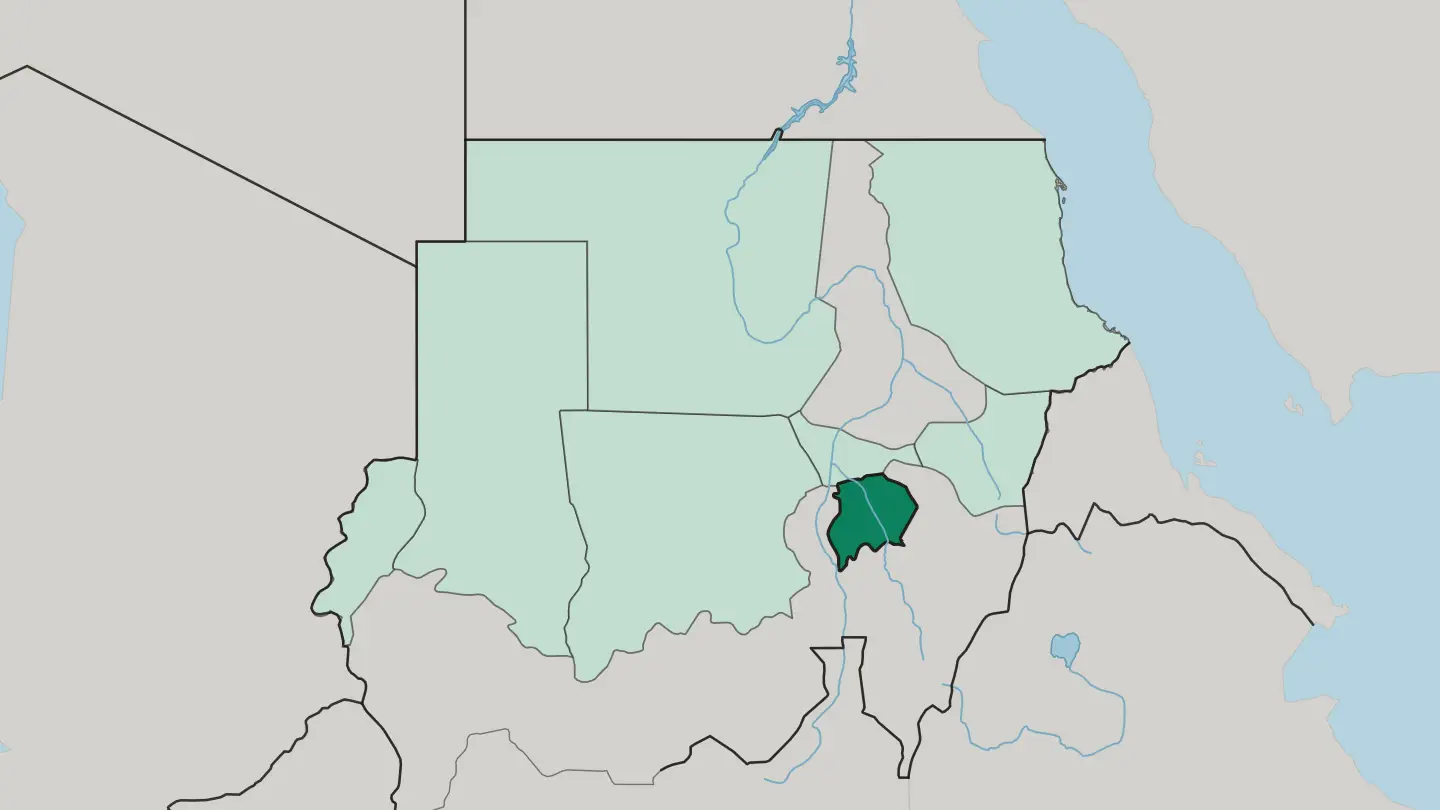 Sudan
Sudan
Kassala State
Kassala State runs from the Eritrean border to Khartoum, with the town of Kassala its capital and Khashm el Girba among its towns.Towns & cities →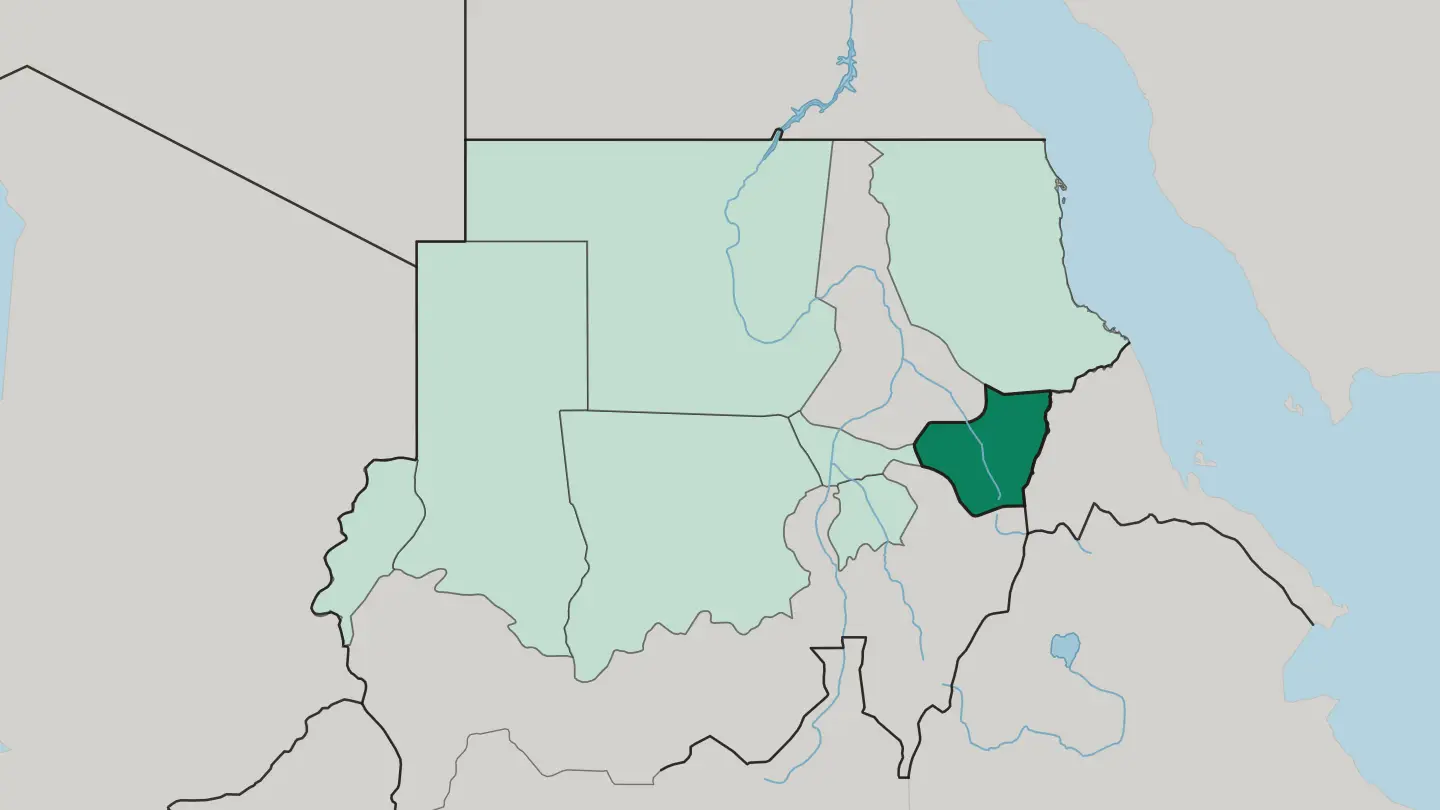 Sudan
Sudan
Khartoum
Khartoum State is the region of Sudan around the Nile confluence, holding the capital Khartoum with Bahri and Omdurman along the Blue and White Niles.Towns & cities →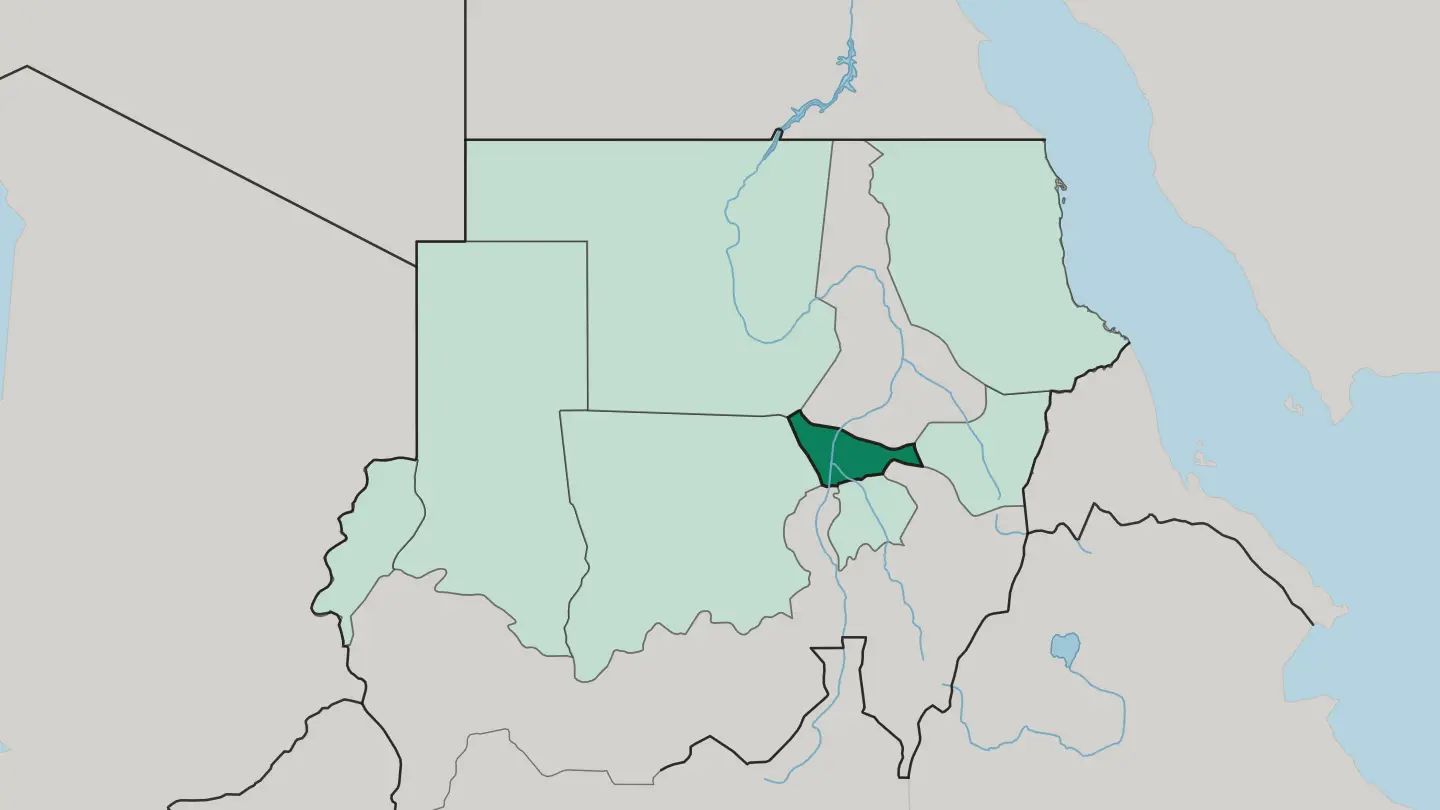 Sudan
Sudan
North Darfur
North Darfur is one of the five states of the Darfur region of Sudan, with Al-Fashir its capital and Kutum and Kebkabiya among its towns.Towns & cities →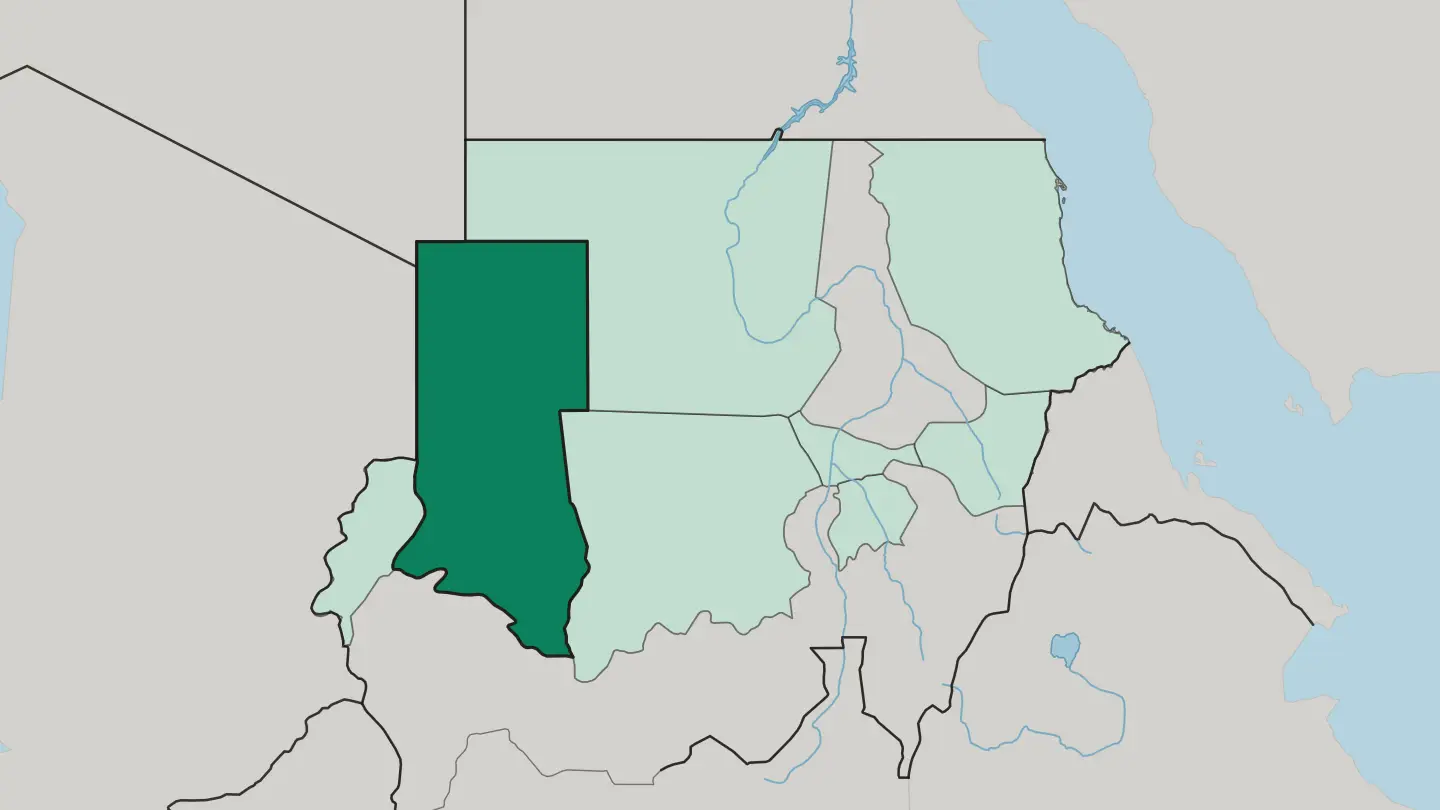 Sudan
Sudan
North Kordofan
North Kordofan is a state of Sudan centred on El Obeid, with Northern, Khartoum, North Darfur and the Kordofan states around it.Towns & cities →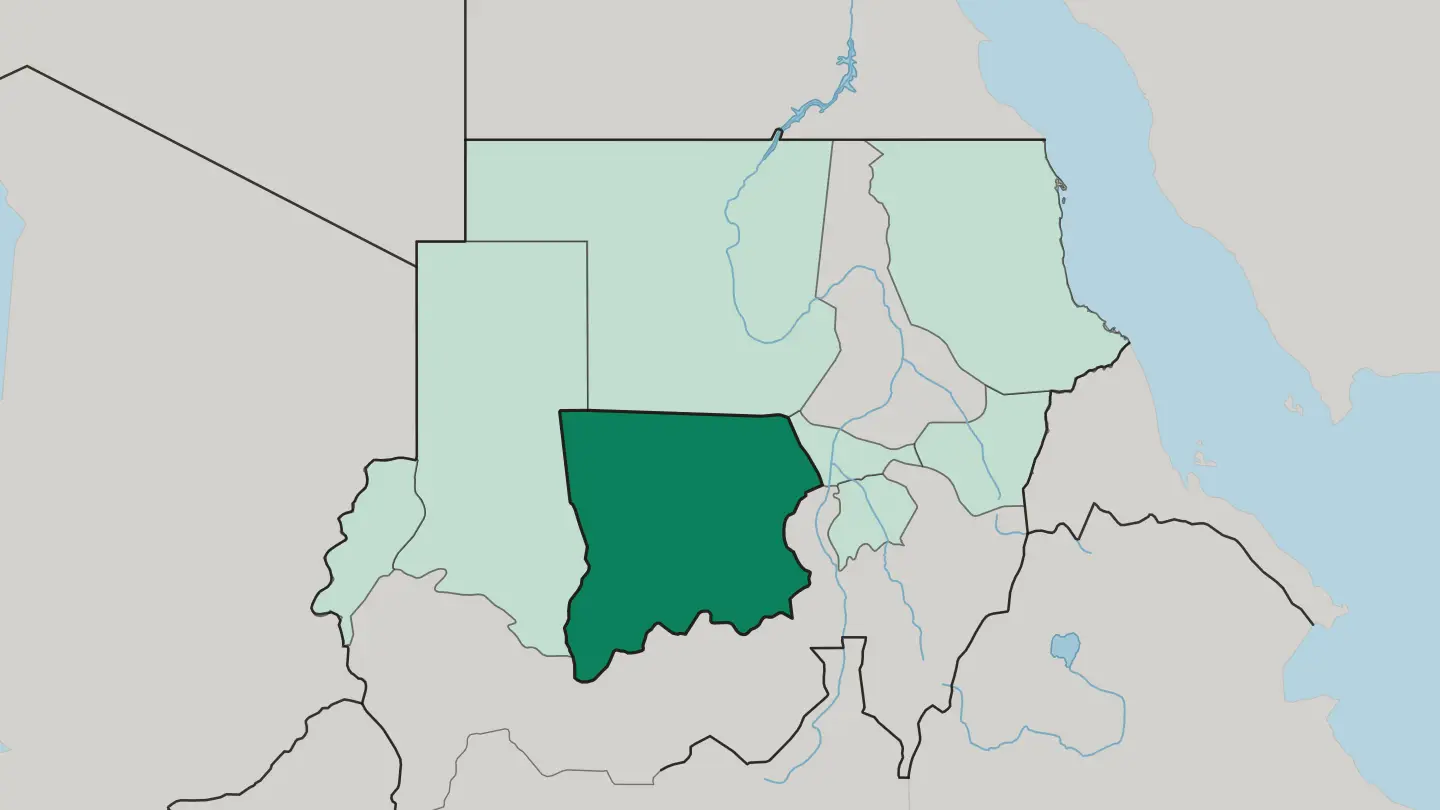 Sudan
Sudan
Northern
Northern State is the largest of Sudan's 18 wilayat by area, a territory known in ancient times as Nubia and once within the Kingdom of Kush.Towns & cities →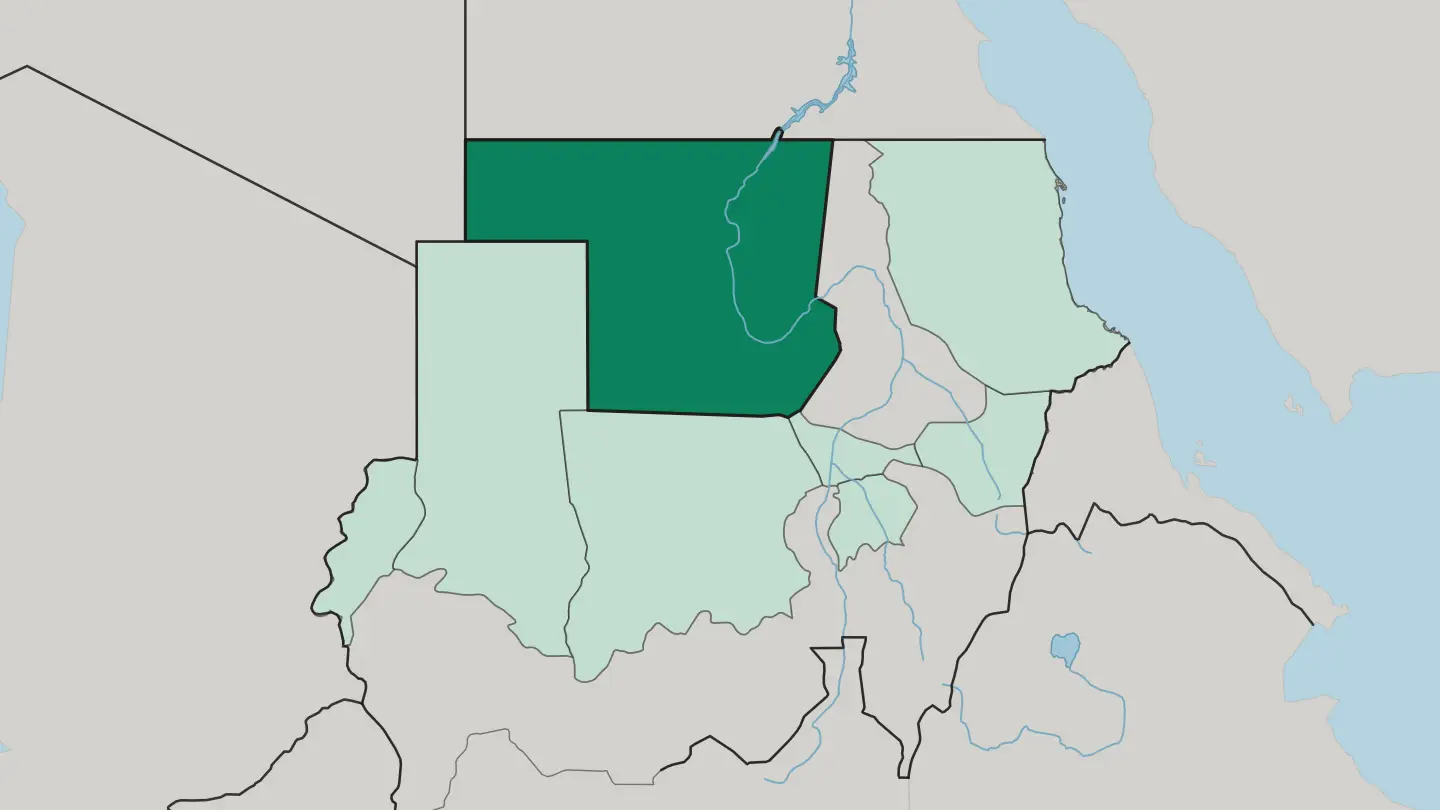 Sudan
Sudan
Red Sea
Red Sea State is Sudan's coastal wilayah, the country's only maritime outlet, with Port Sudan as its capital and its main seaport.Towns & cities →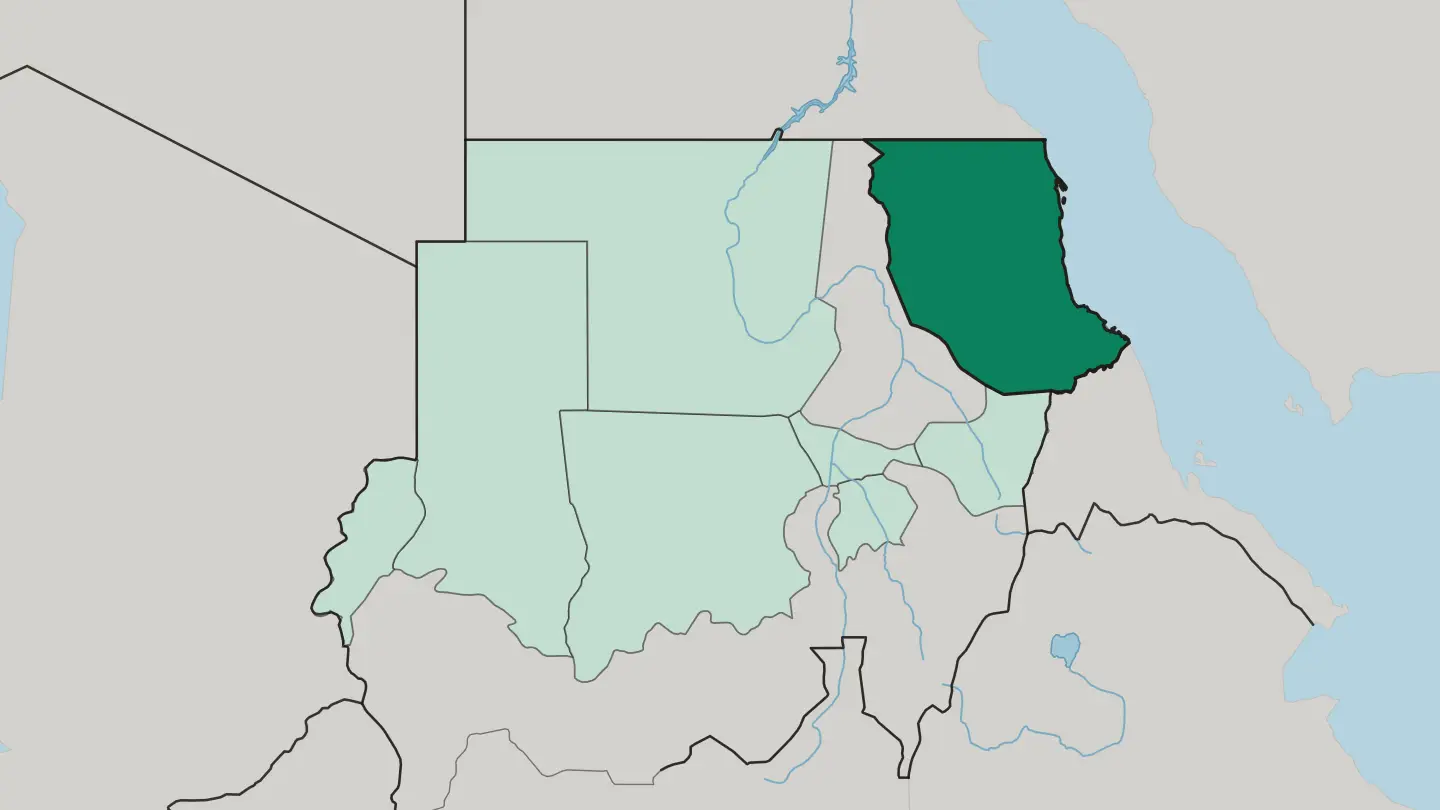 Sudan
Sudan
West Darfur
West Darfur State, historically Dar Masalit, is one of five states forming the Darfur region of Sudan, and Al-Junaynah is its capital.Towns & cities →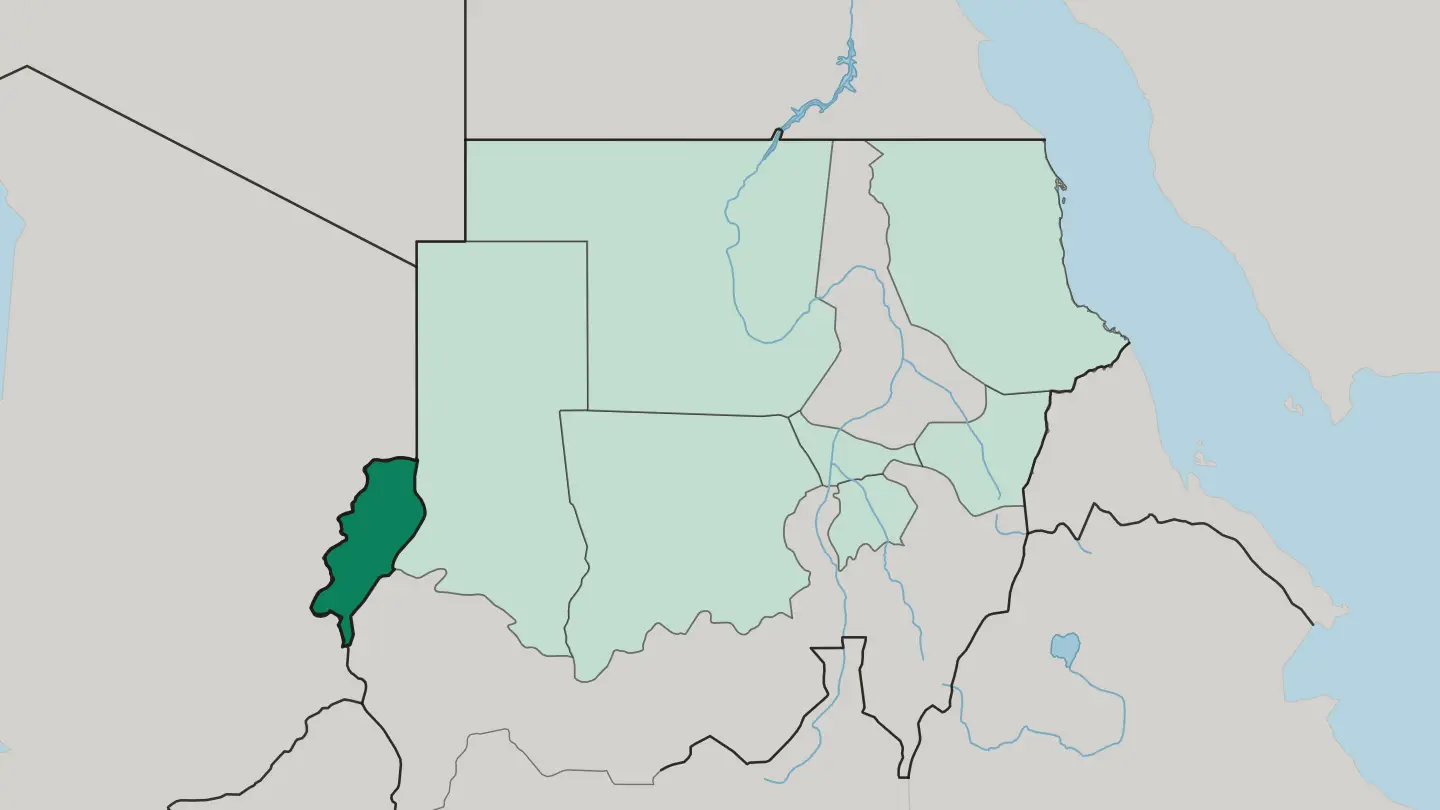
About Sudan
Sudan holds more pyramids than Egypt.
What is Sudan known for?
The steep royal tombs of Meroë, capital of the ancient Kingdom of Kush, rise from open desert north of Khartoum, and further upriver the flat-topped mesa of Jebel Barkal shelters more Kushite pyramids near Karima. Between them runs the Nile. The country is also known for its Nubian villages, the Red Sea diving off Port Sudan, and a reputation among travellers for uncommon hospitality.
Where is Sudan?
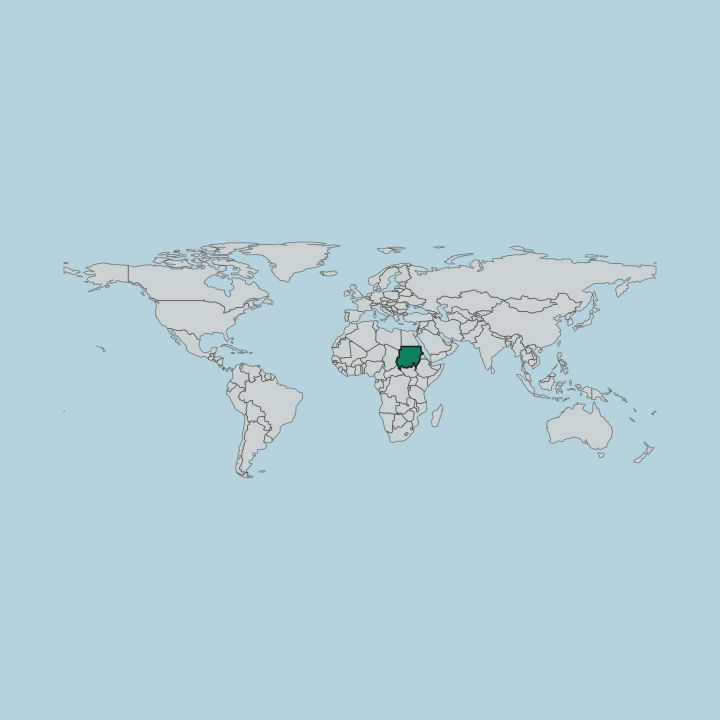
Sudan is Africa's third-largest country, a broad expanse of Northeast Africa framed by the Red Sea in the east and the Sahara in the north. The Nile orders almost everything. The White Nile arrives from the south and the Blue Nile descends from the Ethiopian Highlands, and the two great rivers join at Khartoum before running north as a single stream toward Egypt.
Along that corridor lies most of the farmland and nearly all the towns, a green thread drawn through otherwise dry country. Away from the water the land turns harsh and various. The rocky Nubian Desert spreads across the north, its sand seas and black hills broken only by the river's loops through ancient Nubia.
Eastward the Red Sea Hills climb steeply above a narrow coastal plain before dropping to Port Sudan and its reefs. West of the Nile, Darfur rises to the volcanic peaks of Jebel Marra. Southward the desert gives way to the semi-arid grasslands of the Sahel, where thorn scrub and seasonal rains support herders and their cattle.
From bare dune to river reed, the transitions are stark.
What is the history of Sudan?
One river carries a deep past. By the eighth century BCE the Kingdom of Kush had grown powerful enough that its king Piye marched down the Nile and conquered Egypt, founding a line of Nubian pharaohs remembered as the Black Pharaohs of the 25th dynasty. When Assyrian armies later pushed the Kushites back upriver, they moved their court south to Meroë, where an iron-working city flourished for centuries and buried its rulers under steep sandstone pyramids that still stand.
Meroë fell around 350 CE to the rising power of Aksum. What followed was Christian, then Islamic, then colonial. Three Nubian kingdoms embraced Christianity and held the middle Nile for centuries, until Arab migration and trade gradually turned the region toward Islam.
In the nineteenth century the Mahdist revolt drove Anglo-Egyptian forces from Khartoum, and the tomb of the Mahdi still marks Omdurman across the river. Britain and Egypt returned to rule jointly under the Anglo-Egyptian Condominium. On the first day of 1956 Sudan became independent, the first country in sub-Saharan Africa to shed colonial rule in the postwar era, and the decades since have been shaped by long civil conflict and the 2011 secession of South Sudan.
What is Sudan like?
Sudan is one country and many peoples. Arabic is the shared tongue, but the far-northern Nubians keep languages like Nobiin alive and paint their mud-brick houses along the Nile in bright blues and yellows, while the Beja of the Red Sea Hills carry curved swords in dance and wear the tall teased hairstyle that gave them their old nickname. West in Darfur the Fur and the Nuba of the southern hills keep their own drumming, dances, and crafts.
Faith runs through daily life. Sufi orders gather each week at the tomb of the Mahdi in Omdurman, where drummers and whirling dervishes draw crowds at sunset. Hospitality is close to a national creed, and a guest is rarely allowed to leave hungry.
The everyday table centres on ful medames, fava beans slow-cooked and mashed with oil, cheese, and egg, scooped up with bread. Alongside it comes kisra, a thin fermented sorghum flatbread that plays the role injera does farther south in the Horn. Sweet spiced tea and cardamom coffee, poured from a long-necked jebena, punctuate the day.
Music ties it together, blending Arabic melody with the rhythms of the Nile valley and the Sahel.
What is the climate of Sudan?
Sudan is hot and mostly dry. The Nubian Desert in the north sees almost no rain and swings from fierce daytime heat to cool nights, while a single short rainy season arrives farther south in summer, greening the Sahel grasslands for a few months. Between June and September the dust storm known as the haboob can darken Khartoum's sky in minutes.
The Red Sea coast stays humid year-round. Travel is easiest from November to February, when the desert cools.
How do you get to Sudan?
Nearly all travellers arrive by air into Khartoum, whose airport is the country's main international gateway on the banks of the Nile. Port Sudan handles flights to the Red Sea coast and cruise calls at its harbour. Overland routes cross from Egypt near Wadi Halfa, once by ferry across Lake Nasser, and from Ethiopia and Eritrea in the east.
Hours of road separate them. From the capital most sights are reached by hired vehicle along the desert highways that trace the river north.
Updated September 2026