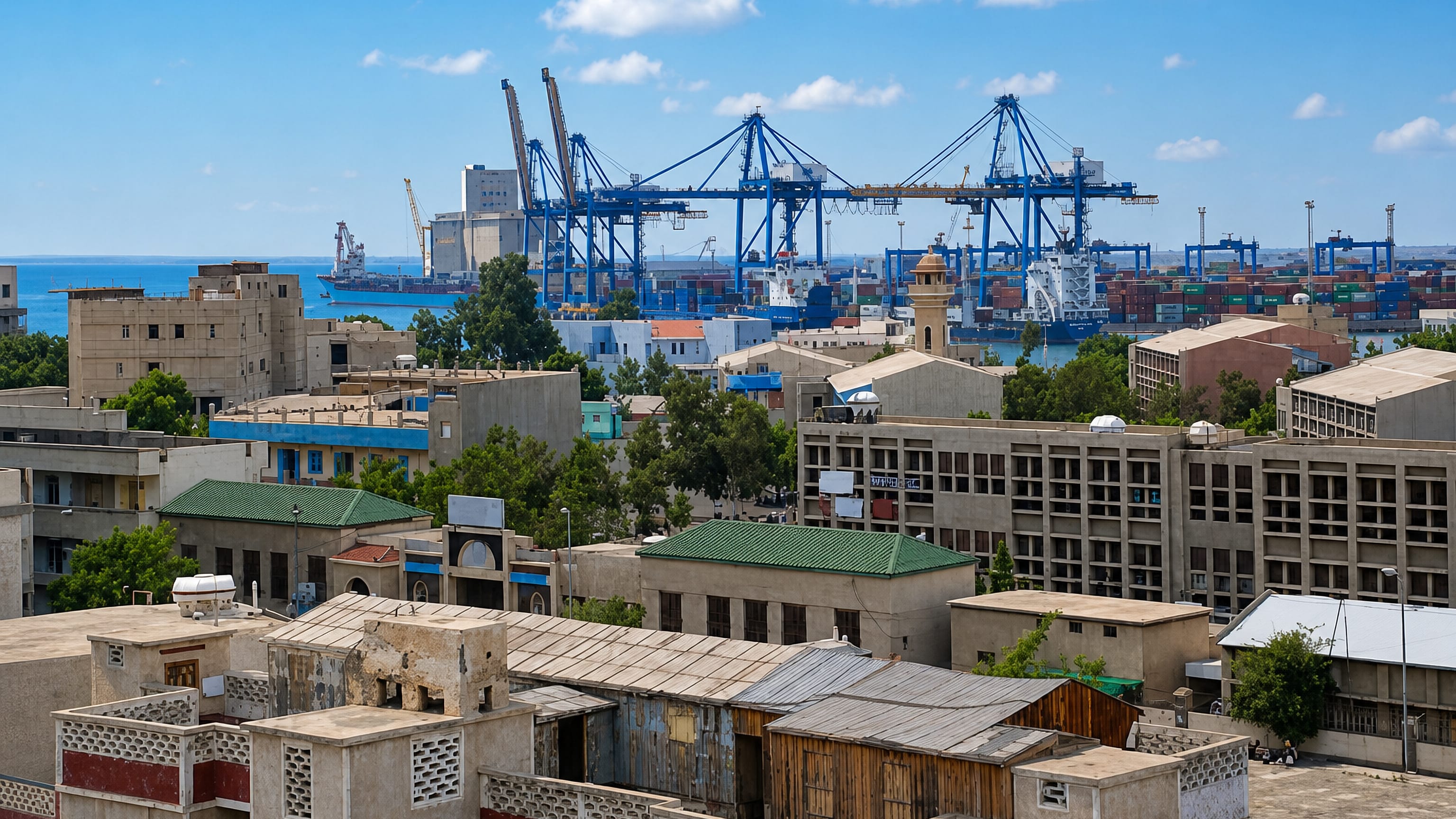
Sudan · Red Sea
Where to Stay in Port Sudan, Red Sea
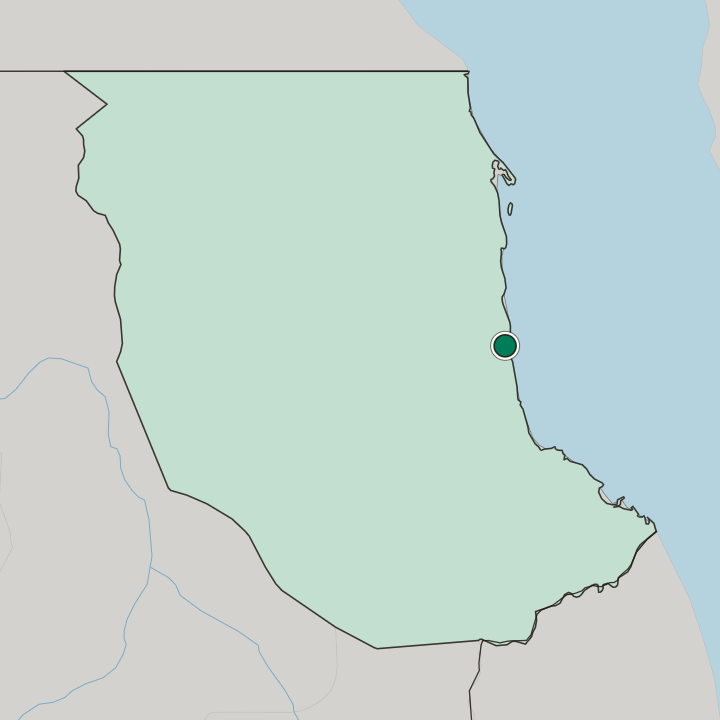
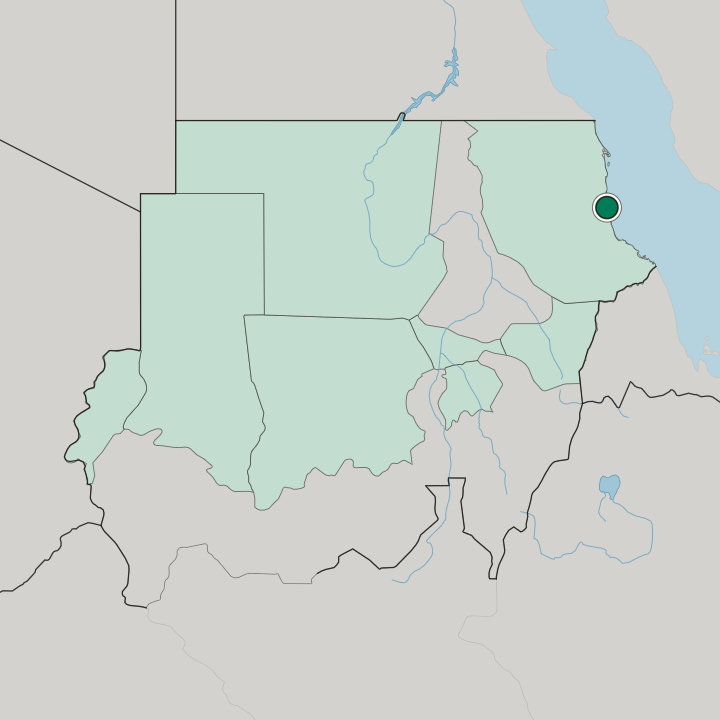
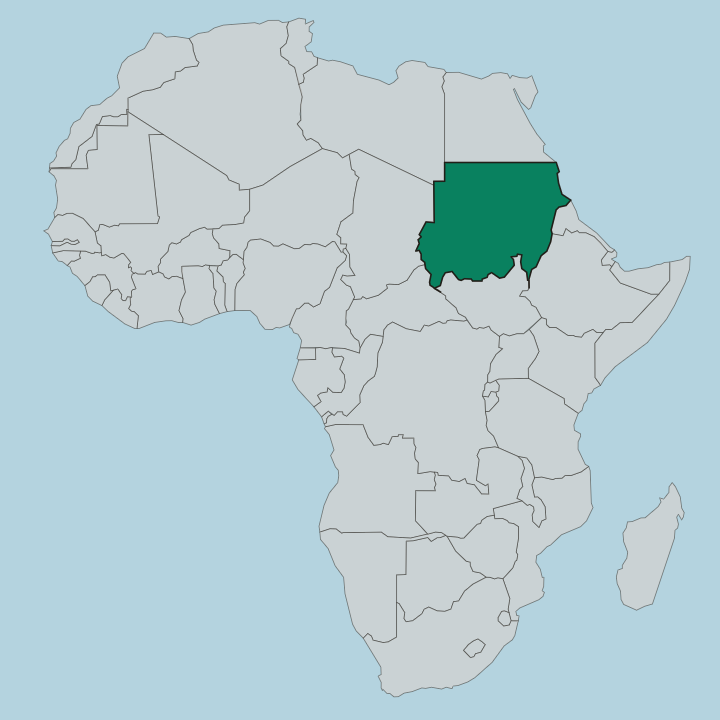
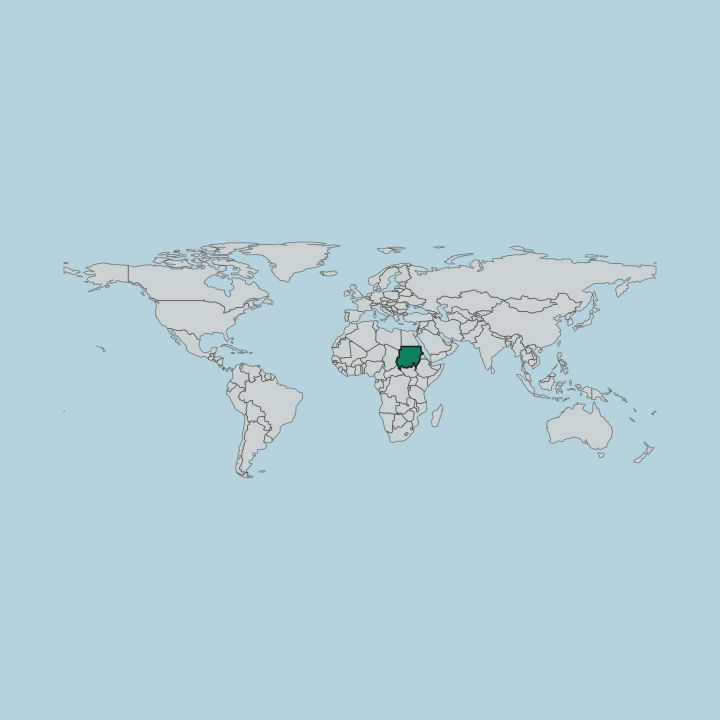
Port Sudan is Sudan's main seaport, a Red Sea city founded in 1905 and the capital of Red Sea State in eastern Sudan.
Hotel links are affiliate links: booking through them may earn us a commission, at no extra cost to you. It never affects how places are ranked. How this works


Where to stay in Port Sudan
Where visitors usually base themselves, and why.
Port Sudan was built for ships, not visitors. The city dates from 1905 and grew around the business of loading and unloading, so its rooms have always answered to crews, traders and officials rather than to holidaymakers, and that shapes what is on offer. The harbour is one pole.
Beds near the wharves suit anyone whose reason for being in eastern Sudan is cargo, customs or a vessel due in, and they keep the Red Sea State administration close as well. The water is the other. The Red Sea runs the length of the city's front, and rooms facing it give a visitor something the port side cannot, which is a reason to be here that has nothing to do with freight.
Choose by purpose, not by district. Port Sudan carries no listed monument, no old quarter and no museum in its record, so an address is worth judging on how near it stands to the harbour gates or the shore rather than on any character it might lend the stay. Book with the ships in mind.
Traffic through Sudan's main seaport sets the rhythm of the whole town, and a week when several vessels are working will fill rooms that would otherwise stand empty.
Find hotels in Port Sudan
Direct booking searches for these neighbourhoods.
The harbour front
Port Sudan exists for its wharves, and a room on the harbour front keeps both the quays and the Red Sea State offices within reach of anyone here on cargo business.Find hotels in The harbour frontStays given to the Red Sea rather than to the quaysThe Red Sea shore
The Red Sea is the one thing in Port Sudan that has nothing to do with cargo, and beds along the shore trade closeness to the port gates for open water at the door. Beds are limited here, so book early.Find hotels in The Red Sea shoreHotel links are affiliate links: booking through them may earn us a commission, at no extra cost to you. It never affects how places are ranked. How this works
About Port Sudan
Trade is the whole story.
What is Port Sudan known for?
Port Sudan handles the great bulk of the country's international commerce, something near 90 per cent of it, which makes this the point through which most of what Sudan buys and sells physically passes. Geography handed it the role. A coast on the Red Sea gave the country its principal outlet, and the city that grew around the wharves became the capital of Red Sea State as a consequence.
What are the main landmarks in Port Sudan?
Cranes, not monuments. Nothing in Port Sudan's record is listed as a landmark, which for a city founded in 1905 to move cargo is less an omission than an accurate description of what the place was built to do. One thing does draw the eye.
Open water on the Red Sea at the edge of eastern Sudan is what a visitor actually looks at here, and the working harbour that handles most of the country's trade is the nearest thing the city has to a sight.
What is the history of Port Sudan?
The city has a firm birth date. Port Sudan was founded in 1905, which is a late date for a city of this size and explains why nothing older survives inside it. The name records the purpose.
Port Sudan is called after the function it performs, and a city founded on the Red Sea coast with that name carries its own explanation of why it exists at all. Shipping shaped everything that followed. The seaport became the route for most of what crosses Sudan's borders by ship, something near 90 per cent of the country's international trade, and that single function has governed the city's growth ever since.
Administration followed the cargo. Red Sea State is administered from here, which added a provincial capital's business to a place that already handled the country's freight, and the two roles have run together ever since. Counting came in 2008.
The 2008 Census of Sudan is the enumeration the city's modern description rests on, and it stands as the only dated milestone the record offers between the founding on the Red Sea and the eastern Sudan of the present day.
Where is Port Sudan?
One feature governs everything. Port Sudan occupies a stretch of the Red Sea shore in eastern Sudan, in the tropical band north of the equator, and the water is the only feature of consequence anywhere in its record. No river reaches it.
The harbour is what this coast is good for, which is why Red Sea State takes its name from the water rather than from any range, valley or watershed inland.
What is the climate of Port Sudan?
The Red Sea does the moderating. Port Sudan sits in the tropical band north of the equator on an open coast, so humidity off the water counts for more in how a day feels than any figure on a thermometer would suggest. Wind matters here.
Air moving in off the Red Sea decides how the shore side of the city feels, and anyone working the harbour in eastern Sudan learns which hours suit.
How do you get to Port Sudan?
Ships come first. Port Sudan is the country's main seaport, so the arrivals that matter most here are vessels rather than passengers, and the city's whole layout answers to that traffic. Roads run inland from the quays.
Overland links carry the freight on into Sudan from the Red Sea coast, and a traveller heading for eastern Sudan by land will find the route ends at the same place the cargo does.
Common questions
What is the best area to stay in Port Sudan?
The harbour front: Shipping business at Sudan's main seaport. The Red Sea shore: Stays given to the Red Sea rather than to the quays.
Updated September 2026