Singapore: Regions, Cities & Travel Guide
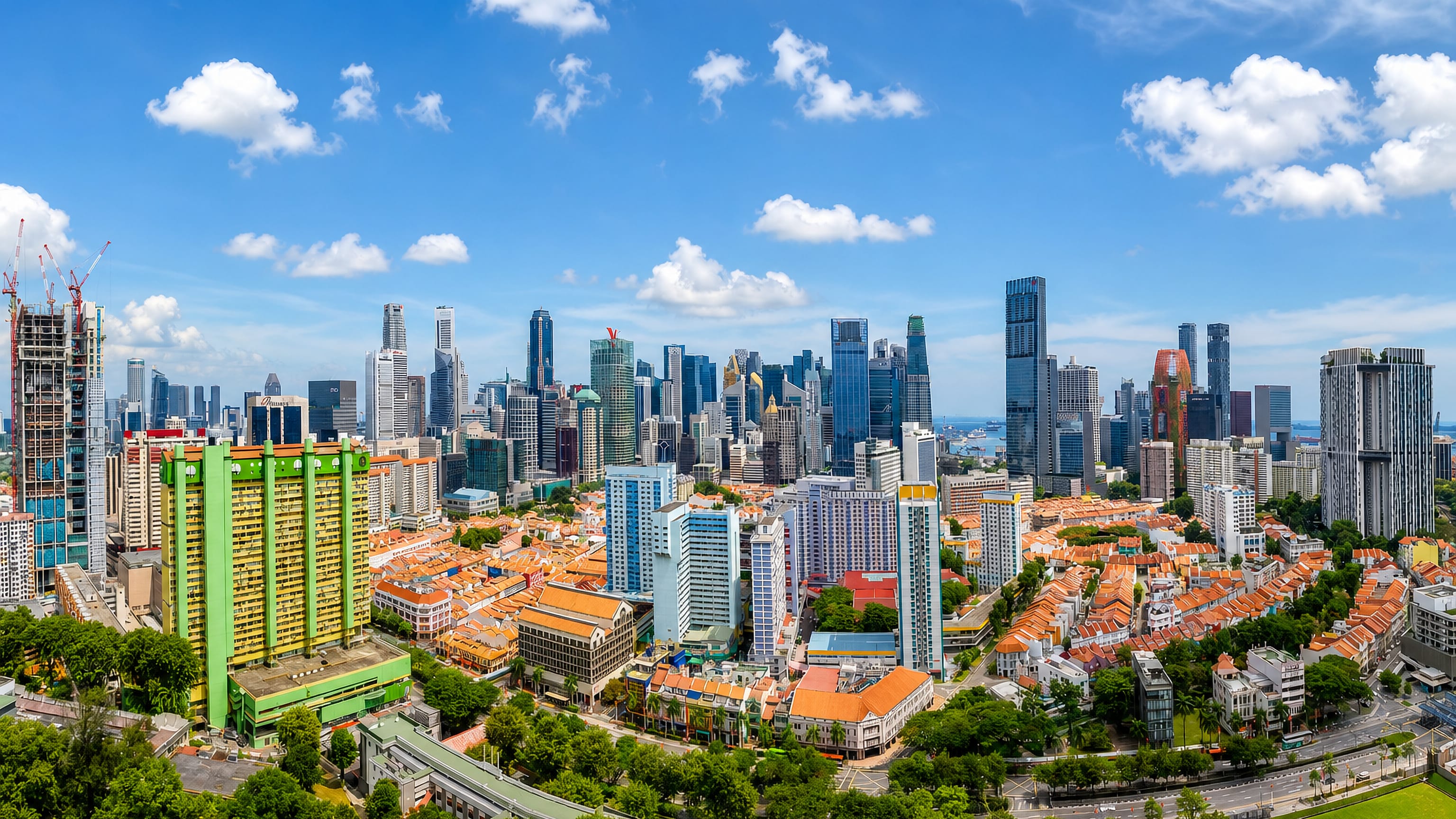
Singapore is a sovereign city-state in Southeast Asia, an island republic of many cultures off the southern tip of the Malay Peninsula.
Hotel links are affiliate links: booking through them may earn us a commission, at no extra cost to you. It never affects how places are ranked. How this works


Top destinations in Singapore
One city to start from, then drill into its areas and hotels.
 Singapore
Singapore
Singapore is an island city-state in Southeast Asia, between the Strait of Malacca and the Singapore Strait off the Malay Peninsula.Where to stay →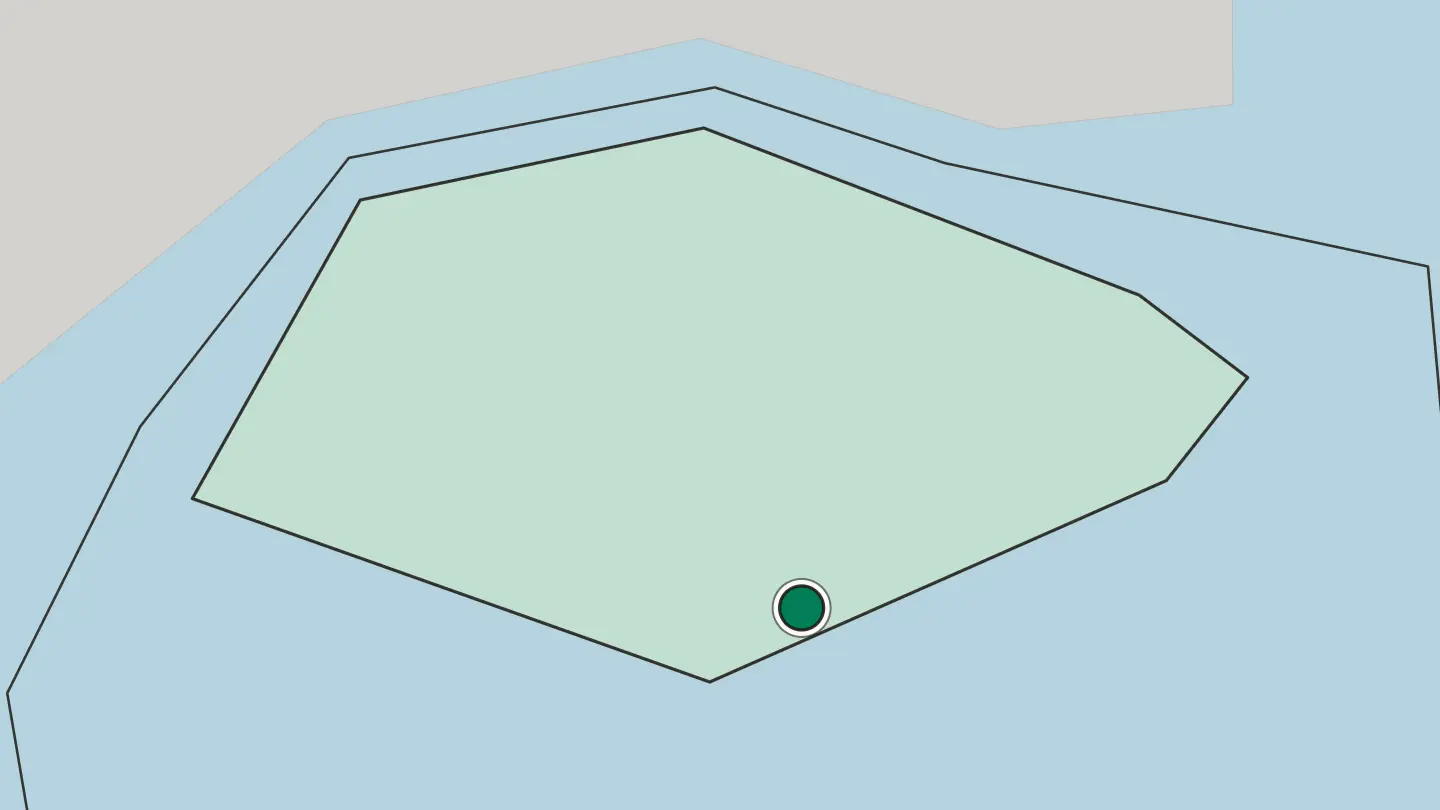
Hotel links are affiliate links: booking through them may earn us a commission, at no extra cost to you. It never affects how places are ranked. How this works
Browse by region
One region so far — open it to see its cities and towns.
Explore by experience
Not sure which place? Start from how you want to travel.
About Singapore
Few countries pack so much into so little.
What is Singapore known for?
Singapore is one main island and more than sixty smaller ones, a republic the size of a city that turned a colonial trading post into one of the world's great ports. Four languages share its streets. English, Malay, Mandarin Chinese, and Tamil run through a society of Chinese, Malay, Indian, and Peranakan roots, and the food courts called hawker centres are its common table.
Where is Singapore?
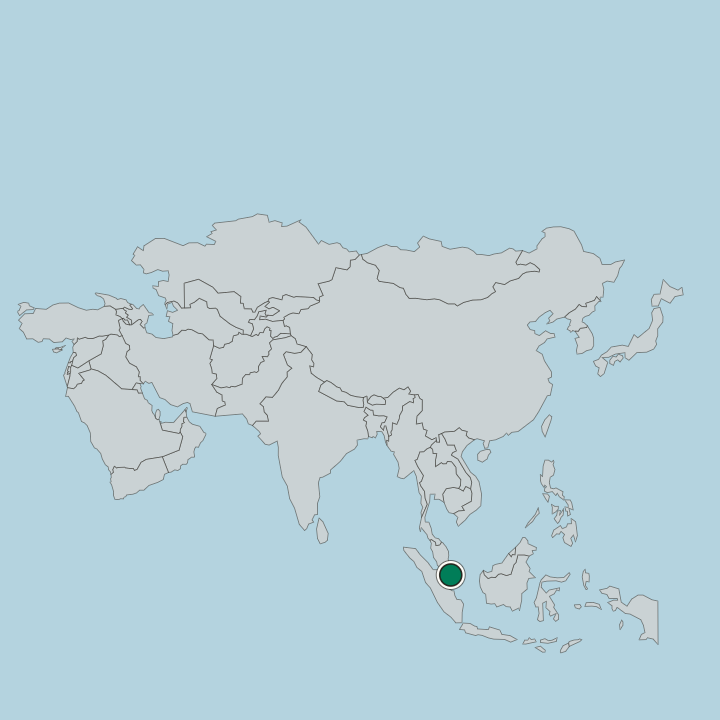
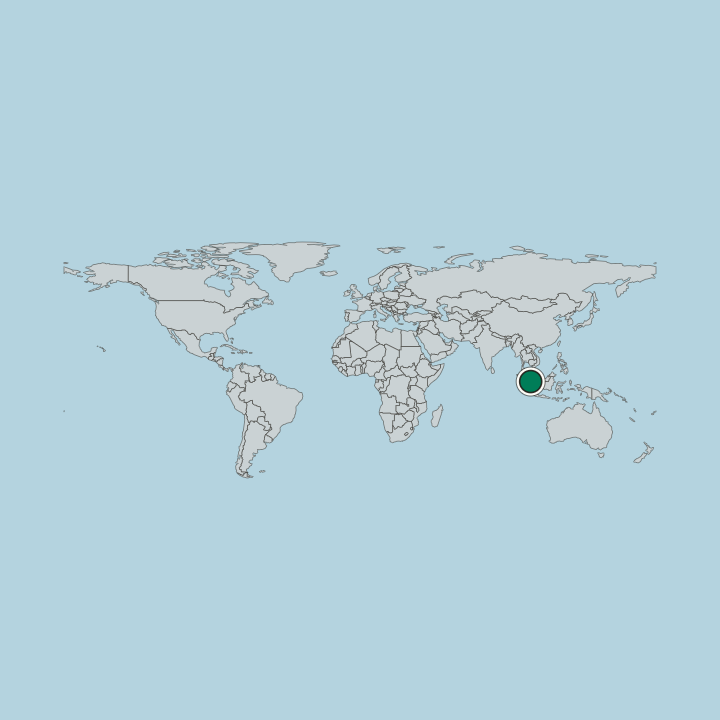
Singapore is one of the smallest countries on earth, and almost all of it is low and flat. The main island lies off the southern tip of the Malay Peninsula, separated from the State of Johor by the narrow Straits of Johor and tied to it by a causeway and a second bridge. More than sixty smaller islands and islets ring the coast, from resort-covered Sentosa to the nature reserves of the north.
The Strait of Malacca passes to the west and the Singapore Strait to the south, two of the busiest waterways on the planet, and the ships waiting offshore are a permanent part of the view. Land is the scarce resource, so the country keeps making more of it. Reclamation has widened the shoreline for generations, most visibly at Marina Bay, where a barrage seals a freshwater reservoir off from the sea.
Inland, the central catchment holds rainforest and reservoirs that supply part of the water, while the rest crosses the causeway in pipes from Johor. The highest ground, Bukit Timah, rises only a little above the rooftops. Hills are few.
What the island lacks in relief it makes up in green, threaded through with parks, roadside trees, and the planted domes of Gardens by the Bay.
What is the history of Singapore?
The island had a past before the British arrived. Medieval traders knew it as Temasek and later Singapura, the Lion City, a name the Merlion still echoes. Excavations on Fort Canning Hill have turned up gold ornaments from that early settlement.
A British post in 1819 reset the story, and Sir Stamford Raffles signed the treaty that opened the free port. Migrants from southern China, India, and the Malay world soon built the quarters that became Chinatown, Little India, and Kampong Glam, while the port was governed from afar as part of the Straits Settlements alongside Penang and Malacca. The twentieth century was harder.
Japanese occupation in 1942 shattered the colonial order, and the years after the war ran from self-government to a brief, uneasy union with Malaysia. Separation came in 1965, and Singapore became an independent republic with little beyond its harbour and its people. Public housing remade the map.
From a single trading port the new state built the industry, the high-rise housing estates, and the schooling that turned a colonial entrepôt into one of Asia's wealthiest economies. The National Museum of Singapore tells that whole arc under one roof.
What is Singapore like?
Culture in Singapore is a balance struck between four traditions kept deliberately side by side. Chinese, Malay, Indian, and Eurasian communities each hold their festivals on the public calendar, from Chinese New Year to Hari Raya, Deepavali, and Christmas. The Peranakan heritage, born of Chinese settlers and Malay culture, carries its own cuisine, its own beadwork, and its own house of memory in the Peranakan Museum.
Temples, mosques, and churches stand within a few streets of one another. Food is the everyday expression of all this. The hawker centre, a roofed hall of cheap stalls, joined the UNESCO heritage list, and a plate of chicken rice or laksa costs much the same to a banker and a bus driver.
The Asian Civilisations Museum gathers the longer story of the region's faiths and trades. Sri Mariamman Temple, the Buddha Tooth Relic Temple, and Masjid Sultan show it still in daily use. Faith here is lived in public.
What is the climate of Singapore?
The whole country sits a single step from the equator, so the calendar barely moves the thermometer. It stays hot and wet, with high humidity and sudden afternoon downpours that clear as quickly as they gather. There are no winters here.
Two monsoons divide the year, the wetter northeast monsoon near its close, the drier southwest monsoon through the middle, and between them lies the steady warmth that keeps the island green.
How do you get to Singapore?
Nearly every visitor enters through Changi. The airport ranks among the world's busiest and best-connected, an hour or less by air from much of Southeast Asia. Two land crossings tie the island to Malaysia over the Straits of Johor, the old Causeway and the Tuas Second Link.
Cruise ships berth at the harbour that made the place. Within the island, the Mass Rapid Transit does the rest.
Good for
Updated September 2026