Slovenia · Urban Municipality of Maribor
Where to Stay in Maribor, Urban Municipality of Maribor
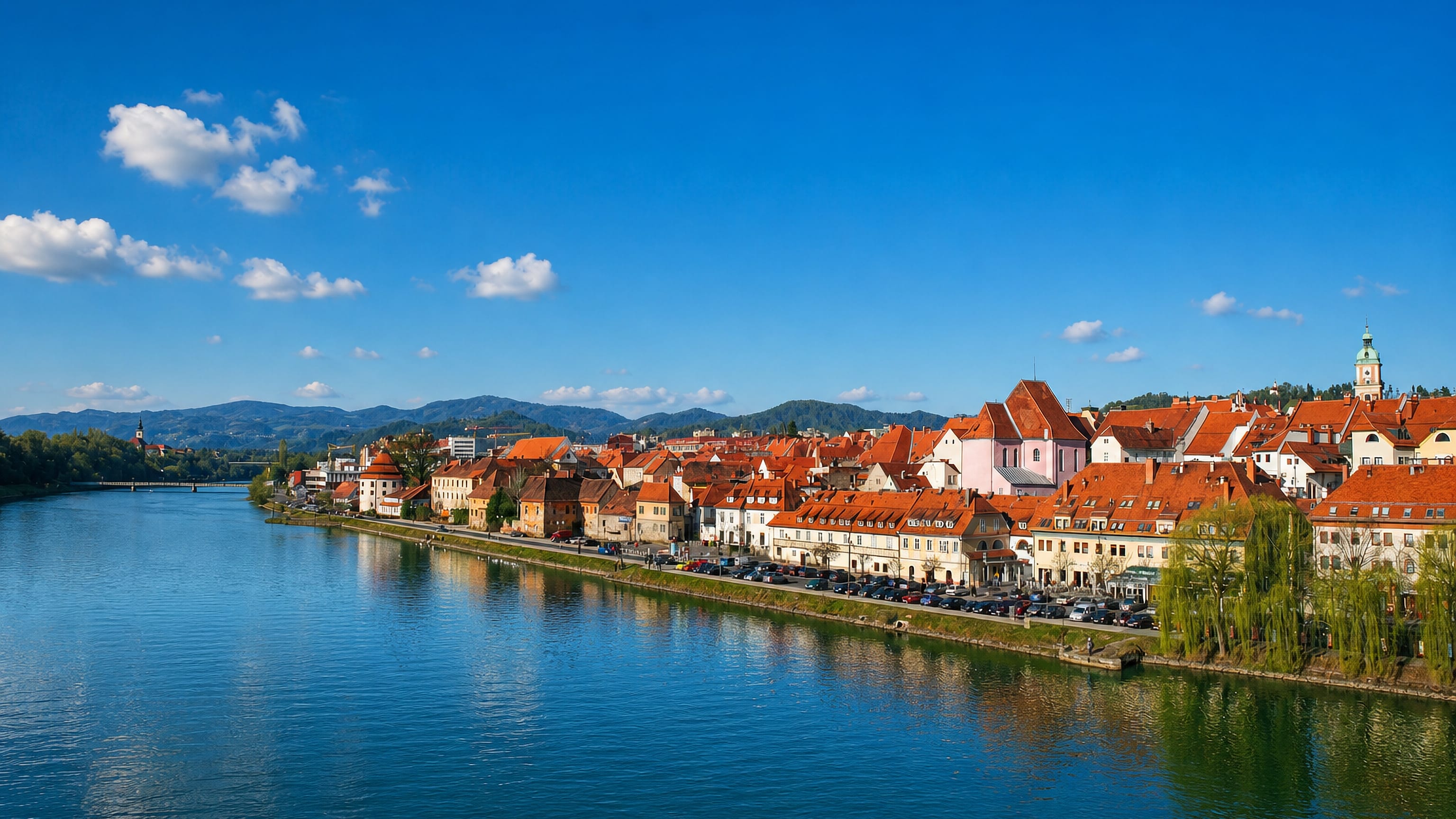
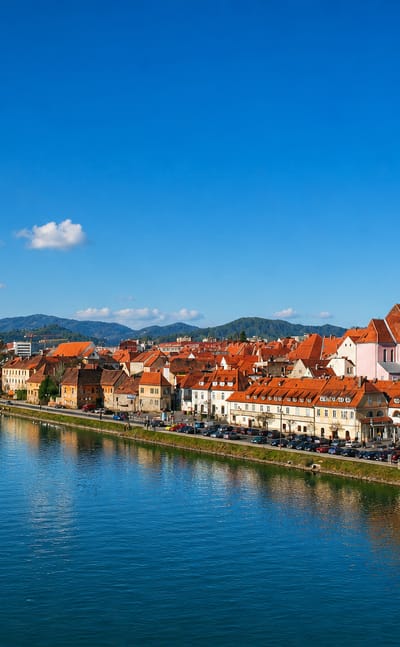
The Drava runs through Maribor, the second-largest city in Slovenia and seat of Lower Styria, known for its castle and the vineyards of the Pohorje hills.
Hotel links are affiliate links: booking through them may earn us a commission, at no extra cost to you. It never affects how places are ranked. How this works


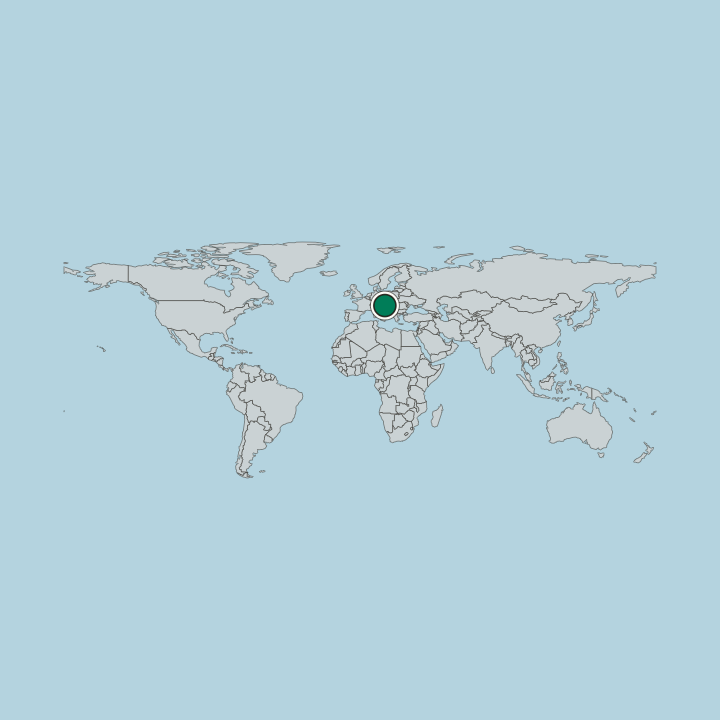
Where to stay in Maribor
One neighbourhood here has its own guide — here's what it is best for.
 MariborSlovenia
Pobrežje
Maribor Cemetery, the largest in the city, sits inside the Pobrežje District, one of the city districts of the City Municipality of Maribor.Where to stay →Hotel links are affiliate links: booking through them may earn us a commission, at no extra cost to you. It never affects how places are ranked. How this works
Find hotels in Maribor
Direct booking searches for these neighbourhoods.
Lent
Maribor's oldest quarter along the Drava embankment, by the Minorite Monastery of Maribor and Tabor Hall.Find hotels in Lentwine roads and winter runsMariborsko Pohorje
The Pohorje slopes above Maribor, holding the ski ground and the vineyards a short climb from the old core.Find hotels in Mariborsko PohorjeHotel links are affiliate links: booking through them may earn us a commission, at no extra cost to you. It never affects how places are ranked. How this works
Things to do in Maribor
Ranked by global recognition; descriptions from Wikidata (CC0).
Museums & Galleries
2- Maribor Regional Museum
- Maribor National Liberation Museum
Churches & Religious Sites
2- Maribor Cathedral Heritage
- Minorite Monastery of Maribor Heritage
Castles & Historic Sites
7- Maribor Castle Heritage
- Pyramid Heritage
- Monument to Boris Kidrič Heritage
- Arheološko najdišče Branik Heritage
- Arheološko najdišče Meljski hrib Heritage
Show 2 more →
- Prazgodovinsko grobišče na Pobrežju Heritage
- Rimsko grobišče Zrkovska cesta Heritage
Stadiums & Sports
3- Tabor Hall
- Draš Center
- Dvorana Lukna
Landmarks & Notable Places
6- Poliklinika Spera Heritage
- Najstarejša hiša v Mariboru Heritage
- Baroničina hiša Heritage
- Hiša Glavni trg 10 (Novo Mesto) Heritage
- Hiša Gosposka 3, Maribor Heritage
Show 1 more →
- Hiša Židovska brez številke Heritage
worth knowingacross 5 categories in Maribor
About Maribor
What is Maribor known for?
Maribor is known as the largest city of Lower Styria and the second-largest in Slovenia, set on the Drava beneath the Pohorje hills. Wine grows on the slopes above it. The city is the seat of the Drava Statistical Region and the traditional capital of Štajerska, and it draws its name and standing from the vineyards, the river, and the university life at the eastern edge of the country.
What are the main landmarks in Maribor?
Maribor gathers its landmarks in the old core by the Drava. Maribor Castle and Maribor Cathedral stand near the market squares, with Tabor Hall and the Minorite Monastery of Maribor close by. The Pyramid rises on the hill above the city, the Maribor Regional Museum keeps its collections in the castle, and the streets between them carry the built heritage of Lower Styria.
What is the history of Maribor?
Maribor grew as the market and castle town of Lower Styria, the largest settlement of the traditional region and the point that came to serve as the capital of Štajerska. Its heart formed by the Drava. The castle and the churches of the old core mark the long centuries when the town governed the country around it, and Maribor Castle still holds the collections of the Maribor Regional Museum.
Over time the city became the administrative, educational, and cultural centre of eastern Slovenia and the seat of the Drava Statistical Region. Trade and learning gathered here. The Pyramid on the hill above the streets recalls the older fortification that once watched the river crossing, and the Minorite Monastery of Maribor along the Drava embankment carries the religious life of the medieval town into the present city.
Maribor keeps that layered record in its stone.
Where is Maribor?
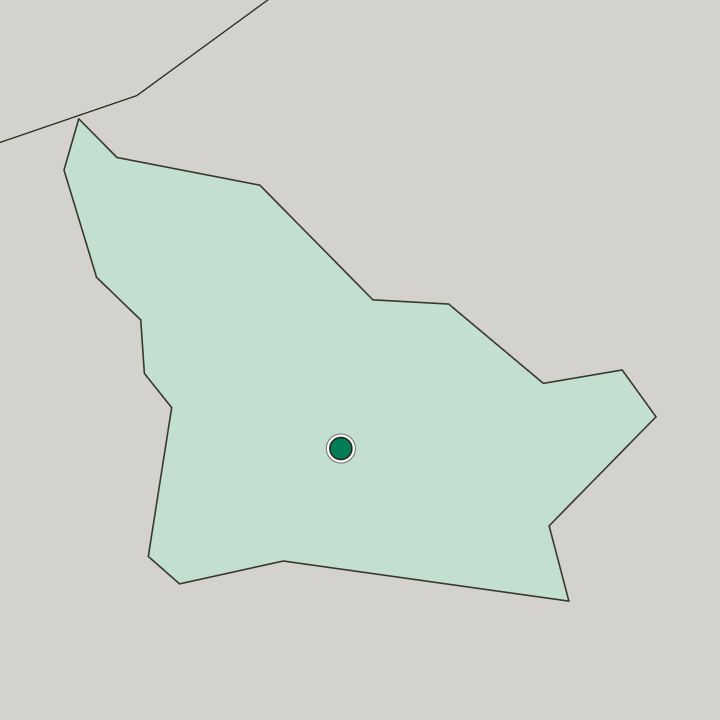
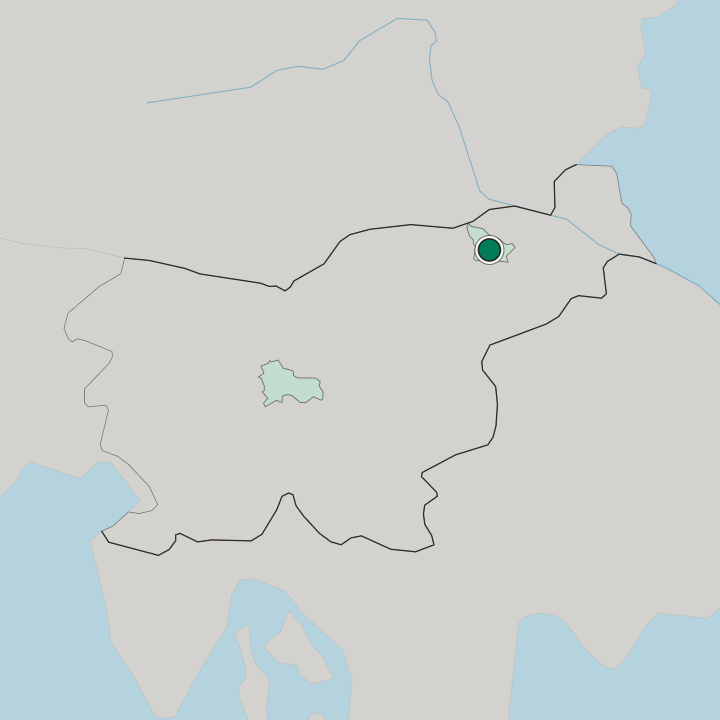
Maribor sits on the Drava at the foot of the Pohorje, where five natural geographic regions come together near the Austrian border of Slovenia. The Drava divides Maribor between its two banks. Vineyards climb the Mariborsko Pohorje slopes above the streets, the water carries the old crossing at the heart of Lower Styria, and the hills and the plain meet at the edge of the settled valley.
What is the climate of Maribor?
Maribor holds a temperate inland climate on the Drava, warm enough on the Pohorje slopes to ripen the vineyards above the city. Winters are cold and often grey. Summers run warm through the valley, the turning weather of spring and autumn moves across Lower Styria between them, and the seasonal swing shapes the wine year on the hills.
How do you get to Maribor?
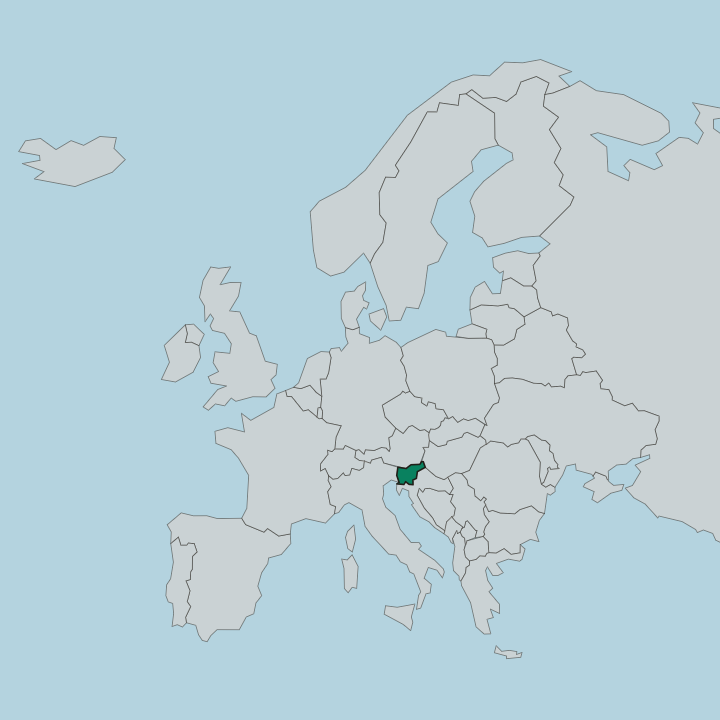
Maribor is reached at the eastern edge of Slovenia, near the Austrian border and close to the Drava crossing that the city grew around. The routes converge on the centre. Travellers arrive into Maribor and climb from there to the Mariborsko Pohorje slopes or spread out across Lower Styria, since the seat carries the connections that tie the region to the rest of the country.
Common questions
What is the best area to stay in Maribor?
Lent: old-town evenings by the river. Mariborsko Pohorje: wine roads and winter runs.
Good for
Updated October 2026