Slovenia: Regions, Cities & Travel Guide
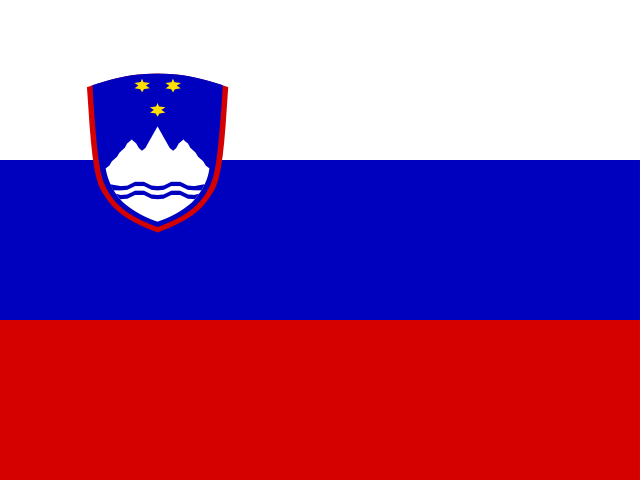
Slovenia climbs from the Adriatic Sea to the Julian Alps, a small country in Central Europe centred on the capital, Ljubljana.
Hotel links are affiliate links: booking through them may earn us a commission, at no extra cost to you. It never affects how places are ranked. How this works


Top destinations in Slovenia
Cities to start from, then drill into areas and hotels.
 Slovenia
Ljubljana
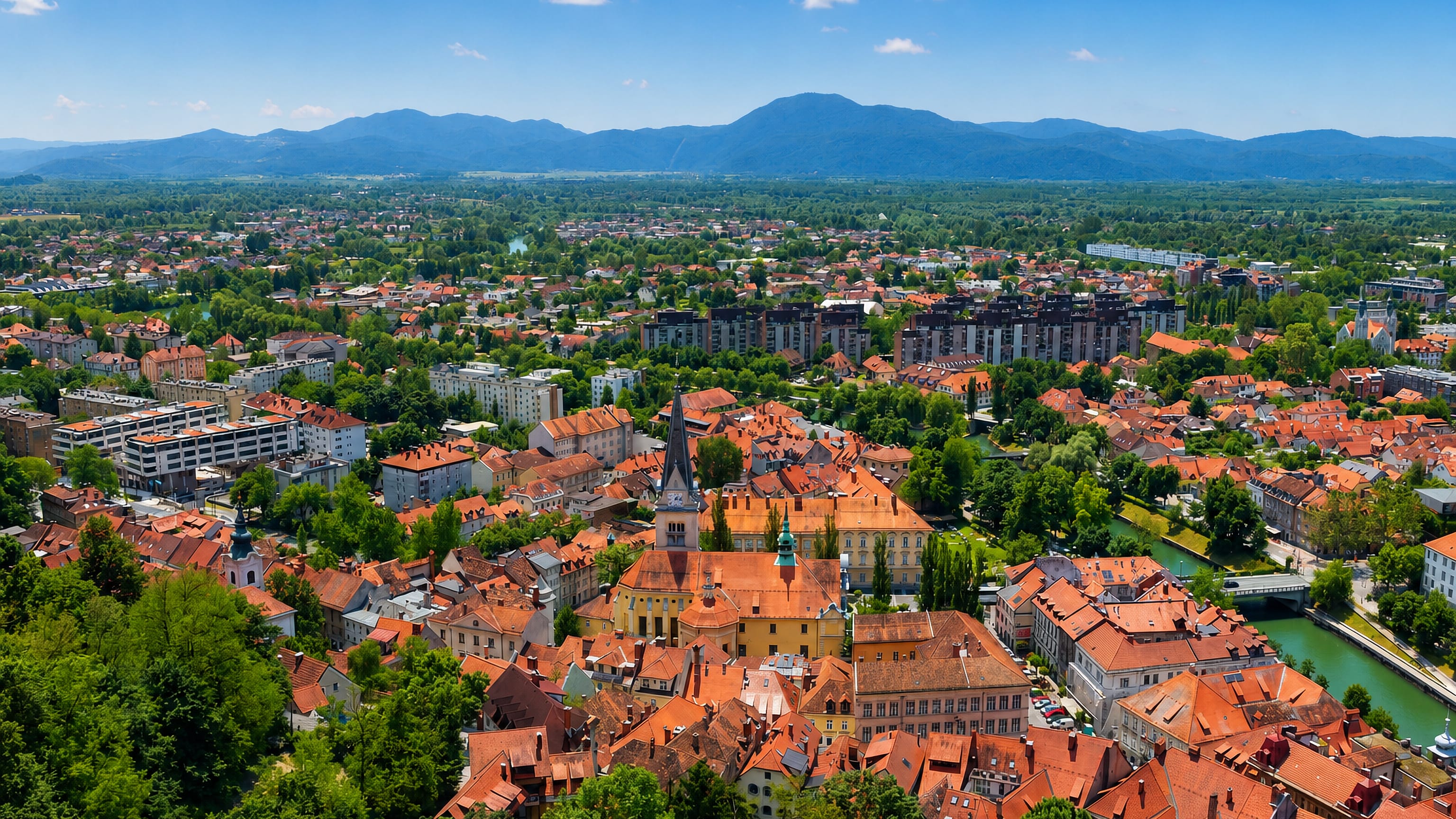
Ljubljana is the capital and largest city of Slovenia, an old centre of museums and galleries below the walls of Ljubljana Castle.Where to stay →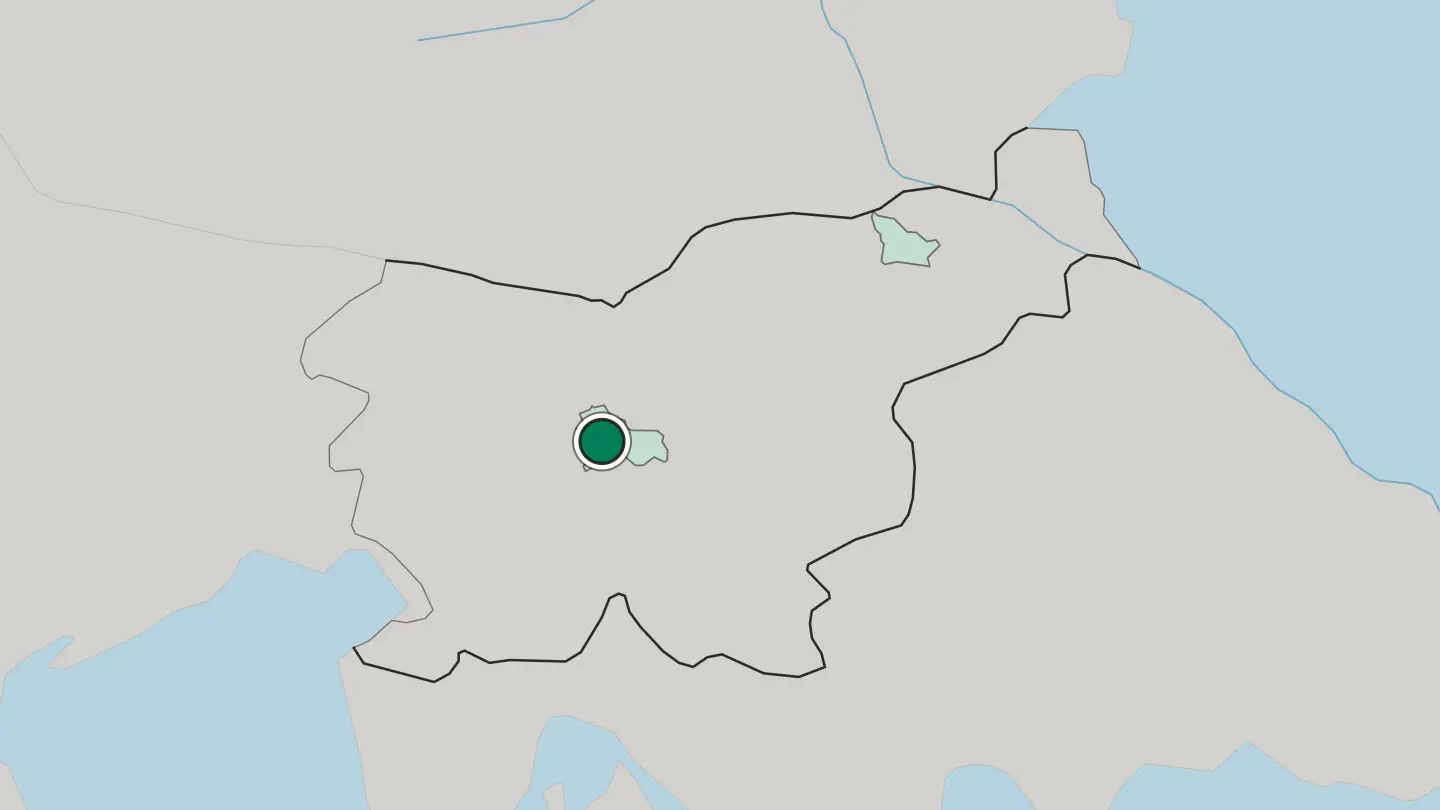
 Slovenia
Maribor
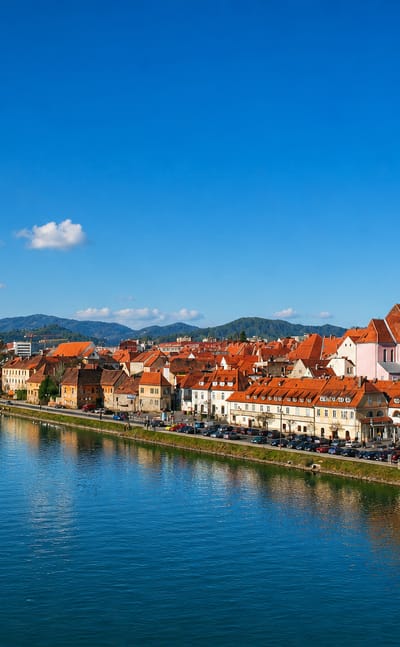
The Drava runs through Maribor, the second-largest city in Slovenia and seat of Lower Styria, known for its castle and the vineyards of the Pohorje hills.Where to stay →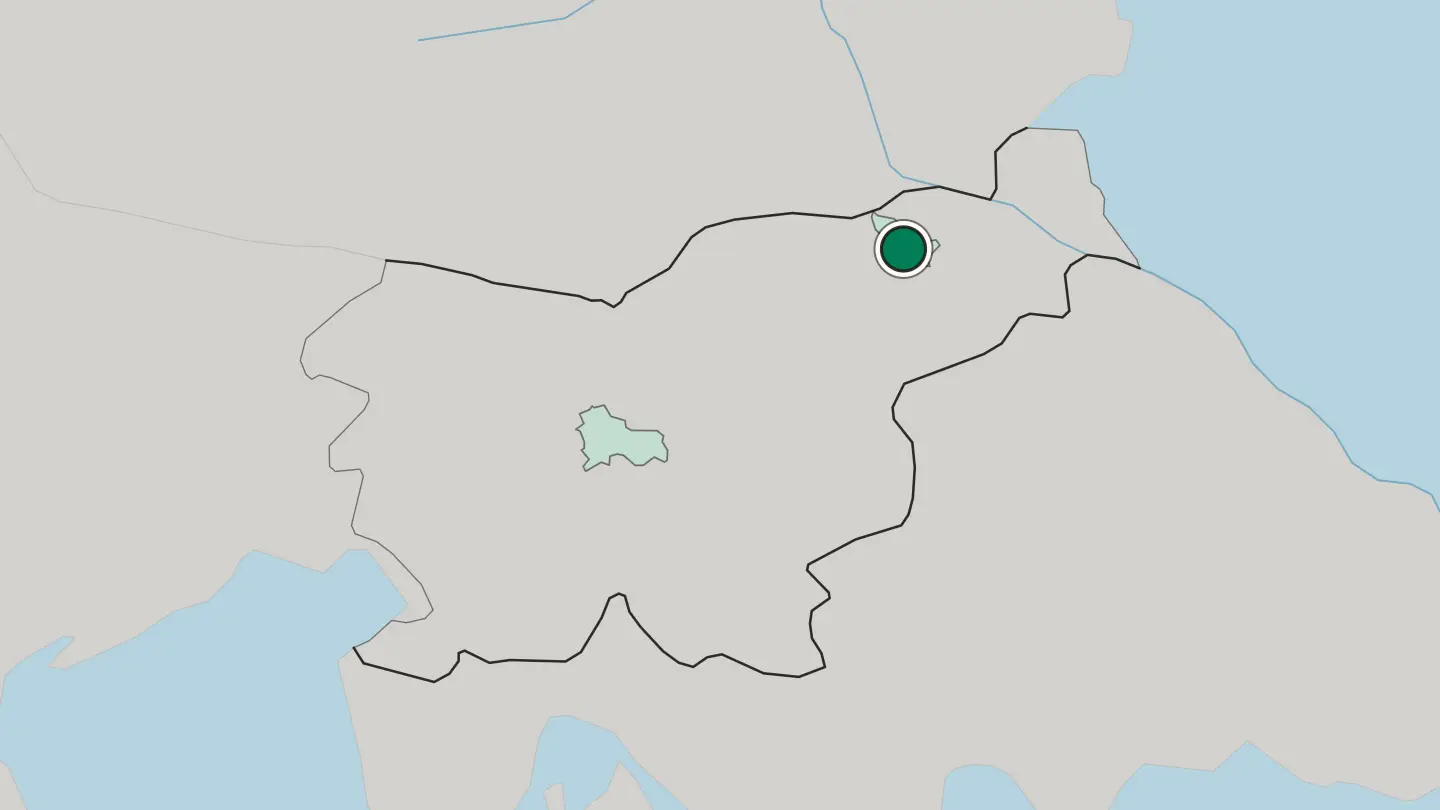
Hotel links are affiliate links: booking through them may earn us a commission, at no extra cost to you. It never affects how places are ranked. How this works
Regions of Slovenia
Slovenia
Urban Municipality of Ljubljana
The Urban Municipality of Ljubljana is the city municipality around Ljubljana, the capital and largest city of Slovenia.Towns & cities →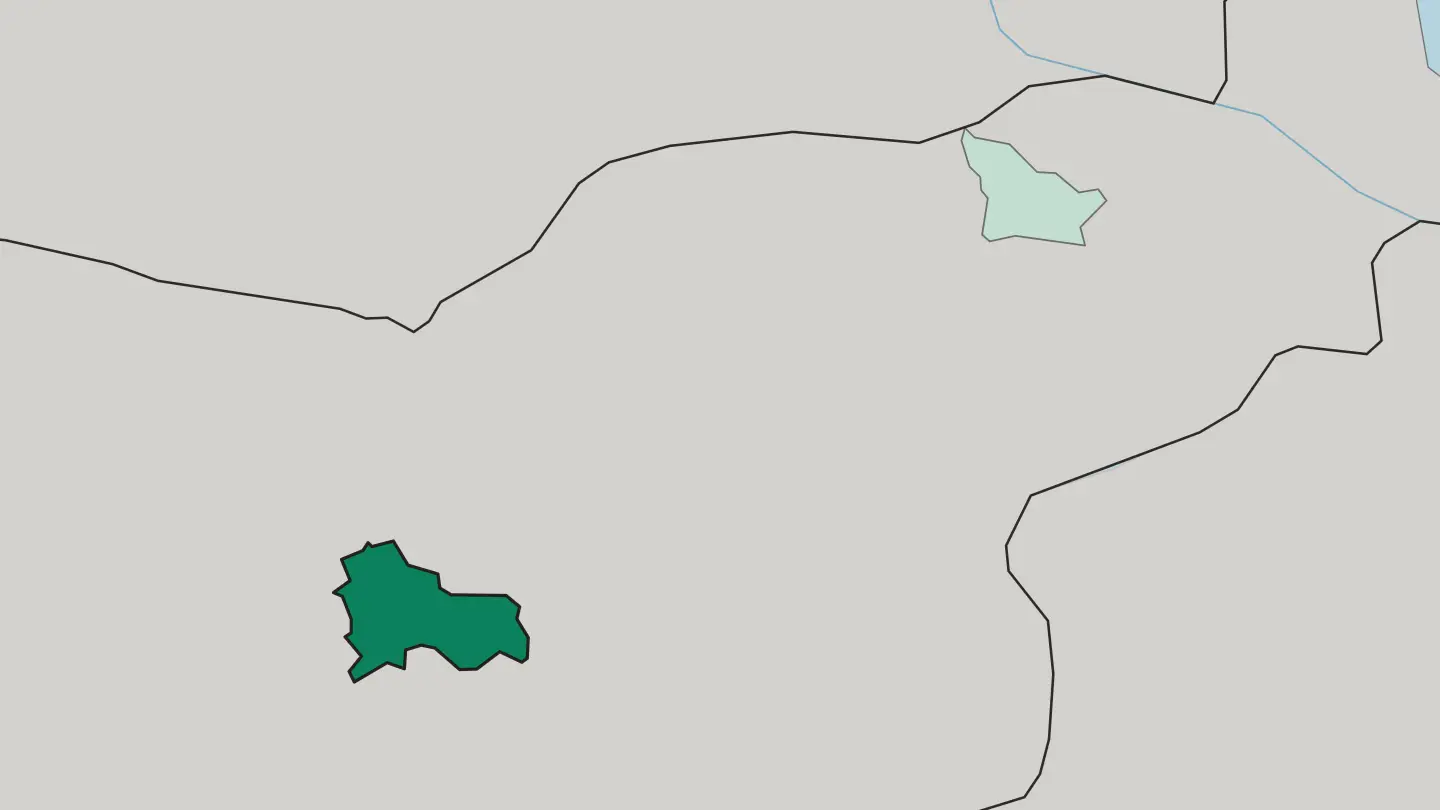 Slovenia
Urban Municipality of Maribor
The Urban Municipality of Maribor is one of twelve urban municipalities in Slovenia, seated on the second-largest city, Maribor.Towns & cities →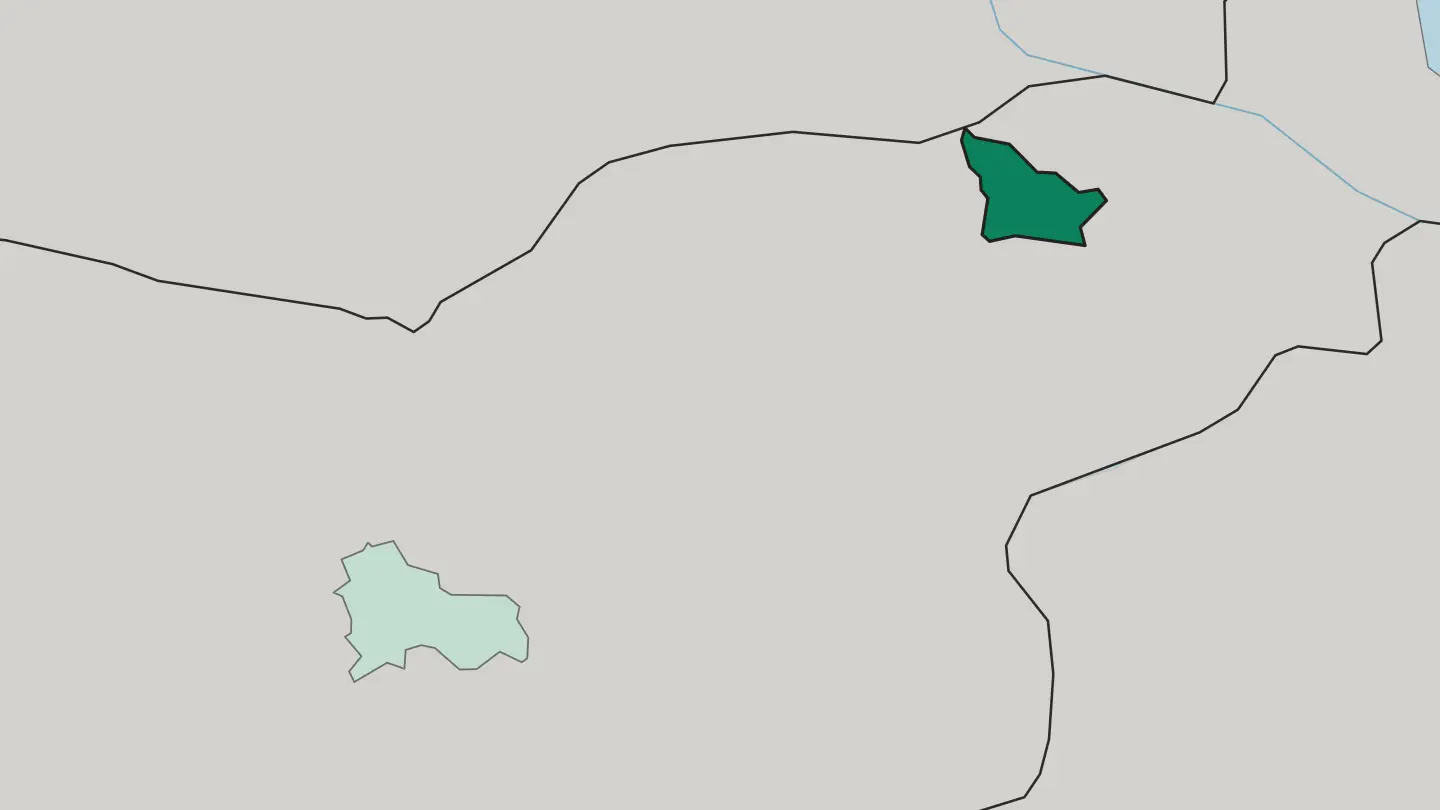
Explore by experience
Not sure which place? Start from how you want to travel.
About Slovenia
Slovenia is small, and it holds three worlds at once.
What is Slovenia known for?
The eastern Alps rise along the borders with Italy and Austria and climb into the Julian Alps, the highest ground in the country. Toward the Adriatic Sea the land drops to a short coastline, the Slovene Littoral, anchored by the port of Koper. Forest covers much of what lies between.
Old towns such as Maribor, Ptuj and Celje sit among the rolling hills that run down toward the plains near Hungary.
Where is Slovenia?
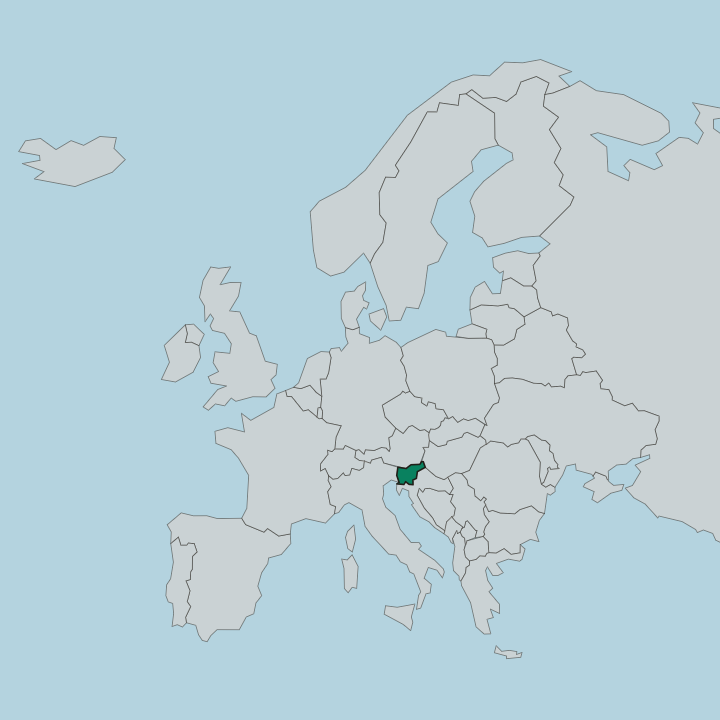
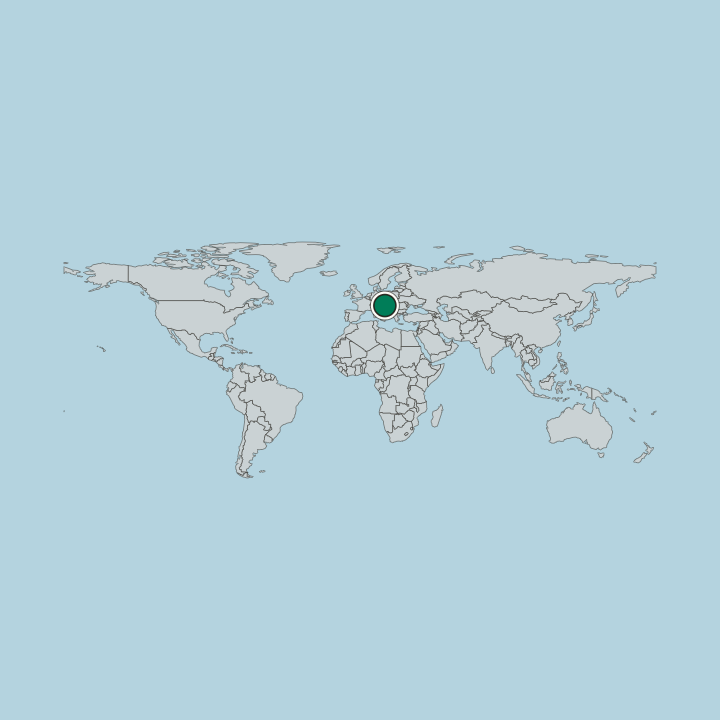
Slovenia sits in Central Europe, at the point where the eastern Alps come down to the northern end of the Adriatic Sea. It is a small and mostly mountainous country, and forest covers a large share of the ground. Four countries ring it.
Italy lies along the west, Austria across the north, Hungary to the northeast, and Croatia wraps the south and southeast. The highest and most dramatic ground is the Julian Alps, the eastern spur of the wider Alps, rising near the Italian and Austrian borders. Away from the peaks the land is varied.
The country reaches the sea only briefly: a short coastline on the Adriatic Sea, the Slovene Littoral, holds the port of Koper and little more. Inland, forested hills and river valleys open toward the plains near Hungary. Ljubljana lies near the centre of the country, roughly between the mountains and the coast.
Other towns are scattered through the valleys and along the rivers. Maribor, Celje, Kranj, Ptuj and Novo mesto each anchor their own corner, while Nova Gorica sits hard against the Italian border. Small as it is, the country runs from the high peaks to the sea in one short span.
What is the history of Slovenia?
Slovenia became an independent country in 1991, the year the Republika Slovenija was founded. Its life as a separate state is short. Through the later twentieth century the Slovene lands were run under a socialist system, and independence in 1991 marked the break from it.
The new republic set its capital at Ljubljana, near the centre of the country. That founding date anchors the modern state. What followed was a steady turn toward the wider European economy.
The move from socialism to the European common market went smoothly enough that Slovenia came to be held up as a model for other countries making the same change. Geography helped. The country sits in Central Europe among Italy, Austria, Hungary and Croatia, and it had long looked outward across those borders.
The Slovene language carried a sense of identity through every change of ruler and system. Old towns like Maribor, Ptuj and Celje kept their own histories alive, from the rolling hills toward Hungary to the Adriatic coast at Koper. From the Julian Alps to the sea, a small country grew into its independence.
What is Slovenia like?
Everyday life in Slovenia is shaped by its in-between position. The country belongs to Central Europe and the Alpine world, yet it opens onto the Adriatic Sea, and it is sometimes counted among the Balkan countries as well. Slovene is the thread that ties it together.
The language is the official tongue and the clearest mark of a distinct national identity, spoken from the Julian Alps to the coast at Koper. Regional character runs strong. Each of the larger towns keeps its own feel: Maribor and Ptuj in the hills toward Hungary, Celje and Kranj inland, Koper on its short stretch of the Slovene Littoral.
Novo mesto, Nova Gorica and Velenje each hold their own place within this same pattern. Ljubljana, near the centre of the country, draws the strands together as the capital. The landscape itself is part of the culture.
Mountains, forest, rolling hills and a brief coastline sit within a short drive of one another, and life is lived close to all of them. That variety, packed into a small country, is what gave Slovenia its name among the fresh faces of a New Europe.
What is the climate of Slovenia?
Slovenia has a mostly temperate continental climate, with warm summers inland and cold, snowy winters. Two corners break the pattern. The Julian Alps stand higher and colder, holding snow on the peaks well into spring.
The Slovene Littoral, down on the Adriatic Sea, is milder and more Mediterranean in feel, with gentler winters than the interior. Between the mountains and the coast, the seasons turn in a steady continental rhythm.
How do you get to Slovenia?
Slovenia is easy to reach overland. Four countries border it, and road and rail cross from Italy, Austria, Hungary and Croatia straight into the interior. Most routes lead to Ljubljana.
The capital sits near the centre of the country, the natural hub for onward travel, with the Alps shaping the approaches from the north through passes and tunnels toward Austria and Italy. The Adriatic Sea offers a third way in, through the port of Koper on the Slovene Littoral.
Common questions
What is the best area to stay in Slovenia?
Ljubljana: a central base within reach of the Alps and the coast. Koper: a stay on the short Slovene Littoral. Kranj: walkers bound for the Julian Alps. Maribor: the hill country toward Hungary.
Good for
Updated September 2026