Somalia · Gobolka Hiiraan
Where to Stay in Beledweyne, Gobolka Hiiraan
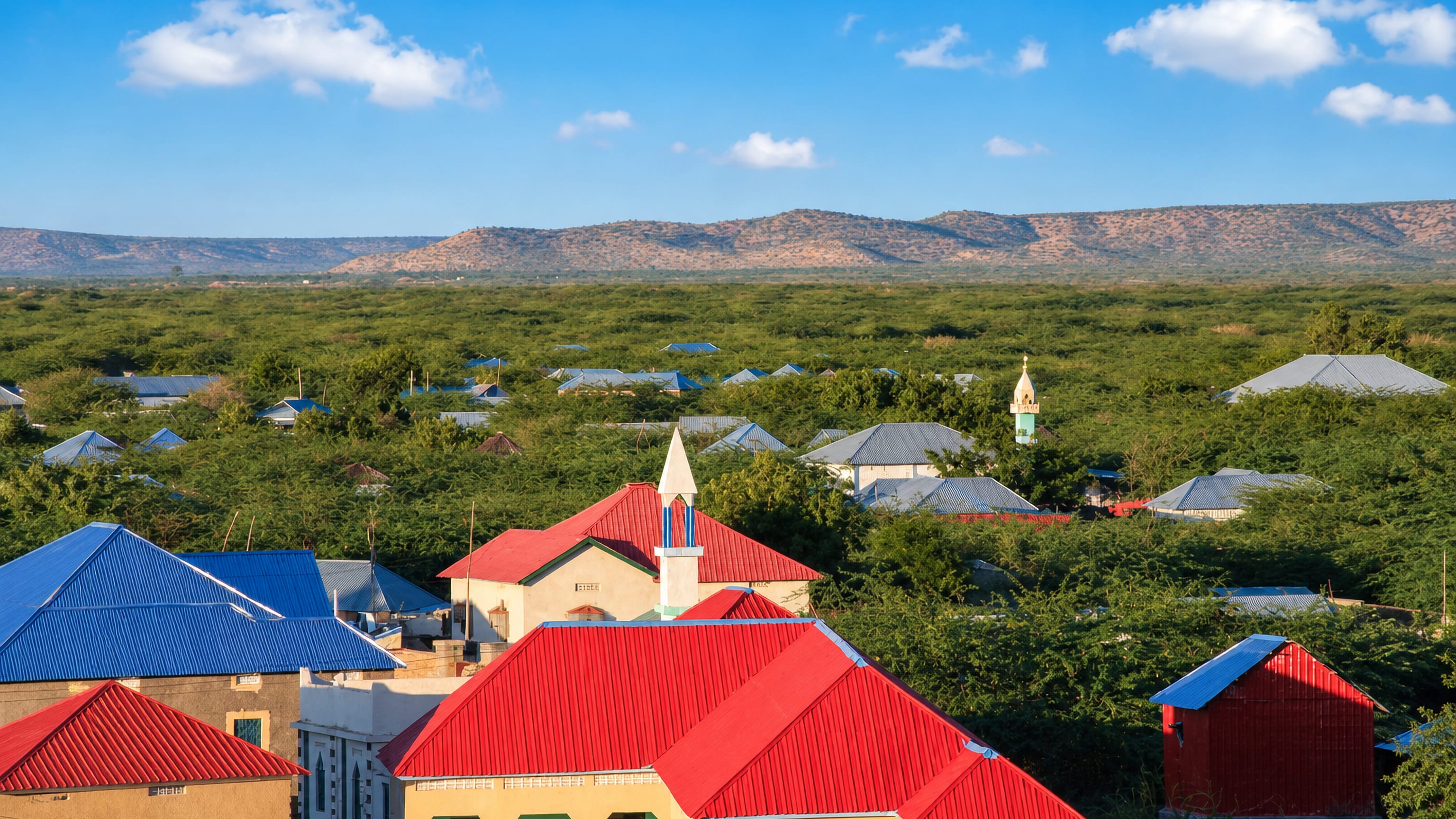
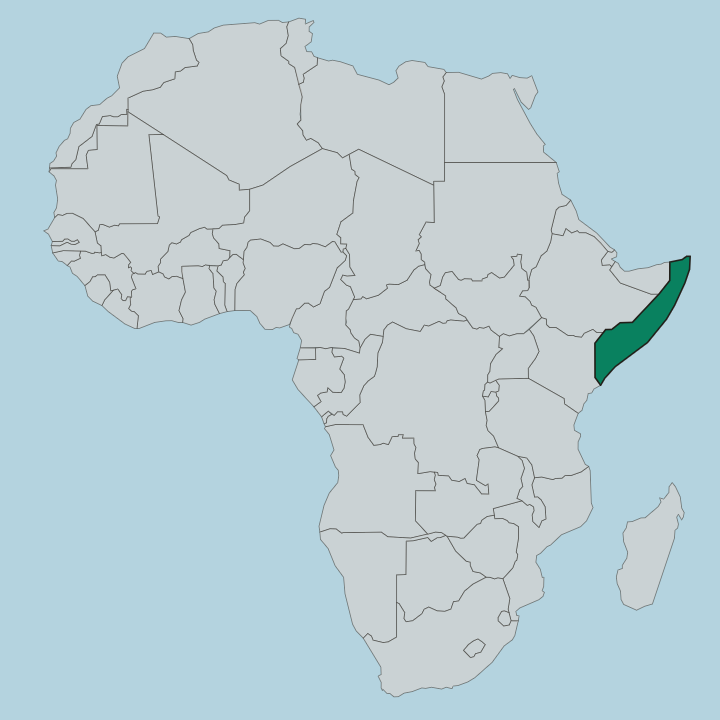
Beledweyne is the capital of the Hiran region in central Somalia, a Shebelle Valley city split into eastern and western halves by the river.
Hotel links are affiliate links: booking through them may earn us a commission, at no extra cost to you. It never affects how places are ranked. How this works


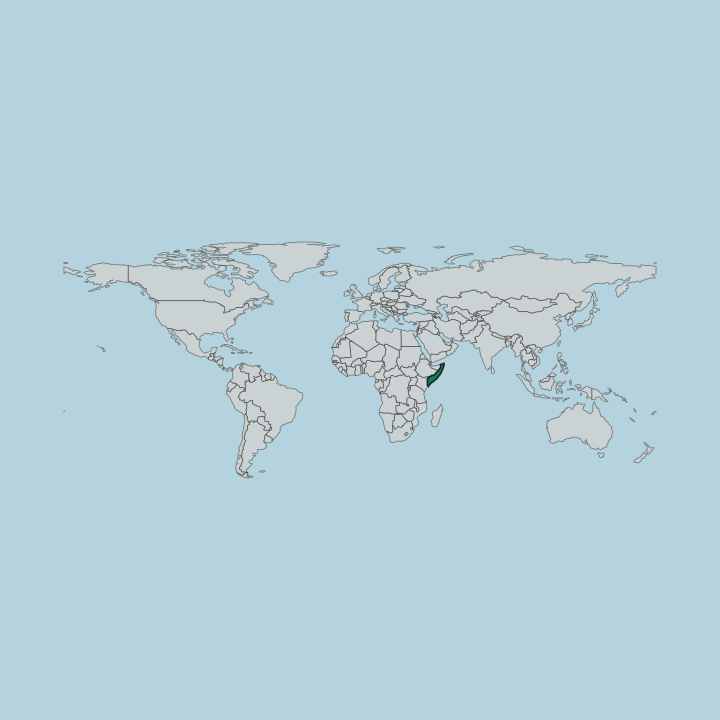
Where to stay in Beledweyne
The practical side of choosing where to sleep.
Beledweyne divides in two before it divides any other way. The Shebelle River separates an eastern section from a western one, and which bank you are on is the first fact about where you are staying. The western side carries much of the regional administration.
Within those halves the city is organised into named quarters, Howlwadaag and Buundo-weyn among them, and the eastern bank runs on towards Ferfer and the Ethiopian border.
Find hotels in Beledweyne
Direct booking searches for these neighbourhoods.
The western section
One of the two halves the Shebelle River divides Beledweyne into, and the side that carries much of the city's administrative life as capital of the Hiran region.Find hotels in The western sectionThe far bank and the road towards the Ethiopian borderThe eastern section
The other half of Beledweyne across the Shebelle River, closer to the country running towards Ferfer and the Ethiopian frontier.Find hotels in The eastern sectionOne of the city's named quartersHowlwadaag
One of the four quarters Beledweyne is divided into, alongside Buundo-weyn, which give the city its internal geography.Find hotels in HowlwadaagHotel links are affiliate links: booking through them may earn us a commission, at no extra cost to you. It never affects how places are ranked. How this works
About Beledweyne
The river runs through the middle of it.
What is Beledweyne known for?
Beledweyne is divided by the Shebelle River into an eastern and a western section, and the riverine land of the Shebelle Valley is what the city and its region live on. Position has mattered as much as farmland. Standing near the Ethiopian border on the road that links northern and southern Somalia has made Beledweyne strategically important for as long as it has existed.
What are the main landmarks in Beledweyne?
The Shebelle River is the defining feature. It cuts the city in two and gives the surrounding valley the farmland that the whole Hiran region depends on, which in this part of Somalia is not a small thing. Beledweyne is the seat of Hiran and the centre of Beledweyne District.
Ferfer lies out on the Ethiopian border, on the high ground above the road that joins the north and south of the country.
What is the history of Beledweyne?
Beledweyne's position on the road between northern and southern Somalia has repeatedly made it a military objective. In June 1982 an Ethiopian offensive opened at Ferfer on the border a few kilometres away, aiming at the high ground above that road, and the garrison at Beledweyne held and pushed the attack back before the war settled into a stalemate along the frontier. It was fought over again.
The Ethiopian Air Force struck the city during the invasion of 2006 and the Islamic Courts Union withdrew, and in December 2011 the Transitional Federal Government took Beledweyne from al-Shabaab with Somali National Army and Ethiopian troops. In May 2012 the city held its first mayoral election since the civil war began.
Where is Beledweyne?
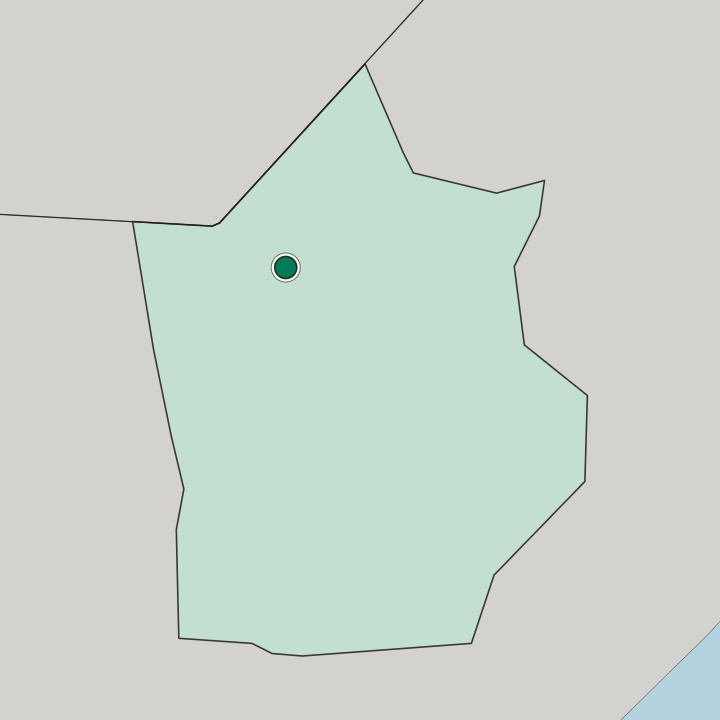
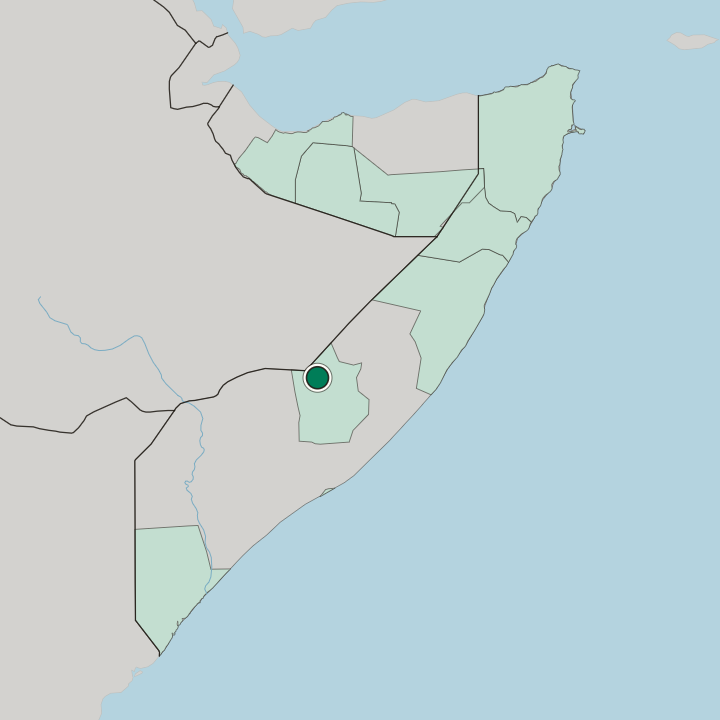
Beledweyne stands in the riverine country of the Shebelle Valley in central Somalia, near the Ethiopian border and well north of Mogadishu. The Shebelle River, which rises in Ethiopia, runs straight through the city and separates its eastern and western sections. Ferfer sits out on the frontier.
The valley floor around the city is the farmland that supports the whole Hiran region.
What is the climate of Beledweyne?
Central Somalia is hot and dry for most of the year, and Beledweyne depends on the Shebelle River rather than on rainfall for what grows around it. The river carries Ethiopian water. Rain falling on the highlands upstream reaches the valley here, which is why a city in this climate sits in farmland at all, and why flooding along the Shebelle Valley is a recurring fact of life.
How do you get to Beledweyne?
Beledweyne sits on the main road connecting northern and southern Somalia, which is what has made it strategically valuable, and Mogadishu lies to the south along it. The Ethiopian border is close. Ferfer is the crossing point out to the east, and the Shebelle River must be crossed to move between the city's two halves.
Common questions
What is the best area to stay in Beledweyne?
The western section: The side of the Shebelle River holding the older centre. The eastern section: The far bank and the road towards the Ethiopian border. Howlwadaag: One of the city's named quarters.
Updated September 2026