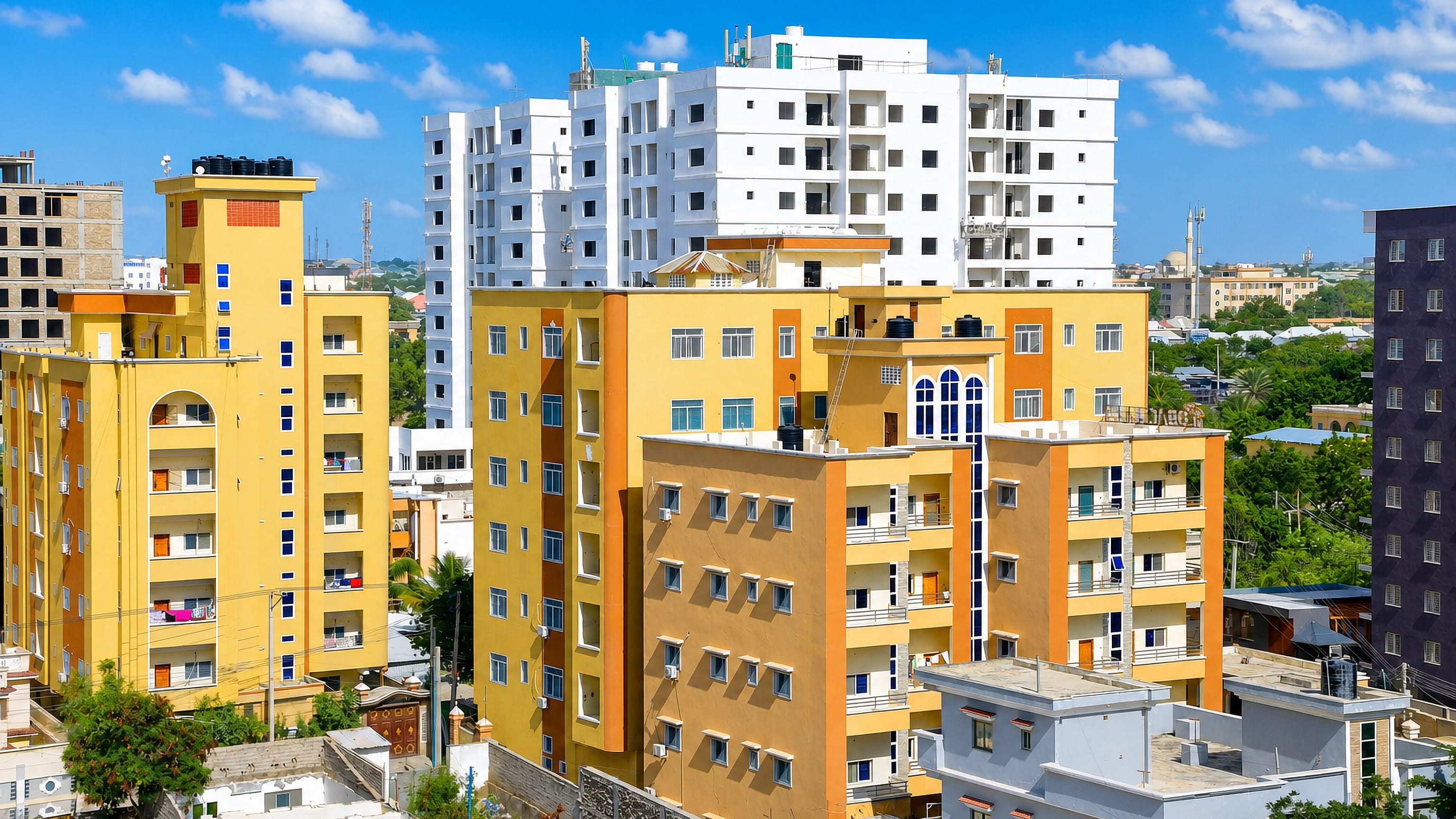
Somalia: Regions, Cities & Travel Guide
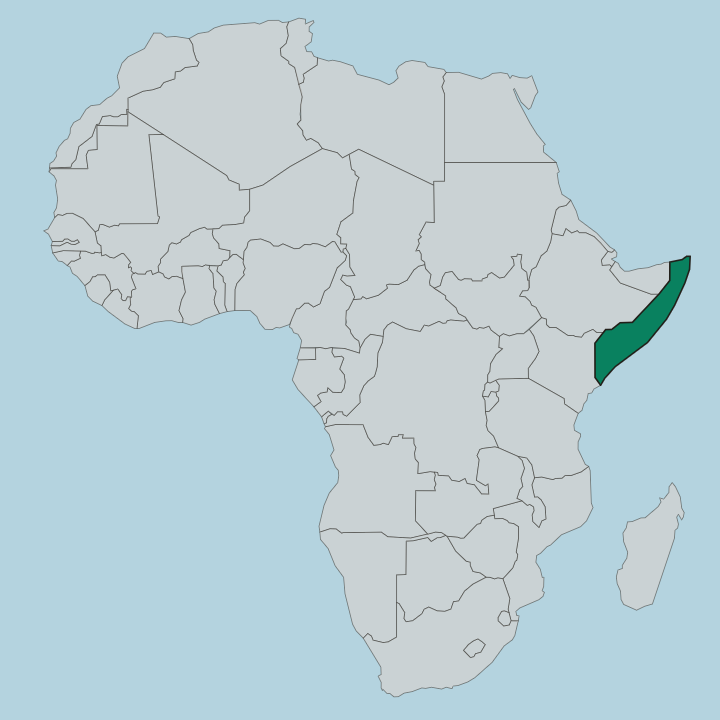
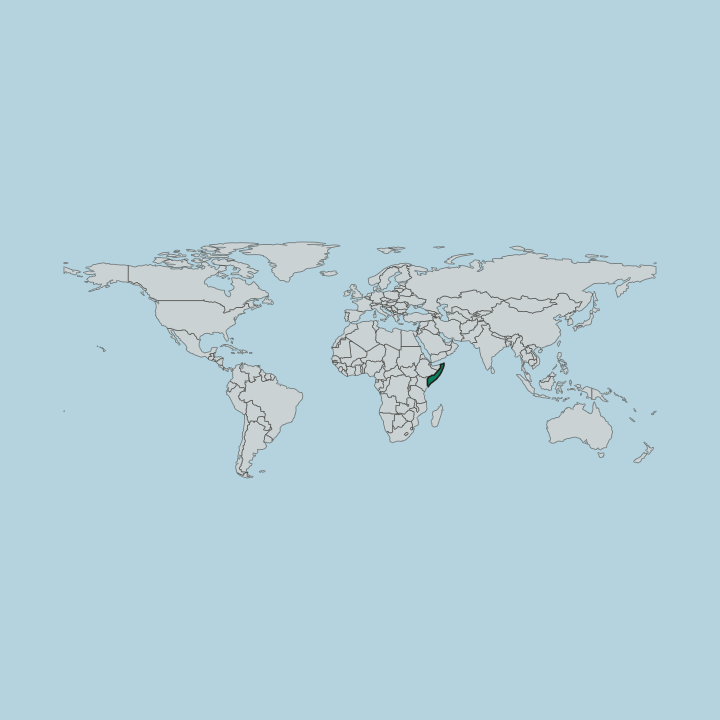
Somalia is the easternmost country in Africa, wrapped across the Horn of Africa with the capital, Mogadishu, on the Indian Ocean coast.
Hotel links are affiliate links: booking through them may earn us a commission, at no extra cost to you. It never affects how places are ranked. How this works


Top destinations in Somalia
Cities to start from, then drill into areas and hotels.
 Somalia
Mogadishu
Indian Ocean surf meets Mogadishu, the capital of Somalia, a coastal port known locally as Xamar and layered with Somali and Italian building traditions.Where to stay →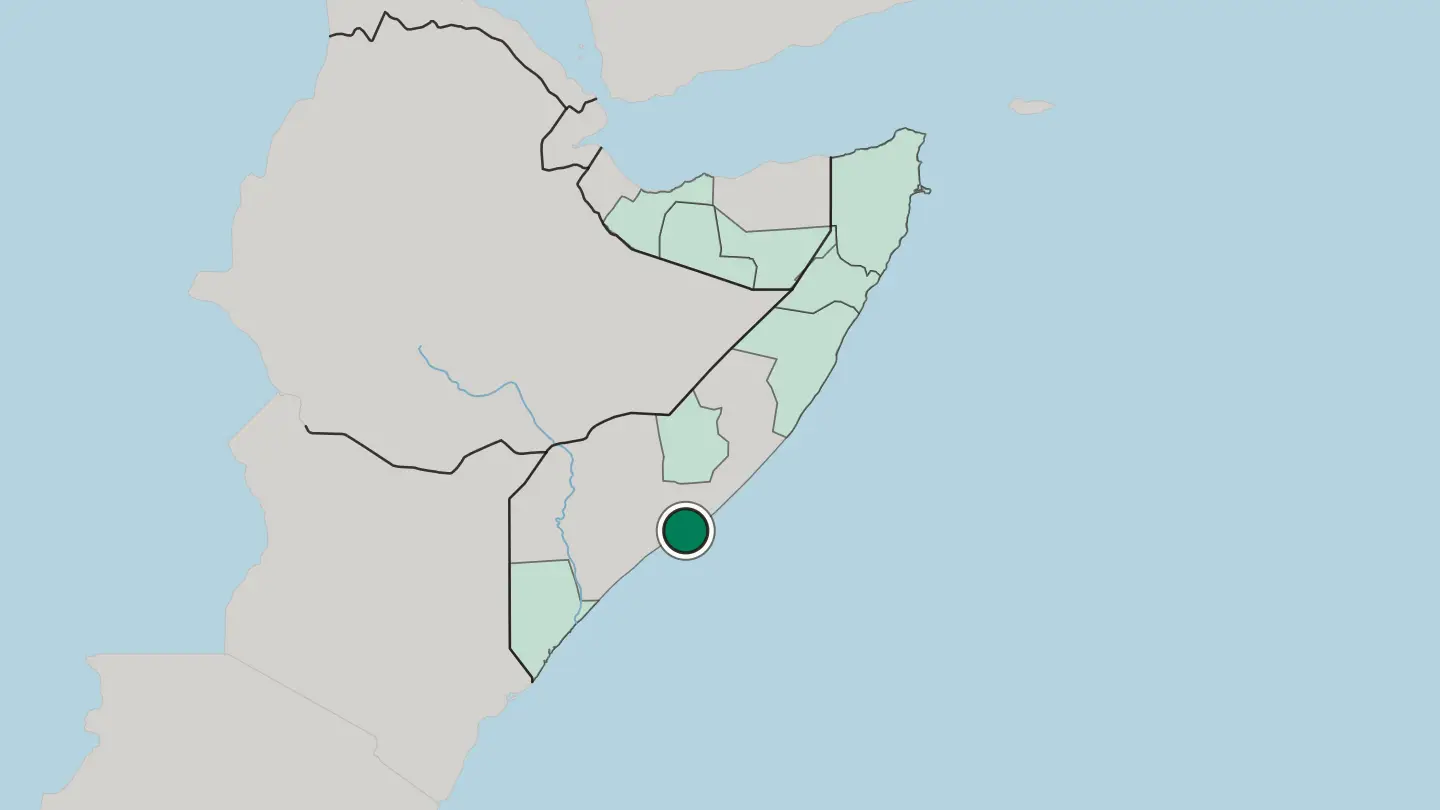 Somalia
Hargeysa
Hargeysa is the capital of Somaliland. It is the largest city of a territory that the wider world still counts as part of Somalia.Where to stay →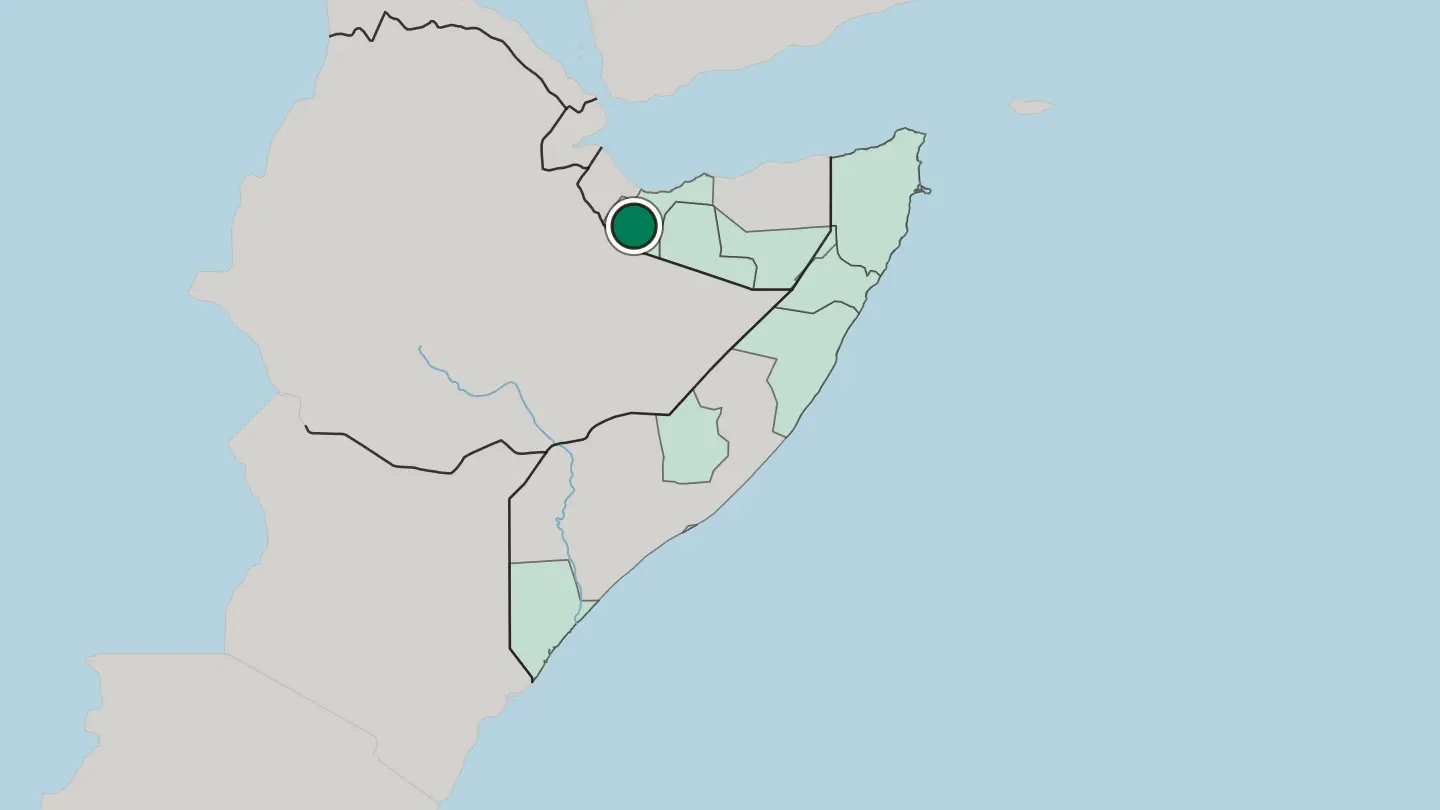 Somalia
Berbera
Berbera is Somaliland's main sea port. Golden sand at Batalaale and Bathaale earned the Sahil capital its Beach City nickname.Where to stay →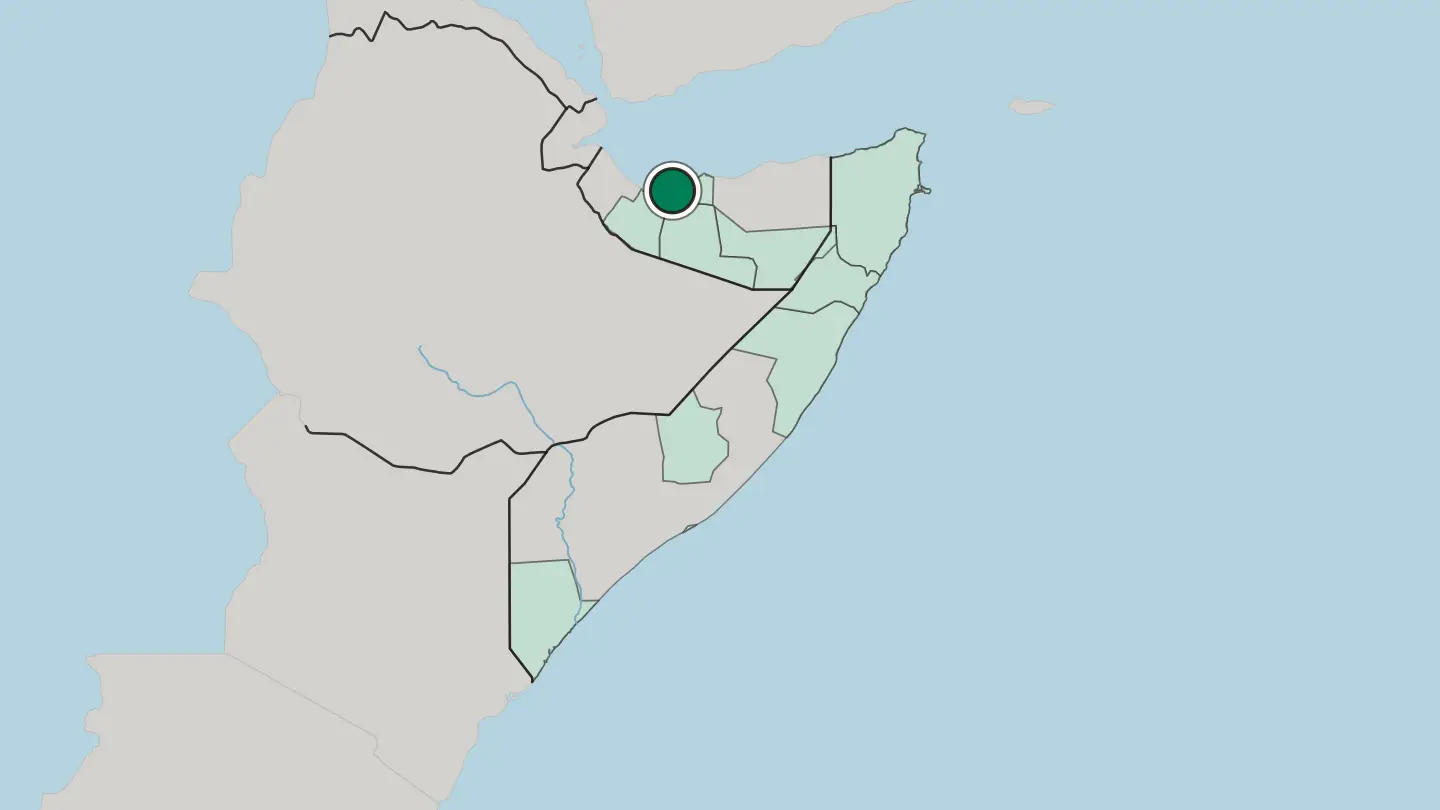
 Somalia
Laascaanood
Laascaanood heads the Sool region. Written Las Anod abroad, it is the administrative capital of an area whose oversight is disputed.Where to stay →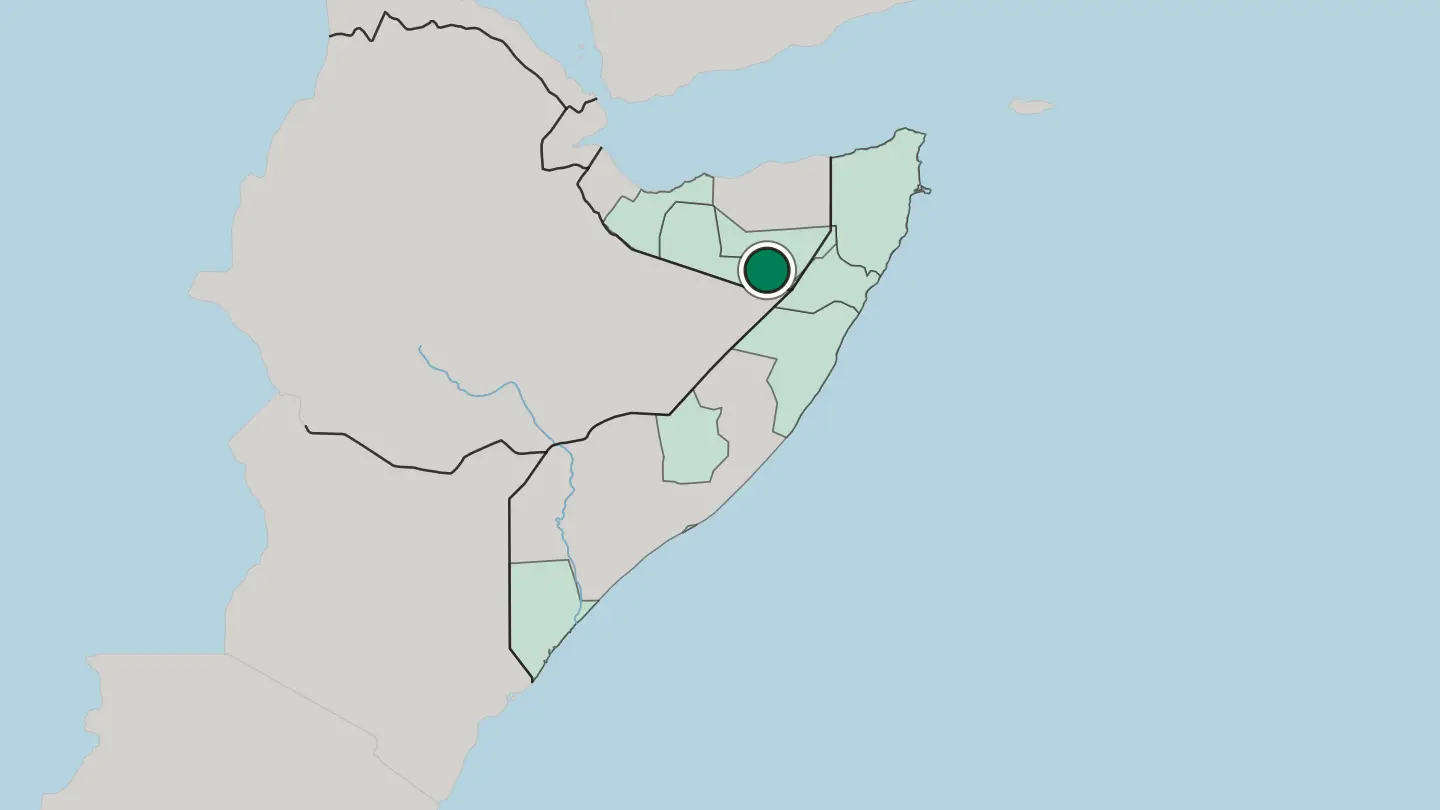 Somalia
Kismayo
Kismayo is a southern Somali port. It serves as the de facto capital of the autonomous Jubaland region and the coastal outlet of Lower Juba.Where to stay →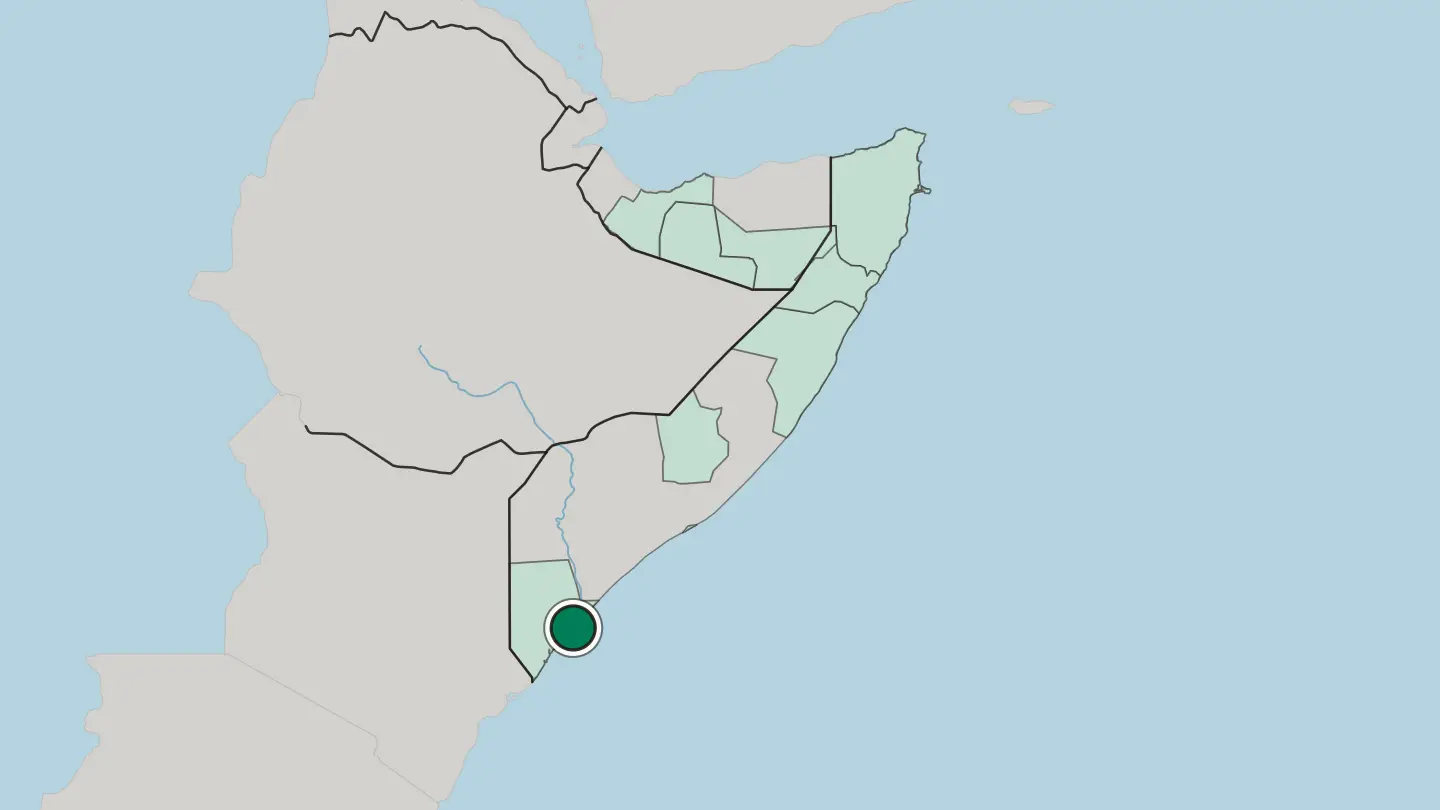
 Somalia
Bosaso
Bosaso is Puntland's commercial capital. Its port on the Gulf of Aden trades toward the Arabian Peninsula and East Africa.Where to stay →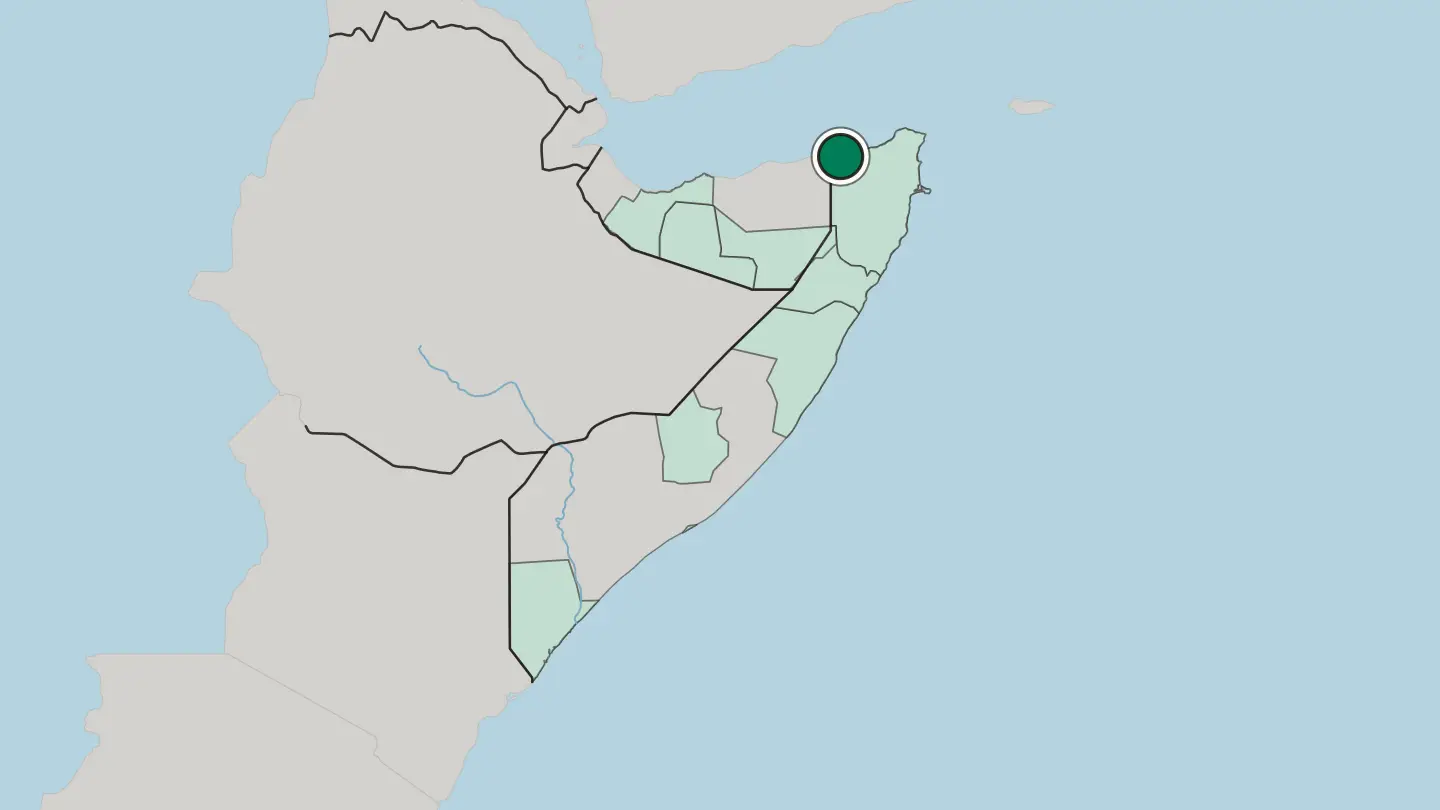 Somalia
Gaalkacyo
Gaalkacyo, also written Galkayo, is the capital of the Mudug region and one of Somalia's largest cities, with its districts under two administrations.Where to stay →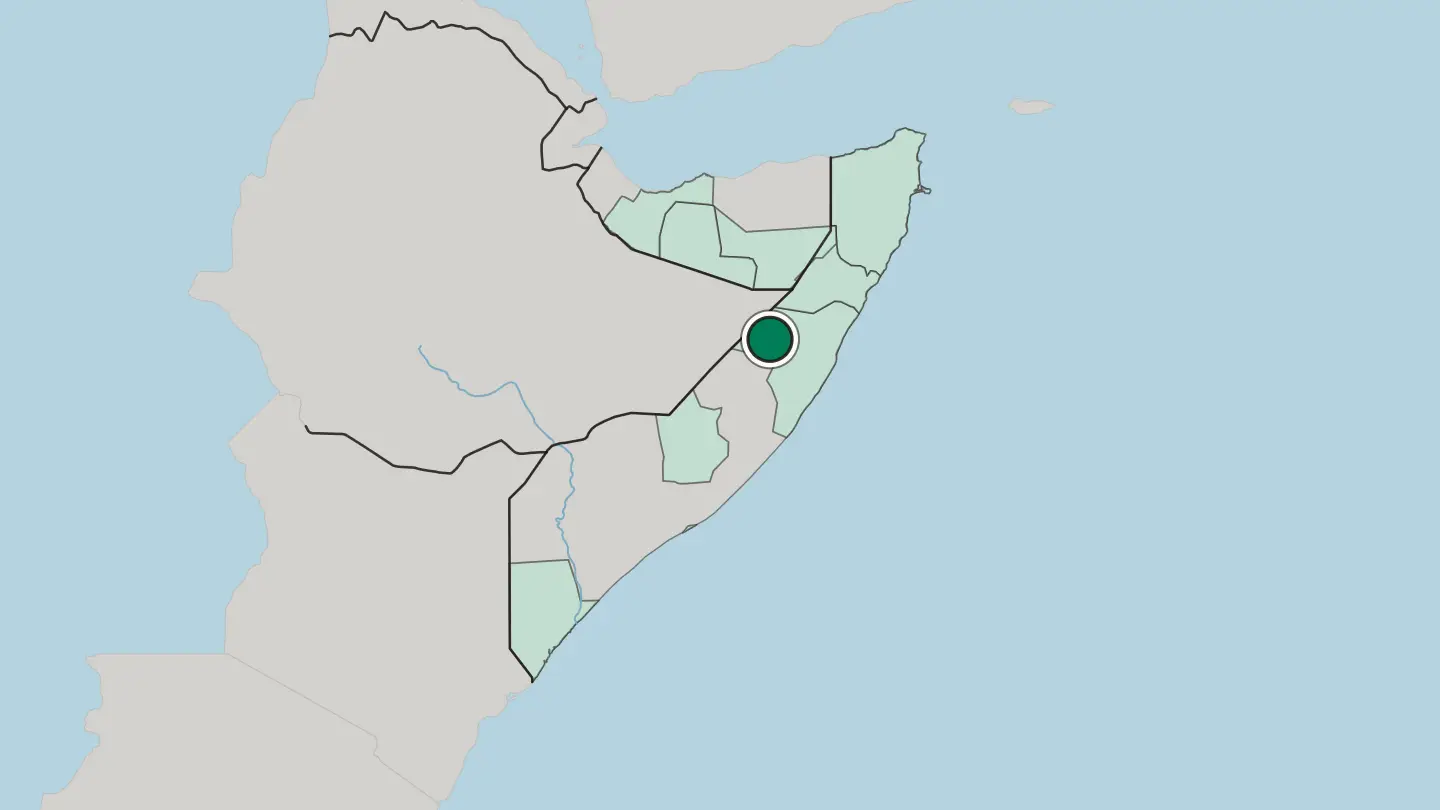
 Somalia
Burao
Burao, also written Burco, is the capital of the Togdheer region and the trading city its surrounding towns and provinces depend on.Where to stay →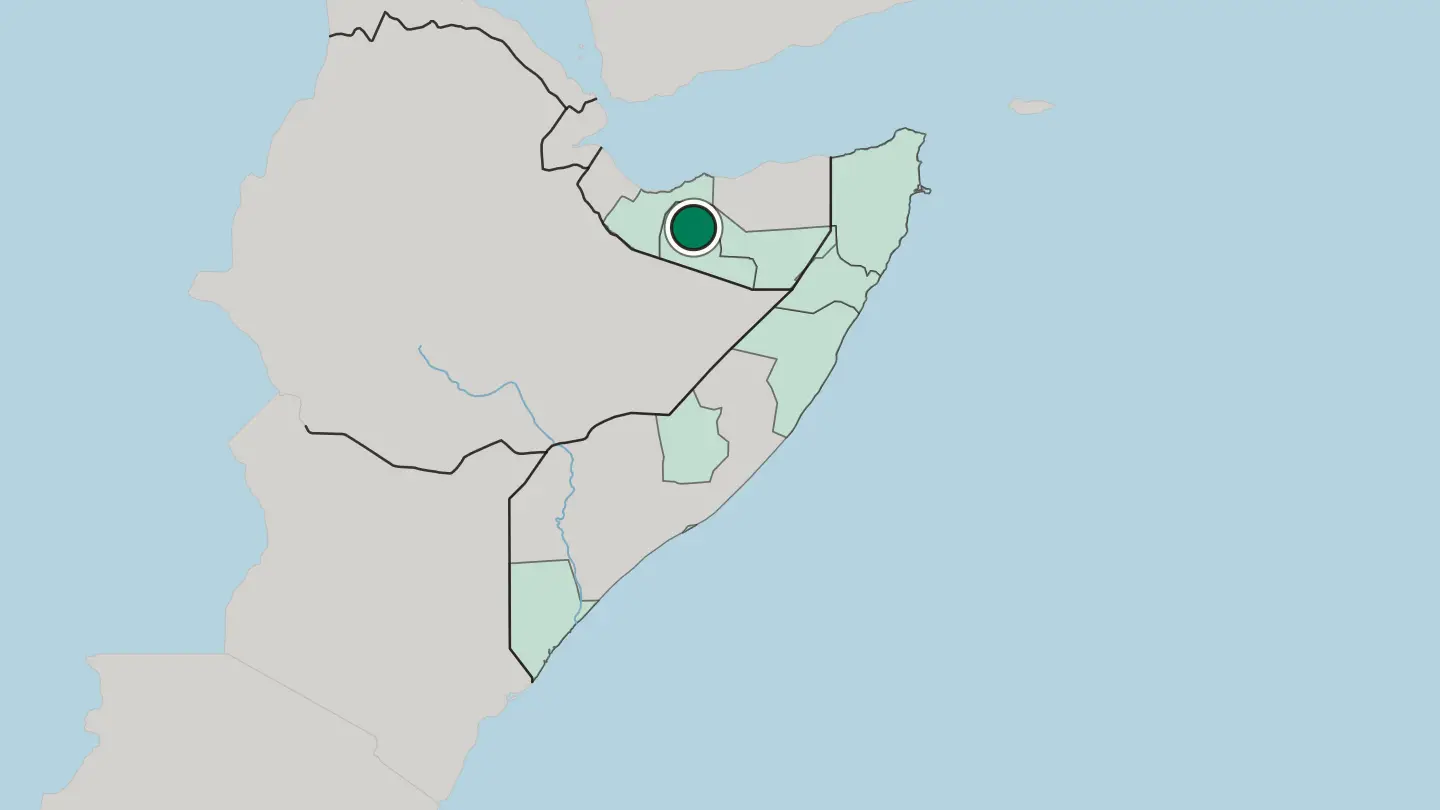
 Somalia
Garoowe
Garoowe, written Garowe in English, is the administrative capital of Puntland and the seat of the Nugaal region's government.Where to stay →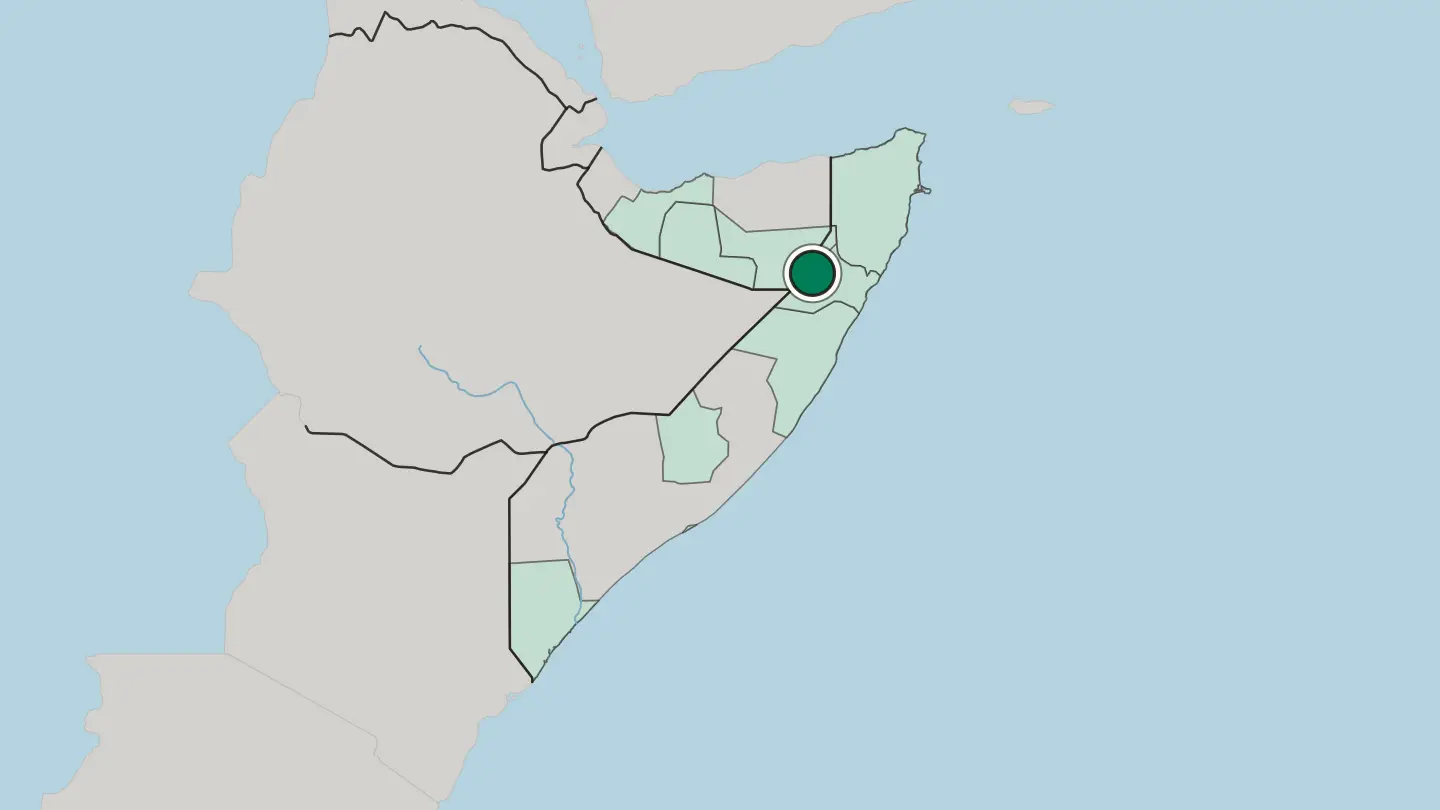
Hotel links are affiliate links: booking through them may earn us a commission, at no extra cost to you. It never affects how places are ranked. How this works
Regions of Somalia
Somalia
Gobolka Banaadir
Banaadir is a coastal region (gobol) in southeastern Somalia, wrapped around Mogadishu between the Shabelle river and the Indian Ocean.Towns & cities →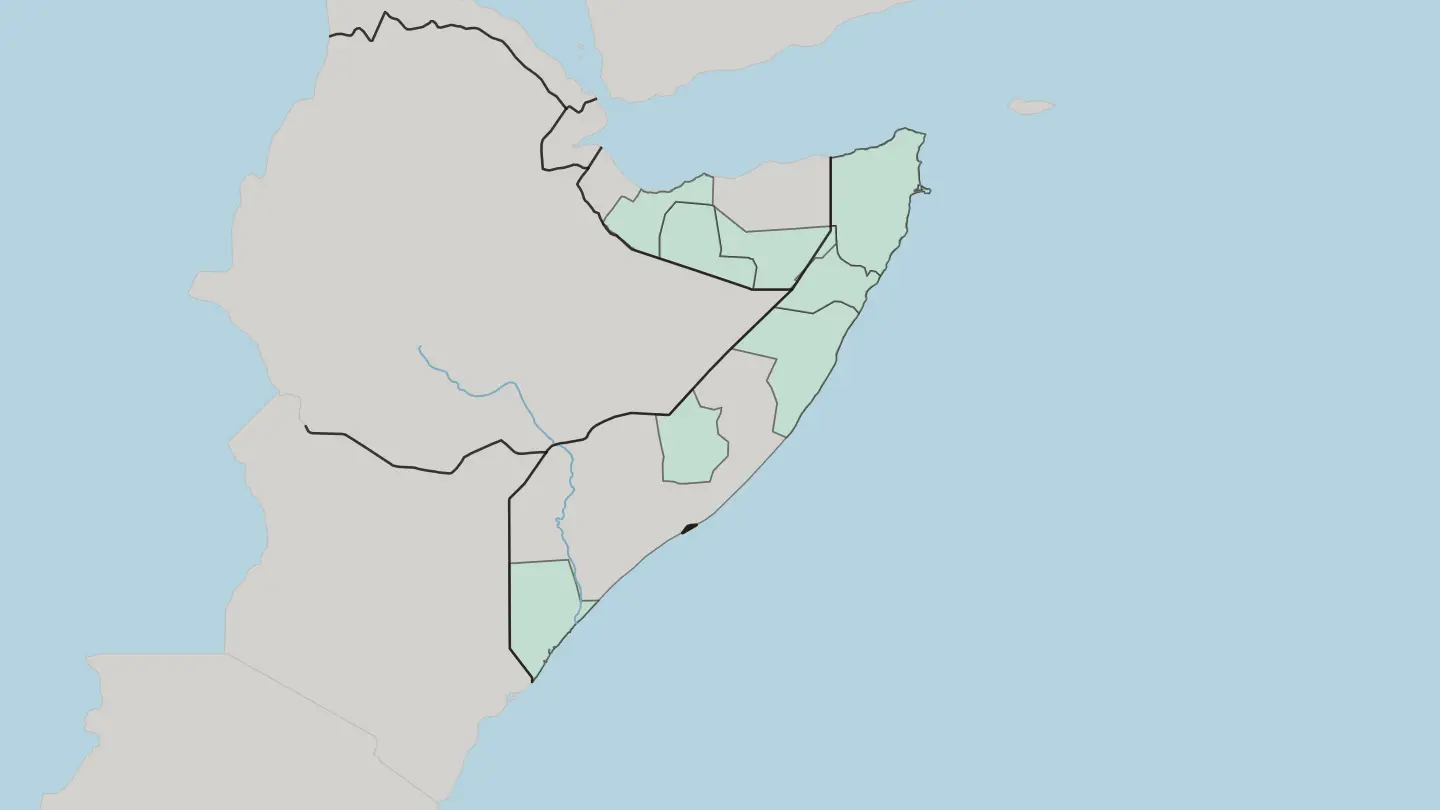 Somalia
Gobolka Bari
Gobolka Bari is a Somali administrative region of six districts within Puntland, with the port city of Bosaso as its capital and largest city.Towns & cities →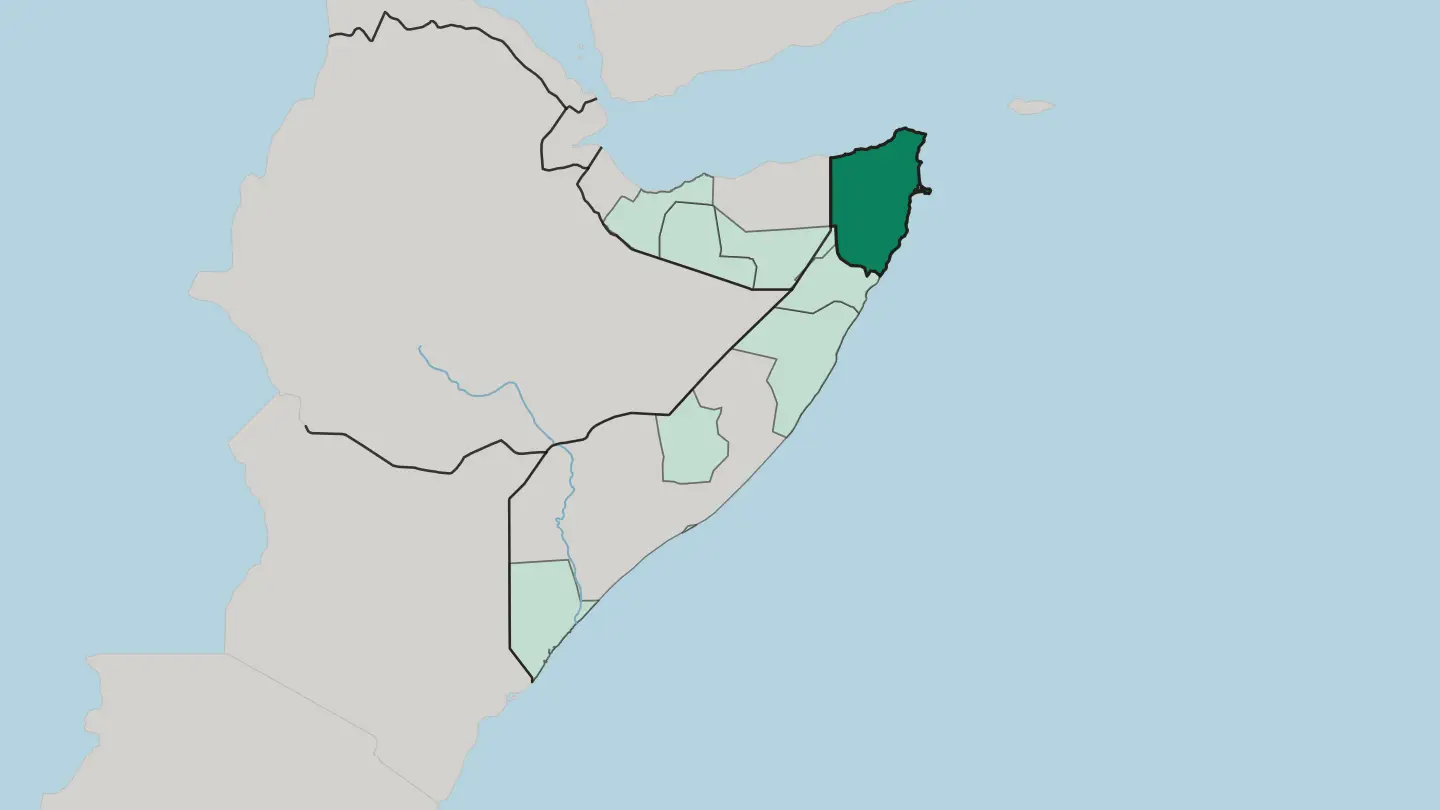
 Somalia
Gobolka Hiiraan
Gobolka Hiiraan, written Hiran in English, is a Somali administrative region and part of the Hirshabelle State.Towns & cities →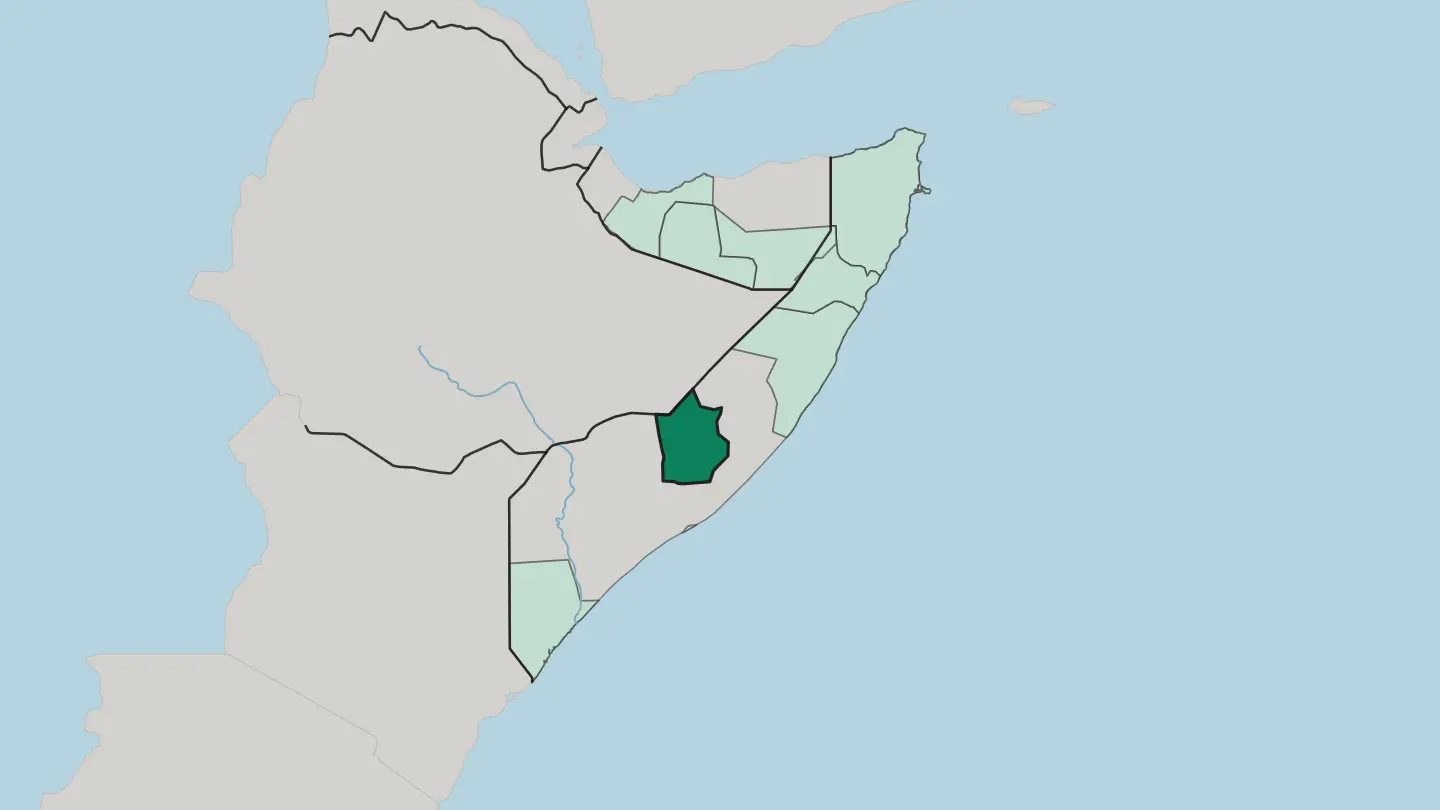 Somalia
Gobolka Jubbada Hoose
Gobolka Jubbada Hoose, or Lower Juba, is a Somali administrative region with its capital at Kismayo, lying inside the autonomous Jubaland region.Towns & cities →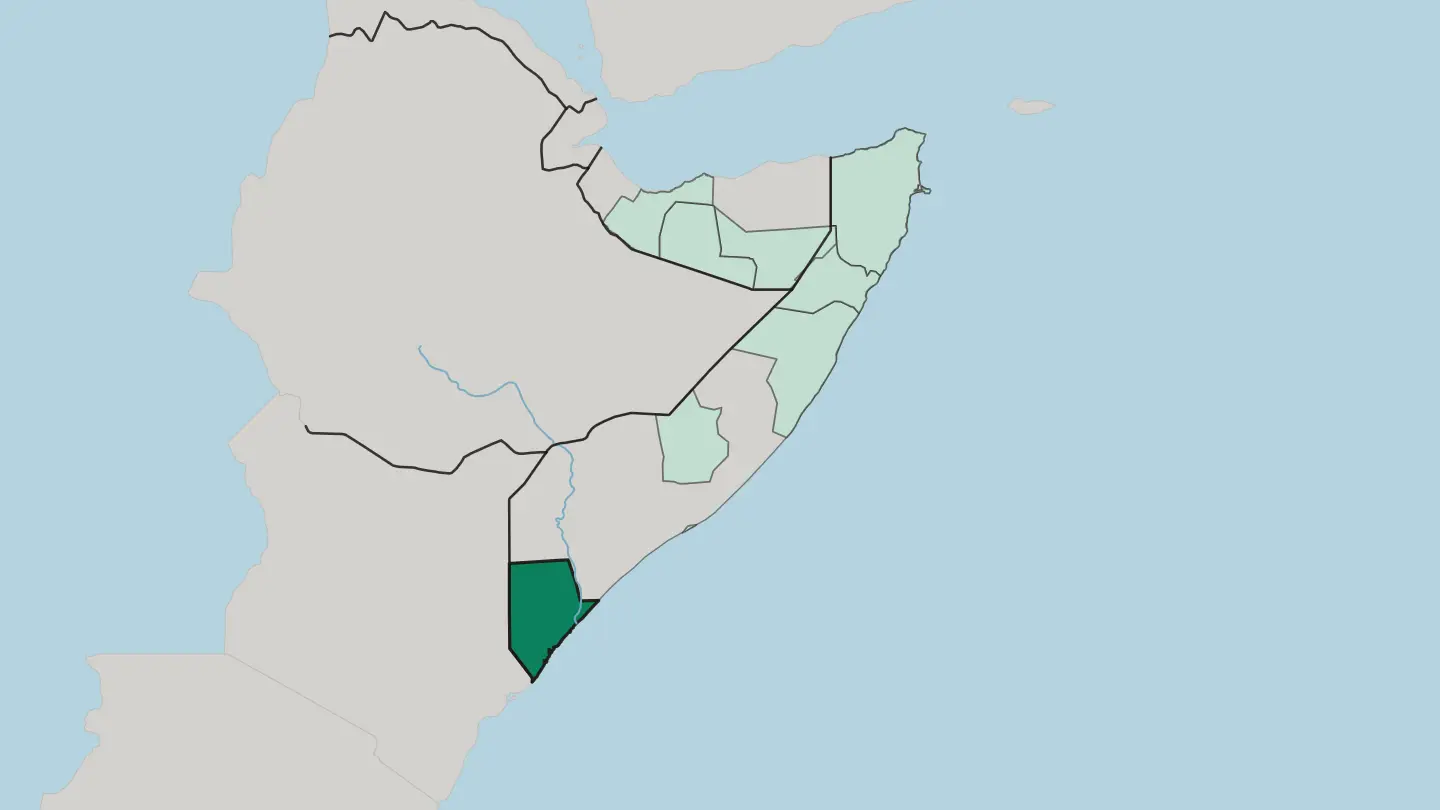 Somalia
Gobolka Mudug
Mudug is an administrative gobol of north-central Somalia, its northern districts under Puntland and the greater share under Galmudug State.Towns & cities →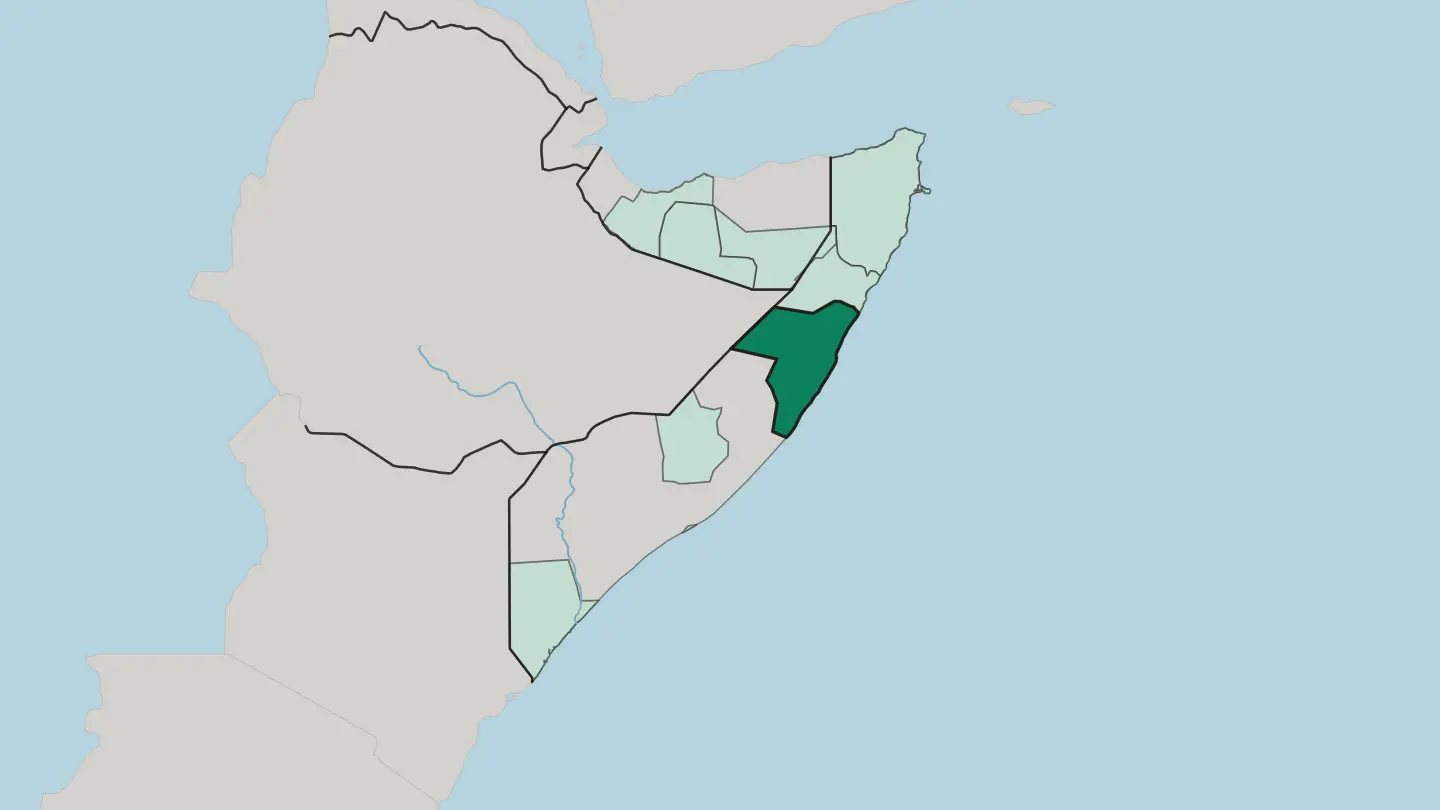 Somalia
Gobolka Nugaal
Traditional names still cling to Nugaal: Nugaaleed-Bari, Bari-Nugaal, Nugaal xaggeeda hoose, all naming one gobol of northern Somalia.Towns & cities →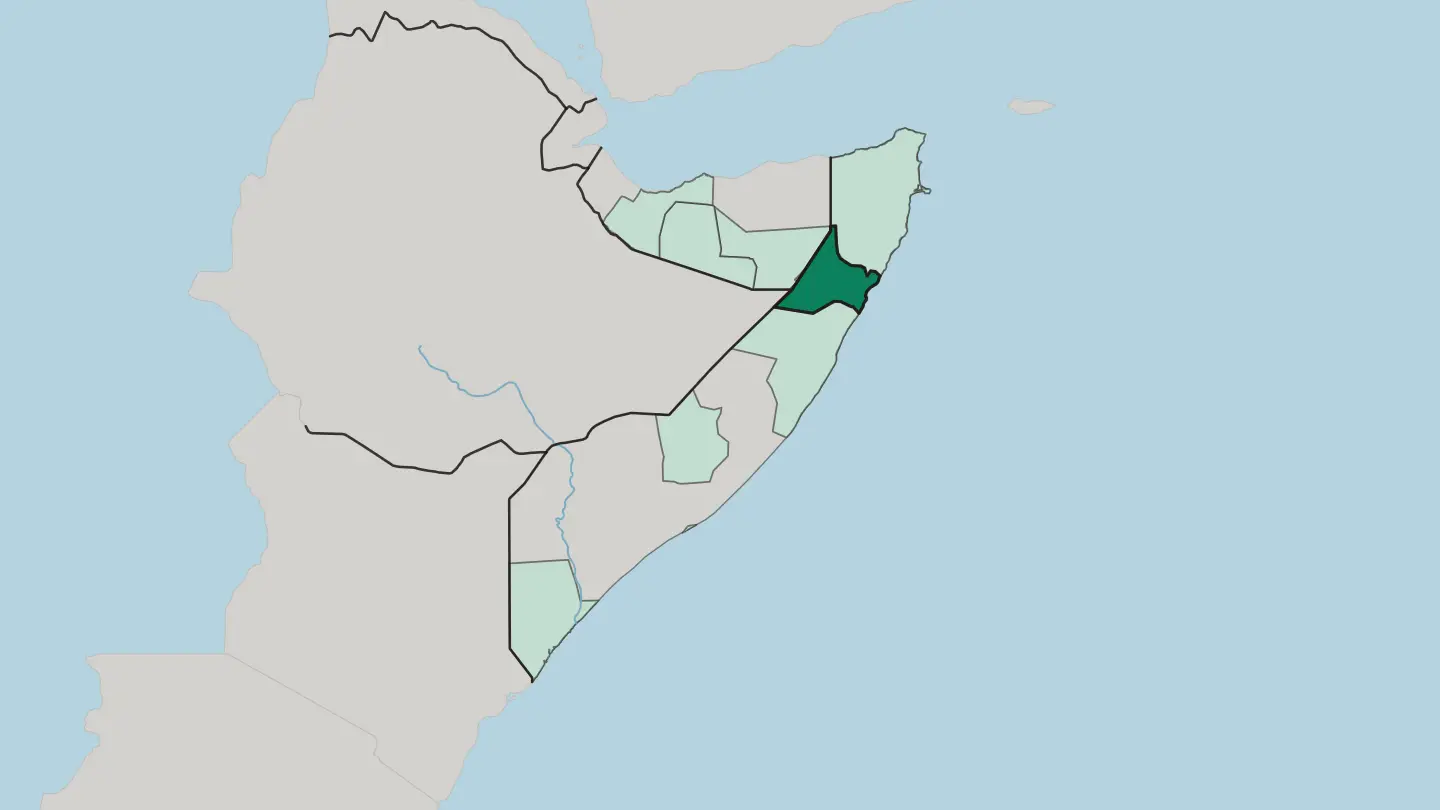 Somalia
Gobolka Sool
Sool is an inland gobol bordered by Togdheer, Sanaag, Nugal, Bari and Ethiopia, with Las Anod as its capital and its administration disputed.Towns & cities →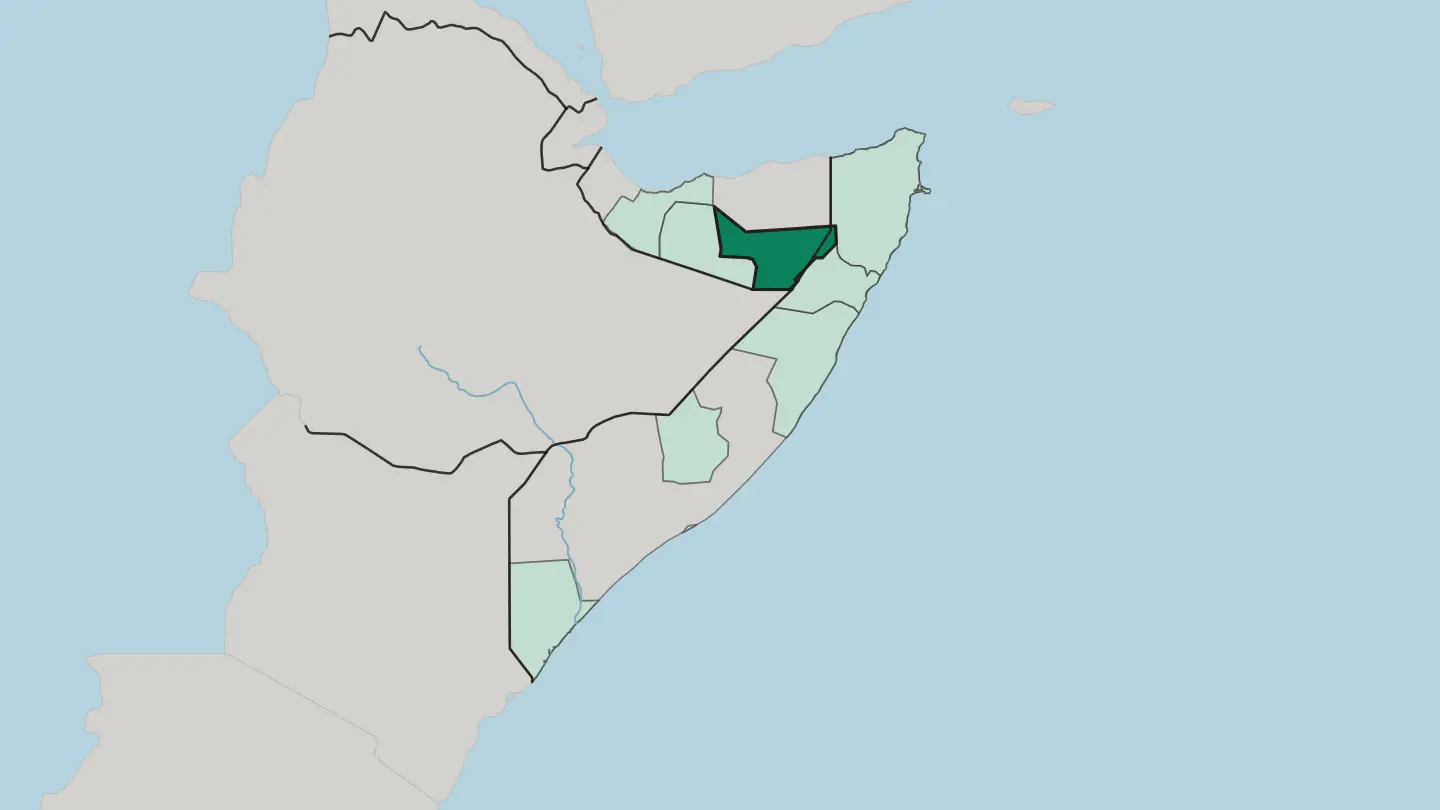 Somalia
Gobolka Togdheer
Togdheer takes its name from the river crossing it, an administrative gobol of central Somaliland with Burao as its capital and trading centre.Towns & cities →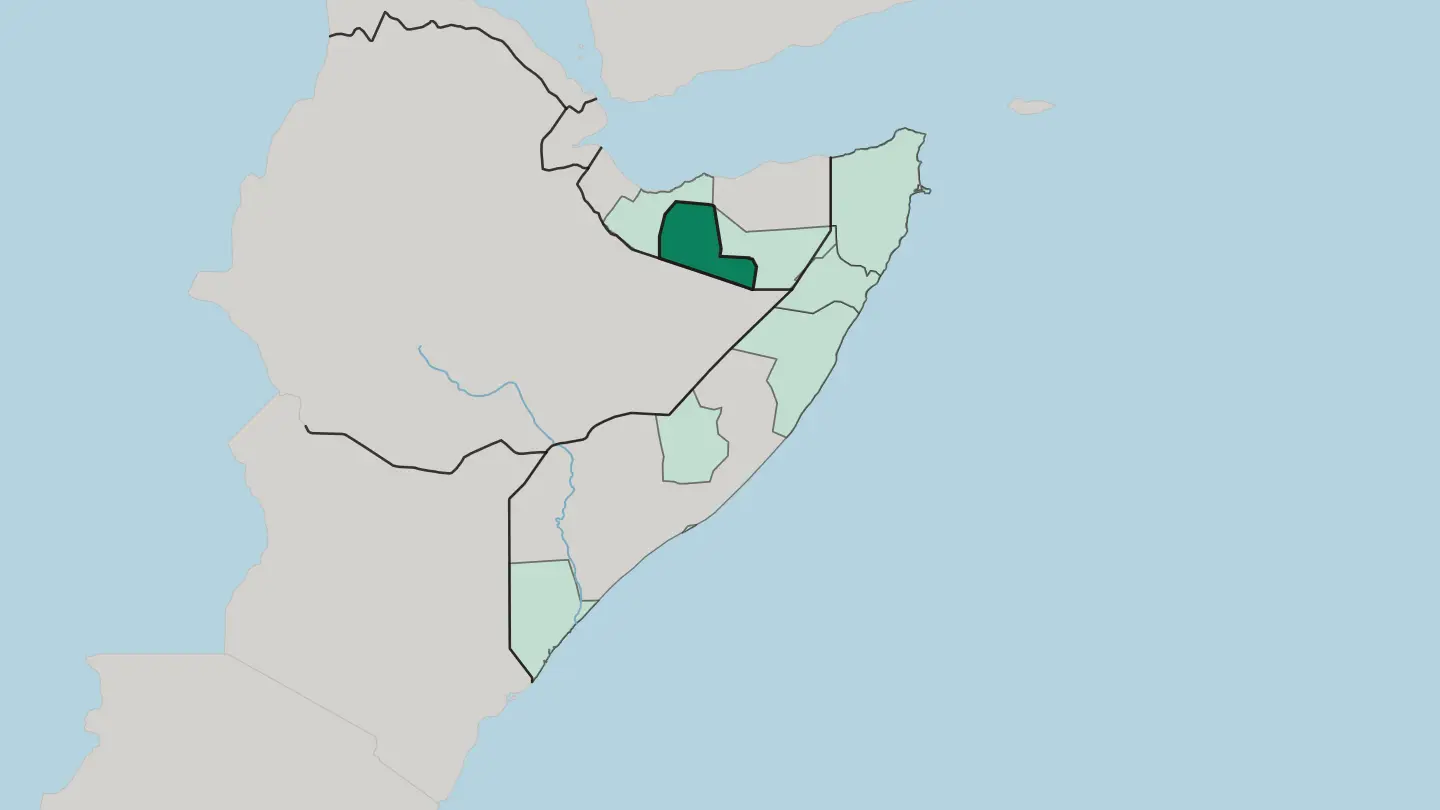 Somalia
Gobolka Woqooyi Galbeed
Maroodi Jeex, formerly Woqooyi Galbeed, is the region of western Somaliland that holds the capital, the largest cities, and most of the sights.Towns & cities →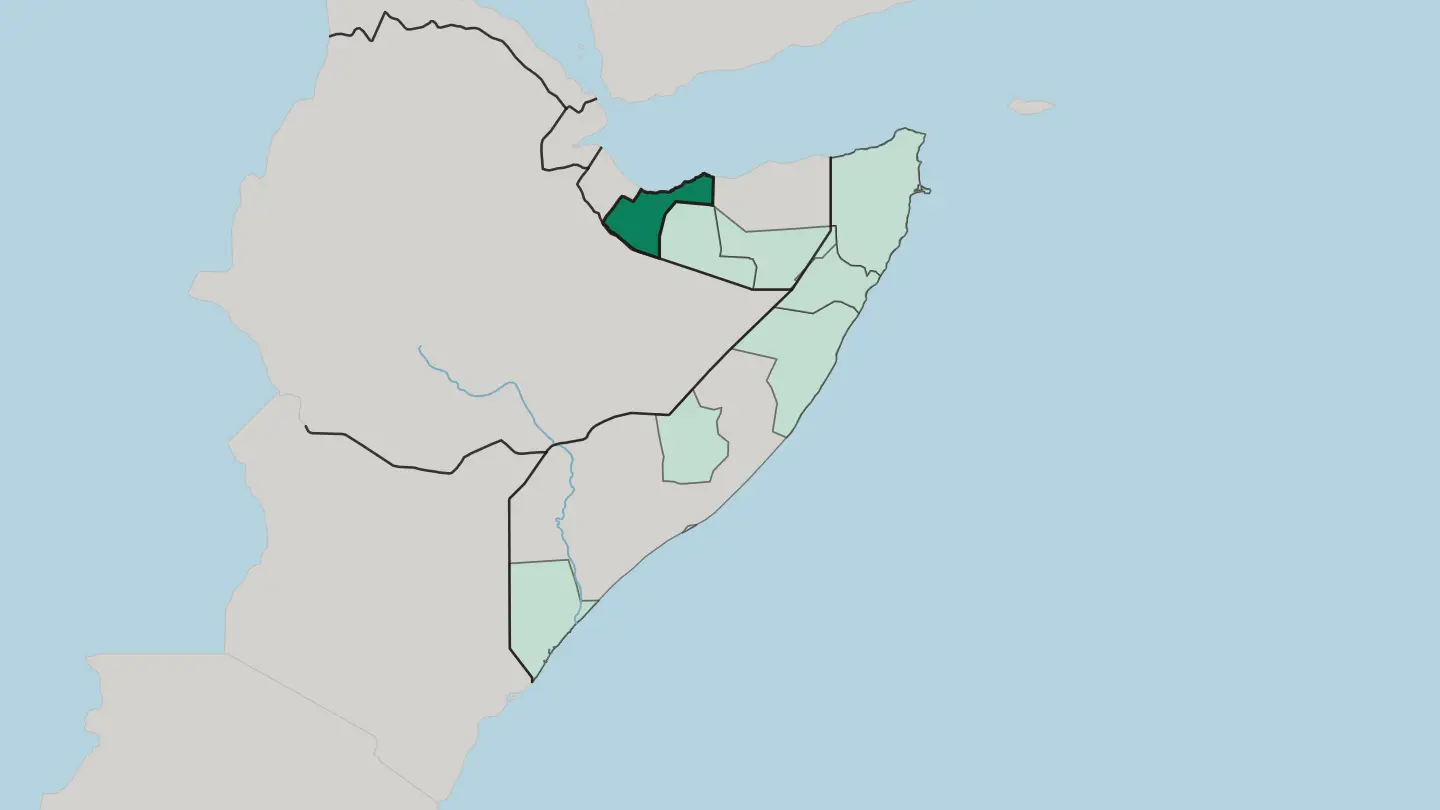
About Somalia
What is Somalia known for?
Somalia holds the longest coastline on mainland Africa, a shoreline that fronts the Gulf of Aden and the Indian Ocean. Its past is stacked with sultanates. The Sultanate of Mogadishu once ran a gold trade that reached across the Horn of Africa, and the later Ajuran Sultanate held ground against Portuguese fleets and Oromo raids from the interior.
Camels outnumber people across the grazing lands. At Laas Geel, north of Hargeisa, herders painted cattle onto cave walls thousands of years before the sultanates rose. Frankincense trees still scent the Cal Madow highlands.
Where is Somalia?
Somalia occupies the outer edge of the Horn of Africa, the easternmost reach of the continent. Its coastline is the longest on mainland Africa, curving from the Gulf of Aden in the north to the Indian Ocean along the east, past the port of Berbera and down toward Kismayo in the far south. Two rivers water the country, and only two.
The Jubba and the Shabelle both rise in the Ethiopian highlands and run south-west through the lower country, though the Shabelle often loses itself in sand before it can reach the sea. Between them lies the fertile riverine belt where most of the farming happens. The north is another world entirely.
There the Cal Madow range climbs behind Bosaso to Mount Shimbiris, the highest ground in the country, while the Ogo highlands and the dry Haud plateau stretch inland toward Ethiopia. Much of the centre is semi-arid scrub grazed by nomads. Sand and thornbush fill the gaps.
From the coral coast at Berbera to the frankincense slopes above the Gulf of Aden, the terrain shifts hard and fast.
What is the history of Somalia?
Somalia's coast has drawn traders since antiquity, when the region supplied the aromatics the ancients tied to the Land of Punt. Medieval sultanates followed. The Sultanate of Mogadishu grew rich on the gold trade between the tenth and sixteenth centuries, and the Ajuran Sultanate ruled much of the south from strong inland centres, turning back both Portuguese ships on the coast and Oromo horsemen pressing from the west.
The Adal Sultanate carried the fight against the Christian highland kingdoms of what is now Ethiopia. Then came the empires. In the late nineteenth century Britain and Italy carved the Somali lands into two colonies, British Somaliland in the north and Italian Somaliland in the south, and Italy fixed its capital at Mogadishu.
Independence arrived in 1960, when the two territories joined within days of each other to form a single state. The decades since have been hard. War, famine, and the long collapse of central authority followed the fall of the government in the early 1990s.
What is Somalia like?
Somali culture rests on clan, poetry, and the herd. The country counts as one of the most ethnically homogeneous in Africa, and the Somali language binds it, spoken from Hargeisa to Kismayo with Arabic alongside as a second tongue. Poetry carries the weight elsewhere given to written record.
Memorised verse settles disputes, courts marriages, and preserves lineage, and a gifted poet has long held standing that rivals any elder. Faith runs through the day. The people are overwhelmingly Sunni Muslim, shaped by a Sufi tradition whose saints' shrines and farming settlements dot the south.
The camel sits near the centre of it all. Somalia keeps more camels than any country on earth, and camel milk, camel meat, and the wealth a herd represents thread through proverb and song alike. At the table, bariis spiced with cardamom and cumin anchors the meal, and xalwo sweetened with ghee marks the feast days.
Song, dance, and staged plays fill the celebrations.
What is the climate of Somalia?
Somalia runs hot and dry across nearly all its ground. Rain comes in two spells rather than one steady season: the Gu rains between April and June, then the lighter Deyr rains from October into December, both driven by the tropical wind belt sliding across the Horn of Africa. Between them fall the parched Jilaal and the humid Xagaa.
The coast around Berbera ranks among the hottest inhabited shores on earth. The highlands stay cool.
How do you get to Somalia?
For most visitors, Somalia is a flying arrival. Aden Adde International Airport at Mogadishu takes the bulk of arrivals into the south, while Hargeisa in the northwest and Garoowe in Puntland run their own airports for the north. The country is large and its regions do not connect easily on the ground.
Overland travel between them is slow and often ruled out, so visitors generally fly city to city and arrange vetted transport once they land. Distances here are national in scale. Pick the entry point that matches the region.
Updated September 2026