Suriname · Distrikt Paramaribo
Where to Stay in Paramaribo, Distrikt Paramaribo
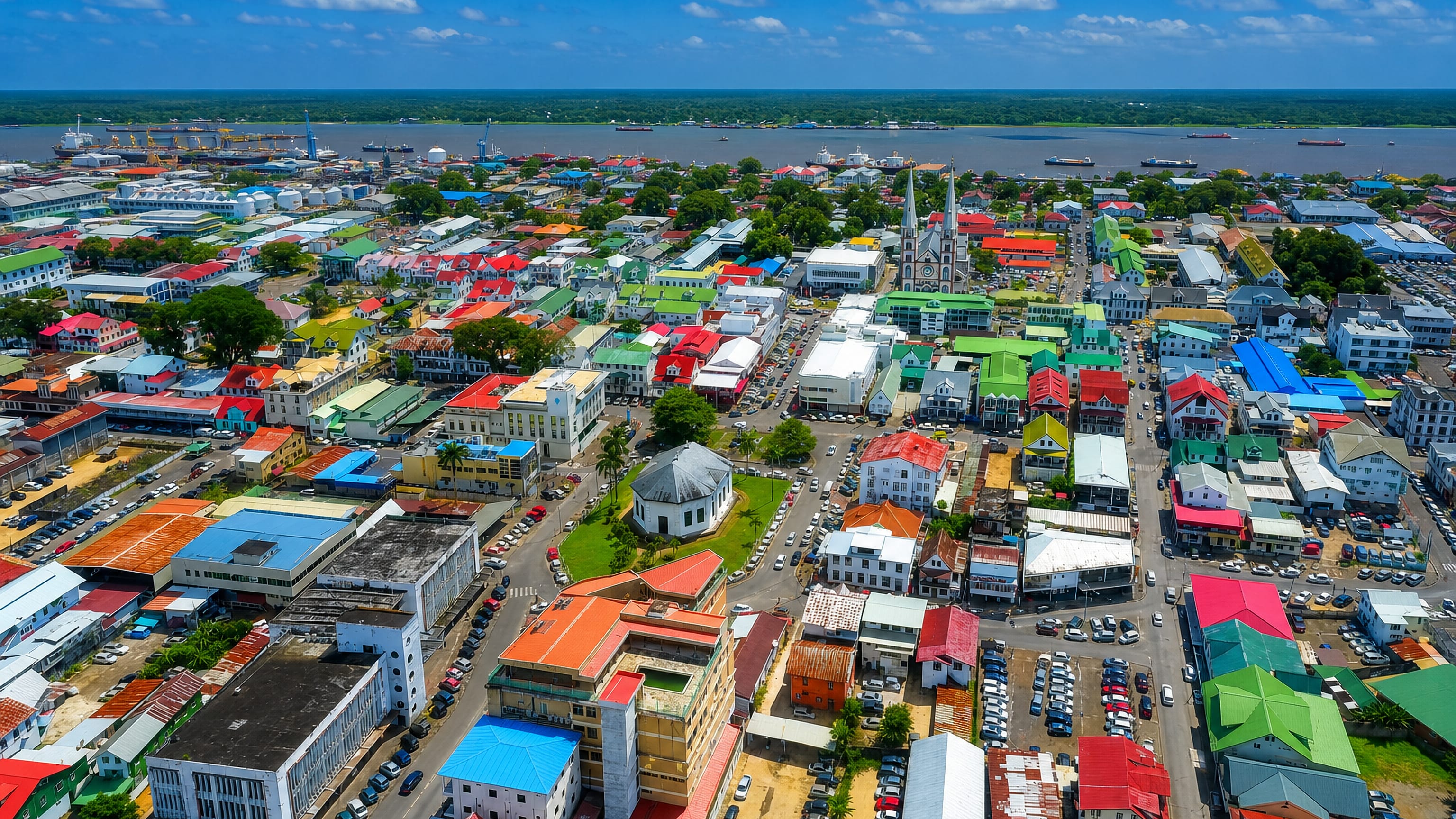
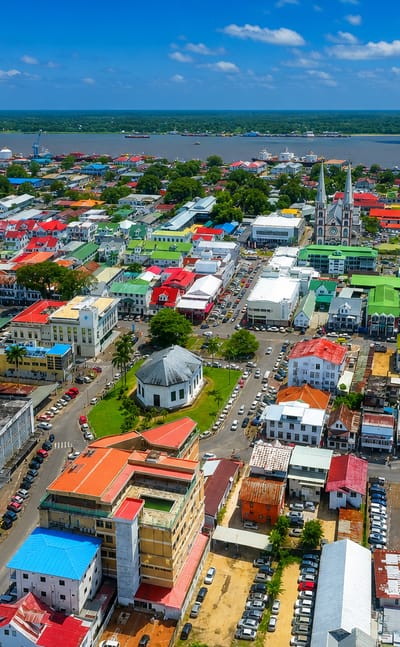
Wooden colonial facades line the Suriname River at Paramaribo, capital of Suriname, whose UNESCO-listed inner city gives the Dutch-speaking port its name.
Hotel links are affiliate links: booking through them may earn us a commission, at no extra cost to you. It never affects how places are ranked. How this works


Where to stay in Paramaribo
Where you base yourself shapes the visit — here's the character of each area.
 ParamariboSuriname
Weg naar Zee
Weg naar Zee, a resort of the Paramaribo District in Suriname, carries a name that translates as road to sea, and the road does reach the shore.Where to stay →ParamariboSurinameBeekhuizen
Beekhuizen began as a sugarcane plantation and is a resort of Paramaribo, its streets holding the Monument 100 years abolition of slavery.Where to stay →Hotel links are affiliate links: booking through them may earn us a commission, at no extra cost to you. It never affects how places are ranked. How this works
Find hotels in Paramaribo
Direct booking searches for these neighbourhoods.
Historic inner city
The UNESCO-listed inner city of Paramaribo packs the capital's Dutch colonial architecture, riverfront, and main sights into one walkable grid beside the Suriname River.Find hotels in Historic inner cityQuieter residential stays away from the historic waterfront crowds of ParamariboOuter avenues near Paramaribo Zoo
The leafy avenues around the Paramaribo Zoo give a calmer base than the heritage core while keeping the whole of Suriname's capital within reach.Find hotels in Outer avenues near Paramaribo ZooHotel links are affiliate links: booking through them may earn us a commission, at no extra cost to you. It never affects how places are ranked. How this works
Things to do in Paramaribo
Ranked by global recognition; descriptions from Wikidata (CC0).
Museums & Galleries
3- Sports Hall of Fame Suriname
- Villa Zapakara
- Anatomisch-Embryologisch Museum
Churches & Religious Sites
2- Sint Alfonsuskerk, Paramaribo
- Bribi Ministries Moedergemeente
Castles & Historic Sites
3- Monument for Fallen Policemen
- Twee Beelden
- Wojo Oema
Stadiums & Sports
2- Sportcentrum Plein van 12 mei
- Ring Sport Center
worth knowingacross 4 categories in Paramaribo
About Paramaribo
What is Paramaribo known for?
Paramaribo is known for its UNESCO World Heritage inner city, a grid of Dutch colonial timber buildings on the west bank of the Suriname River. It is the capital and only city of Suriname, and locals call it Foto. The historic centre earned its listing in 2002.
Its wooden streetscape draws most who visit the country.
What are the main landmarks in Paramaribo?
Paramaribo's landmarks concentrate in and around its UNESCO-listed inner city. The Sint Alfonsuskerk, a landmark church of the capital, rises above the colonial grid, while the Paramaribo Zoo and the exhibition house Villa Zapakara draw families toward the outer avenues. The Anatomisch-Embryologisch Museum holds a scholarly collection in the city.
These built sights, all in the capital of Suriname, cluster near the west bank of the Suriname River.
What is the history of Paramaribo?
Paramaribo was founded in 1613 as a trading post on the west bank of the Suriname River, and it grew into the seat of colonial Suriname. Dutch settlers laid out the timber town that still defines the inner city, and its grid of wooden buildings, churches, and warehouses records that colonial century. The river made the site.
As the capital of Suriname, Paramaribo became the country's chief port, government seat, and centre of commerce, and the many peoples who came to work its plantations and its trade left their mark on the streets that grew inland from the water. The wooden architecture survived where other tropical capitals rebuilt in stone. That endurance is why the historic inner city was inscribed as a UNESCO World Heritage Site in 2002, a recognition of one of the best-preserved Dutch colonial townscapes in the Americas.
Foto, the local name, carries that long memory. The port and the river anchored it all.
Where is Paramaribo?
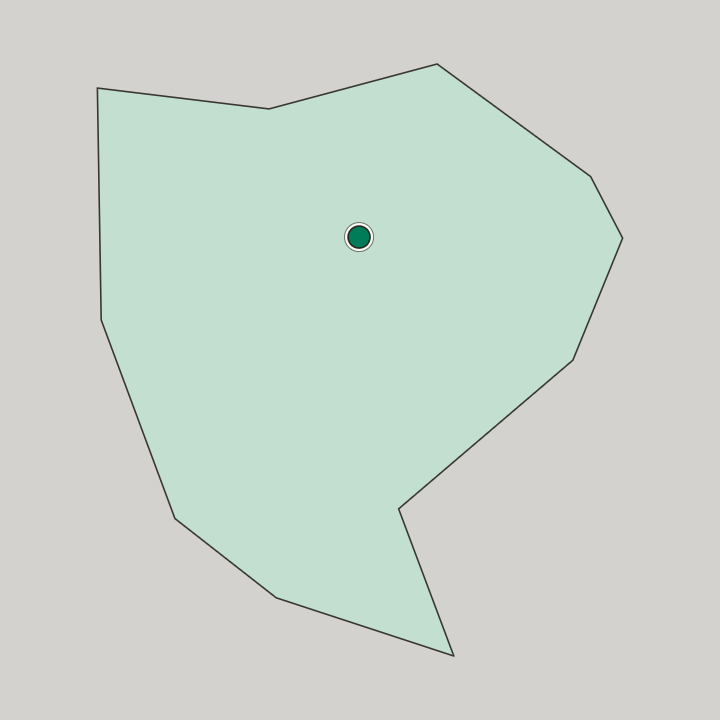
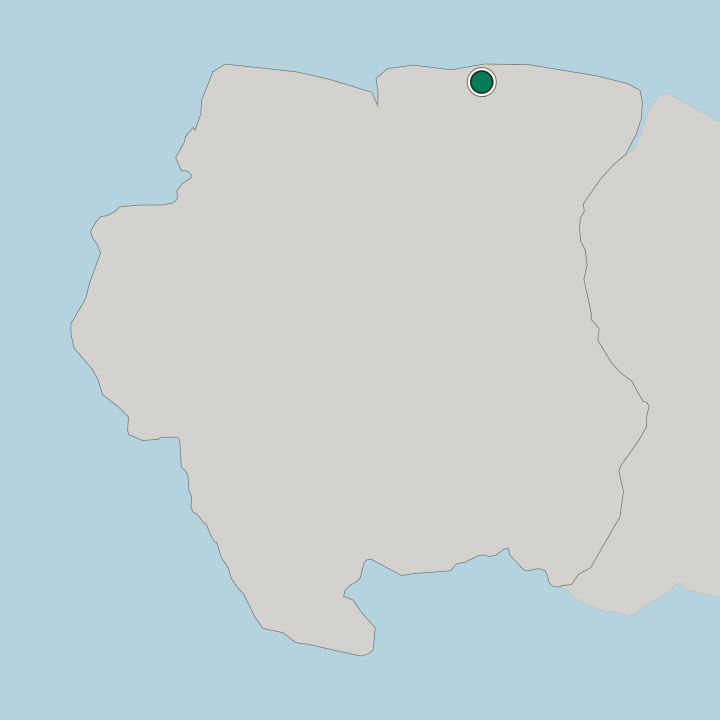
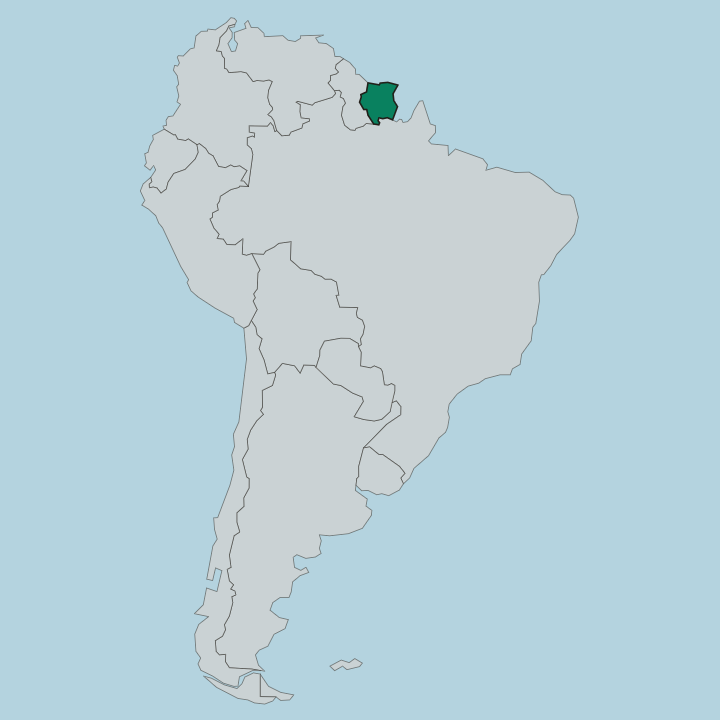
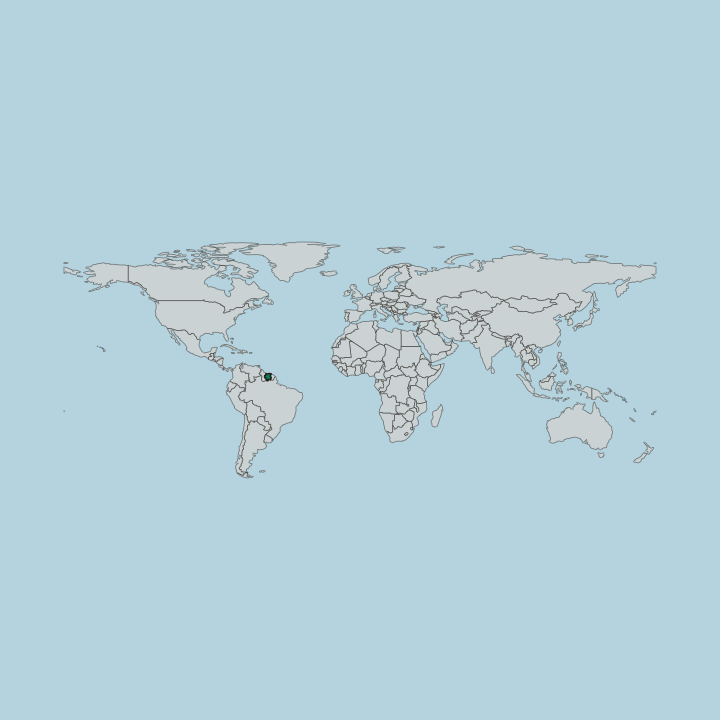
Paramaribo sits on the west bank of the Suriname River, a short way inland from the Atlantic Ocean. It fills the whole of Distrikt Paramaribo, the smallest district of Suriname, spread across flat, low-lying tropical ground in the Northern Hemisphere where the river gives the capital its working waterfront and its historic harbour. The setting is riverine.
Beyond the built-up capital, the rest of Suriname opens into forest and plantation country away from the coast.
What is the climate of Paramaribo?
Paramaribo has a hot, humid tropical climate, warmed year-round by its low, coastal setting near the Atlantic Ocean. Wetter and drier seasons alternate rather than any cold spell, and the heaviest rains soak the Suriname River valley in the wet months. Paramaribo stays hot in every month.
The Northern Hemisphere tropics keep the capital of Suriname sultry from one season to the next.
How do you get to Paramaribo?
Paramaribo is the main point of entry to Suriname, reached by air, road, and river. Its historic harbour on the Suriname River long served as the country's chief port, and roads from the coast and interior converge on the capital, drawing arrivals from every direction into the one city Suriname holds. Boats still work the river.
From here travellers fan out across the country toward the Atlantic Ocean and the forested interior.
Common questions
What is the best area to stay in Paramaribo?
Historic inner city: First-time visitors who want the Suriname River waterfront and colonial timber streets at the door. Outer avenues near Paramaribo Zoo: Quieter residential stays away from the historic waterfront crowds of Paramaribo.
Good for
Updated September 2026