South Sudan · Western Bahr el Ghazal State
Where to Stay in Wau, Western Bahr el Ghazal State
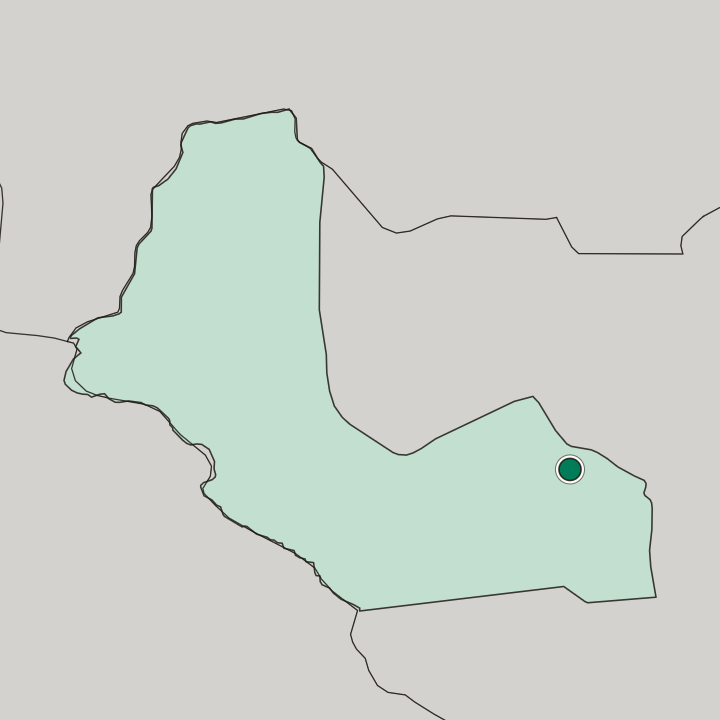
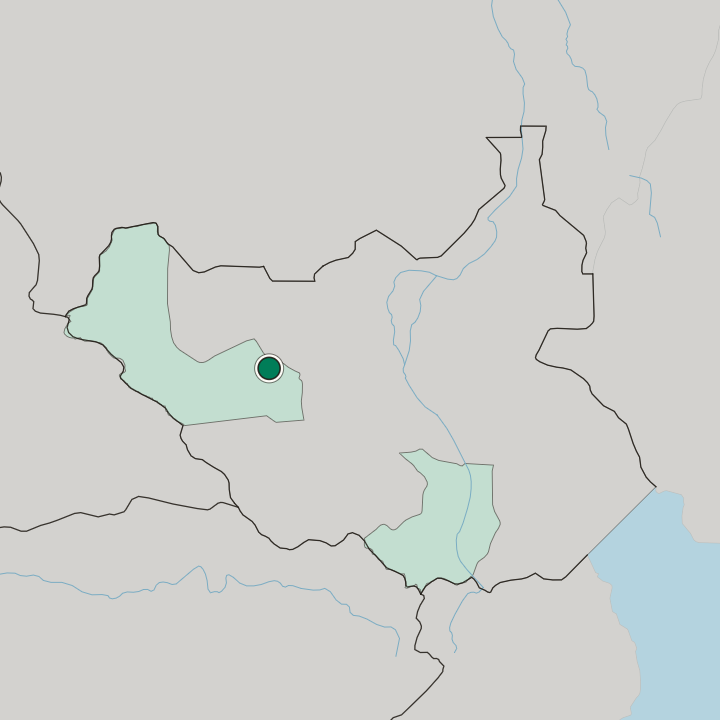
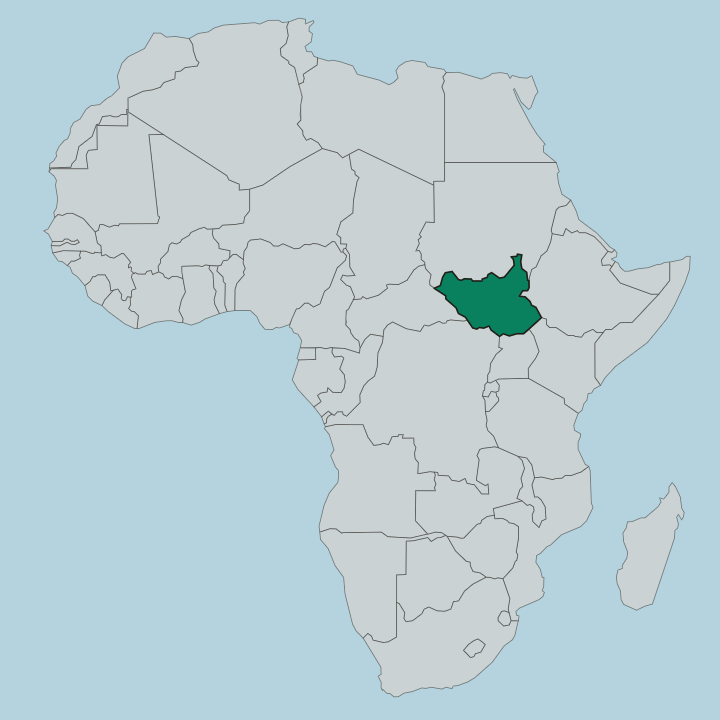
Wau, on the western bank of the Jur River, is the capital of Western Bahr el Ghazal and the third largest city in South Sudan.
Hotel links are affiliate links: booking through them may earn us a commission, at no extra cost to you. It never affects how places are ranked. How this works


Where to stay in Wau
How the choice of base plays out on the ground.
Wau is where the state sleeps, and the choice inside it is a choice of neighbourhood. Nazareth, Hai Fahal, Sika Hadid, and Daraja are the names that matter, and an address given without one of them is not much use to a driver, so it is worth learning which quarter a room sits in before agreeing to anything. Ask which side of the Jur.
The town stands on the river's western bank, and crossings shape how long a morning takes. Nazareth and Daraja carry most of what a visitor needs. Hai Fahal and Sika Hadid are quieter, and a room in either puts the market and the Cathedral of St. Mary of Wau within a short run rather than on the doorstep.
Book ahead when the state is busy. Wau is the capital of Western Bahr el Ghazal as well as its trading hub, so officials and traders from across the Bahr el Ghazal region compete for the same handful of rooms, and an unannounced arrival can find them taken. Juba is a long way off.
Anyone hoping to solve a bad night by moving on should remember that the national capital lies some 650 kilometres to the southeast, so the practical answer is always another address in Wau. You want Nazareth or Daraja for convenience, Hai Fahal or Sika Hadid for quiet.
Find hotels in Wau
Direct booking searches for these neighbourhoods.
Nazareth
The Wau quarter whose name comes up most often in directions, and a straightforward place to be dropped by a driver.Find hotels in Nazarethquiet within reach of the Cathedral of St. Mary of WauHai Fahal
One of Wau's named quarters, off the market traffic and still on the Jur River's western bank with the rest of the town.Find hotels in Hai Fahalstays of several nights rather than oneSika Hadid
A Wau quarter a driver will recognise by name, and an easier proposition when a room is arranged ahead of arrival.Find hotels in Sika Hadidtravellers who want the market side of WauDaraja
A named quarter of the town, worth asking for by name because addresses in Wau are given by neighbourhood rather than by street.Find hotels in DarajaHotel links are affiliate links: booking through them may earn us a commission, at no extra cost to you. It never affects how places are ranked. How this works
About Wau
The Jur River gives Wau its footing.
What is Wau known for?
The town stands on the western bank and works as a trading hub, which is why the market rather than any single monument is what most descriptions of the place put first. Trade sets the tone. Wau has been a municipality since 2012, run by a mayor whom the state governor appoints, and it serves as the seat of Western Bahr el Ghazal in that capacity.
The Cathedral of St. Mary of Wau is its named monument.
What are the main landmarks in Wau?
The Cathedral of St. Mary of Wau is the city's named monument. Beyond it, the neighbourhoods do the identifying: Nazareth, Hai Fahal, Sika Hadid, and Daraja are the names people give directions by, and a visitor learns them faster than any list of sights. The Jur River is the other constant.
Walk the western bank.
What is the history of Wau?
Wau is a town that its own people call a city. The distinction shows up in the sources, which describe a small urban centre and a trading hub in the same breath, and the two readings sit together without much friction in ordinary speech. Trade explains the size.
A settlement on the western bank of the Jur River, placed on the routes of the Bahr el Ghazal region, accumulated the market, the offices, and the arrivals that make a place function as a capital regardless of what it is called. Municipal government arrived in 2012. Wau has been run as a municipality since that year, with a mayor whom the state governor usually appoints, so the town's administration is younger than the town by a long stretch.
The cathedral is older ground. The Cathedral of St. Mary of Wau is the one named monument the record carries, and it is the fixture most accounts of the town name before anything else. Names shifted with the region.
Wau is given as the capital of Western Bahr el Ghazal in some accounts and of the wider Bahr el Ghazal region in others, and both descriptions are in circulation, which tells its own story about how the town has been positioned in the arrangements of South Sudan.
Where is Wau?
The Jur River is the fixed edge. Wau occupies the western bank, and the built-up ground spreads back from it in the quarters that give the town its working geography, Nazareth, Hai Fahal, Sika Hadid, and Daraja among them. Juba lies far off.
Some 650 kilometres of country separate Wau from the national capital, which is why Western Bahr el Ghazal is administered from here rather than from anywhere further along that road.
What is the climate of Wau?
The Jur sets the calendar. Rains raise the river and soften the ground, and the months when that happens decide what can be driven out of Wau and what has to wait, far more than any change in temperature does. Heat is steady year-round.
Visitors pick dates by the state of the roads through Western Bahr el Ghazal, not by the thermometer.
How do you get to Wau?
Most journeys here start in Juba. The national capital lies some 650 kilometres to the southeast, and the run northwest is the standard approach to Wau for anyone coming from the rest of South Sudan. The Jur crossing matters locally.
Movement within Western Bahr el Ghazal is arranged in the town itself, where the market and the offices sit close enough that a morning of asking usually settles an afternoon of travel.
Common questions
What is the best area to stay in Wau?
Nazareth: a first address in the state capital. Hai Fahal: quiet within reach of the Cathedral of St. Mary of Wau. Sika Hadid: stays of several nights rather than one. Daraja: travellers who want the market side of Wau.
Updated September 2026