El Salvador · Departamento de San Miguel
Where to Stay in San Miguel, Departamento de San Miguel
San Miguel is a city in eastern El Salvador at the foot of an active volcano, famous for its great carnival.
Hotel links are affiliate links: booking through them may earn us a commission, at no extra cost to you. It never affects how places are ranked. How this works


Where to stay in San Miguel
Where the beds are, and what that means for the visit.
Lodging in San Miguel splits between the old centre and the highway edge. The streets around the basilica and the square keep the markets, the churches, and the carnival route within a walk, and staying downtown suits anyone here for the city. The square fills in the cool evening.
Rooms sit near the basilica. Out toward the highway and the newer edges, the city spreads onto the plain. A room by the highway trades the old centre for space, parking, and an easy road east or west.
The volcano rises past the edge. If you want the markets and the basilica, stay downtown; if you want the road, take a room by the highway. From either side of town, the old centre is only a short ride off.
Find hotels in San Miguel
Direct booking searches for these neighbourhoods.
The old centre
Around the basilica and square, within a walk of the carnival routeFind hotels in The old centreStays wanting space and the road eastBy the highway
Out on the plain by the Pan-American Highway with parking and easy roadsFind hotels in By the highwayHotel links are affiliate links: booking through them may earn us a commission, at no extra cost to you. It never affects how places are ranked. How this works
About San Miguel
San Miguel is the carnival city of eastern El Salvador.
What is San Miguel known for?
It stands below the smoking cone of the Chaparrastique volcano, gathered around a white basilica to the Virgin of Peace, and every November it fills for the largest carnival in the country, a long night of music, dancing, and light. The volcano smokes above the town. Carnival and volcano mark the city.
What are the main landmarks in San Miguel?
The basilica crowns the heart of San Miguel. Its white Cathedral of Our Lady of Peace rises over the main square, the emblem of the city, in the old centre. A great volcano looms over all.
The Chaparrastique cone smokes to the west of the town, while the old churches and the theatre mark the streets where the great carnival passes each year.
What is the history of San Miguel?
San Miguel was founded by the Spanish in the east. Conquerors laid out the town in 1530 on the plain below the volcano, and it grew as the chief city of the eastern country, a market for indigo, cattle, and later coffee. The volcano marked its fate.
An old story tells how an image of the Virgin of Peace came ashore in a crate, and how her prayers turned aside the lava when the mountain erupted, so the people made her their patron. The town grew into the great city of the east. Roads and trade tied it to the ports and the capital, and San Miguel became the third city of El Salvador, busy with markets and fairs.
Its carnival grew famous across the land. Each November the streets fill for the feast of the Virgin of Peace, with bands, floats, and dancing until dawn, the largest carnival in Central America. The basilica still stands on the square.
San Miguel keeps its patron and its carnival below the volcano.
Where is San Miguel?
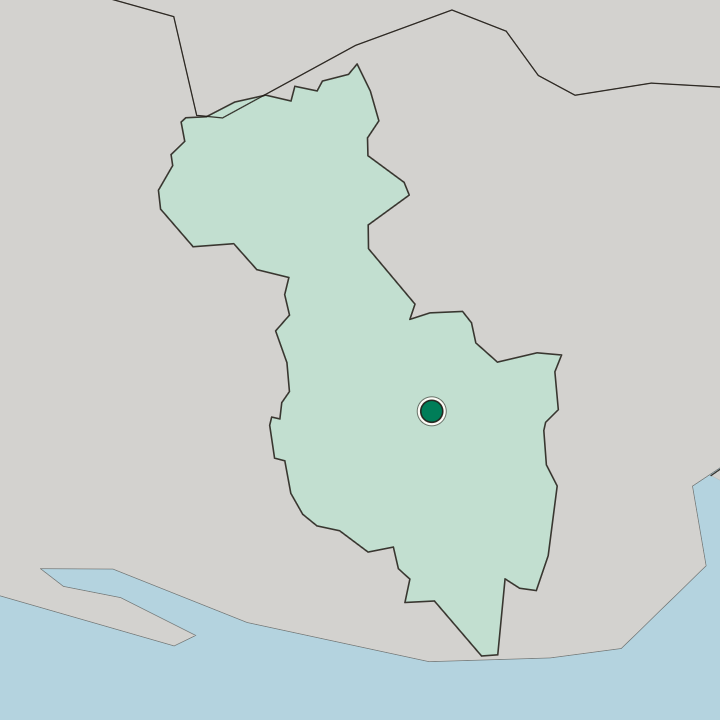
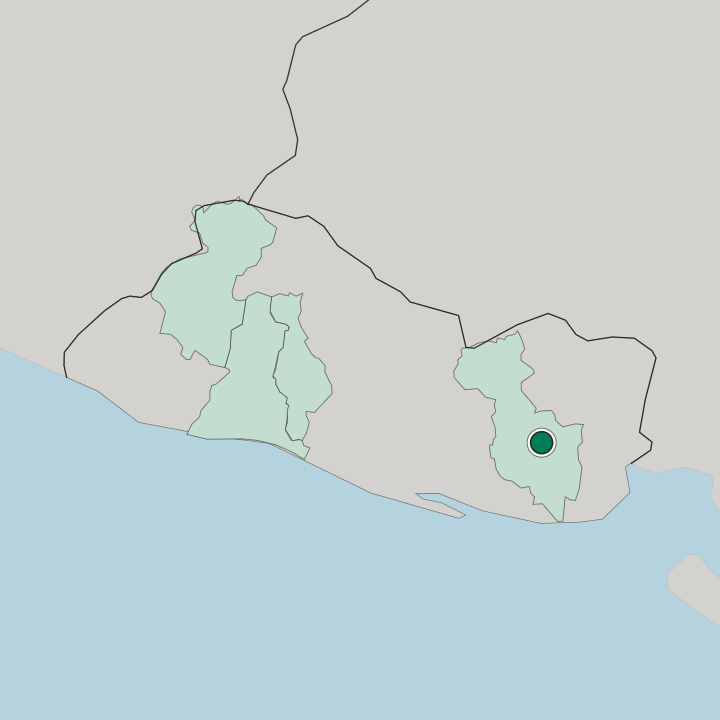
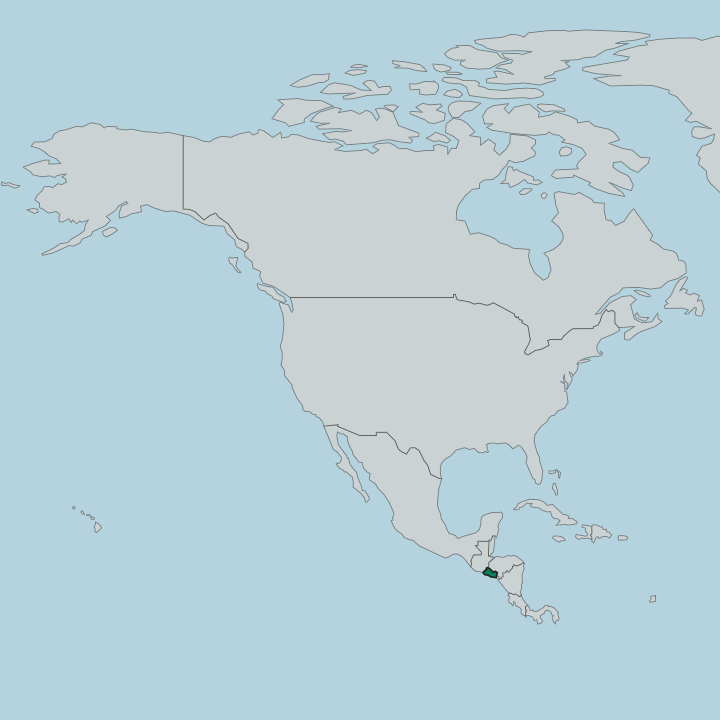
San Miguel lies in the eastern plains of El Salvador, below the Chaparrastique volcano. The city spreads on a hot lowland plain at the foot of the great cone, on the Río Grande de San Miguel, among fields of sugar and coffee hills. A sharp cone rises to the west.
The dry plain runs on to the coast.
What is the climate of San Miguel?
San Miguel has a hot tropical climate. Long, dry heat rules the lowland through much of the year, and the rains come hard from summer into autumn, greening the plain, before the dry months return. Storms build over the volcano in the wet season.
The lowland heat stays fierce most days.
How do you get to San Miguel?
San Miguel lies in the east of El Salvador on the Pan-American Highway. The great highway runs to it from the capital and on toward Honduras, and roads branch south to the Pacific ports and beaches. Buses reach the eastern towns around.
Most arrive by road from San Salvador.
Common questions
What is the best area to stay in San Miguel?
The old centre: Visitors here for the basilica, markets, and carnival. By the highway: Stays wanting space and the road east.
Updated September 2026