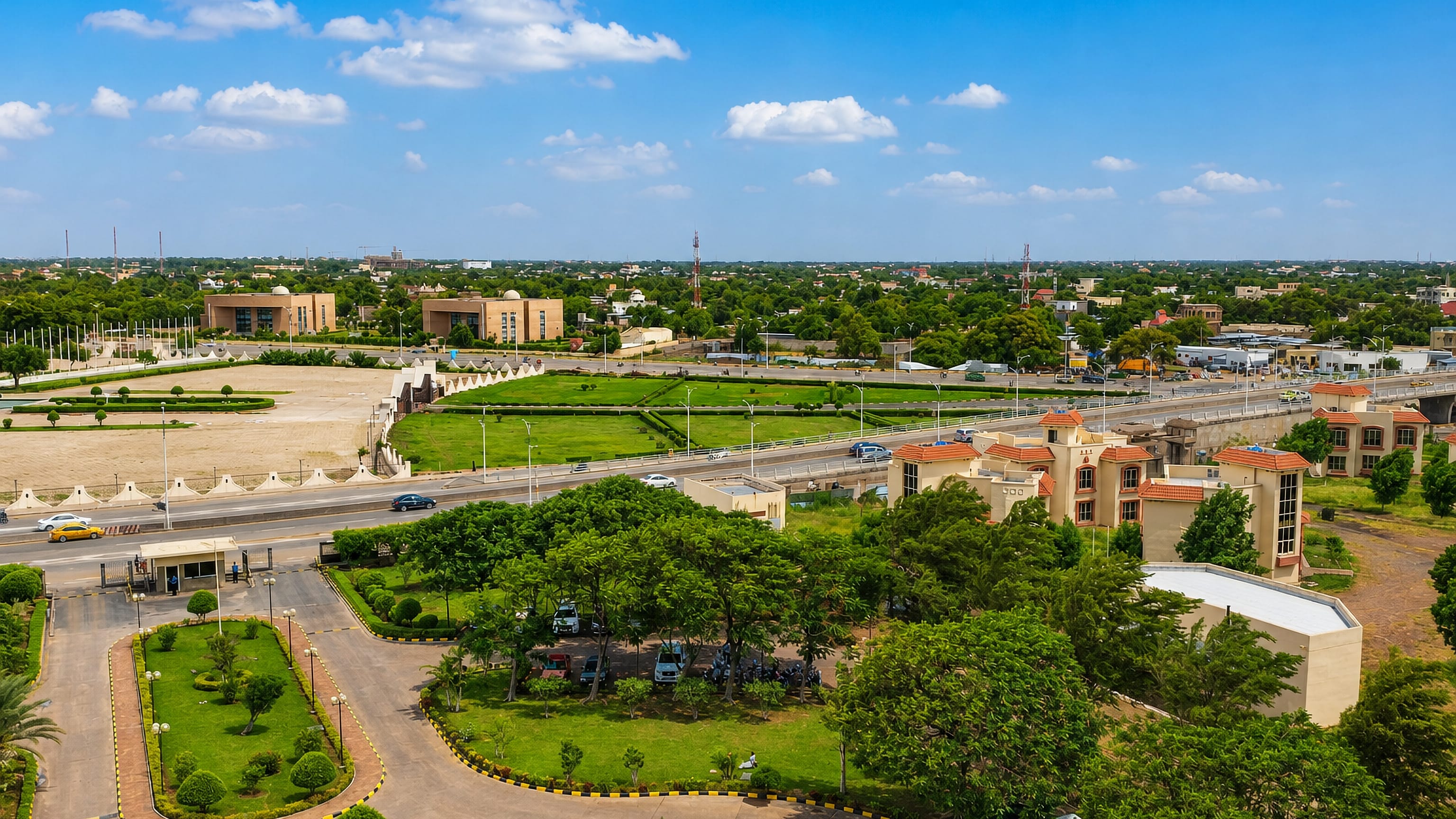
Chad · Ville de N'Djamena
Where to Stay in N'Djamena, Ville de N'Djamena
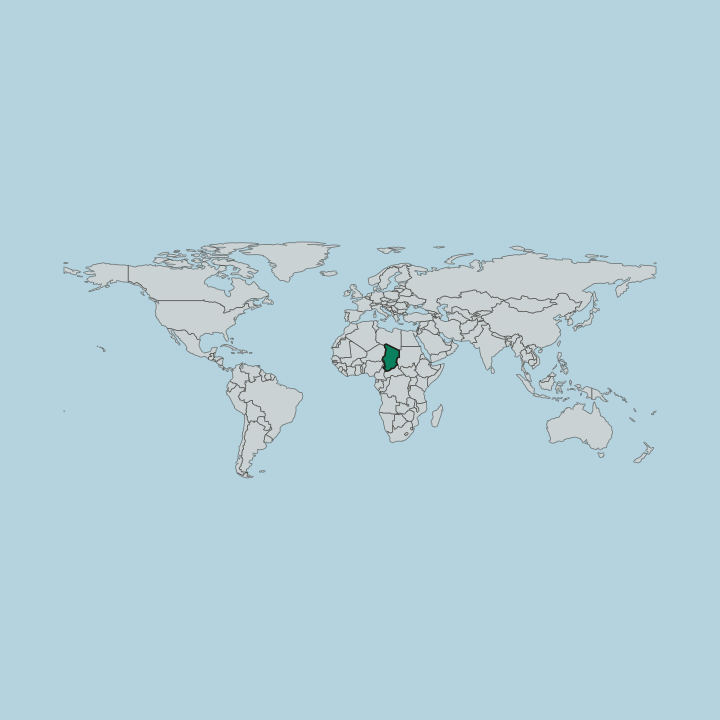
N'Djamena stands where the Chari meets the Logone, the capital of Chad, known for the Chad National Museum and its crossing toward Cameroon.
Hotel links are affiliate links: booking through them may earn us a commission, at no extra cost to you. It never affects how places are ranked. How this works


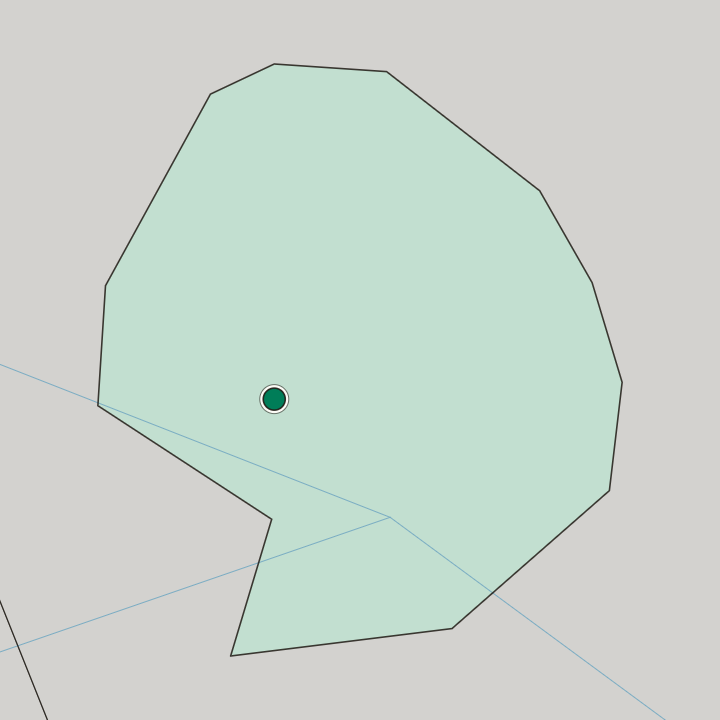
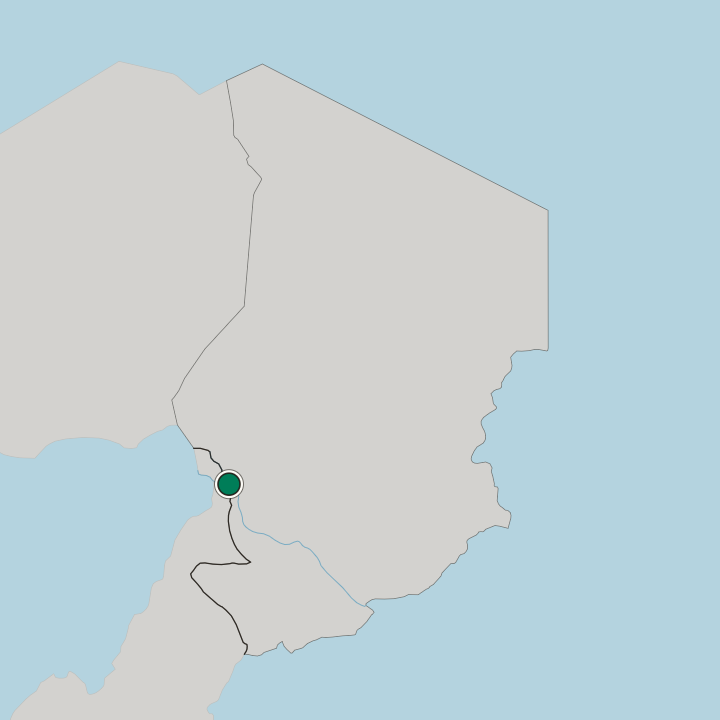
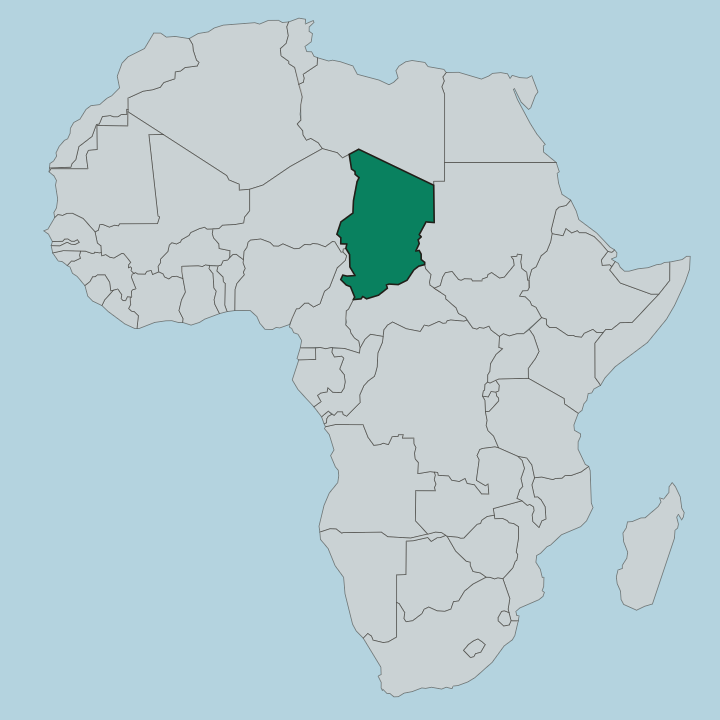
Where to stay in N'Djamena
How the choice of base plays out on the ground.
N'Djamena keeps its lodging close to the riverfront and the civic core, both a short distance from the Chari River. The waterfront is the natural base. Along it the Chad National Museum, the confluence with the Logone, and the crossing toward Kousseri stay within reach, and the streets by the bank fill with movement through the warm hours.
Stay near the river to reach the museum and the water on foot. The streets around the Espace Culturel Talino Manu suit visitors who want the cultural venues and the quieter blocks set back from the bank, a short ride from the waterfront. Here the built-up avenues keep the administrative offices and the markets within an easy walk.
Travellers arriving overland from Cameroon find the districts nearer the bridge the most practical of all, close to the routes that run in toward the wider country of Chad. Wherever you settle in N'Djamena, the Chari River and the mouth of the Logone frame the western edge of the city.
Find hotels in N'Djamena
Direct booking searches for these neighbourhoods.
N'Djamena waterfront
The eastern bank of the Chari River near the Chad National Museum and the crossing toward Kousseri, the most practical base for reaching the water on foot in N'Djamena.Find hotels in N'Djamena waterfrontquieter stays near the cultural venues of N'DjamenaTalino Manu quarter
The built-up blocks around the Espace Culturel Talino Manu, set back from the Chari, for travellers who want the markets and administrative streets within an easy walk.Find hotels in Talino Manu quarteroverland arrivals crossing from CameroonBridge approach
The districts nearest the bridge toward Kousseri and the roads into the wider country of Chad, the handiest base for travellers arriving by land in N'Djamena.Find hotels in Bridge approachHotel links are affiliate links: booking through them may earn us a commission, at no extra cost to you. It never affects how places are ranked. How this works
Things to do in N'Djamena
Ranked by global recognition; descriptions from Wikidata (CC0).
Museums & Galleries
1- Chad National Museum
Churches & Religious Sites
3- Eglise Fraternelle Luthérienne
- Eglise catholique de Walia
- église Fraternelle Luthérienne-paroisse de Ndjari
Parks & Gardens
1- KisneLand
worth knowingacross 3 categories in N'Djamena
About N'Djamena
What is N'Djamena known for?
N'Djamena is known as the capital and largest city of Chad, gathered on the eastern bank of the Chari River. Its riverfront defines it. The Chad National Museum holds the country's collections, while the Eglise catholique de Walia and the Espace Culturel Talino Manu mark the built-up quarters.
Just below the city the Chari joins the Logone and runs toward Lake Chad. Across the water stands the Cameroonian town of Kousseri, close enough to see from the eastern bank.
What are the main landmarks in N'Djamena?
N'Djamena gathers its main landmarks along the eastern bank of the Chari River. The Chad National Museum stands at their head, holding the country's archaeological and ethnographic collections gathered from across the land between the Chari and Lake Chad. Nearby the Eglise catholique de Walia and the Eglise Fraternelle Luthérienne mark the churchgoing quarters.
The Espace Culturel Talino Manu anchors the city's cultural life away from the water. Cameroon lies just across the river.
What is the history of N'Djamena?
N'Djamena was founded in 1900 as a fort on the eastern bank of the Chari River, at the meeting of the Chari and the Logone. The site was chosen for the water. Standing just above the confluence and across from the land that is now Cameroon, the outpost commanded the river routes and the crossing toward Kousseri, and it grew from a garrison into the administrative centre of the surrounding country.
Over the following decades the settlement spread back from the bank. It rose to become the capital of Chad and the country's largest city, and the special-status province took shape around it. The Chad National Museum was established to keep the nation's collections, and churches such as the Eglise catholique de Walia marked the growth of the built-up quarters.
The Chari and the Logone held the city to the water throughout, and the crossing toward Cameroon stayed its busiest gateway.
Where is N'Djamena?
N'Djamena sits on the eastern bank of the Chari River, on flat, low ground near the border of Chad with Cameroon. The rivers set the scene. Just below the city the Chari joins the Logone, its chief tributary, and the combined flow runs on toward Lake Chad, while the Cameroonian town of Kousseri lies directly opposite across the water.
The land around is broad and open, spreading away from the two rivers.
What is the climate of N'Djamena?
N'Djamena has a hot tropical climate shaped by its low position at the meeting of the Chari and the Logone. Wet and dry take turns here. A short rainy season brings heavy downpours that swell the Chari River and spread water across the flat plain, while a long dry stretch follows, when the heat holds and dust drifts in from the surrounding country.
Warmth runs through the year. The rivers keep the air damp in the wet months across N'Djamena.
How do you get to N'Djamena?
N'Djamena is reached by air, by road, and across the Chari River from Cameroon. The river crossing is a main gateway. A bridge links the city to the Cameroonian town of Kousseri on the far bank, roads run in from the wider country of Chad, and the city's international airport carries the main air links to the capital.
From the airport it is a short way to the riverfront and the Chad National Museum beside the mouth of the Logone.
Common questions
What is the best area to stay in N'Djamena?
N'Djamena waterfront: riverside stays near the Chad National Museum. Talino Manu quarter: quieter stays near the cultural venues of N'Djamena. Bridge approach: overland arrivals crossing from Cameroon.
Good for
Updated September 2026