Thailand · Changwat Chiang Rai
Where to Stay in Chiang Rai, Changwat Chiang Rai
Chiang Rai is the capital of Chiang Rai Province, founded in 1262 under King Mangrai and listed by UNESCO as a Design City.
Hotel links are affiliate links: booking through them may earn us a commission, at no extra cost to you. It never affects how places are ranked. How this works


Where to stay in Chiang Rai
Where the beds are, and what that means for the visit.
Wat Klang Wiang fixes the centre. Rooms in the blocks around it put the old town, Wat Tham Phra and the Lanna Scripture Museum inside a walk, which is why most first stays in Chiang Rai land here. It suits you if you would rather walk than drive.
Beds are thickest here. The Nativity of Our Lady Church is close enough to fold into the same day, so a stay in the centre covers the temples and the church without needing a vehicle at all. The park side is the other option.
Out toward Rai Mae Fa Luang Art and Cultural Park the town gives way to the upland ground of Changwat Chiang Rai, and a room there suits anyone who came for the art and the hills rather than the temples. Beds are scattered out there. Mueang Chiang Rai District runs well beyond the built edge, so the further out a room sits, the more the stay turns on having transport of some kind.
Chiang Rai Province keeps a wide spread of rooms, and the design label has brought small places into the old town.
Find hotels in Chiang Rai
Direct booking searches for these neighbourhoods.
The old town around Wat Klang Wiang
The thickest block of rooms, with the old-town temples and the museum all on footFind hotels in The old town around Wat Klang WiangArt and upland ground instead of temple morningsOut toward Rai Mae Fa Luang Art and Cultural Park
The upland edge of Changwat Chiang Rai, where the art park replaces the old town as the anchor. Lodging is scarce in this area; reserve in advance.Find hotels in Out toward Rai Mae Fa Luang Art and Cultural ParkStays built around a vehicle and the hill roadsThe outer reaches of Mueang Chiang Rai District
Well past the built edge, where every distance needs transport of some kind. Rooms are few around here — worth securing early.Find hotels in The outer reaches of Mueang Chiang Rai DistrictHotel links are affiliate links: booking through them may earn us a commission, at no extra cost to you. It never affects how places are ranked. How this works
About Chiang Rai
Temples set the tone.
What is Chiang Rai known for?
Wat Klang Wiang stands in the old town and Wat Tham Phra keeps its own ground nearby, and between them the Lanna Scripture Museum holds the written record of the culture that gave the region its name. Design carries the modern claim, since UNESCO put Chiang Rai on its Creative Cities Network as a Design City. Rai Mae Fa Luang Art and Cultural Park makes that claim concrete, and The Nativity of Our Lady Church adds a strand from outside the Lanna tradition.
Mangrai founded the place.
What are the main landmarks in Chiang Rai?
Wat Klang Wiang anchors the old town. Wat Tham Phra keeps a quieter kind of visit, and the Lanna Scripture Museum sits within reach of both with the manuscripts that explain what the temples were built to hold. The Nativity of Our Lady Church breaks the pattern.
Rai Mae Fa Luang Art and Cultural Park lies outside the built centre and takes a half day rather than an hour, which is the trade for seeing the art and craft of Chiang Rai Province in one place.
What is the history of Chiang Rai?
Mangrai chose the site. Chiang Rai was established as a capital in 1262, during the reign of King Mangrai, which makes it older than most of the towns that later grew larger around it. The Lanna world had its centre in this upland country, and the temples that survive in the old town belong to that tradition rather than to anything imported from further down the country.
Wat Klang Wiang holds the middle. Wat Tham Phra keeps its own quieter ground, and between the two the town's plan still follows the shape a Lanna capital was given. Later centuries added other layers.
The Nativity of Our Lady Church came from outside the Lanna tradition entirely, and it stands as a reminder that Chiang Rai has taken in more than one way of building since Mangrai's day. The Lanna Scripture Museum gathers the written side, the manuscripts and scripts that carried the culture, and puts them where anyone can read the record instead of guessing at it. Then came the design label.
UNESCO named Chiang Rai a Design City on its Creative Cities Network, and Rai Mae Fa Luang Art and Cultural Park gives that label somewhere to point, a working ground for the art and craft of the province. Mueang Chiang Rai District still runs from the old centre.
Where is Chiang Rai?
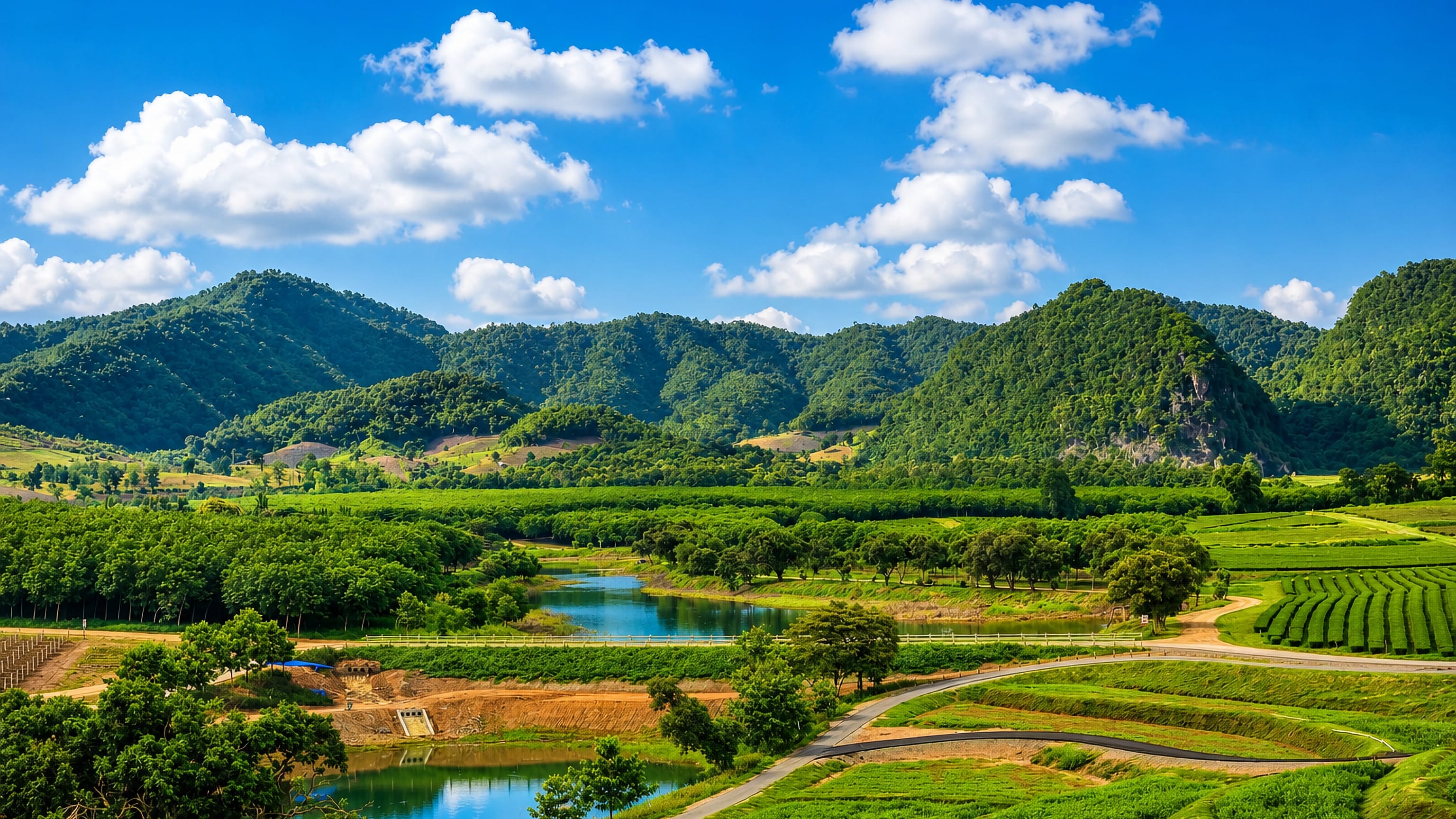
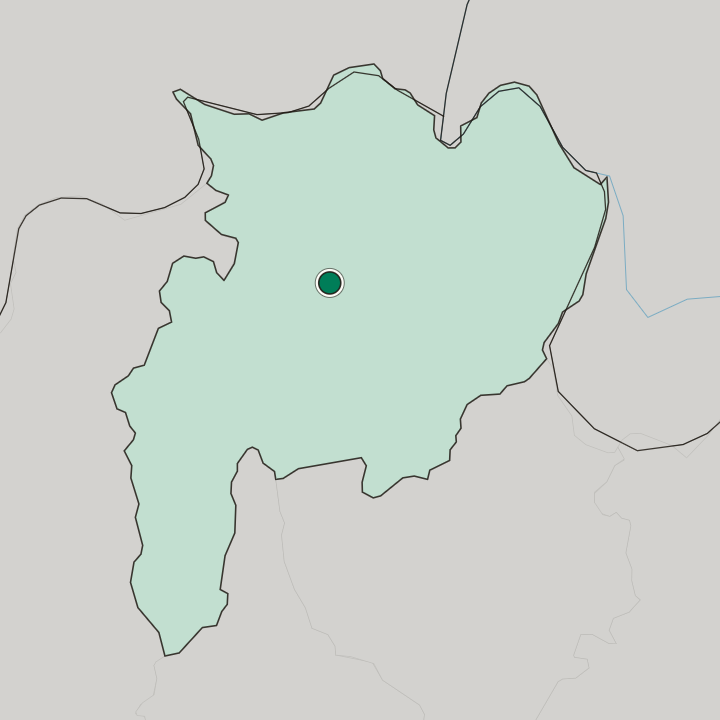
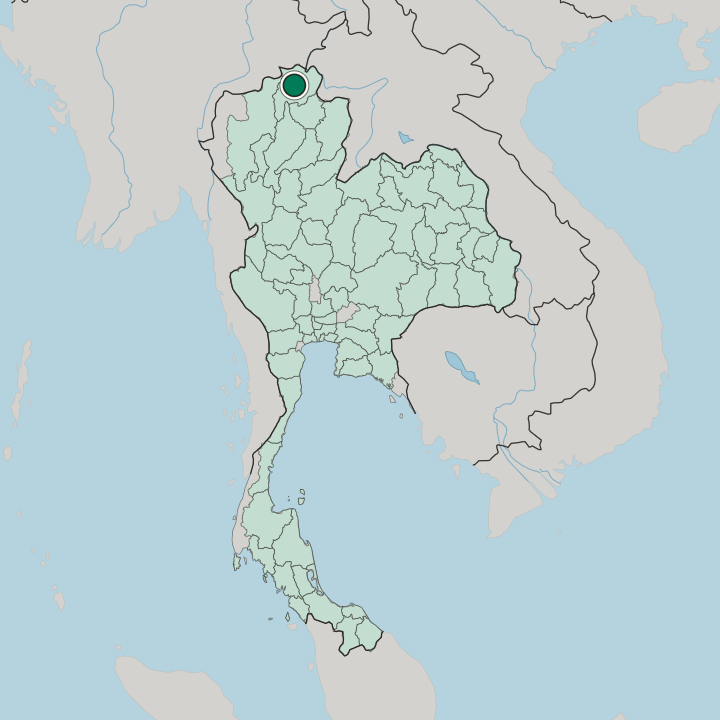
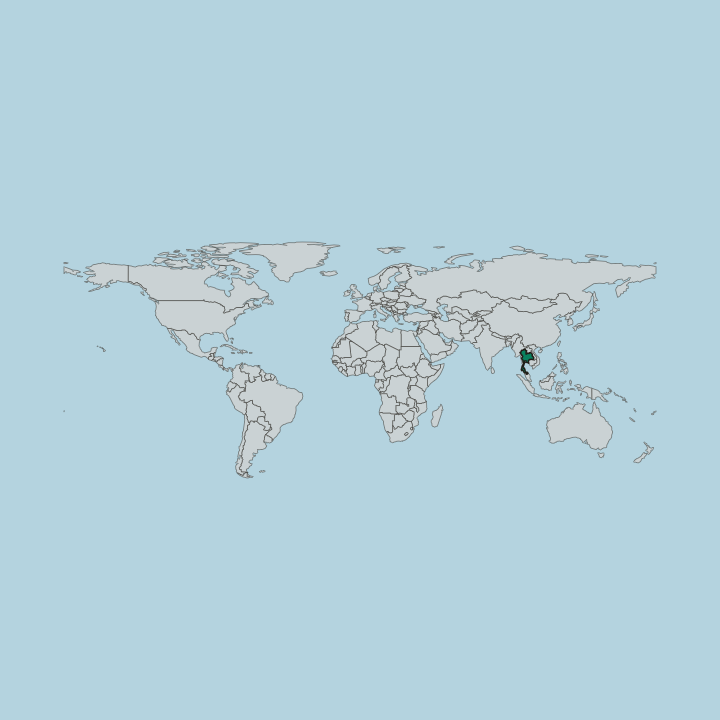
No major city in Thailand lies further north than Chiang Rai. Mueang Chiang Rai District holds the town, with Changwat Chiang Rai spreading around it across the upland country where the Lanna culture took shape and left its temples behind. Hills close in around the town.
Rai Mae Fa Luang Art and Cultural Park takes up a stretch of that ground outside the built centre, which is the plainest sign of how much room Chiang Rai Province has to spare.
What is the climate of Chiang Rai?
The uplands of Changwat Chiang Rai take the edge off the tropical heat, so nights here run cooler than anywhere further down the country and the cool season is genuinely cool. Rain arrives with the monsoon. Cloud sits low on the hills for months, then clears into a dry stretch when the air over Mueang Chiang Rai District turns hazy rather than wet.
How do you get to Chiang Rai?
Roads do the arriving. Chiang Rai sits at the far end of the country's road network, so most journeys here are long ones, and no major city in Thailand lies further north to carry on to. Mueang Chiang Rai District gathers the traffic, and Changwat Chiang Rai spreads the rest of it out across the upland roads that run between the temples and the hill country.
Wat Klang Wiang marks the centre.
Common questions
What is the best area to stay in Chiang Rai?
The old town around Wat Klang Wiang: Walking between Wat Klang Wiang and the Lanna Scripture Museum. Out toward Rai Mae Fa Luang Art and Cultural Park: Art and upland ground instead of temple mornings. The outer reaches of Mueang Chiang Rai District: Stays built around a vehicle and the hill roads.
Good for
Updated September 2026