Thailand · Changwat Kamphaeng Phet
Where to Stay in Kamphaeng Phet, Changwat Kamphaeng Phet
Kamphaeng Phet is a town in Thailand whose ruined temples and city walls form part of the UNESCO World Heritage listing centred on Sukhothai.
Hotel links are affiliate links: booking through them may earn us a commission, at no extra cost to you. It never affects how places are ranked. How this works


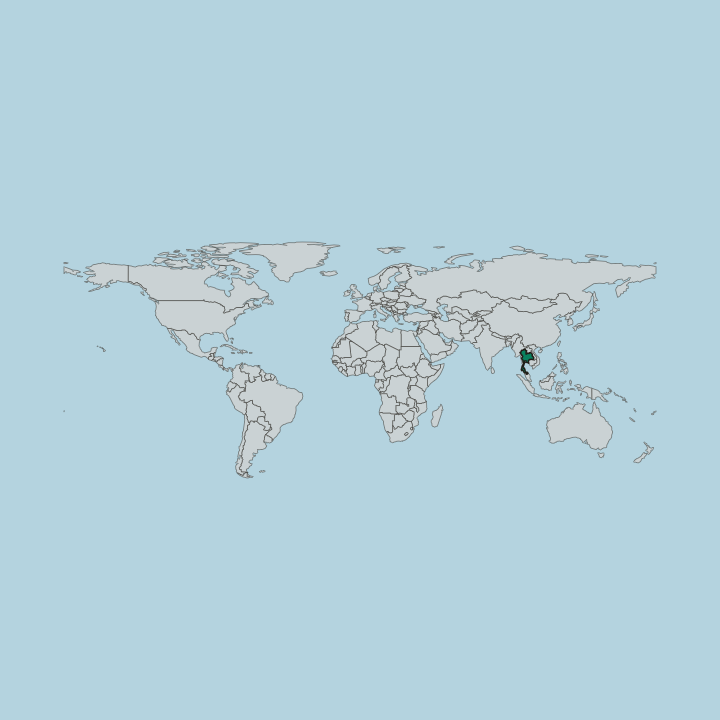
Where to stay in Kamphaeng Phet
How the choice of base plays out on the ground.
Nai Mueang holds the beds. The tambon that the municipality covers entire carries the markets, the offices and most of the rooms in Kamphaeng Phet, which puts a stay there within reach of everything that is not a ruin. It suits you if you would rather eat well than wake beside the walls.
Everything else is a short ride. The historical park lies out of the built centre, so the trade-off is between a room among the shops and a room nearer the temple ruins and the old fortifications. The park side is quieter.
Guesthouses out toward the walls trade the market noise for early access to the Buddha figures and the temple platforms, which matters to anyone who wants the ruins before the heat arrives. Beds are fewer out there. The Kamphaeng Phet national museum falls between the two, close enough to the centre for an evening walk and close enough to the site to start a morning there instead.
Sukhothai draws off some of the demand, and Changwat Kamphaeng Phet keeps a smaller stock of rooms because of it, which is the reason a room here books more easily than one on the bigger site.
Find hotels in Kamphaeng Phet
Direct booking searches for these neighbourhoods.
Nai Mueang, the built centre
Markets, offices and most of the rooms in Kamphaeng Phet stand in this one tambonFind hotels in Nai Mueang, the built centreReaching the Buddha figures before the heat arrivesOut by the old city fortifications
Guesthouses near the walled ruins, away from the market noise of Nai Mueang. Lodging is scarce in this area; reserve in advance.Find hotels in Out by the old city fortificationsSplitting a day between the museum and the temple platformsAround the Kamphaeng Phet national museum
Midway ground, an evening walk from the shops and a morning start at the site. Rooms are few around here — worth securing early.Find hotels in Around the Kamphaeng Phet national museumHotel links are affiliate links: booking through them may earn us a commission, at no extra cost to you. It never affects how places are ranked. How this works
About Kamphaeng Phet
Ruins make the town.
What is Kamphaeng Phet known for?
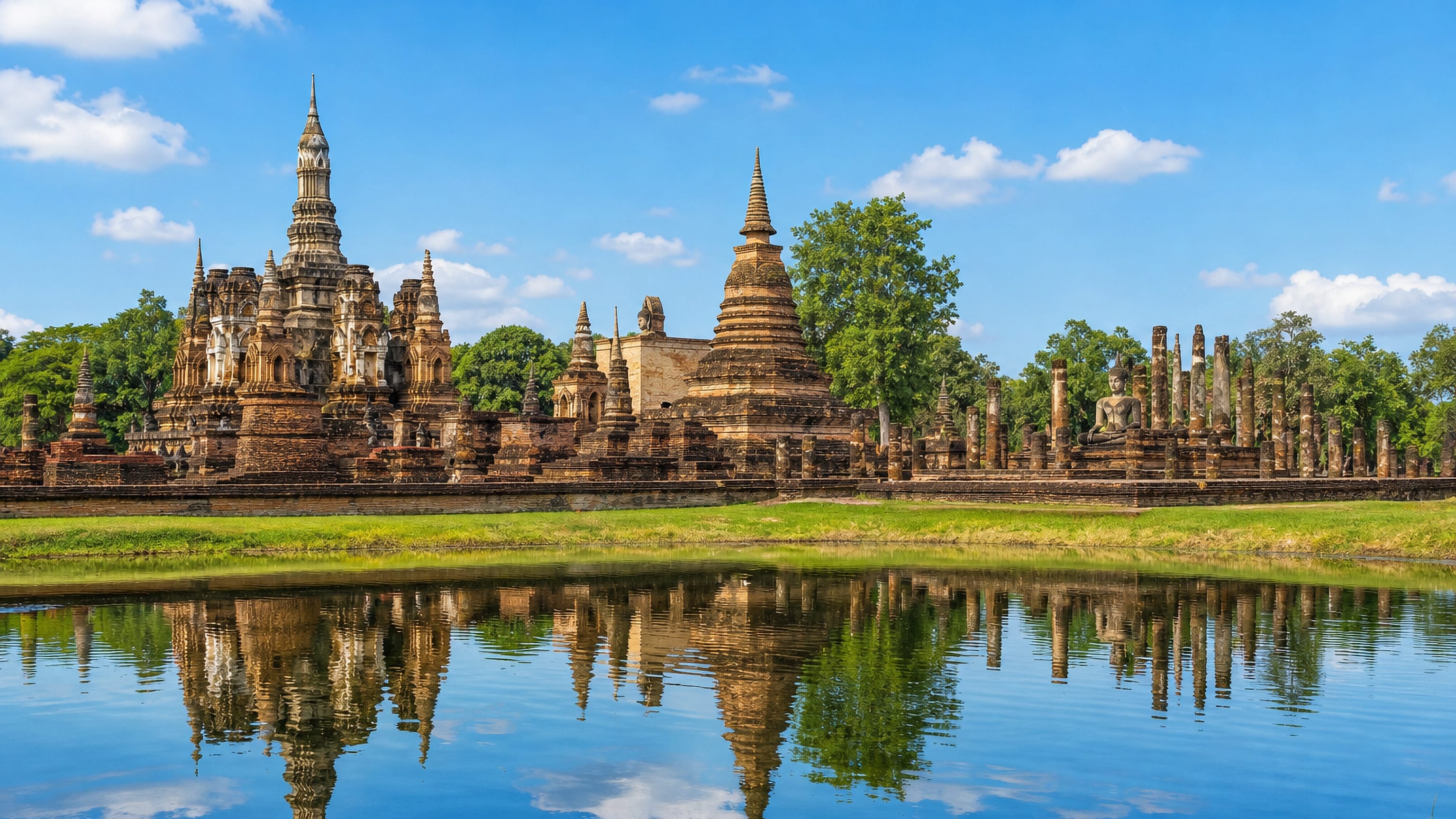
The historical park holds temples raised between the fourteenth and sixteenth centuries, along with the old city fortifications and standing Buddha figures, and the whole ground belongs to the UNESCO site listed as the Historic Town of Sukhothai and Associated Historic Towns. The Kamphaeng Phet national museum keeps the finds from that ground, and the town around it runs as the seat of Mueang Kamphaeng Phet district. Nai Mueang covers it all.
What are the main landmarks in Kamphaeng Phet?
The ruins are the whole point at Kamphaeng Phet, temple platforms and standing Buddha figures set inside the line of the old city fortifications. Walls trace the old edge. The Kamphaeng Phet national museum sits close by with the carvings and objects taken from the site, which makes it the one indoor stop on a day otherwise spent among trees and brick.
Sukhothai shares the listing.
What is the history of Kamphaeng Phet?
Walls came first. The city fortifications that ring the old ground at Kamphaeng Phet were raised alongside temples built between the fourteenth and sixteenth centuries, when the town held a place in the network of settlements around Sukhothai. Buddha figures were carved in the same centuries, and enough of them survive in and around the ruins to show what the temple compounds looked like when they were still in use.
Then the walls stopped mattering. Kamphaeng Phet went on as an ordinary provincial town, with the ruins left standing on their own ground rather than built over. Recognition came much later.
The historical park, the fortifications and the temple ruins were taken into the UNESCO World Heritage site listed as the Historic Town of Sukhothai and Associated Historic Towns, which put the town on the same roll as Sukhothai itself. The Kamphaeng Phet national museum holds the objects lifted from that ground, and it does the work of explaining the walls and the temples to anyone who walks them. Administration stayed too.
Kamphaeng Phet Province takes its name from the town, and the municipality still covers the whole tambon of Nai Mueang within Mueang Kamphaeng Phet district.
Where is Kamphaeng Phet?
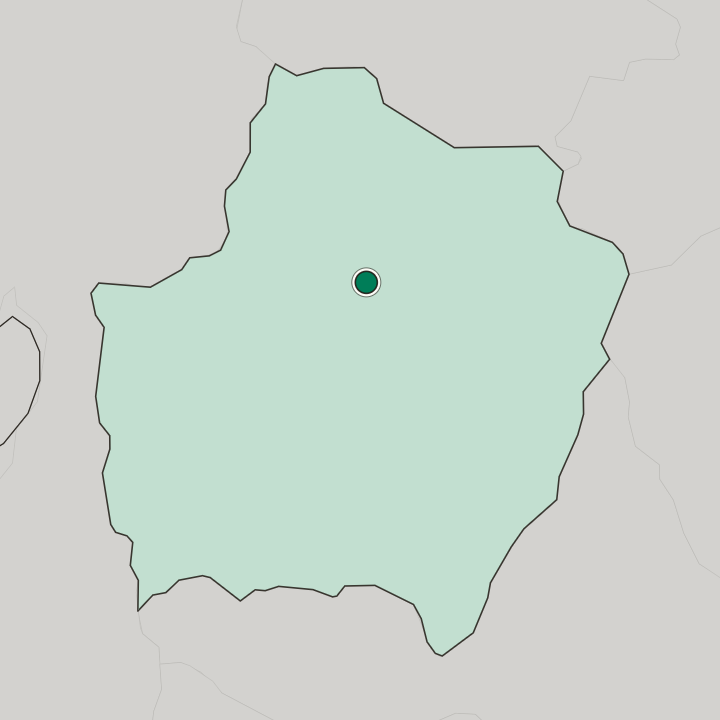
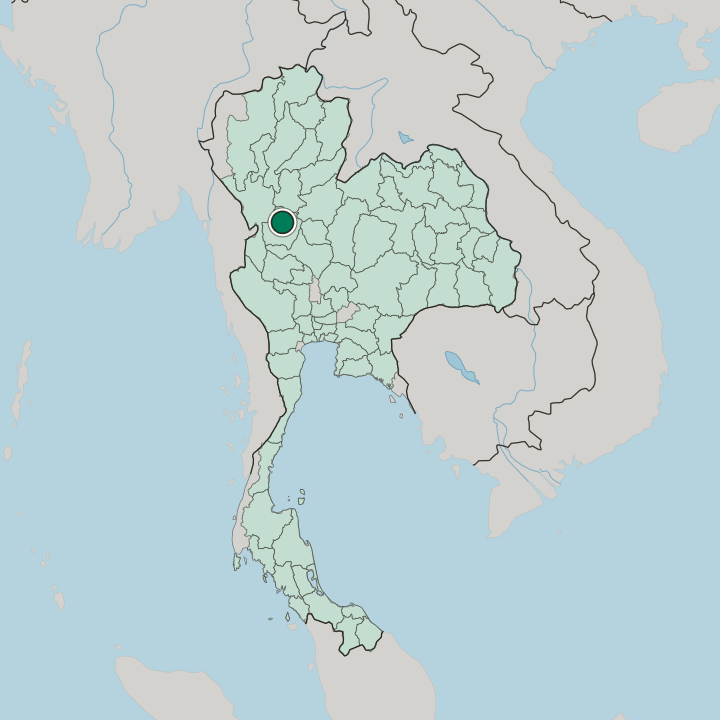
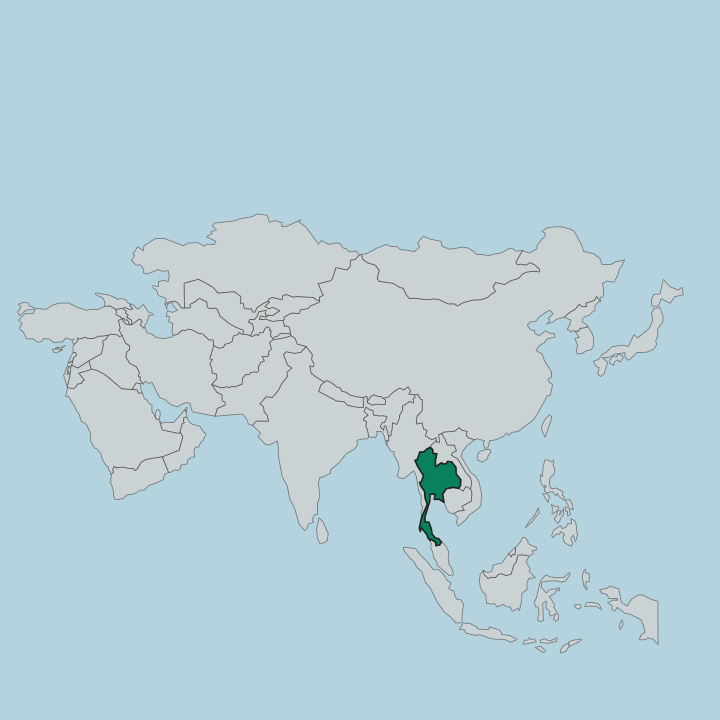
The municipality takes in the whole tambon of Nai Mueang, inside Mueang Kamphaeng Phet district, which keeps the built ground and the ruins on the same map. The land is flat and tropical. Changwat Kamphaeng Phet spreads out around the town in the lowlands of Thailand, and the old fortifications sit on ground level enough that the walls, not the relief, mark the edge of the historic town.
Sukhothai lies within the same listing.
What is the climate of Kamphaeng Phet?
The monsoon rules the calendar at Kamphaeng Phet, soaking the lowland around the historical park for months and then leaving it dry enough that the ruins stand in dust. Heat holds most of the year. The cooler stretch is short and mild rather than cold, and the difference an inland lowland makes shows up at night, when Nai Mueang loses its heat faster than any coast would.
How do you get to Kamphaeng Phet?
Everyone reaches Kamphaeng Phet overland. Kamphaeng Phet lies inland in Thailand, on the routes that link Changwat Kamphaeng Phet with the towns of the Sukhothai listing, so most arrivals come by bus or by car rather than by water. The town centre and the ruins sit apart, and the walk between the tambon of Nai Mueang and the historical park is the first journey most visitors make.
Mueang Kamphaeng Phet district covers both.
Common questions
What is the best area to stay in Kamphaeng Phet?
Nai Mueang, the built centre: Eating well in the tambon the municipality covers whole. Out by the old city fortifications: Reaching the Buddha figures before the heat arrives. Around the Kamphaeng Phet national museum: Splitting a day between the museum and the temple platforms.
Updated September 2026