Thailand · Changwat Kanchanaburi
Where to Stay in Kanchanaburi, Changwat Kanchanaburi
Kanchanaburi is a town of western Thailand on the River Kwai, known for the wartime bridge and railway built by prisoners under the Japanese.
Hotel links are affiliate links: booking through them may earn us a commission, at no extra cost to you. It never affects how places are ranked. How this works


Where to stay in Kanchanaburi
Where visitors usually base themselves, and why.
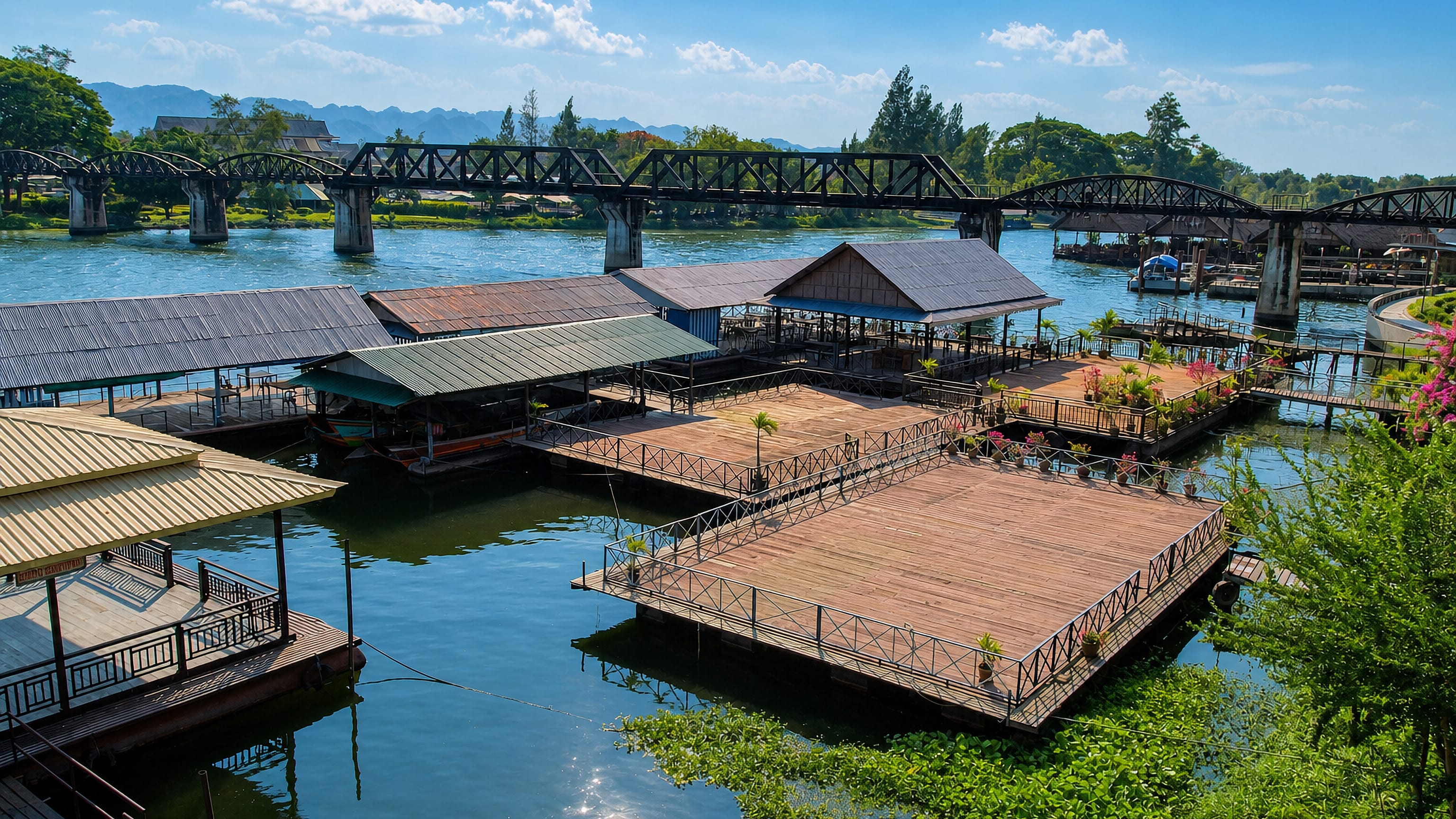
Where you stay in Kanchanaburi turns on the river or the town. The riverside keeps the raft houses, the bridge, and the water within reach, and staying by the Kwai suits anyone here for the river. The green river runs past the rafts.
Rafts float on the water. Back toward the town and the cemeteries, the river gives way to the streets, the markets, and the war museums. A room in town trades the rafts for the cemeteries, the museums, and the trips out to the falls.
The hills rise past the edge. Stay by the river for the rafts, or in town for the museums. The river lies a short way off.
Find hotels in Kanchanaburi
Direct booking searches for these neighbourhoods.
The riverside
Along the KwaiFind hotels in The riversideStays wanting the cemeteries and museumsThe town
Back toward the streetsFind hotels in The townHotel links are affiliate links: booking through them may earn us a commission, at no extra cost to you. It never affects how places are ranked. How this works
About Kanchanaburi
Kanchanaburi is the town of the River Kwai.
What is Kanchanaburi known for?
On the river among the limestone hills near the Burmese border, it is remembered for the wartime railway to Burma, and it keeps the iron bridge over the Kwai built by prisoners of war, the quiet cemeteries where many of them lie, the museums of the Death Railway, and the emerald falls of Erawan in the hills nearby. The green river runs through the town. Wooded hills rise around.
What are the main landmarks in Kanchanaburi?
The bridge over the Kwai is the mark of Kanchanaburi. The iron railway bridge across the green river, built by prisoners of war in the last great war, still carries a line and draws visitors to the water, the emblem of the town, on the Kwai. A war cemetery lies nearby.
The quiet graves of the Allied dead rest in rows in the town, while the railway museums, the river rafts, and the falls of Erawan mark the country around Kanchanaburi.
What is the history of Kanchanaburi?
Kanchanaburi was an old town on the road to Burma. A frontier town guarded the river route through the hills to the Burmese lands, on a pass long used by armies and traders. War came in the last century.
In the Second World War the Japanese drove a railway through these hills toward Burma, and built it with the forced labour of prisoners of war and conscripted workers. The railway cost many lives. Thousands died of hunger, disease, and hard labour cutting the line through the jungle and rock, and the bridge over the Kwai and the cuttings became a place of sorrow and memory.
The dead are remembered here. War cemeteries and museums by the river keep the memory of those who died on the railway, and Kanchanaburi grew as a quiet town of the west, its bridge and its falls drawing visitors. The river still runs by the bridge.
Kanchanaburi keeps its bridge and its cemeteries on the Kwai.
Where is Kanchanaburi?
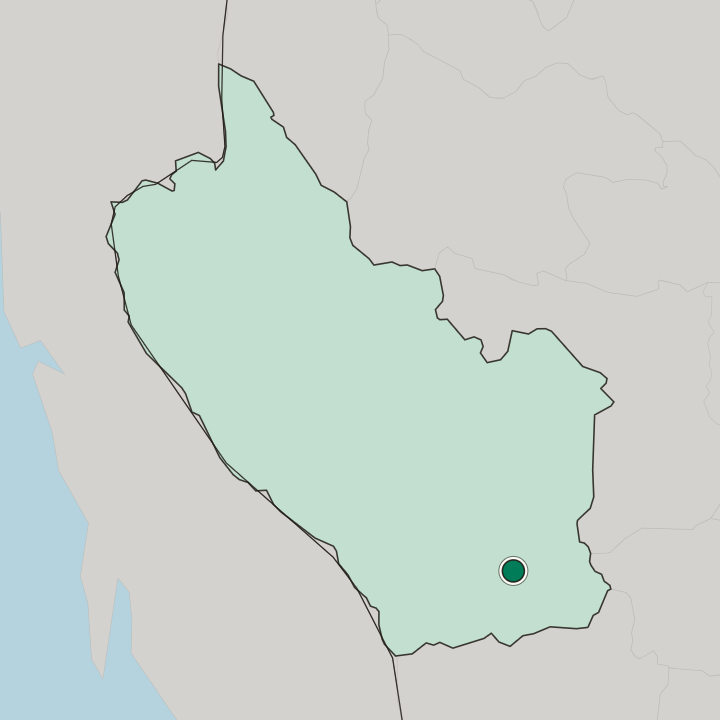
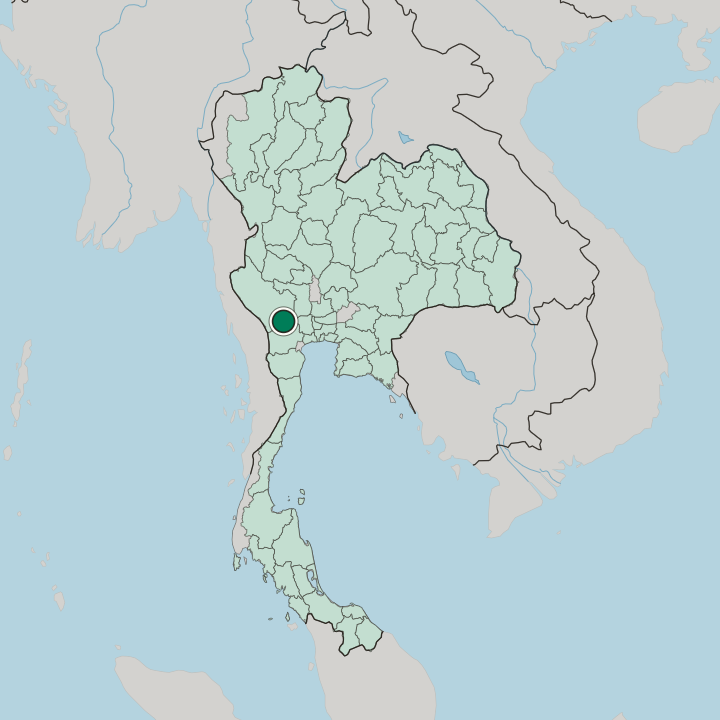
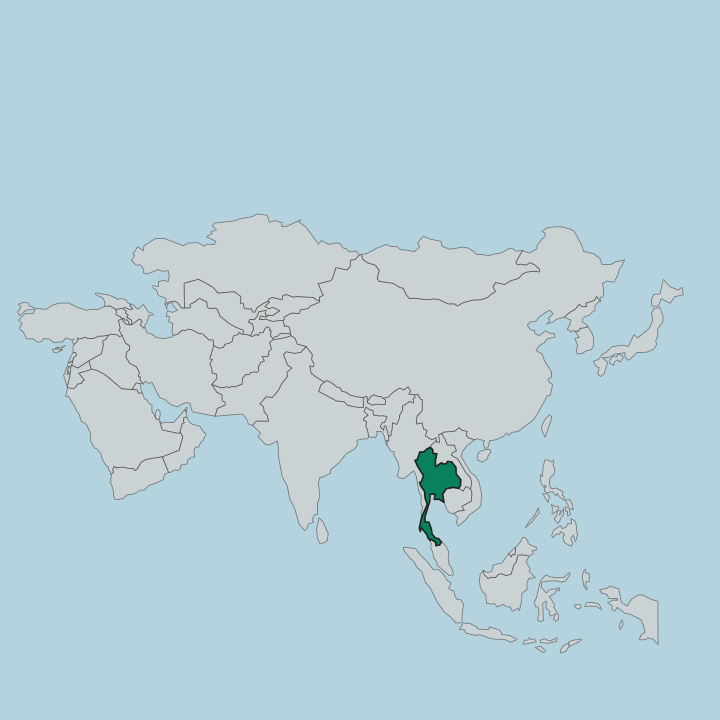
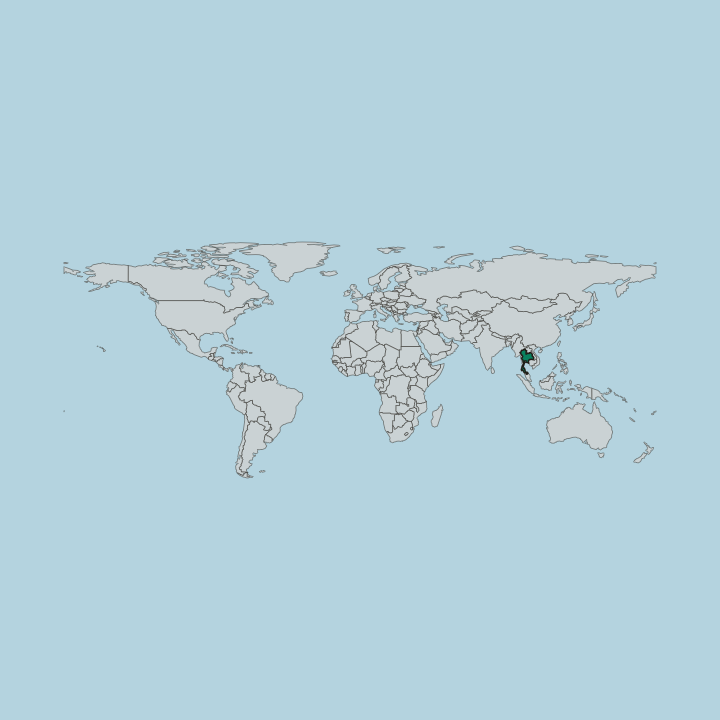
Kanchanaburi lies in the west of Thailand, on the River Kwai near the mountains of the Burmese border. The town sits where two rivers join to form the Mae Klong, among wooded limestone hills that rise toward the frontier ranges, with green valleys, waterfalls, and caves in the country around. Green hills close the valley.
The river runs down to the plain.
What is the climate of Kanchanaburi?
Kanchanaburi has a hot tropical climate with three seasons. Hot weather holds much of the year in the valley, with a wet monsoon in the middle months, a cool dry winter, and a fierce hot season before the rains. The valley bakes in the hot months.
Cool air comes in winter.
How do you get to Kanchanaburi?
Kanchanaburi lies in western Thailand, on the road and rail west of Bangkok. Trains and buses run to it up from Bangkok across the plain, and the old railway still crosses the bridge. Roads run out to the falls.
Bangkok lies east down the plain.
Common questions
What is the best area to stay in Kanchanaburi?
The riverside: Visitors here for the raft houses and bridge. The town: Stays wanting the cemeteries and museums.
Good for
Updated September 2026