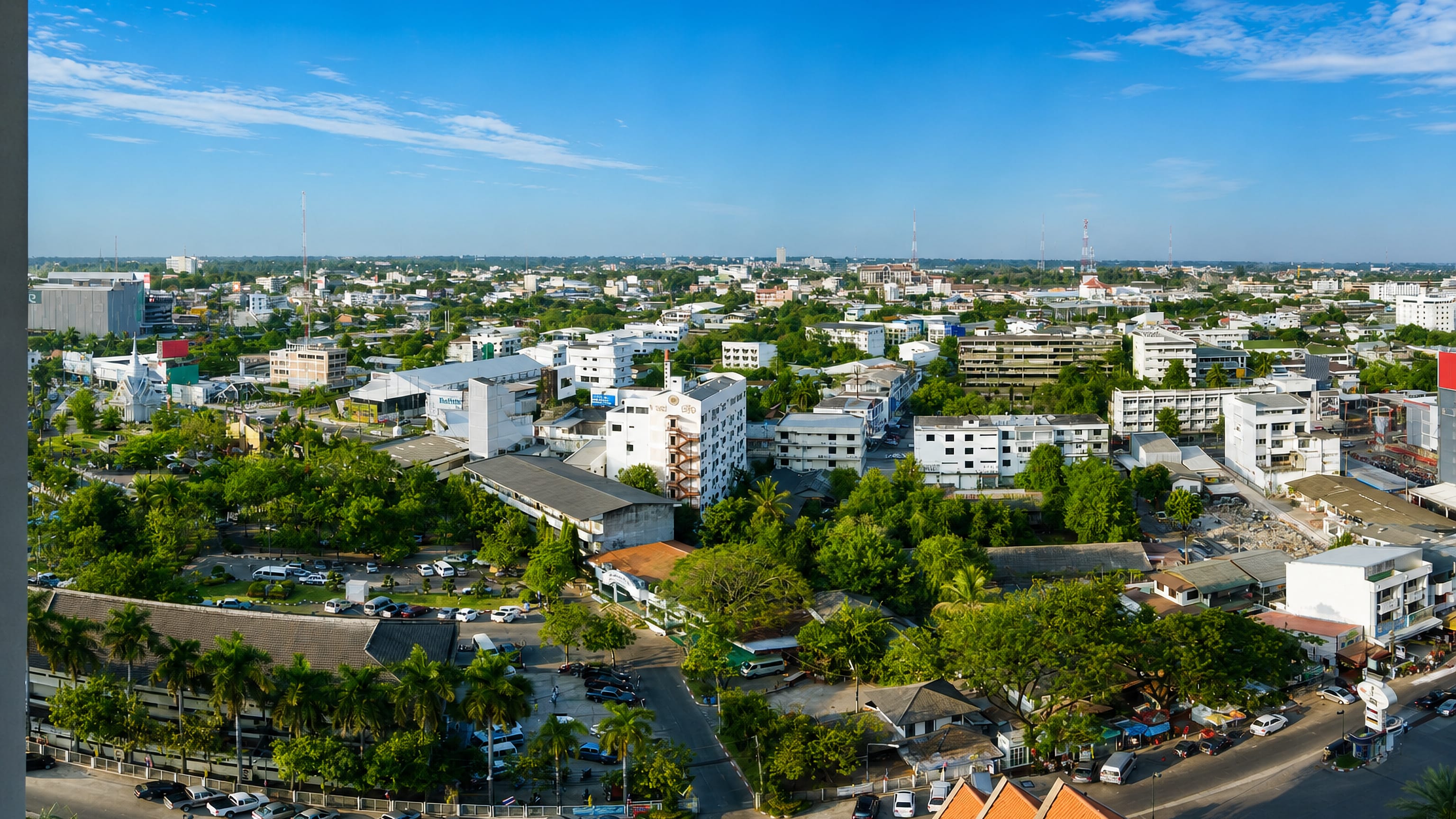
Thailand · Changwat Khon Kaen
Where to Stay in Khon Kaen, Changwat Khon Kaen
Khon Kaen, capital of Khon Kaen province, ranks among the four major cities of Isan alongside Udon Thani and Nakhon Ratchasima.
Hotel links are affiliate links: booking through them may earn us a commission, at no extra cost to you. It never affects how places are ranked. How this works


Where to stay in Khon Kaen
How the choice of base plays out on the ground.
The centre holds most of it. Khon Kaen is large enough that the choice actually matters, and the blocks around the Democracy Monument put the markets, the offices, and the evening streets within reach of a bed without needing a vehicle. That is the first choice.
The Khon Kaen National Museum is the fixture most visitors build a first day around, and pairing it with an afternoon in the markets is what a central room makes easy. Khon Kaen University changes the picture, and the streets serving the campus stay open later than the centre does, with Art Centre Khon Kaen University giving that side of town a fixture of its own. Students set the tone there.
If you want late food and a younger street life rather than a hotel district, the campus side is the better bet, and if you want to walk to the museum and the monument it is not. Beyond the city, Khon Kaen province is road country, and rooms outside the built-up area exist mainly for drivers routed on toward Udon Thani or Nakhon Ratchasima. Supply is widest in the centre.
Find hotels in Khon Kaen
Direct booking searches for these neighbourhoods.
Around the Democracy Monument
The central blocks by the Democracy Monument, with the Khon Kaen National Museum inside one day's walk.Find hotels in Around the Democracy Monumentlate food and student streets by the campusThe Khon Kaen University side
Streets serving Khon Kaen University, with Art Centre Khon Kaen University as the fixture on that side.Find hotels in The Khon Kaen University sidedrivers routed on toward Udon Thani or Nakhon RatchasimaOut in Khon Kaen province
Roadside rooms past the built-up area, taken for the onward drive rather than for Khon Kaen itself. Rooms are few around here — worth securing early.Find hotels in Out in Khon Kaen provinceHotel links are affiliate links: booking through them may earn us a commission, at no extra cost to you. It never affects how places are ranked. How this works
About Khon Kaen
Isan has a big four.
What is Khon Kaen known for?
Khon Kaen belongs to it, listed with Udon Thani, Nakhon Ratchasima, and Ubon Ratchathani as the cities that carry the region's weight, and that standing is the first thing worth knowing about the place. Culture follows the size. The Khon Kaen National Museum, the campus gallery Art Centre Khon Kaen University, and the Democracy Monument give the city a set of named institutions that smaller Isan capitals do not carry.
What are the main landmarks in Khon Kaen?
Three names cover most of it. The Khon Kaen National Museum carries the regional collection, the Democracy Monument stands as the city's named civic marker, and the campus gallery Art Centre Khon Kaen University handles the contemporary end. That is unusual for Isan.
Smaller provincial capitals in the region rarely hold a national museum, a university art centre, and a monument of their own, and the concentration is one reason Khon Kaen counts among the big four.
What is the history of Khon Kaen?
The city grew into a role. Khon Kaen's standing in Isan is not a matter of antiquity but of function: the region needed centres, and four of them, Khon Kaen among them, with Udon Thani, Nakhon Ratchasima, and Ubon Ratchathani, became the places where administration, schooling, and trade concentrated. That grouping has a name.
The big four of Isan is how the region's own accounts describe them, and Khon Kaen's institutions are the plainest evidence of what the label means. A university changed the trajectory. Khon Kaen University brought research and teaching to a provincial city, and Art Centre Khon Kaen University is the visible edge of that arrival, a contemporary gallery in a place that had no obvious reason to hold one.
The museum came from the state. Khon Kaen National Museum holds the material record of the province and of the country around it, and its presence marks the point at which the city stopped being only an administrative seat. The Democracy Monument belongs to a different strand, national rather than regional, and it stands in Khon Kaen as it does in other Thai cities that were given one.
Khon Kaen province took the city's name, and the municipal form เทศบาลนครขอนแก่น records the status of ขอนแก่น in the national register.
Where is Khon Kaen?
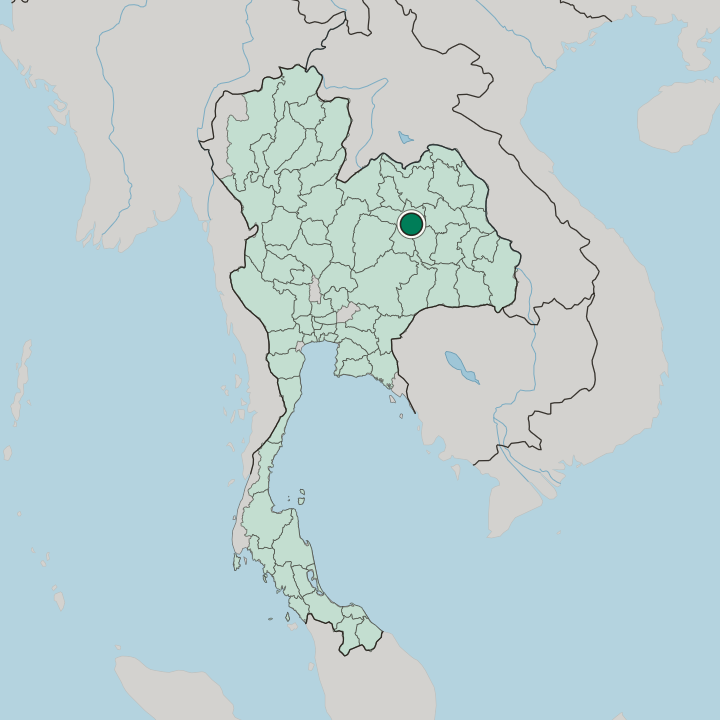
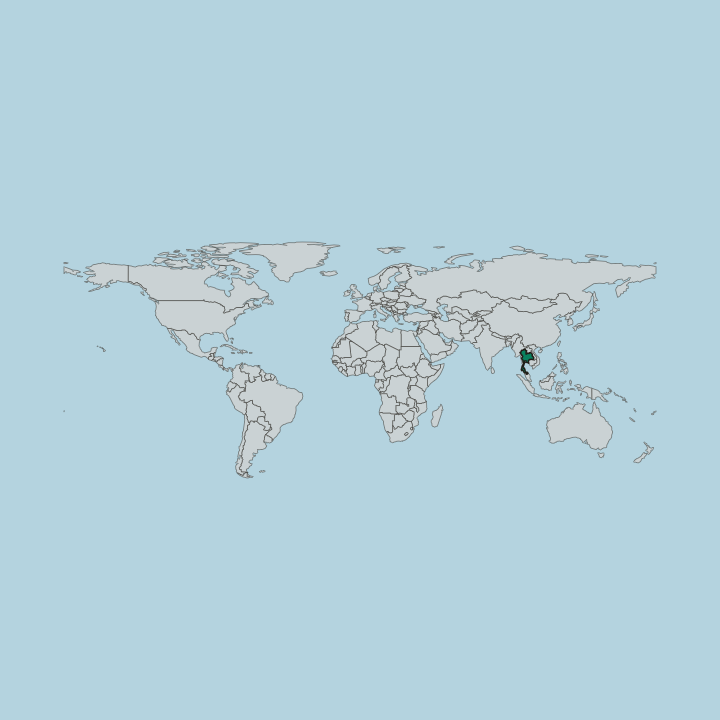
Isan is the frame. Khon Kaen sits among Udon Thani, Nakhon Ratchasima, and Ubon Ratchathani, the other three of the region's big four, spread far enough apart that each holds its own share of country. The province takes the name.
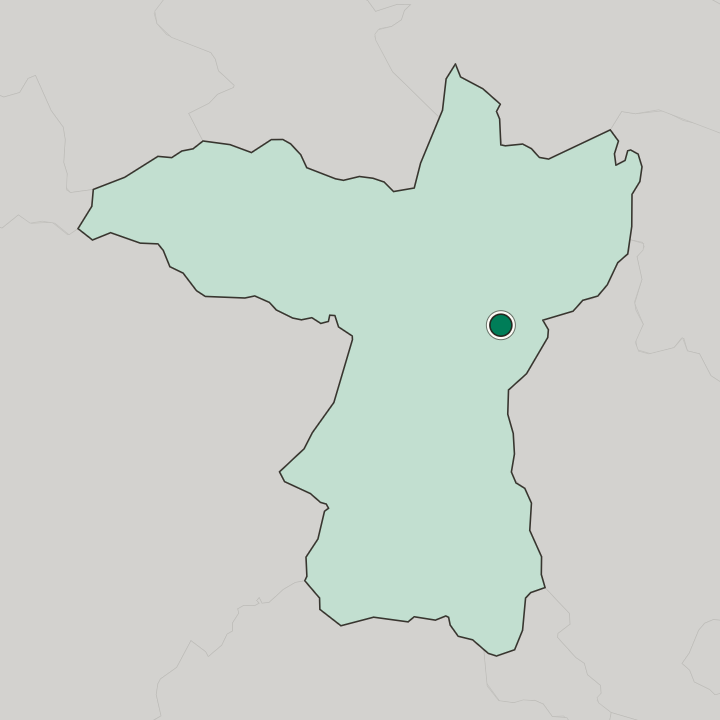
Khon Kaen province spreads around the city, and the municipality covers only the built-up core while the rest is the farm and road country an Isan capital normally sits inside.
What is the climate of Khon Kaen?
The monsoon divides the year here. Rain sweeps across Isan through the wet months and Khon Kaen takes its share, which turns the province green and makes the roads out to the smaller towns slower going than the map suggests. Then the dry season arrives.
Heat holds through most of it, but the cool weeks at the turn of the year are the ones that make walking between the Khon Kaen National Museum and the Democracy Monument a pleasure rather than a chore.
How do you get to Khon Kaen?
Khon Kaen is a hub by default. Its place among the big four of Isan makes it one of the fixed points on any route across the region, and travel between Udon Thani, Nakhon Ratchasima, and Ubon Ratchathani generally reckons with it. That works in a traveller's favour.
Getting to Khon Kaen is easier than getting to most Isan capitals, and once here the central blocks around the Democracy Monument and the Khon Kaen National Museum are walkable, with Khon Kaen University the one destination that wants a ride.
Common questions
What is the best area to stay in Khon Kaen?
Around the Democracy Monument: walking between Khon Kaen's markets and its museum. The Khon Kaen University side: late food and student streets by the campus. Out in Khon Kaen province: drivers routed on toward Udon Thani or Nakhon Ratchasima.
Updated September 2026