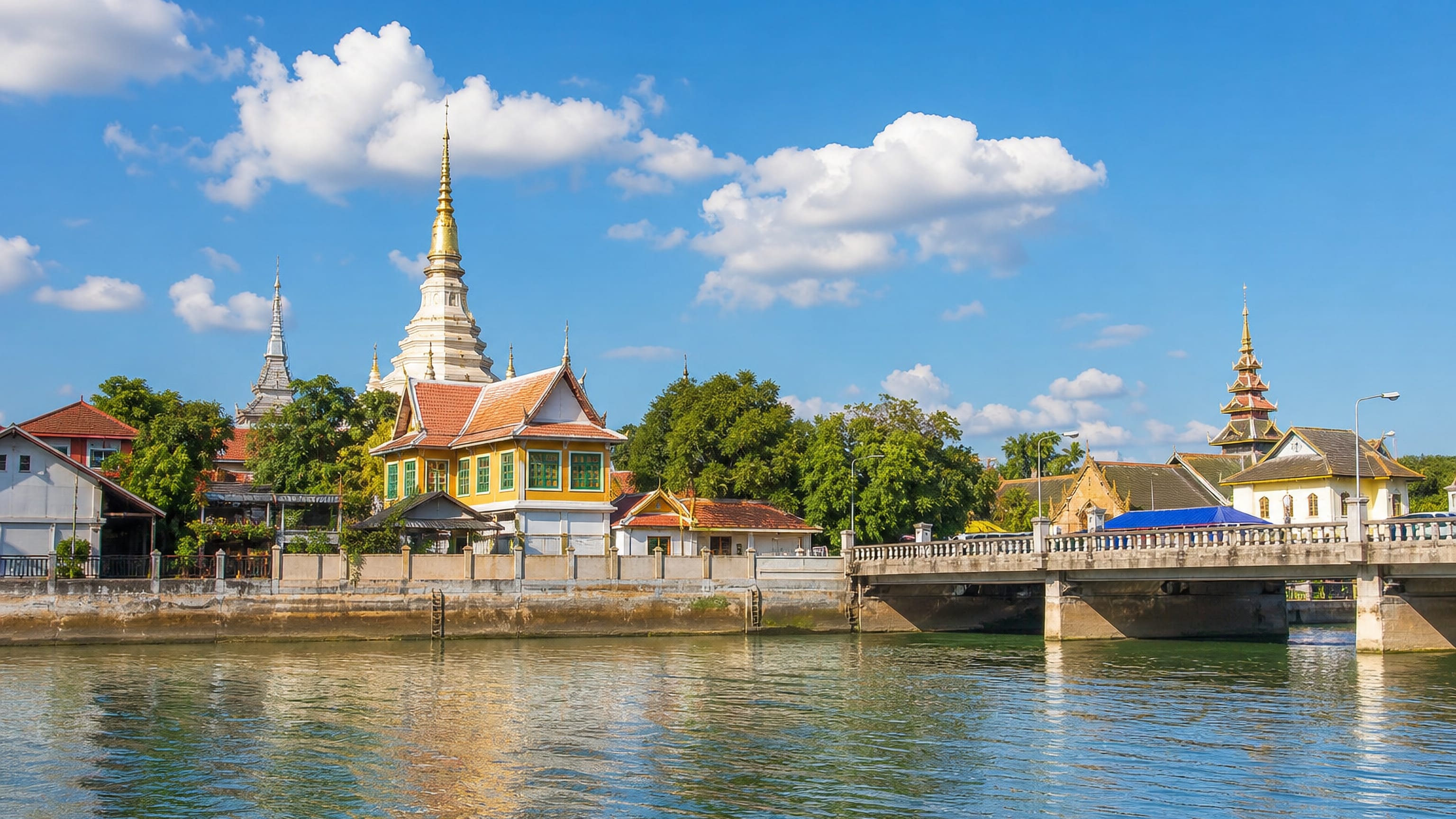
Thailand · Changwat Lampang
Where to Stay in Lampang, Changwat Lampang
Lampang is a northern city of Thailand on the Wang river, an old Lanna town known for its horse-drawn carriages and its teak temples.
Hotel links are affiliate links: booking through them may earn us a commission, at no extra cost to you. It never affects how places are ranked. How this works


Where to stay in Lampang
Where visitors usually base themselves, and why.
Where you stay in Lampang turns on the old town or the river. The lanes of the old town keep the teak temples, the market, and the carriage stands within a walk, and staying downtown suits anyone here for the streets. Teak temples line the lanes.
Carriages clop past the shops. Out toward Lampang Luang and the hills, the town gives way to rice fields, temples, and wooded slopes. A room out of town trades the streets for the fortified temple, the green valley, and the quiet of the countryside.
Rice fields run to the hills. Stay downtown for the temples, or out for the countryside. The town lies a short way back.
Find hotels in Lampang
Direct booking searches for these neighbourhoods.
The old town
Around downtown by the riverFind hotels in The old townStays wanting the great temple and countrysideLampang Luang and the valley
Out toward the fields and hillsFind hotels in Lampang Luang and the valleyHotel links are affiliate links: booking through them may earn us a commission, at no extra cost to you. It never affects how places are ranked. How this works
About Lampang
Lampang is the horse-carriage town of the north.
What is Lampang known for?
On the Wang river in the hills of the old Lanna kingdom, it grew rich in the teak days a century ago, and it keeps the fortified temple of Lampang Luang on its mound, ornate Burmese teak temples built by the timber merchants, the horse-drawn carriages that still clop through its streets, and the painted rooster bowls of its old potteries. Teak hills ring the town. The river runs through the middle.
What are the main landmarks in Lampang?
Wat Phra That Lampang Luang crowns a mound near Lampang. The great fortified Lanna temple on its walled hill, one of the oldest and finest in the north, rises above the fields, the emblem of the city, over the valley. Teak temples stand in the town.
The ornate Burmese-built teak temples rise dark in the streets, while the horse-drawn carriages, the Wang river, and the old potteries mark the country around Lampang.
What is the history of Lampang?
Lampang was a city of the old Lanna kingdom. A walled town stood on the Wang more than a thousand years ago, part of the northern realm of Lanna, and it held the sacred Emerald Buddha for a time within its temples. Kings and monks ruled here.
The town's fortified temple on its mound guarded the valley, and Lampang grew as a stronghold of the northern kingdoms. Teak brought the town its fortune. When the teak forests of the north were felled a century ago, Burmese and British timber merchants came to Lampang, and they raised ornate temples and fine houses with their new wealth.
Horses drew its carriages. Ponies and carriages were brought in for the merchants and stayed as the mark of the town, and Lampang kept its teak temples, its Lanna shrines, and its old crafts as the trade faded. The carriages still clop the streets.
Lampang keeps its temples and its carriages on the Wang.
Where is Lampang?
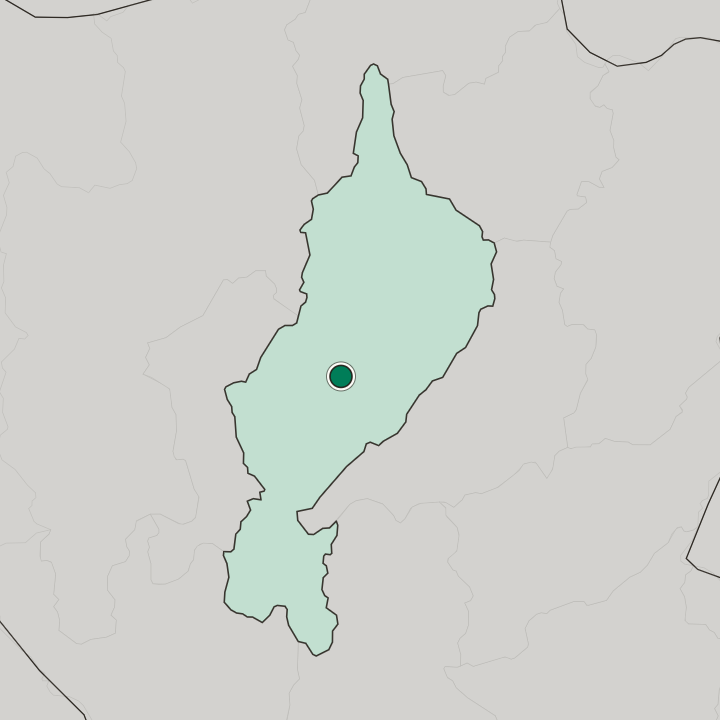
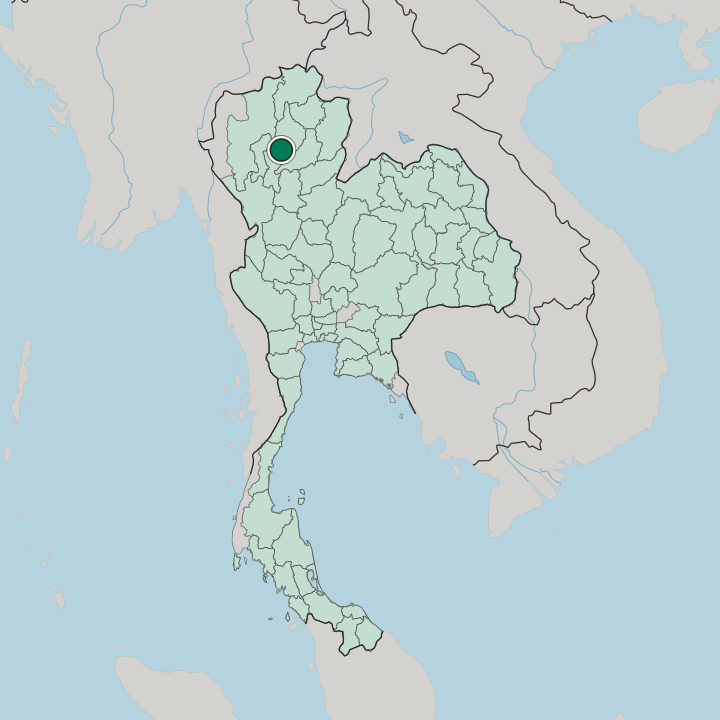
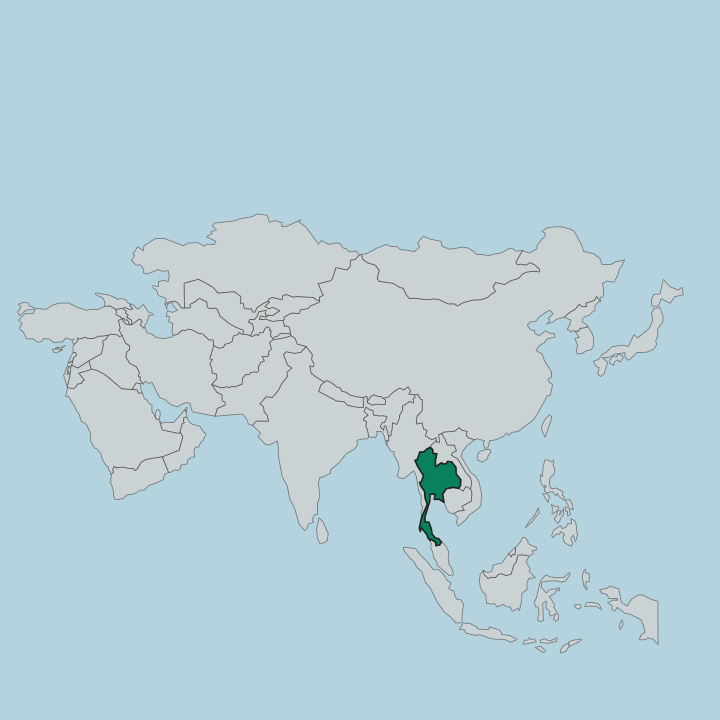
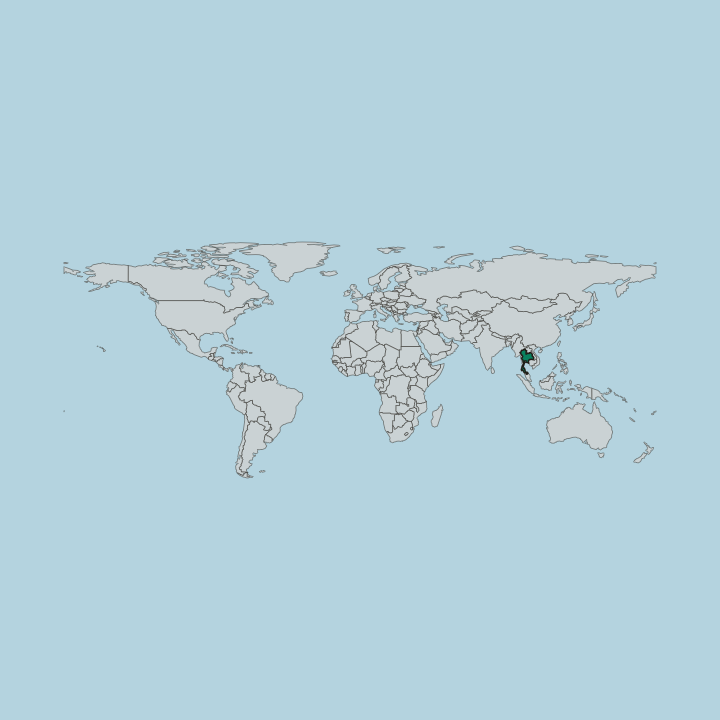
Lampang lies in the north of Thailand, in a broad valley on the Wang river among wooded hills. The city sits on the flat valley floor where the river winds between forested ranges of the northern highlands, with teak hills rising around and rice fields spreading along the water. Green ranges close the valley.
The river bends through the town.
What is the climate of Lampang?
Lampang has a hot tropical climate with three seasons. Hot weather holds much of the year in the sheltered valley, with a wet monsoon in the middle months, a cool dry winter, and a hazy hot season before the rains. The valley bakes in the hot months.
Cool air settles in winter.
How do you get to Lampang?
Lampang lies in northern Thailand, on the road and rail between Bangkok and Chiang Mai. Trains and the highway run to it up from Bangkok through the hills, and roads climb on to Chiang Mai. Carriages wait by the station.
Chiang Mai lies north over the hills.
Common questions
What is the best area to stay in Lampang?
The old town: Visitors here for the teak temples and market. Lampang Luang and the valley: Stays wanting the great temple and countryside.
Good for
Updated September 2026