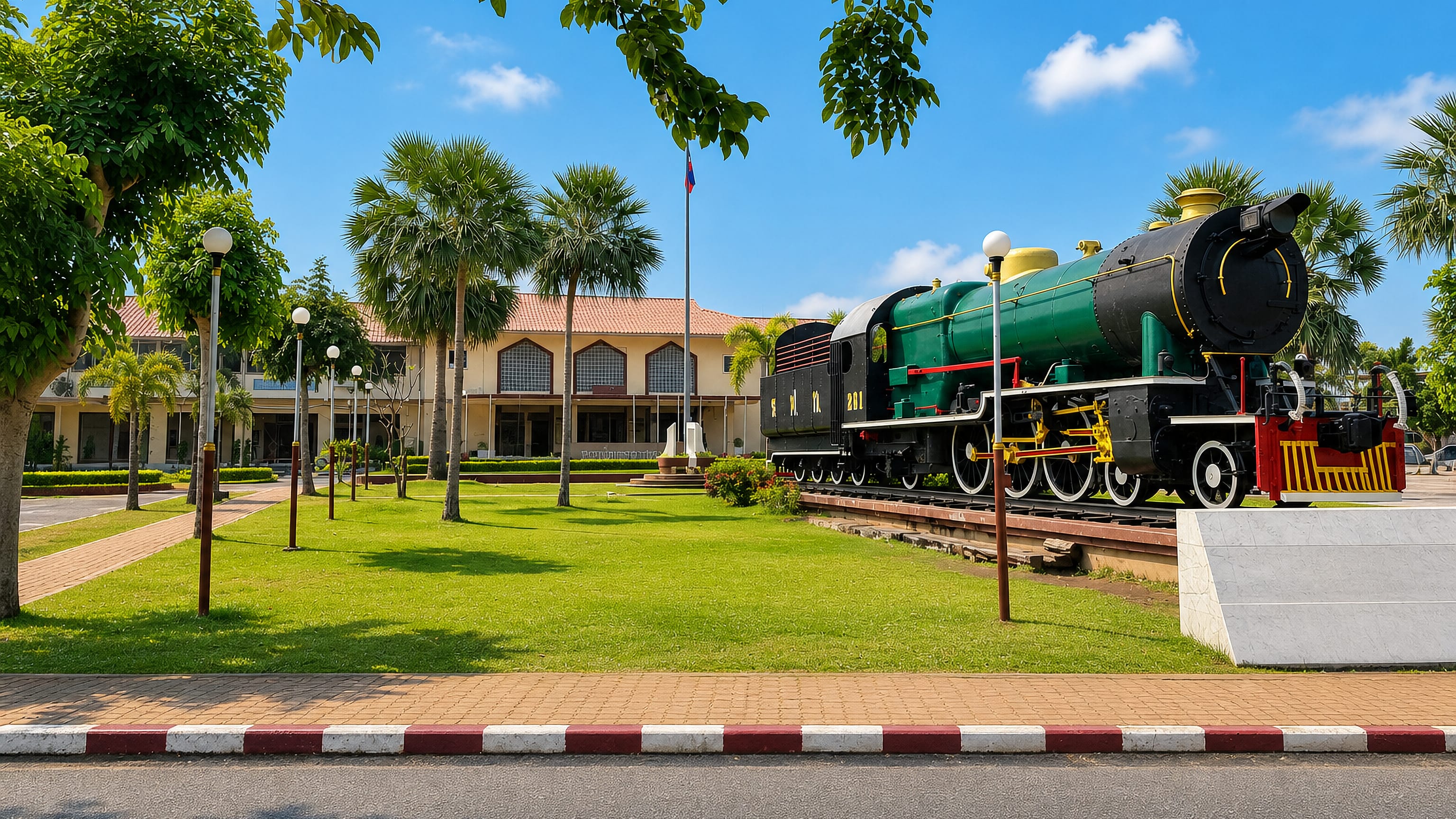
Thailand · Changwat Nakhon Ratchasima
Where to Stay in Nakhon Ratchasima, Changwat Nakhon Ratchasima
Nakhon Ratchasima, or Korat, is the great city at the threshold of Isan in northeastern Thailand, guarding the way onto the Khorat Plateau.
Hotel links are affiliate links: booking through them may earn us a commission, at no extra cost to you. It never affects how places are ranked. How this works


Where to stay in Nakhon Ratchasima
Where visitors usually base themselves, and why.
Where you stay in Korat turns on the old city or the newer town. The streets around the monument keep the shrine, the moat, and the markets within a walk, and staying downtown suits anyone here for the city. The old moat rings the centre.
Shrines line the busy streets. Out toward Phimai and the plateau country, the city gives way to fields, temples, and quiet towns. A room out of town trades the centre for the Khmer ruins, the silk villages, and the road to the great forest of Khao Yai.
Dry plains reach to the hills. Stay downtown for the monument, or out east for the temples. The centre lies a short drive in.
Find hotels in Nakhon Ratchasima
Direct booking searches for these neighbourhoods.
The old city
Around the Thao Suranari shrine downtownFind hotels in The old cityStays wanting Phimai and the silk villagesThe plateau country
Out east toward the Khmer ruinsFind hotels in The plateau countryHotel links are affiliate links: booking through them may earn us a commission, at no extra cost to you. It never affects how places are ranked. How this works
Things to do in Nakhon Ratchasima
Ranked by global recognition; descriptions from Wikidata (CC0).
Museums & Galleries
2- Korat Museum
- Mahawirawong National Museum
Churches & Religious Sites
1- Cathedral of Our Lady of Lourdes
Stadiums & Sports
3- The Mall Nakhon Ratchasima
- Terminal 21 Korat
- Central stadium, Nakhon Ratchasima
worth knowingacross 3 categories in Nakhon Ratchasima
About Nakhon Ratchasima
Korat is the threshold city of the Thai northeast.
What is Nakhon Ratchasima known for?
Where the central plains rise to the Khorat Plateau, it has long guarded the road into Isan, and it keeps the monument to the heroine Thao Suranari who saved the town, the great Khmer temple of Phimai in the country nearby, an old moated centre, and the silk and pottery of its villages. The flat plateau runs east. Silk looms clack in the villages.
What are the main landmarks in Nakhon Ratchasima?
The monument to Thao Suranari guards the old gate of Korat. The bronze statue of the city's heroine on her plinth, hung with flowers by those who come to give thanks, stands at the wall, the emblem of the town, above the moat. A Khmer temple lies to the north.
The great stone temple of Phimai rises in the plain nearby, while the old city moat, the museum, and the pottery village of Dan Kwian mark the country around Korat.
What is the history of Nakhon Ratchasima?
This land was Khmer before it was Thai. In the days of Angkor the Khmers built great stone temples across the plateau, above all at Phimai, linked by an ancient road to their capital in the south. The Khmers raised the temples.
Their towers still stand at Phimai north of Korat, among the oldest and greatest Khmer works in the land. Korat rose as Siam's frontier fortress. The Thai kings built a moated town here to hold the edge of the plateau against the east, and in 1826 an army from Vientiane seized it, only for the townswoman Thao Suranari to rally the people and win it back, a deed the city still honours.
Her statue guards the gate. The monument to Thao Suranari stands at the old city wall, hung with garlands, and Korat grew into the great city of the northeast, the road and rail hub of all Isan. The old moat still rings the centre.
Korat keeps its monument and its Khmer stones on the edge of Isan.
Where is Nakhon Ratchasima?
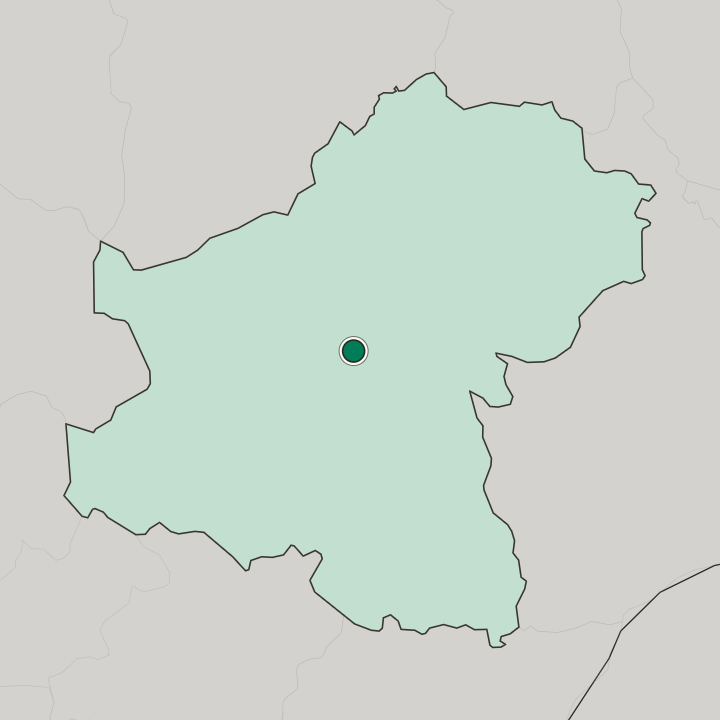
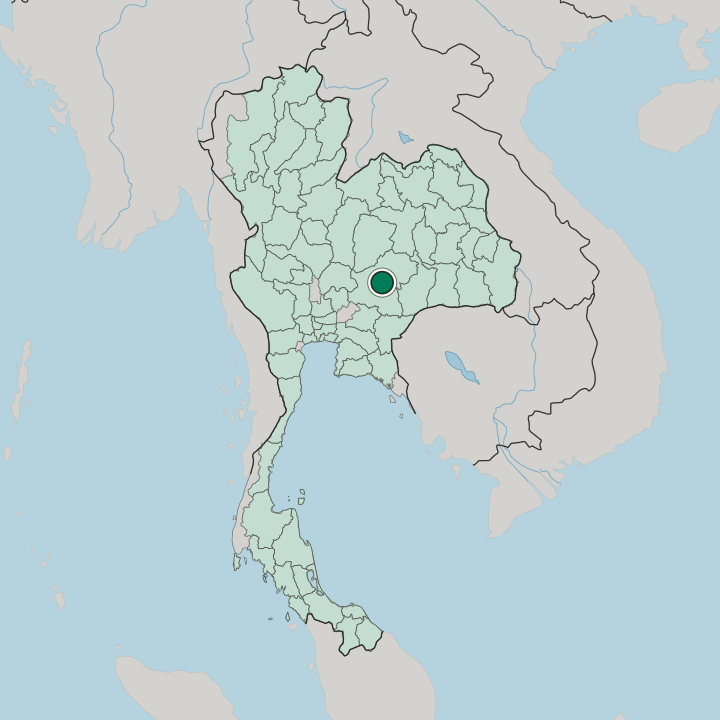
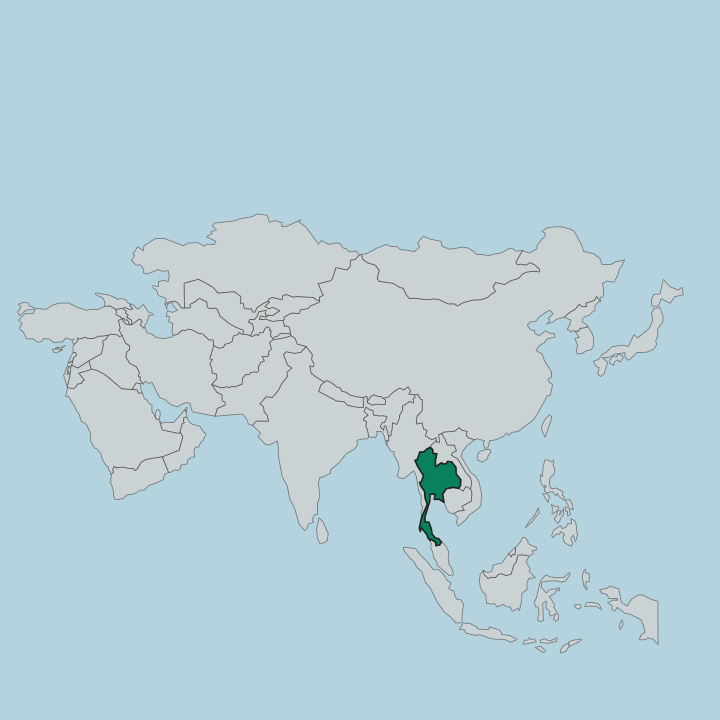
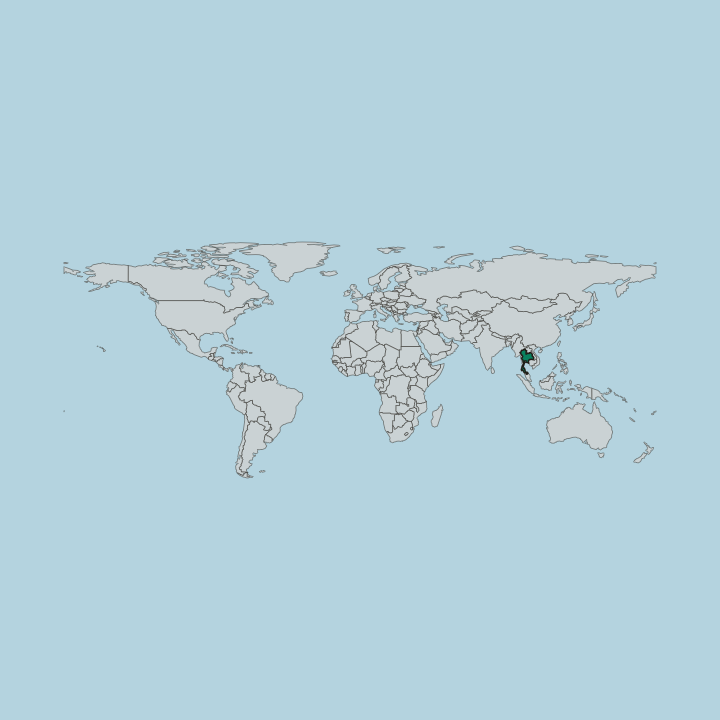
Nakhon Ratchasima lies in the northeast of Thailand, on the western edge of the Khorat Plateau. The city stands where the plains give way to the dry rolling upland of Isan, watered by the Mun river, with hills and the great forest of Khao Yai rising to the south. Dry farmland spreads to the east.
Low hills close the southern sky.
What is the climate of Nakhon Ratchasima?
Nakhon Ratchasima has a hot tropical climate of the dry plateau. Fierce heat holds through the year, broken by a summer monsoon, and the plateau runs drier than the rest of the land, with a long dry season and hard sun. The land bakes brown in the dry months.
Storms break the heat in summer.
How do you get to Nakhon Ratchasima?
Nakhon Ratchasima lies in northeastern Thailand, the road and rail hub of the Isan plateau. Trains and buses climb to it from Bangkok over the hills, and highways fan out across the northeast. Roads run north to Phimai.
Bangkok lies southwest of the hills.
Common questions
What is the best area to stay in Nakhon Ratchasima?
The old city: Visitors here for the monument, moat, and markets. The plateau country: Stays wanting Phimai and the silk villages.
Good for
Updated October 2026