Thailand · Changwat Nong Khai
Where to Stay in Nong Khai, Changwat Nong Khai
Nong Khai holds the west bank of the Mekong in Isaan, facing Vientiane across the water and known as the Naga City.
Hotel links are affiliate links: booking through them may earn us a commission, at no extra cost to you. It never affects how places are ranked. How this works


Where to stay in Nong Khai
The practical side of choosing where to sleep.
The bank is the whole point. Nong Khai's pedestrian centre runs along the Mekong, and a room inside it puts Tha Sadet Market, the promenade, and the evening light on the water within a few minutes' walk of the door. Nothing else in town competes.
The streets behind the market carry the ordinary business of a provincial capital, which makes them quieter and plainer without putting the river out of reach, and they suit anyone staying more than a night. Sala Keoku pulls visitors out of the centre, and beds near it are few, so most people ride out for the sculpture park and sleep back on the bank. Vientiane is close.
If you are crossing into Laos, a night in Nong Khai first is the practical choice, because the town is small enough to cover on foot and the Lao capital lies barely 20 km beyond the water. Mueang Nong Khai district holds the rest. Rooms scattered along its roads work for drivers heading on to Phu Phra Bat Historical Park, though the trade-off is a ride back for dinner beside the Mekong.
Find hotels in Nong Khai
Direct booking searches for these neighbourhoods.
The Mekong promenade
Inside Nong Khai's pedestrian zone on the Mekong bank, with Tha Sadet Market's stalls a few doors along.Find hotels in The Mekong promenadelonger stays that want the working town, not the viewBehind Tha Sadet Market
Plain streets a block back from the Mekong, quieter than the promenade and still walkable to Tha Sadet Market.Find hotels in Behind Tha Sadet Marketdrivers routed on to Phu Phra Bat Historical ParkOut toward Sala Keoku
Scattered roadside rooms near the Sala Keoku sculpture park, outside Nong Khai's walkable core. Few places to stay nearby — book ahead.Find hotels in Out toward Sala KeokuHotel links are affiliate links: booking through them may earn us a commission, at no extra cost to you. It never affects how places are ranked. How this works
About Nong Khai
The Mekong does the defining.
What is Nong Khai known for?
Nong Khai holds the west bank opposite Laos, and what draws visitors is a short list with unusual range: Sala Keoku's sculpture park, the revered Luang Por Phra Sai Buddha image, and Tha Sadet Market, the Thai-Lao trading strip that spills across several streets in the centre. The nickname Naga City comes from the river. A pedestrian zone covers much of that centre and the bank.
What are the main landmarks in Nong Khai?
Sala Keoku is the outlier. Its sculpture park gathers figures that sit closer to the surreal than to ordinary temple statuary, and it is the single sight most visitors come for. Luang Por Phra Sai draws the other crowd.
The Buddha image carries a long and unusual history, and Tha Sadet Market, the Thai-Lao Indochina market that occupies several streets in the centre, supplies the third fixed point, with Phu Phra Bat Historical Park reachable as a day's excursion.
What is the history of Nong Khai?
Trade came before administration. Nong Khai grew where the west bank of the Mekong faces Laos, and the Thai-Lao Indochina Market, Tha Sadet Market, spread over several streets of the centre, is the plainest surviving record of what that position was worth. Vientiane sits 20 km off.
That proximity to the Lao capital shaped Nong Khai as a crossing point rather than an endpoint, and the traffic of goods and pilgrims through it is older than any modern line drawn down the middle of the water. Religion left the deeper marks. Luang Por Phra Sai, the Buddha image the town reveres above all others, carries a history unusual enough that it is retold as a story in its own right.
Older still is Phu Phra Bat Historical Park, close enough to the town to be visited from it and consistently named among the reasons people stop here. Administration followed the trade. Nong Khai became the capital of Nong Khai province and the seat of Mueang Nong Khai district, and the pedestrianising of much of the centre, riverbank included, is the most visible planning decision the town has made.
Where is Nong Khai?
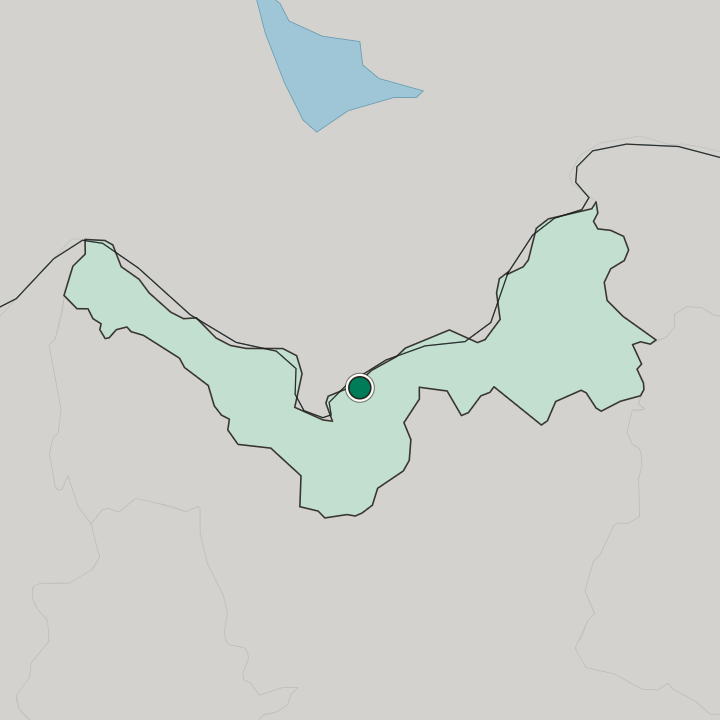
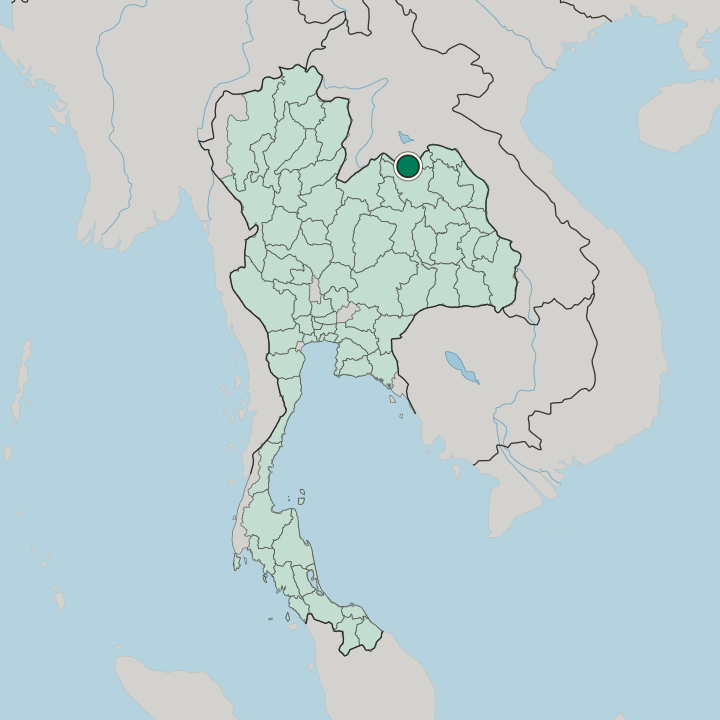
West bank, and the rest follows. Nong Khai runs along the Mekong River in Isaan, with Laos on the far shore and Vientiane, the Lao capital, only 20 km away. The river is both edge and thoroughfare.
Mueang Nong Khai district holds the built-up area while Nong Khai province spreads inland behind it, which leaves the town sitting on the province's front edge rather than somewhere in its middle.
What is the climate of Nong Khai?
The Mekong sets the seasons here. Monsoon rain swells the river through the wet months and the bank at Nong Khai reads differently for it, wide and fast where the dry season leaves it lower and slower. Isaan runs hot.
The cool months at the turn of the year are the ones that make walking the pedestrian riverfront comfortable, and they are also when the water sits lowest against the Lao shore.
How do you get to Nong Khai?
Most people arrive because of Vientiane. Nong Khai is the Thai side of the crossing into Laos, 20 km short of the Lao capital, and a large share of the traffic through the town is people going one way or the other rather than stopping. The centre rewards the ones who stop.
Much of it, riverbank included, is pedestrian-only, so walking covers the town and a vehicle matters only for Sala Keoku and for Phu Phra Bat Historical Park.
Common questions
What is the best area to stay in Nong Khai?
The Mekong promenade: evenings over the water beside Tha Sadet Market. Behind Tha Sadet Market: longer stays that want the working town, not the view. Out toward Sala Keoku: drivers routed on to Phu Phra Bat Historical Park.
Updated September 2026