Thailand
Changwat Nong Khai, Thailand — Towns & Travel Guide
Nong Khai is an Isan province of northeastern Thailand, running along the Mekong River opposite Vientiane, the capital of neighbouring Laos.
Hotel links are affiliate links: booking through them may earn us a commission, at no extra cost to you. It never affects how places are ranked. How this works


Towns & cities in Changwat Nong Khai
One town here has its own guide — it links to where to stay.
 Thailand
Nong Khai
Nong Khai holds the west bank of the Mekong in Isaan, facing Vientiane across the water and known as the Naga City.Where to stay →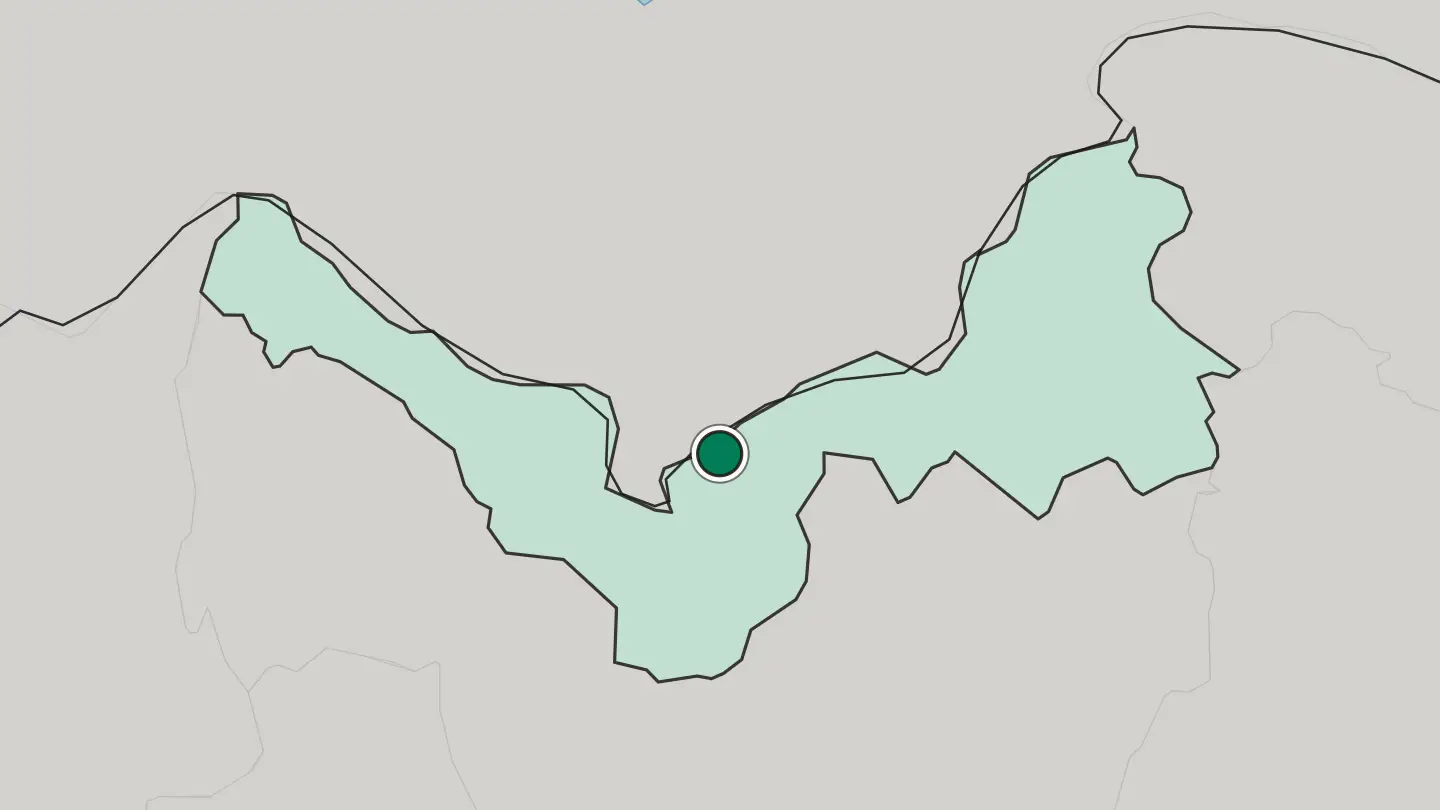
Hotel links are affiliate links: booking through them may earn us a commission, at no extra cost to you. It never affects how places are ranked. How this works
About Changwat Nong Khai
The Mekong runs through everything here.
What is Changwat Nong Khai known for?
Nong Khai town faces Vientiane across the water, linked by the First Thai-Lao Friendship Bridge, the first span thrown across the Mekong River between Thailand and Laos when it opened in 1994. Downstream stands Sala Kaew Ku, a walled garden of towering concrete Buddhist and Hindu figures raised by the mystic Luang Pu Bunleua Sulilat. Each October, at the close of Buddhist Lent, crowds gather along the banks for the Naga fireballs.
The old town keeps its riverfront temple, Wat Pho Chai, and the Tha Sadet market that trades in Lao and Chinese goods.
Where is Changwat Nong Khai?
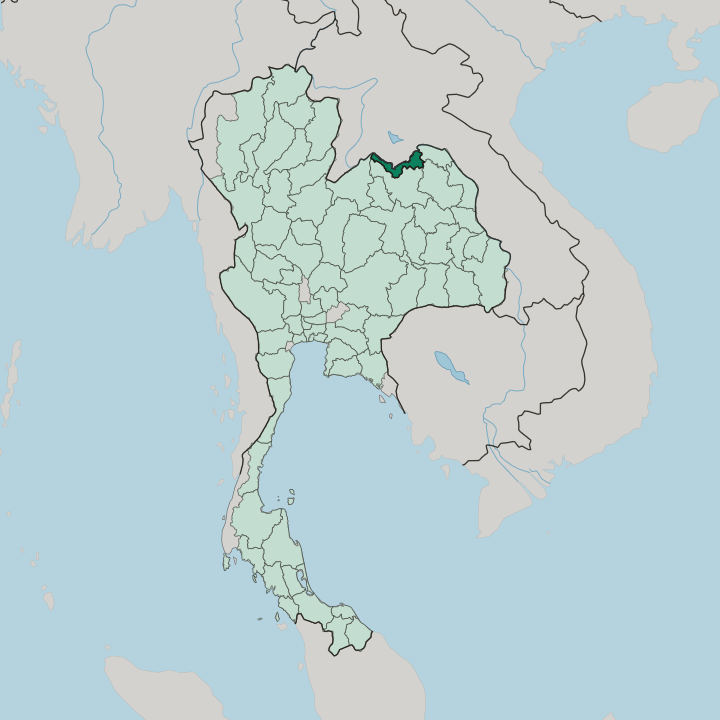
Nong Khai stretches in a long, thin ribbon along the Mekong River, in the upper corner of northeastern Thailand. Isan is the wider region. The province belongs to the Khorat Plateau, the sandstone tableland that fills Thailand's northeast, and for much of its length the Mekong itself draws the border with Laos on the far bank.
Four Thai provinces ring the rest of it. Loei lies west, Udon Thani to the south, Sakon Nakhon off the south-east, and Bueng Kan along the eastern end. Across the water sits Vientiane, the Lao capital, barely a half-hour by road from the provincial town. The river governs the land.
Nong Khai holds the longest stretch of the Mekong of any Thai province, and the water swings from a brown flood in the rains to a shrunken channel in the dry months, when sandbars and rock reefs surface midstream. Away from the bank the ground flattens into paddy and cassava. The province is younger in its present shape than it looks.
In 2011 its eight eastern districts were cut away to form Bueng Kan, Thailand's newest province, leaving Nong Khai the narrow strip that hugs the river.
What is Changwat Nong Khai like?
Culture here leans across the river as much as toward Bangkok. The everyday tongue is Isan, the Lao-rooted speech of the northeast, and Lao script still turns up on old temple walls. The kitchen is Isan too, built on sticky rice, grilled Mekong fish, and the pounded-papaya heat of som tam, though the riverside towns also fold in Vietnamese cooking, a legacy of families who crossed in the French-Indochina years.
Faith runs to Theravada Buddhism. It sits atop an older reverence for the naga, the water-serpent said to coil through the Mekong. That serpent is not a metaphor here.
Every October, as Buddhist Lent ends, the Naga fireballs rise silently from the river, and villages line the banks to watch what they hold to be the naga's breath. The province's holiest temple, Wat Pho Chai in the old town, guards the Phra Sai, a gold-cast Buddha carried down from the Lan Xang kingdom at Vientiane. Merit-making sets the rhythm of the week.
Alms go to monks at dawn, candles and marigolds before the Buddha, and the river carries little floated offerings on festival nights.
What is the history of Changwat Nong Khai?
Nong Khai was born of a war. When Chao Anouvong, the ruler of Vientiane, rose against Siam in the reign of Rama III, his revolt was crushed at Nakhon Ratchasima, and the victorious commander Thao Suwothamma was granted leave to found new towns on the Mekong. He raised Nong Khai in 1827 beside a broad marsh, and the marsh gave the place its name.
The frontier stayed a quiet river outpost for generations. Two later dates redrew it: the First Thai-Lao Friendship Bridge reached Vientiane in 1994, and in 2011 the eastern districts left to become Bueng Kan.
What is the climate of Changwat Nong Khai?
Three seasons split the year on the Mekong. Nong Khai carries a tropical savanna climate, and the south-west monsoon drives the rains from May into October, when the river swells and spills across its banks. A cooler, drier spell follows through the northern winter, and dawn mist hangs over the water in December and January.
Then the heat builds. March to May turns hot and hazy before the rains return to the Mekong valley.
How do you get to Changwat Nong Khai?
Most travellers arrive from the south. The nearest airport is Udon Thani International Airport, about an hour by road below the river, with flights up from Bangkok. Rail reaches all the way in: Nong Khai railway station is the last stop on the northeastern line, and the overnight sleeper from Bangkok pulls in at dawn after crossing the Khorat Plateau.
Buses grind up the highways too. From the Nong Khai side, the First Thai-Lao Friendship Bridge carries road traffic and a short rail shuttle across the Mekong into Laos.
Common questions
What is the best area to stay in Changwat Nong Khai?
Nong Khai town: the Mekong riverfront and the bridge crossing. Si Chiang Mai: a riverbank view straight across to Vientiane. Tha Bo: Mekong market gardens and morning markets. Udon Thani: the nearest airport and onward flights.
Good for
More regions in Thailand
Updated September 2026