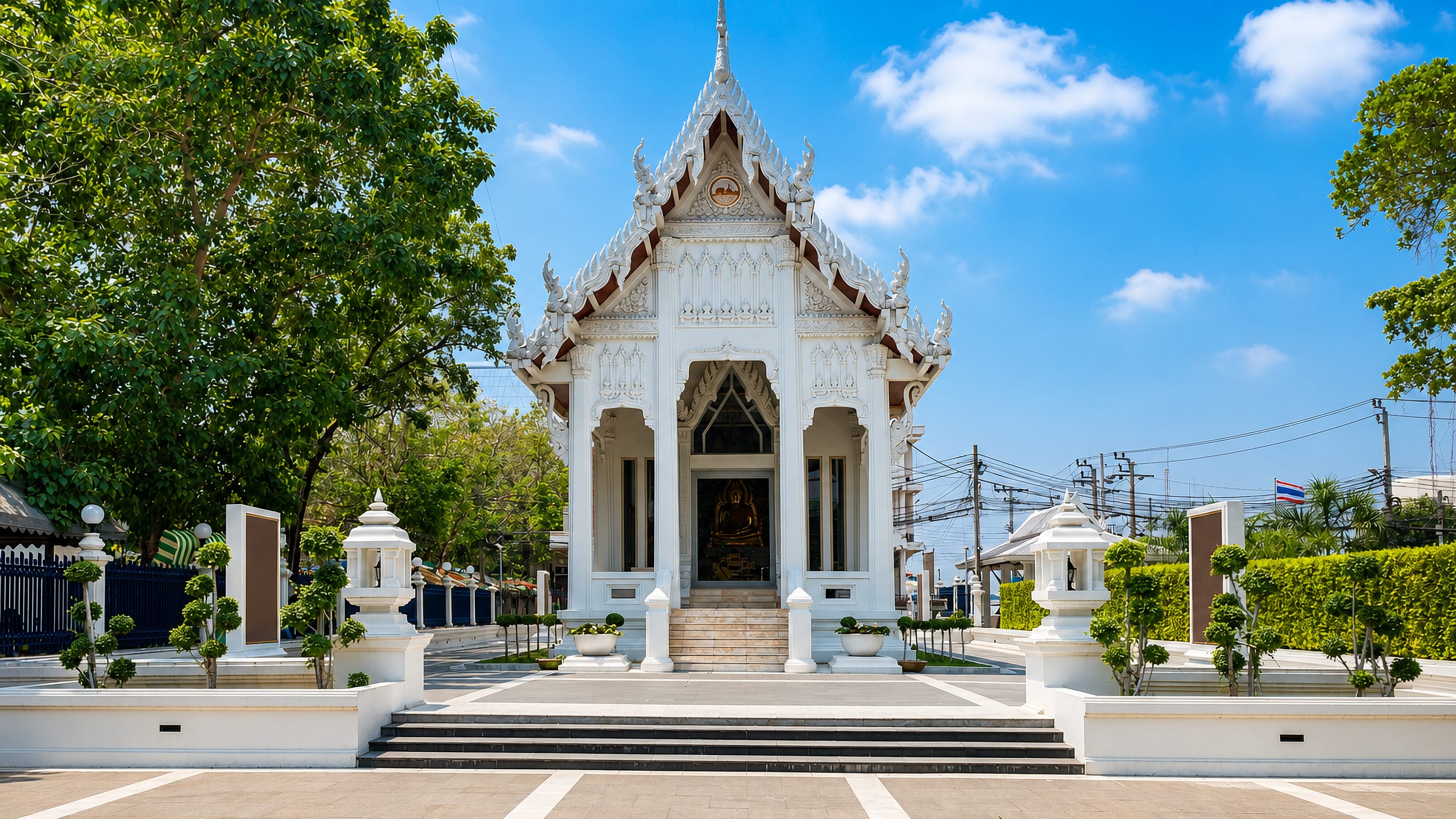
Thailand · Changwat Samut Prakan
Where to Stay in Samut Prakan, Changwat Samut Prakan
Samut Prakan is the provincial capital just south of Bangkok, an Ayutthaya-era town whose best-known ground is the heritage park at Ancient Siam.
Hotel links are affiliate links: booking through them may earn us a commission, at no extra cost to you. It never affects how places are ranked. How this works


Where to stay in Samut Prakan
The practical side of choosing where to sleep.
Most people sleep in Bangkok. The city lies close enough that Samut Prakan's museums fit into a half day, and the Bangkok Metropolitan Area holds a scale of accommodation the province by itself does not, which is the plain reason so few visitors book here. Staying in the town proper changes the shape of a visit rather than its content: mornings begin at the provincial capital instead of ending there, and Ancient Siam opens before the day-trip traffic arrives.
Central Samut Prakan is the practical choice inside the province, within reach of the town's own offices and the Yannawa Local Museum, and the Erawan Museum sits along the road back toward Bangkok. Beds thin out fast toward the water. Around Ancient Siam and the Gulf of Thailand Learning Park the options are few, so anyone wanting a first-thing start at the heritage park should book ahead rather than arrive hoping.
The Museum of Counterfeit Goods and the Saint Nicholas Orthodox church both sit on the Bangkok side of the divide, which is one more argument for the capital if the itinerary runs museum-heavy.
Find hotels in Samut Prakan
Direct booking searches for these neighbourhoods.
Central Samut Prakan
The town's own offices and small collections are walkable, and the Erawan Museum stands on the road back toward the capital.Find hotels in Central Samut Prakanpairing Ancient Siam with a capital-city itineraryBangkok
The Bangkok Metropolitan Area carries the rooms this province does not, and both museum trips run and return inside a single day.Find hotels in Bangkokan opening-hour start at the heritage parkThe Ancient Siam side
Nearest ground to Ancient Siam and the Gulf of Thailand Learning Park, with few beds on it, so booking ahead is the only reliable way in.Find hotels in The Ancient Siam sideHotel links are affiliate links: booking through them may earn us a commission, at no extra cost to you. It never affects how places are ranked. How this works
About Samut Prakan
Museums carry the name here.
What is Samut Prakan known for?
Ancient Siam heads the list of sites the town is known for, and the Erawan Museum follows close behind, both of them drawing day trips out from Bangkok rather than overnight stays. Three smaller collections round it out. The Museum of Counterfeit Goods, the Yannawa Local Museum, and the Gulf of Thailand Learning Park each take a narrow subject and hold to it.
What are the main landmarks in Samut Prakan?
Six sites anchor the town's listings. Ancient Siam and the Erawan Museum are the two names that pull visitors down from Bangkok, and the pairing of a heritage park with a museum sets the tone for everything else on the list. The rest run smaller.
The Gulf of Thailand Learning Park faces the water, the Yannawa Local Museum keeps a neighbourhood record, and the Museum of Counterfeit Goods holds a subject no other collection nearby claims. Saint Nicholas Orthodox church closes the set.
What is the history of Samut Prakan?
The town predates the city. Its origins lie in the Ayutthaya period, when the settlement already held the historical and cultural sites that later guidebooks would list, and that long stretch of local history sits oddly against a city established only in 1999. What changed in that year was legal standing rather than substance: Samut Prakan became the City of Samut Prakan, seat of Samut Prakan province under the Thai name เทศบาลนครสมุทรปราการ.
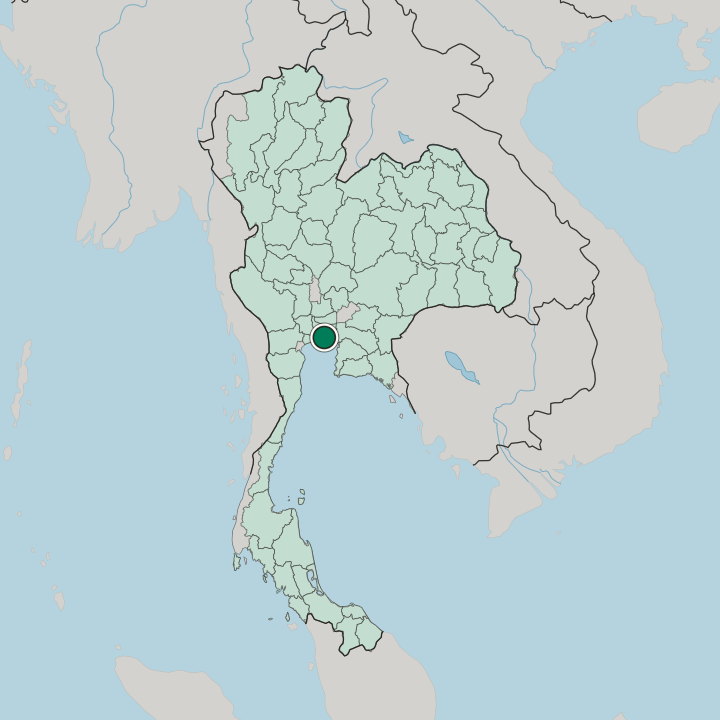
Changwat Samut Prakan carries the same name as its capital, and the two have travelled together since long before the modern city. Bangkok did the rest. Twenty-five kilometres is nothing to a capital that grew outward, and the province was drawn into the Bangkok Metropolitan Area, which is why the town reads as an outer suburb to travellers and as a provincial capital to the people who live in it.
That double identity shows in what gets visited. The province keeps its own administration, its own capital, and its own museums, even as the built-up mass of Bangkok runs right up to the boundary. Ancient Siam and the Erawan Museum pull crowds that arrive from the capital and leave the same afternoon, while the Yannawa Local Museum keeps the smaller record.
Both readings are accurate.
Where is Samut Prakan?
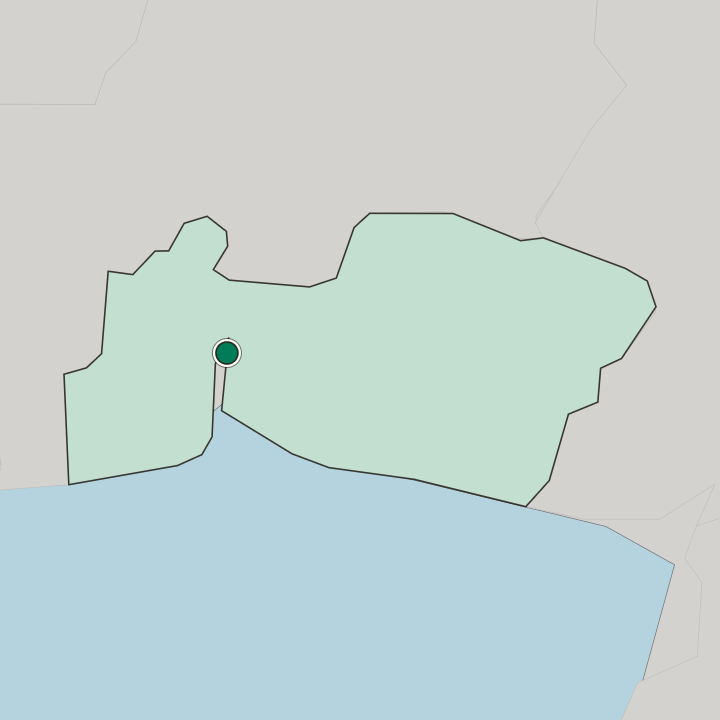
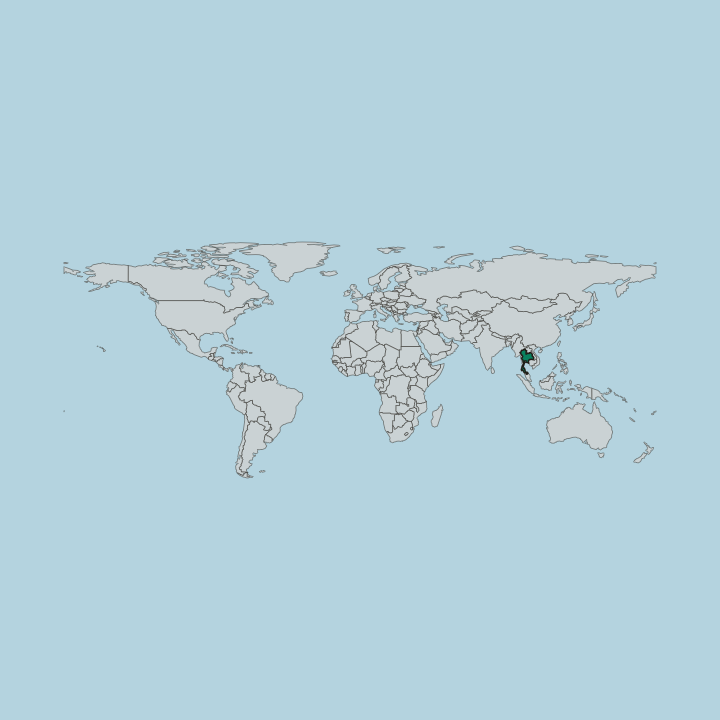
Flat ground, and not much relief. Samut Prakan sits on low, level land twenty-five kilometres south of Bangkok, near enough that the built-up area barely breaks between the two, and the province stops at the Gulf of Thailand on its seaward side. Height plays no part here.
What organises the map instead is the pull of the capital, the roads that run out from it, and the water that the Gulf of Thailand Learning Park was set up to explain.
What is the climate of Samut Prakan?
Warmth never lets up in Samut Prakan. Samut Prakan sits in the tropical band, so the year divides by rainfall rather than by temperature, and the gap between the wettest months and the driest ones shapes a visit far more than any swing in the thermometer. Sea air off the Gulf of Thailand takes little of the edge off.
Finding cover counts for more than picking a month. The open ground at Ancient Siam rewards an early start, and the indoor galleries of the Erawan Museum absorb the worst of an afternoon.
How do you get to Samut Prakan?
Everything arrives via Bangkok. The capital lies twenty-five kilometres north, close enough that the trip is a city journey rather than an intercity one, and the Bangkok Metropolitan Area's transport network reaches the province as an extension of its own rather than as a separate system. That proximity cuts both ways.
Ancient Siam and the Erawan Museum are easy half-day targets from a capital hotel, and the return leg lands back in Bangkok before evening.
Common questions
What is the best area to stay in Samut Prakan?
Central Samut Prakan: a provincial-capital base with the Yannawa Local Museum on the doorstep. Bangkok: pairing Ancient Siam with a capital-city itinerary. The Ancient Siam side: an opening-hour start at the heritage park.
Good for
Updated October 2026