Tunisia · Gafsa Governorate
Where to Stay in Gafsa, Gafsa Governorate
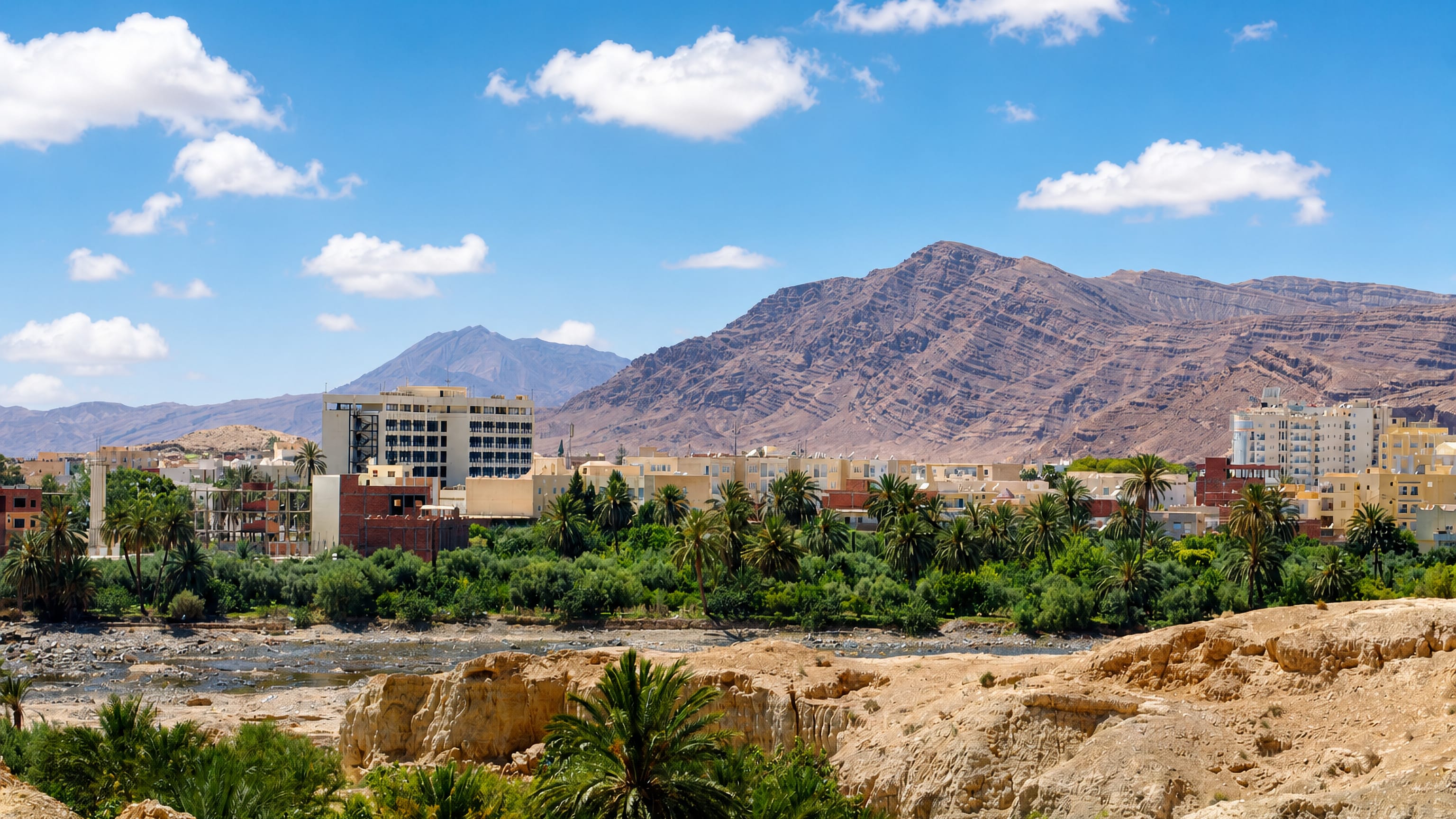
Gafsa is an inland oasis city of southwest Tunisia, a town of date palms and Roman pools at the desert's edge, centre of the country's phosphate mines.
Hotel links are affiliate links: booking through them may earn us a commission, at no extra cost to you. It never affects how places are ranked. How this works


Where to stay in Gafsa
Where the beds are, and what that means for the visit.
Where you stay in Gafsa turns on the town or the oasis. The lanes around the kasbah keep the Roman pools, the market, and the great mosque within a walk, and staying downtown suits anyone here for the old town. The pools lie warm and clear.
Palms shade the streets. Out toward the palm groves and the springs, the town gives way to the date gardens, the oasis paths, and the desert beyond. A room by the oasis trades the streets for the shady palms, the warm spring pools, and the quiet of the gardens.
The desert runs bare past the trees. Stay downtown for the pools, or by the oasis for the palms. From the date gardens it is only a short way back to the kasbah.
Find hotels in Gafsa
Direct booking searches for these neighbourhoods.
The town
Around the old kasbahFind hotels in The townStays wanting the palms and springsThe oasis
Out among the date gardensFind hotels in The oasisHotel links are affiliate links: booking through them may earn us a commission, at no extra cost to you. It never affects how places are ranked. How this works
About Gafsa
Gafsa is the oasis town of the phosphate country.
What is Gafsa known for?
On the dry steppe of southwestern Tunisia, where palm groves ring an ancient spring, it is the centre of the great Tunisian phosphate mines, and it keeps the old Roman pools where boys still dive, a walled kasbah in the town, the date gardens of the oasis, and the ancient name of Capsa that it has borne for ages. The palms shade the springs. The bare steppe runs beyond.
What are the main landmarks in Gafsa?
The Roman pools are the wonder of Gafsa. The two old basins of clear warm water, walled in Roman stone and full of diving boys, are the emblem of the city, in the oasis. A kasbah stands above.
The old walled kasbah guards the town beside the pools, while the great mosque, the date gardens, and the phosphate hills mark the country around Gafsa.
What is the history of Gafsa?
Gafsa is one of the oldest towns in the land. Its spring drew people in the stone age, and the hunters of the steppe left so many flints here that their whole culture is named for Capsa, the old name of the town. Rome came for the water.
The Romans built baths at the warm springs that still stand and flow, and Capsa became a walled town on the desert road, held later by Byzantines and Arabs. Phosphate made the modern city. When the French found great beds of phosphate in the hills around a century ago, Gafsa became the capital of the mines, and a railway was cut over the steppe to carry the rock to the sea.
The mines drew workers in. Miners came from across the land to dig the phosphate, and the old oasis town swelled into a mining city, keeping its palms, its Roman pools, and its ancient spring. The springs still feed the palms.
Gafsa keeps its oasis and its mines on the edge of the Sahara.
Where is Gafsa?
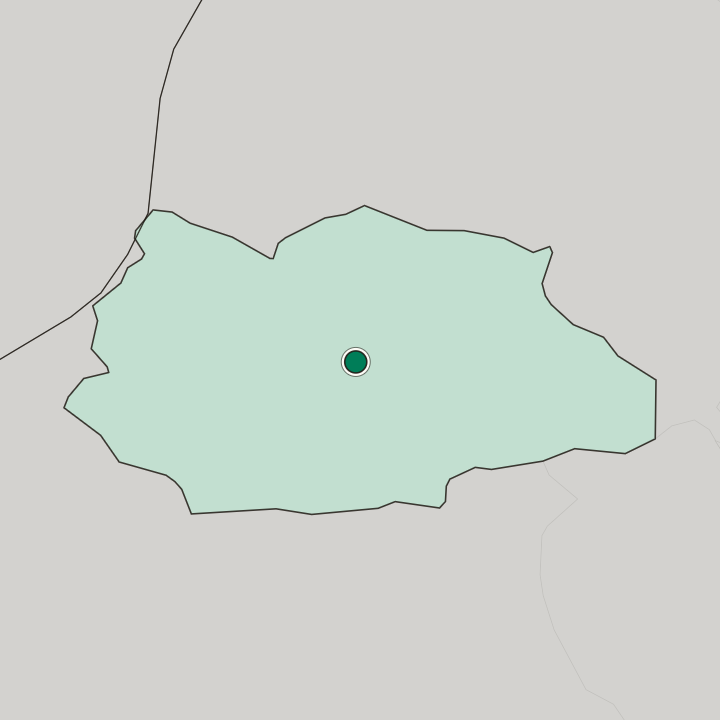
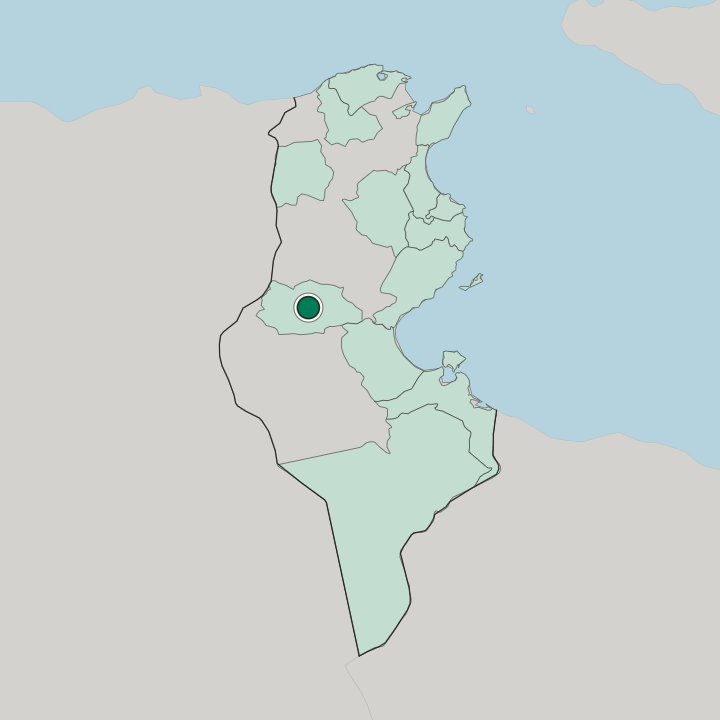
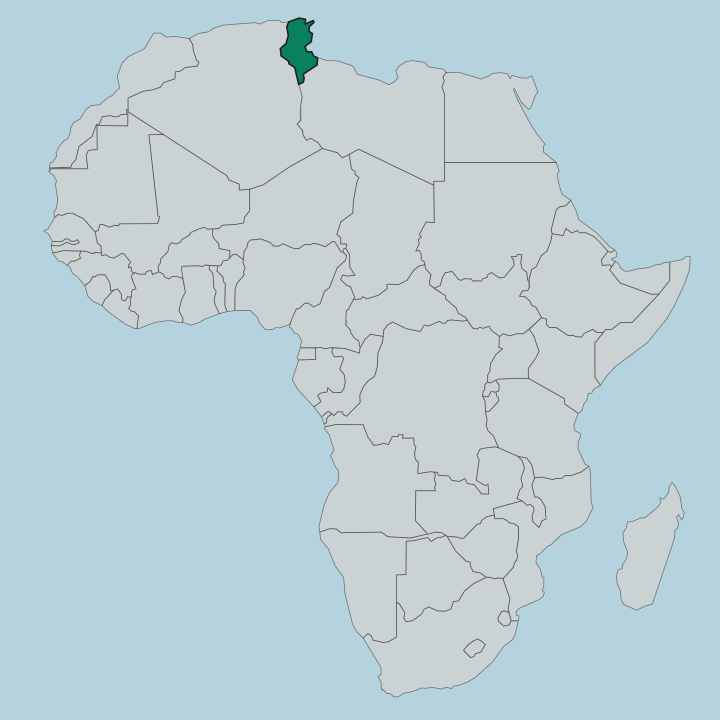
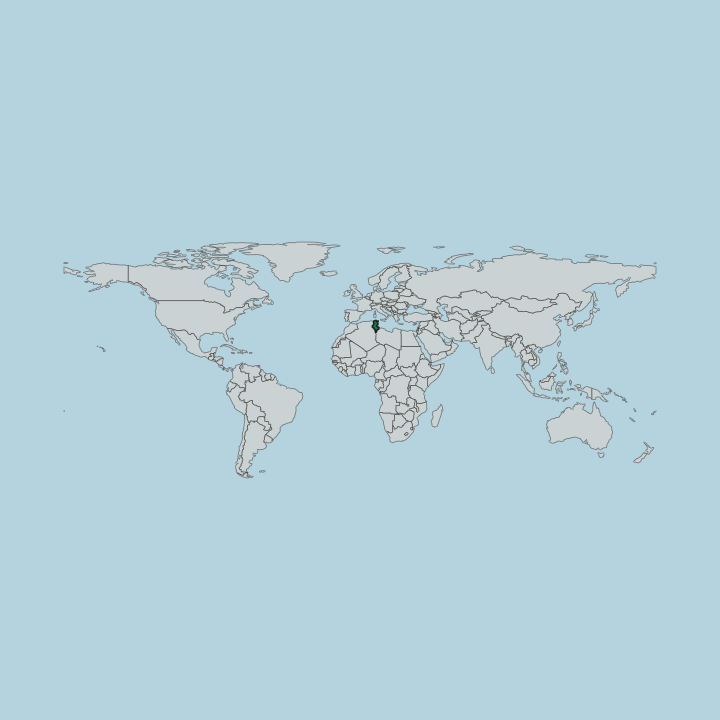
Gafsa lies in the southwest of Tunisia, on a dry plateau between the coast and the Sahara. The town sits in a green oasis fed by warm springs, ringed by bare brown hills and stony steppe, with the salt flats of the Chott country to the south and the desert beyond. Palm groves fill the hollow.
Bare hills ring the town.
What is the climate of Gafsa?
Gafsa's weather is desert weather: hot and parched. Scorching summers and cool winters hold on the steppe, with fierce dry heat in the long summer and rare rain over the year. The summer sun blazes hard.
Once the sun drops in winter, the air over Gafsa bites.
How do you get to Gafsa?
Gafsa lies inland in southwestern Tunisia, on the desert road and the old mining line. Buses and trains run to it over the steppe from Sfax and Tozeur, and the mining railway still crosses the hills. Roads reach the oases.
Sfax lies east toward the coast.
Common questions
What is the best area to stay in Gafsa?
The town: Visitors here for the Roman pools and kasbah. The oasis: Stays wanting the palms and springs.
Good for
Updated September 2026