Tunisia · Gouvernorat de Mahdia
Where to Stay in Mahdia, Gouvernorat de Mahdia
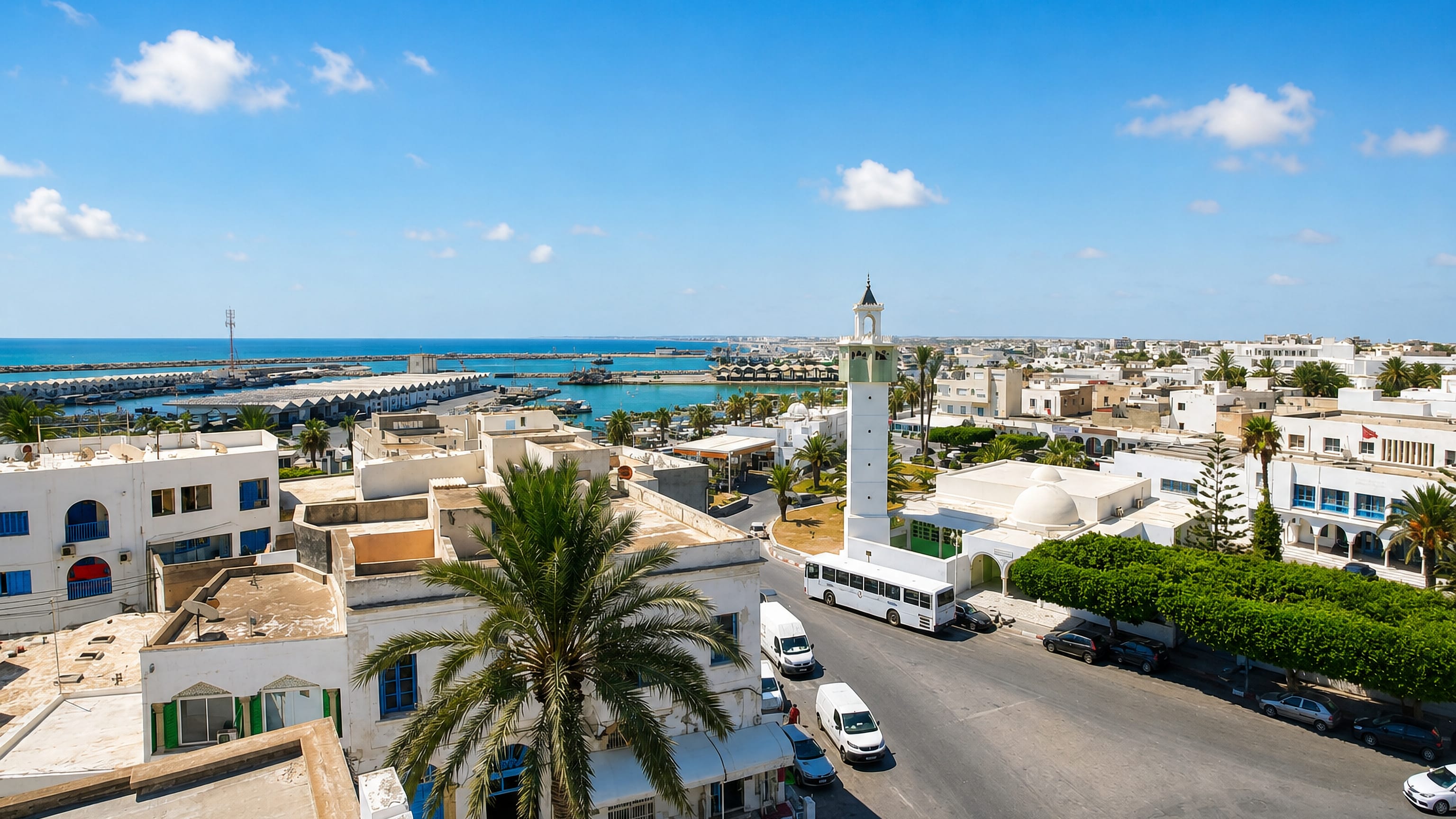
Mahdia is a Tunisian coastal city south of Monastir, holding the Great Mosque of Mahdia, Skifa El Kahla and the Bordj el Kebir.
Hotel links are affiliate links: booking through them may earn us a commission, at no extra cost to you. It never affects how places are ranked. How this works


Where to stay in Mahdia
Where visitors usually base themselves, and why.
The old quarter is the anchor. Rooms inside it put Skifa El Kahla, the Great Mosque of Mahdia, and Dar Sghir within a few minutes on foot, which is the compact end of the city and the one that rewards walking over driving. Space is tight there.
If you want the sea in front of the window instead, the newer strip along the shore runs away from the old ground and trades the stonework for direct beach access. Bordj el Kebir gives a third option. Streets around it sit between the two, near enough to Mahdia Museum and Our Lady of Mount Carmel Church to reach either without a car, and near enough to the water to hear it through an open window.
Your reason for coming picks the quarter. Travellers working outward into the Gouvernorat de Mahdia, or running back up the coast towards Monastir and Sousse, do better on that outer side where the streets take a vehicle without complaint. Distances between the three are small.
A stay in any of them leaves Skifa El Kahla and the water within the same short walk, so the choice is about noise and parking more than about access.
Find hotels in Mahdia
Direct booking searches for these neighbourhoods.
The old quarter
Inside the compact streets around the Great Mosque of MahdiaFind hotels in The old quarterBeach stays wanting the blue water rather than the stoneworkThe shore strip
Along the coast running away from Mahdia's old groundFind hotels in The shore stripDrivers running back up the coast to Monastir and SousseAround Bordj el Kebir
Between Bordj el Kebir and the Mahdia MuseumFind hotels in Around Bordj el KebirHotel links are affiliate links: booking through them may earn us a commission, at no extra cost to you. It never affects how places are ranked. How this works
About Mahdia
Stone marks it.
What is Mahdia known for?
The city carries a short list of heavy landmarks, and Skifa El Kahla, the Bordj el Kebir, and the Great Mosque of Mahdia all stand within the same walkable stretch above the water. Mahdia Museum holds what the ground gave up. The coast south of Monastir is what most arrivals come for, and the blue sea along it carries the beaches that fill the warm season.
What are the main landmarks in Mahdia?
Six names carry the city. Skifa El Kahla and the Bordj el Kebir are the two most often paired with the old town, while the Great Mosque of Mahdia stands on the ground between them. Dar Sghir belongs to the same quarter.
Our Lady of Mount Carmel Church adds a second congregation to the list, and Mahdia Museum keeps the objects that the coast and the country behind it have turned up.
What is the history of Mahdia?
Its landmarks are its record. The Arabic name المهدية belongs to the old ground, and Skifa El Kahla, the Bordj el Kebir, and the Great Mosque of Mahdia are the structures that carry whatever the city was before the beaches were counted as an asset. Dates are thin on the page.
What survives instead is a named set of buildings on a shore that also holds Monastir to the north and Sousse beyond it, each one still mapped and used inside the same few streets of Mahdia. Two congregations share that map. The Great Mosque of Mahdia and Our Lady of Mount Carmel Church stand in one city, while Dar Sghir belongs to the domestic side of the same fabric, the houses rather than the monuments.
Collecting came later. Mahdia Museum gathers what the Gouvernorat de Mahdia has produced, and it is the one place where the separate pieces are set beside one another instead of being walked between. The coast did the rest.
Beaches and the blue sea turned a seaward town in Tunisia into somewhere people arrive for the water first and the stonework second.
Where is Mahdia?
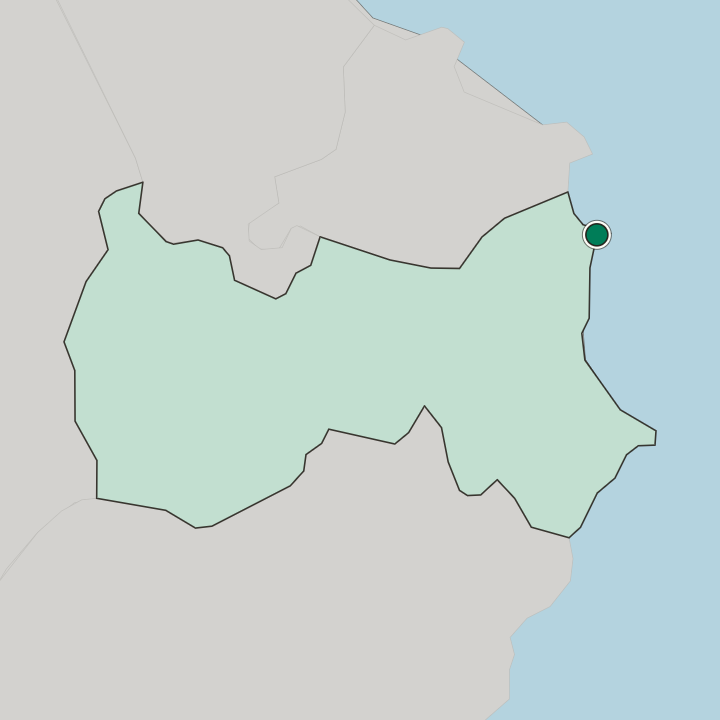
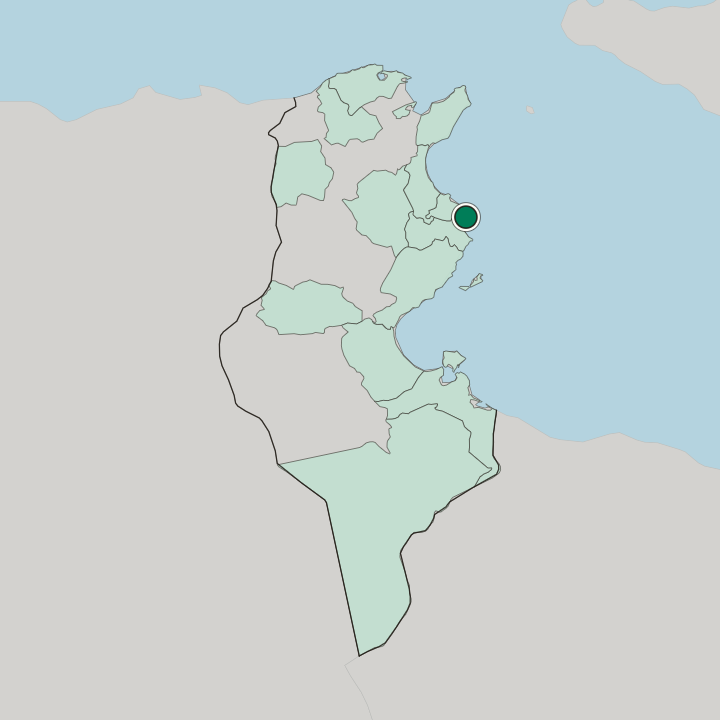
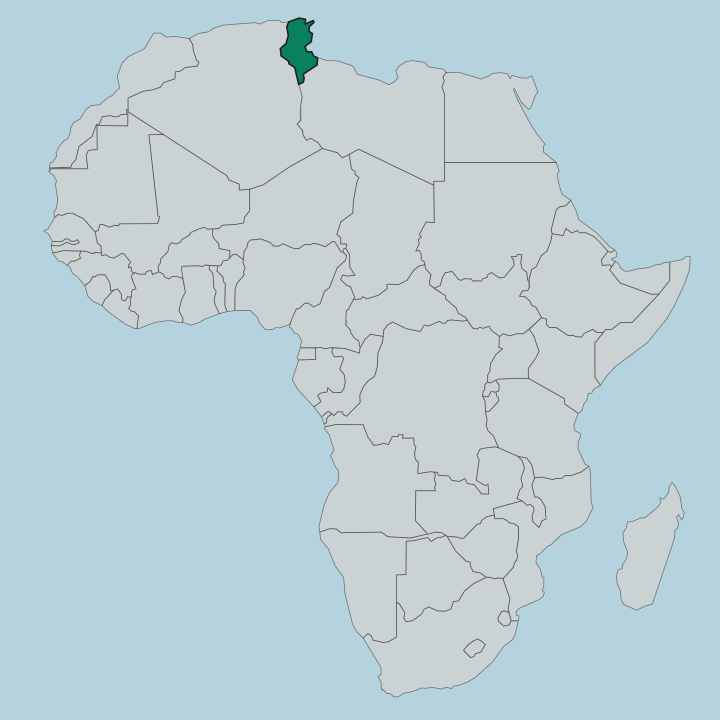
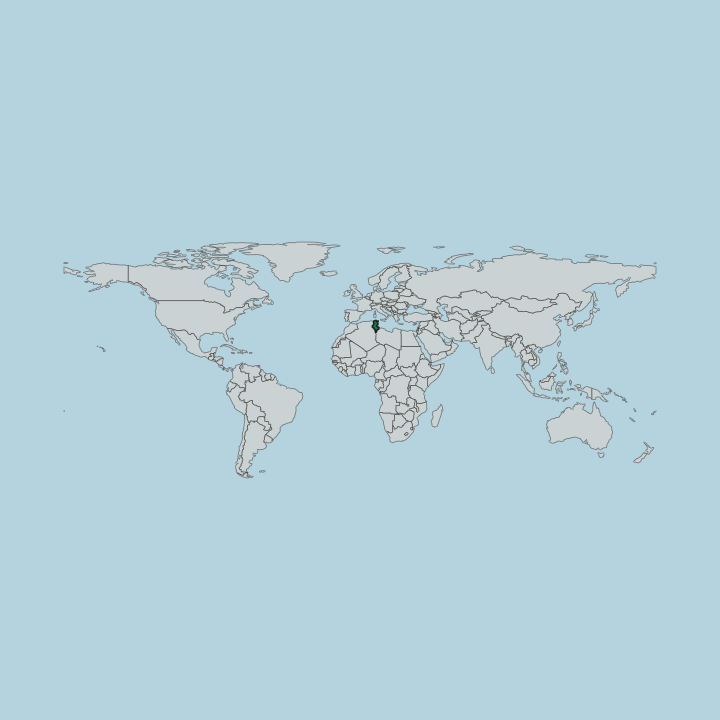
The shore does the defining. Mahdia lies on the Tunisian coast with Monastir to the north and Sousse further along the same water, and the built city takes the seaward ground while the Gouvernorat de Mahdia spreads inland behind it. Blue water fronts the town.
Beaches run off the built edge, which is why the coastline gets named here before anything else does.
What is the climate of Mahdia?
Water sets the terms. Because the city sits out on the shore between Sousse and Monastir, its weather comes off the sea rather than off the interior, so the summer heat arrives with a breeze and the winters stay short. The blue sea keeps it even.
Rain, when it comes, belongs to the cooler half of the year rather than to the beach season around Mahdia.
How do you get to Mahdia?
Approaches follow the coast. Mahdia sits at the far end of the shore that runs down from Sousse through Monastir, so most arrivals come along that line rather than out of the interior of Tunisia. The old town is the compact end.
Skifa El Kahla, the Great Mosque of Mahdia, and Dar Sghir stand close enough together that the last stretch of any journey here is done on foot.
Common questions
What is the best area to stay in Mahdia?
The old quarter: Guests who want Skifa El Kahla and Dar Sghir on foot. The shore strip: Beach stays wanting the blue water rather than the stonework. Around Bordj el Kebir: Drivers running back up the coast to Monastir and Sousse.
Good for
Updated September 2026