Tunisia · Gouvernorat de Sfax
Where to Stay in Sfax, Gouvernorat de Sfax
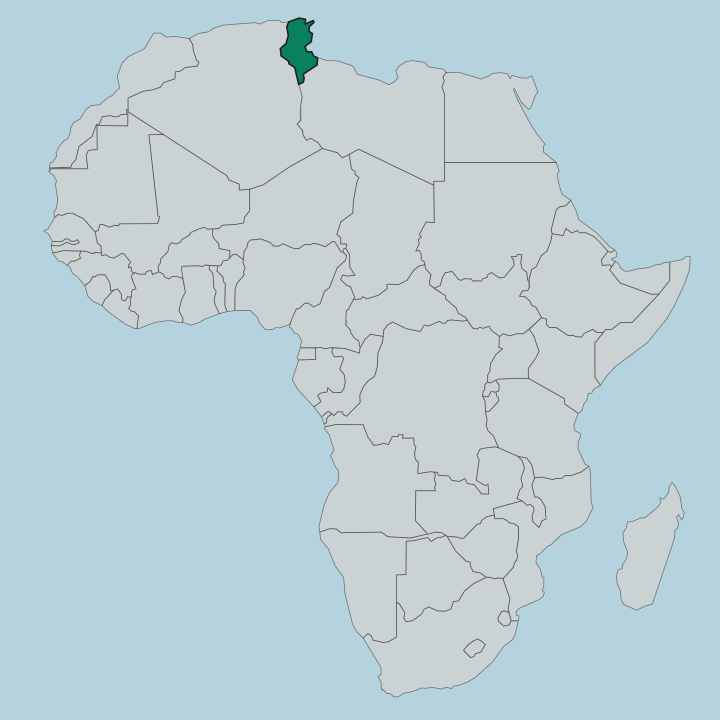
Sfax is Tunisia's great southern port on the Gulf of Gabès, a working city around a well-kept walled medina.
Hotel links are affiliate links: booking through them may earn us a commission, at no extra cost to you. It never affects how places are ranked. How this works


Where to stay in Sfax
How the choice of base plays out on the ground.
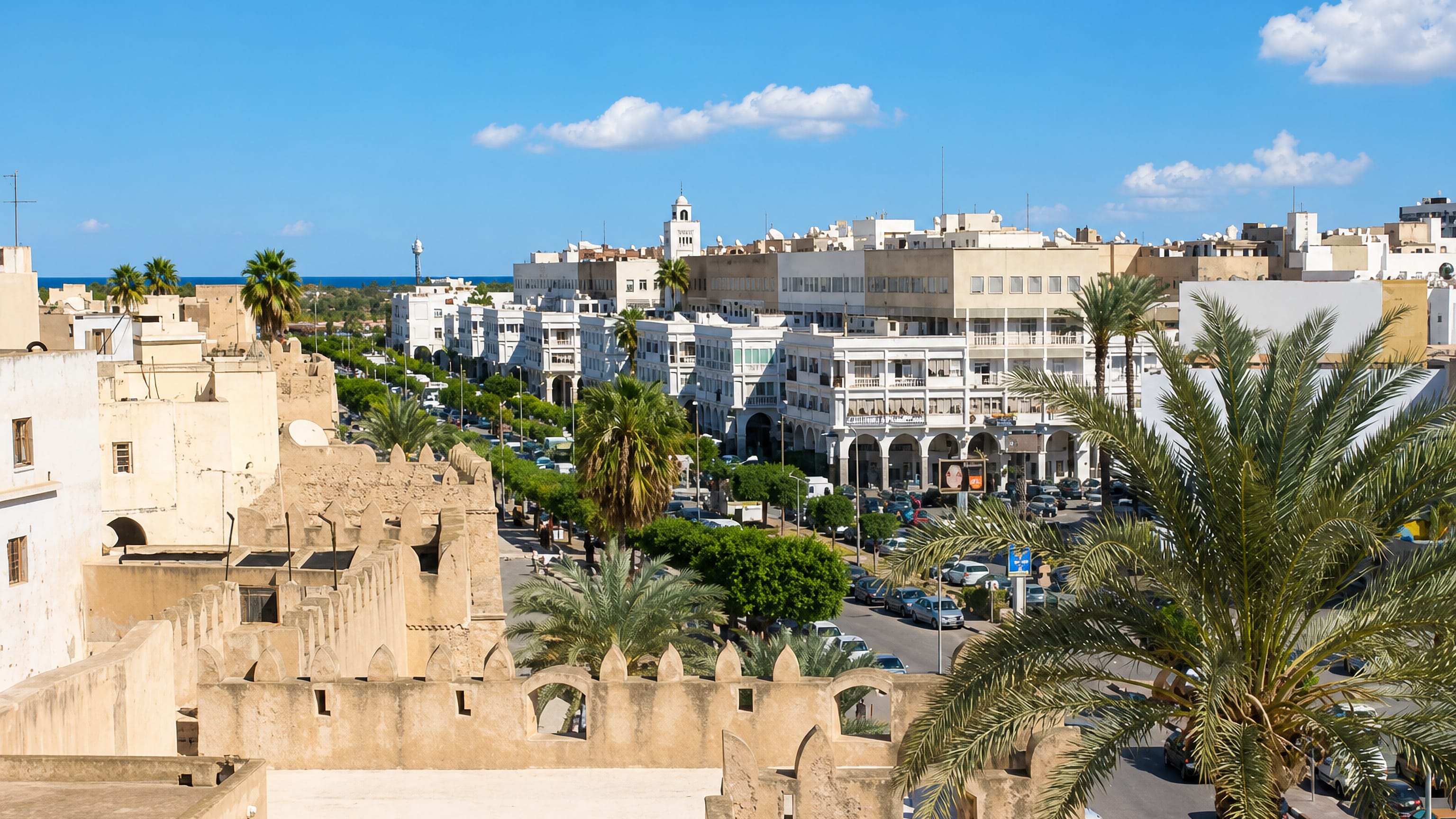
Where you stay in Sfax turns on the medina or the new town. Around the walls, the old city keeps the souks, the mosques, and the mansions within a walk, and staying by the medina suits anyone here for the old town. The souks quiet after the evening prayer.
Rooms sit near the gates and the ramparts. Out in the French-built new town, wide avenues spread beyond the walls. A room in the modern centre trades the medina for cafés, hotels, and an easy way to the port and the station.
The city runs busy and plain. If you want the souks and the mosques, stay by the medina; if you want the cafés and the port, take a room in the new town. Either way, the old walls are close at hand.
Find hotels in Sfax
Direct booking searches for these neighbourhoods.
By the medina
Around the walls of the Medina of Sfax, within a walk of the Great Mosque and the souksFind hotels in By the medinaStays wanting cafés, hotels, and the portThe new town
In the French-built avenues beyond the walls, near the port and the stationFind hotels in The new townHotel links are affiliate links: booking through them may earn us a commission, at no extra cost to you. It never affects how places are ranked. How this works
Things to do in Sfax
Ranked by global recognition; descriptions from Wikidata (CC0).
Museums & Galleries
2- Dar Jellouli Museum
- Sfax Archaeological Museum
Churches & Religious Sites
3- Great Mosque of Sfax Heritage
- Sidi El Bahri Mosque Heritage
- Sidi Amar Kammoun Mosque Heritage
Castles & Historic Sites
2- Dar Jellouli Heritage
- Bordj El Guennouni Heritage
Landmarks & Notable Places
3- Dar Laadhar
- Dar Al Quran
- Dar Khemakhem
worth knowingacross 4 categories in Sfax
About Sfax
What is Sfax known for?
Sfax is Tunisia's hardworking second city. Behind its long stone ramparts lies one of the best-kept medinas in North Africa, a maze of souks around the ancient Great Mosque of Sfax, while beyond the walls a busy port ships the olive oil of the plains. Trade and toil made the city.
This is a place of work, not show.
What are the main landmarks in Sfax?
The Medina of Sfax is the heart of the city. Its pale stone ramparts, the City walls of Sfax, ring the old town, the great sight of the place, enclosing a maze of souks and mosques. The Great Mosque rises within.
The ancient Great Mosque of Sfax stands at the centre of the walls, while the Dar Jellouli Museum and the Sfax Archaeological Museum keep the treasures of the old town.
What is the history of Sfax?
Sfax rose on olives and the sea. Founded in the ninth century over an older Roman town, the walled city grew rich trading the olive oil of its vast plains across the Mediterranean, and its merchants raised the Great Mosque of Sfax at the heart of the medina. Strong walls guarded the wealth.
Ramparts of pale stone ringed the old city, and the souks within traded oil, cloth, and gold behind the gates. The modern city grew outside the walls. Under French rule a new town of wide streets rose beyond the medina, and the port swelled to ship olive oil and phosphate to the world, making Sfax the workshop of Tunisia.
War scarred the city hard. Heavy fighting and bombing struck the port in the last war, but the walled medina came through, and it remains one of the finest in the land. The old mansions keep the past.
The Dar Jellouli Museum shows the fine life of the old merchant families behind the walls.
Where is Sfax?
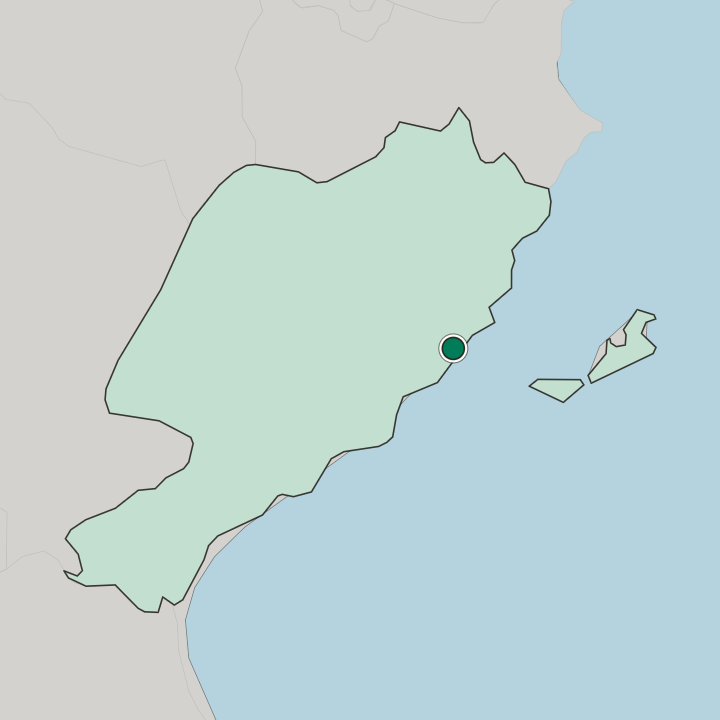
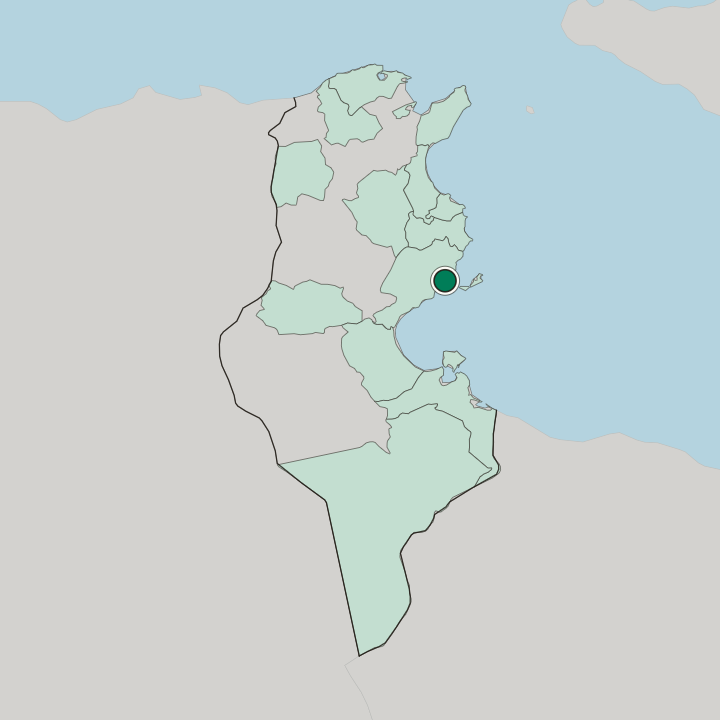
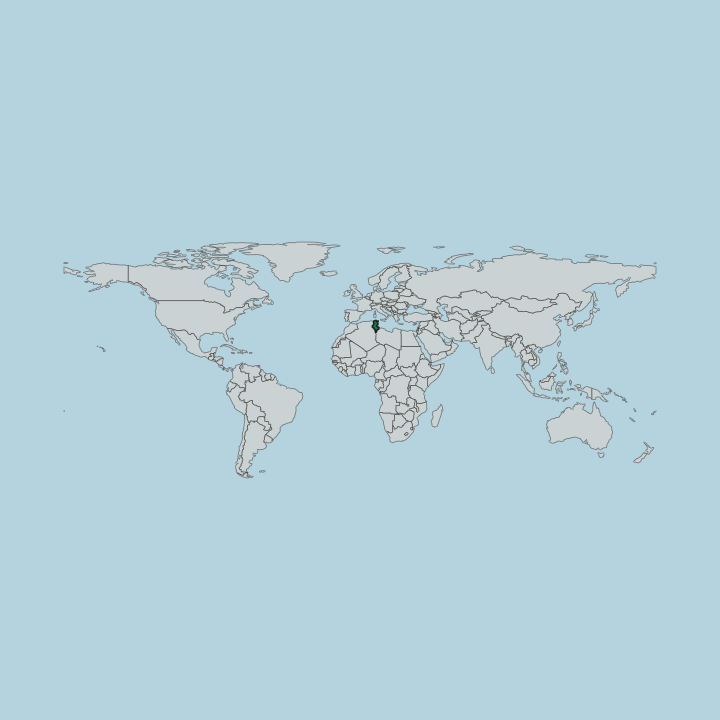
Sfax sits on the flat coast of the Gulf of Gabès. The city spreads along the eastern shore of Tunisia, where a low plain of olive groves meets the shallow sea, with the Kerkennah Islands lying just offshore. Endless olive trees cover the plain.
The warm gulf laps the working port.
What is the climate of Sfax?
Sfax has a hot, dry Mediterranean climate. Long, hot summers bake the coast and the olive plains, and the mild winters bring only a little rain from the sea. Dry winds blow off the Sahara in summer.
The gulf softens the worst of the heat.
How do you get to Sfax?
Sfax lies on the coast road south of Tunis. Trains and highways run to it down the shore, and its port and airport link the city to the wider world, while ferries cross to the Kerkennah Islands. Roads run inland across the olive plains.
Most arrive by road or rail down the coast.
Common questions
What is the best area to stay in Sfax?
By the medina: Visitors here for the souks, mosques, and mansions. The new town: Stays wanting cafés, hotels, and the port.
Good for
Updated September 2026