Tunisia · Gouvernorat de Sousse
Where to Stay in Sousse, Gouvernorat de Sousse
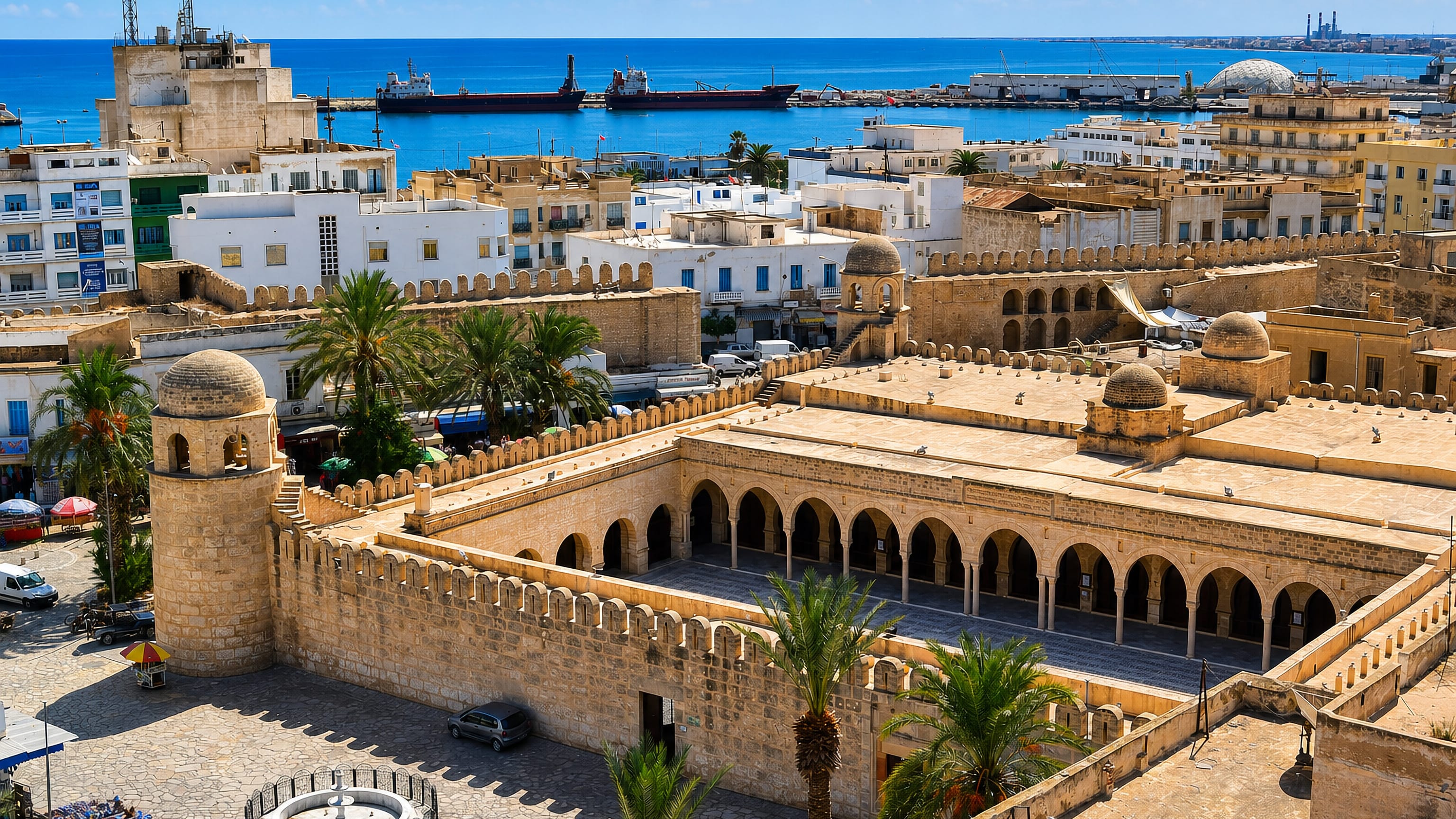
Sousse is a walled port city on the coast of Tunisia, its old medina a fortress town above the sea.
Hotel links are affiliate links: booking through them may earn us a commission, at no extra cost to you. It never affects how places are ranked. How this works


Where to stay in Sousse
Where the beds are, and what that means for the visit.
Where you stay in Sousse turns on the medina. The walled old town keeps the Ribat, the mosque, the museum, and the souks within a walk, and staying by the medina suits anyone here for the old city. The lanes hush inside the walls.
Rooms sit near the ramparts and the port. Out along the shore to the north, the coast runs into a long strip of beach hotels. A room by the sea trades the old lanes for sand, pools, and a swim in the Mediterranean, with the resort of Port El Kantaoui nearby.
The beach runs for miles past the town. If you want the medina, stay by the walls; if you want the beach, take a room on the shore. Neither choice puts the medina far off.
Find hotels in Sousse
Direct booking searches for these neighbourhoods.
The medina
Inside the walled old town by the Ribat and the Sousse Archaeological Museum, within a walk of the souksFind hotels in The medinaStays wanting sand and the seaThe beach strip
North along the shore near Port El Kantaoui, an easy way to the beach and the MediterraneanFind hotels in The beach stripHotel links are affiliate links: booking through them may earn us a commission, at no extra cost to you. It never affects how places are ranked. How this works
Things to do in Sousse
Ranked by global recognition; descriptions from Wikidata (CC0).
Museums & Galleries
3- Dar Essid Museum Heritage
- Sousse Archaeological Museum
- El Kobba Museum
Churches & Religious Sites
2- Saint Felix Church (Sousse)
- Immaculate Conception Church (Sousse)
worth knowingacross 2 categories in Sousse
About Sousse
Sousse is known for its walled medina by the sea.
What is Sousse known for?
Behind ramparts of pale stone stand a great mosque, the old fortified monastery called the Ribat, and a hilltop kasbah that guards the town, and the sea laps at the walls below. Roman mosaics fill the old museum. Walls and waves mark the city.
What are the main landmarks in Sousse?
The Ribat guards the old medina of Sousse. The ninth-century fortress-monastery rises by the great mosque behind the walls, the emblem of the town, above the harbour. A kasbah crowns the hill above.
The Sousse Archaeological Museum keeps its famous Roman mosaics in the old citadel, while the Dar Essid Museum and the medina's churches fill the walled town.
What is the history of Sousse?
Sousse was founded by Phoenician traders as Hadrumetum. The seafarers of Carthage built a port here nearly three thousand years ago, and under Rome it grew into a rich city whose floors were laid with the fine mosaics now kept in its museum. Rome gave way to Islam.
Arab armies took the coast, and in the ninth century the Aghlabid rulers ringed the town with strong walls and raised the Ribat and the Great Mosque as a frontier fortress against the sea. The medina became a stronghold of the coast. Its ramparts, its watchtower, and its hilltop kasbah guarded the harbour through the centuries of corsairs and empires, and the old town kept its narrow stone lanes intact.
Trade and tourists found the shore. In modern times Sousse grew into a great beach resort of the Tunisian coast, its sands lined with hotels beside the ancient walls. The old medina still stands whole behind its ramparts.
Sousse guards its walls and its mosaics over the Mediterranean.
Where is Sousse?
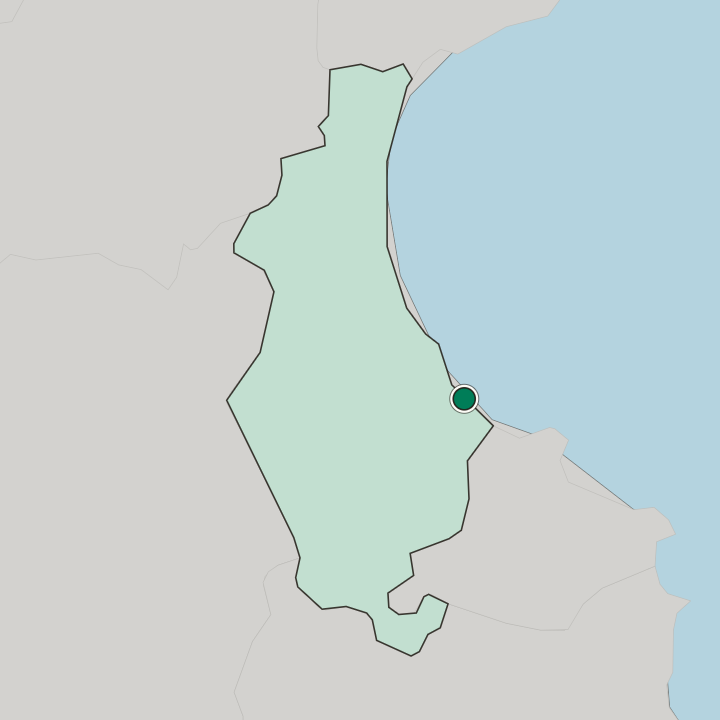
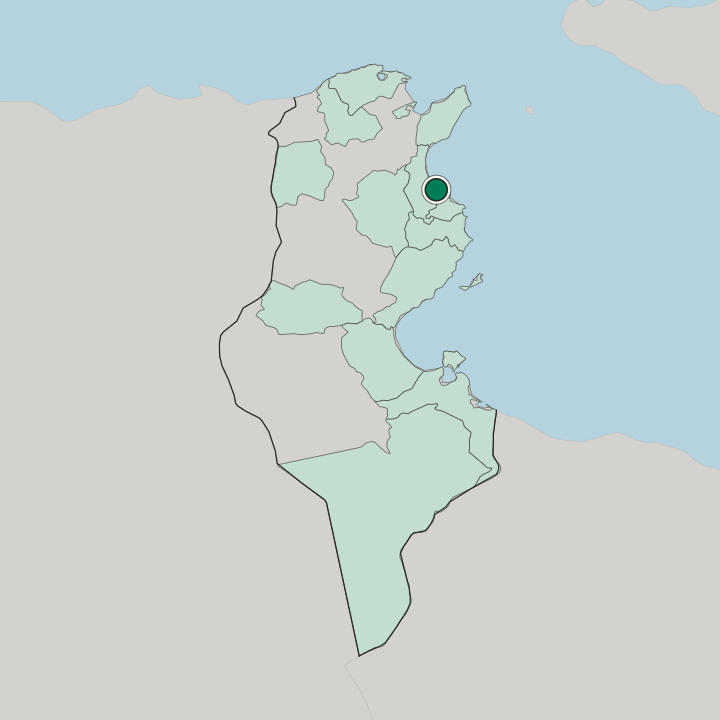
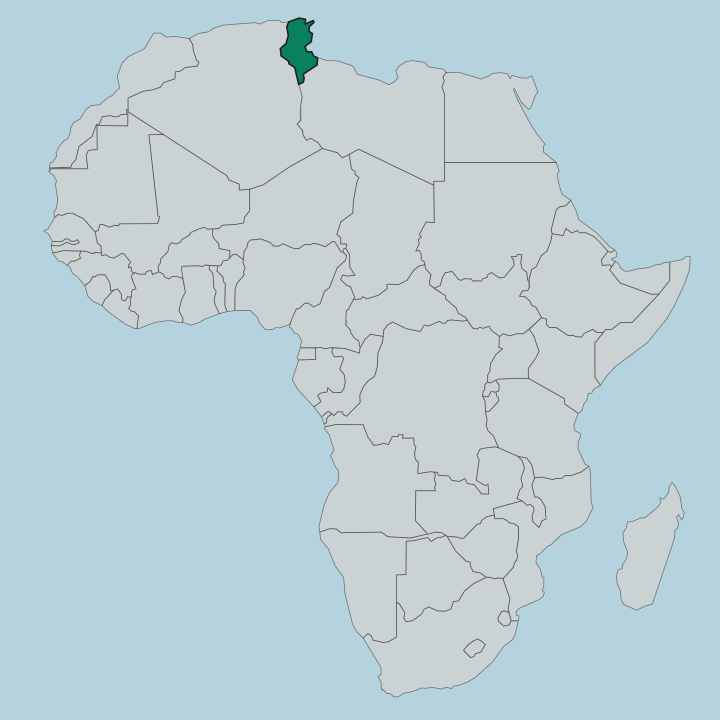
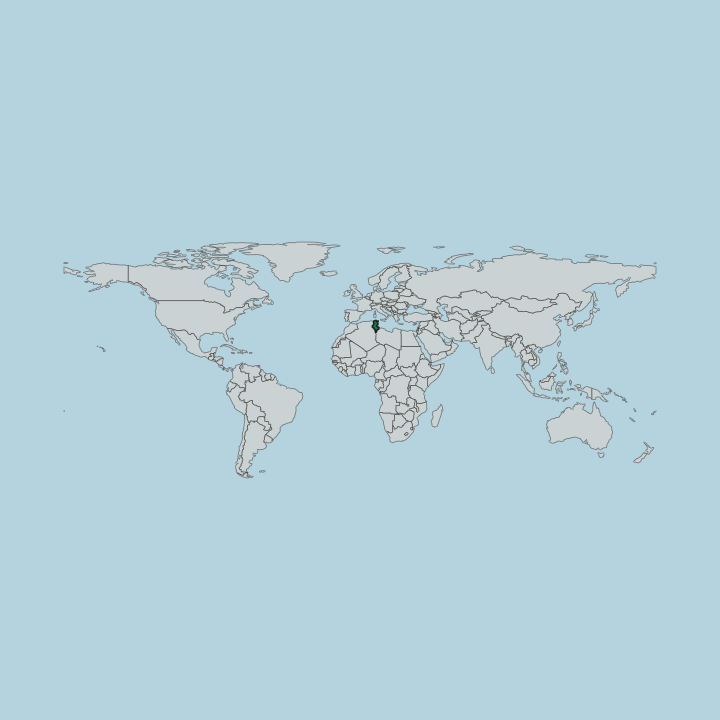
Sousse lies on the Gulf of Hammamet on Tunisia's eastern coast. The city curves around a sheltered bay of the Mediterranean, where a flat coastal plain of olive groves meets the sea, halfway down the Tunisian shore. Olive country spreads inland from the town.
The sea stretches blue beyond the harbour.
What is the climate of Sousse?
Sousse has a warm Mediterranean climate. Hot, dry summers draw crowds to the beaches, and the winters stay mild and a little wet by the sea, with the rain falling in the cooler months. Sea breezes cool the summer heat.
The coast stays gentle most of the year.
How do you get to Sousse?
Sousse lies on the coast halfway down Tunisia. A rail line and the main road run to it along the shore from Tunis in the north and Sfax in the south, and the airport at Monastir lies close by. Shore towns nearby are served by bus.
Most arrive by road or rail along the coast.
Common questions
What is the best area to stay in Sousse?
The medina: Visitors here for the Ribat, mosque, and souks. The beach strip: Stays wanting sand and the sea.
Good for
Updated September 2026