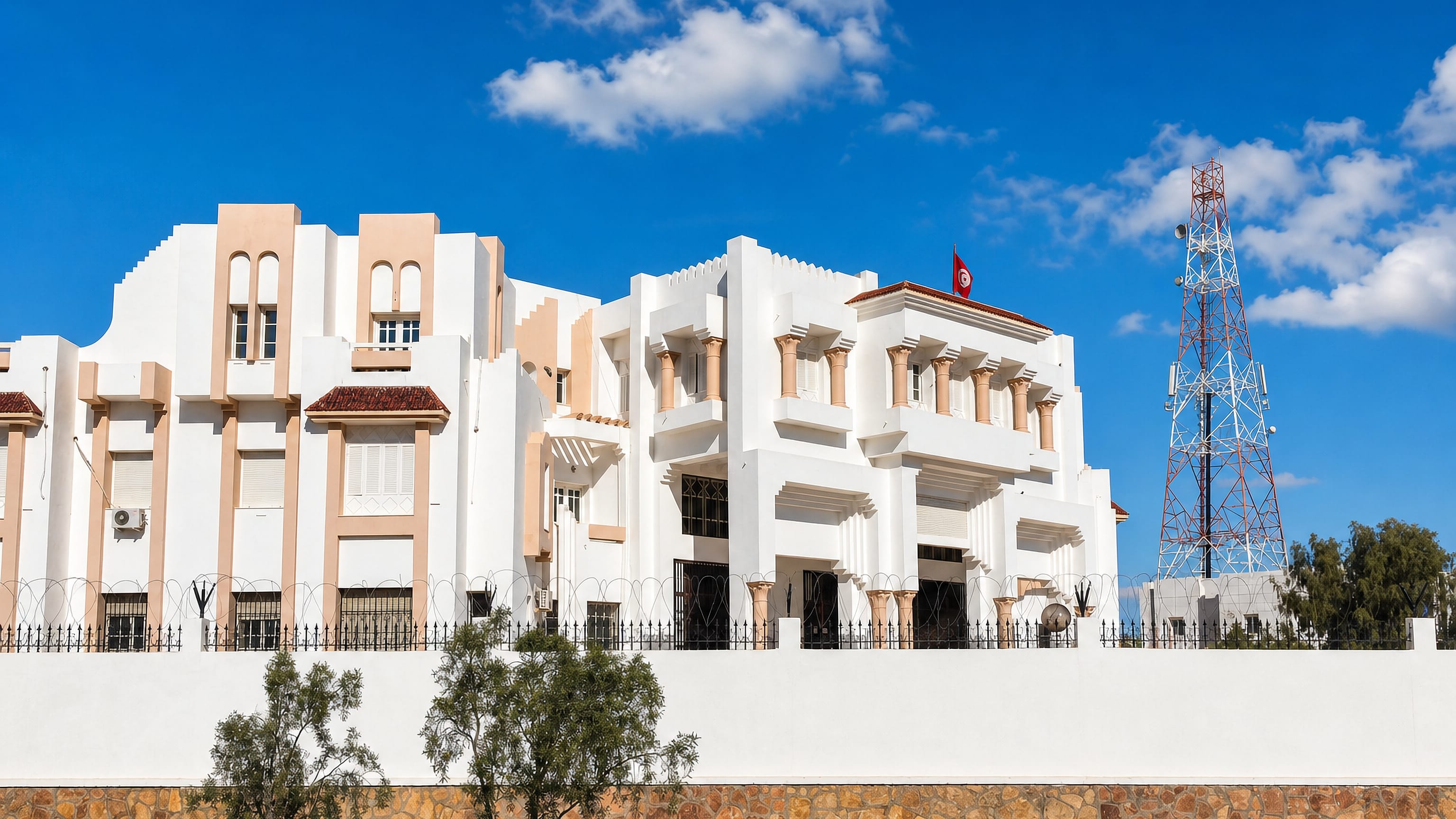
Tunisia · Tataouine
Where to Stay in Tataouine
Tataouine is a desert town of the far south of Tunisia, a market on the edge of the Sahara among hills of fortified Berber granaries.
Hotel links are affiliate links: booking through them may earn us a commission, at no extra cost to you. It never affects how places are ranked. How this works


Where to stay in Tataouine
Where visitors usually base themselves, and why.
Where you stay in Tataouine turns on the town or the ksour. The streets around the centre keep the market, the shops, and the bus yard within a walk, and staying downtown suits anyone here for the desert town. The market fills at dawn.
Trucks head for the dunes. Out among the hills and the granaries, the town gives way to the ksour, the cliff villages, and the open desert. A room in the hills trades the streets for the old granaries, the Berber villages, and the silence of the sands.
The desert runs wide and still. Stay downtown for the market, or in the hills for the ksour. The town lies a short way down.
Find hotels in Tataouine
Direct booking searches for these neighbourhoods.
The town
Around the centreFind hotels in The townStays wanting the granaries and Berber villagesThe ksour hills
Up among the cragsFind hotels in The ksour hillsHotel links are affiliate links: booking through them may earn us a commission, at no extra cost to you. It never affects how places are ranked. How this works
About Tataouine
Tataouine is the ksar town of the Tunisian south.
What is Tataouine known for?
On the dry edge of the Sahara in the far south of Tunisia, it is known for the ksour, the old fortified granaries of the Berbers, and it keeps the honeycomb vaults of the ksour in the hills around, the cliff villages of Chenini and Douiret nearby, a desert market of the Berber south, and a name that travelled far to a desert world on the screen. The bare hills stand red. The desert runs to the south.
What are the main landmarks in Tataouine?
The ksour are the wonder of Tataouine. The old fortified granaries, their vaulted cells stacked in tiers of mud and stone across the hills, stand empty now above the plain, the emblem of the south, on the crags. Cliff villages cling nearby.
The Berber towns of Chenini and Douiret hang on their ridges close by, while the desert market, the ghorfa stores, and the dry wadis mark the country around Tataouine.
What is the history of Tataouine?
The hills held the Berbers before the town. Long before Tataouine was built, the Berber tribes of these hills stored their grain in ksour, clusters of vaulted mud cells stacked like honeycombs on the crags, and defended them against raiders of the desert. The granaries held their wealth.
In villages like Chenini and Douiret the people cut their homes into the rock and raised their granaries above, living off olives and dates and flocks in a hard dry land. The French made the market town. In their day a garrison and a small town rose on the plain below the hills, and Tataouine grew as the market and seat of the south, so far off that its name became a byword for the ends of the earth.
The name went farther still. It travelled to the screen as a desert world in a famous film, and travellers now come to see the ksour and the cliff villages, so that Tataouine lives by its market and its granaries. The old ksour still crown the hills.
Tataouine keeps its granaries and its Berber hills on the edge of the Sahara.
Where is Tataouine?
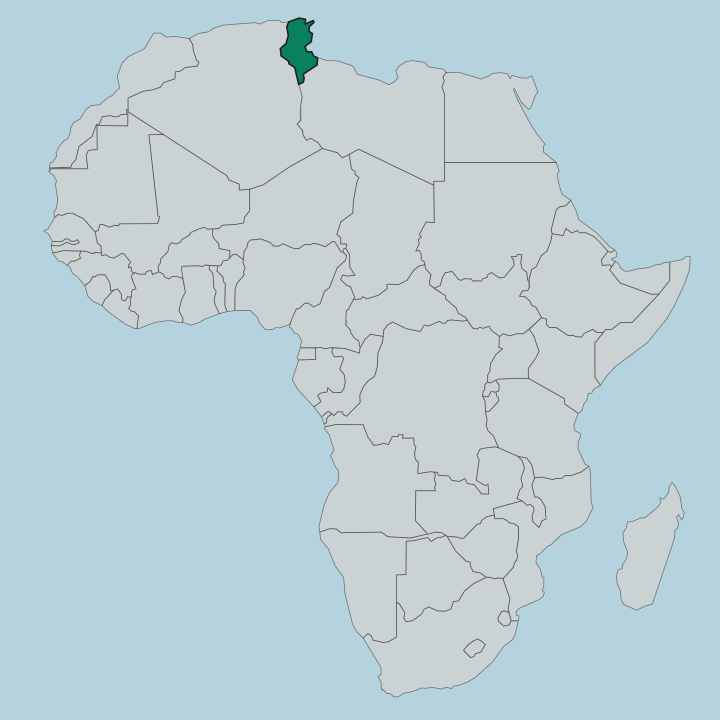
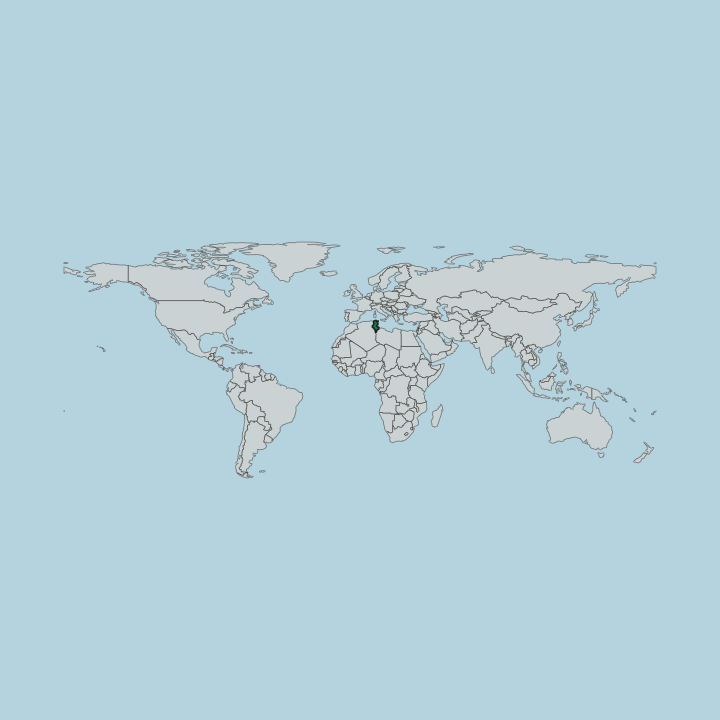
Tataouine lies in the far south of Tunisia, on the dry Dahar upland above the Sahara. The town sits in a bowl of bare hills of rock and sand, where wadis cut down from the plateau and Berber villages cling to the crags, with the great desert opening to the south and east. Red hills ring the town.
The sands run flat beyond.
What is the climate of Tataouine?
Tataouine has a hot, dry desert climate. Blazing summers and mild winters hold on the desert edge, with fierce heat and dust in the long summer and cold nights in winter. The summer sun burns down.
Winter nights turn sharp and cold.
How do you get to Tataouine?
Tataouine sits in the far south of Tunisia, at the edge of the desert. Roads and buses run to it over the steppe from Medenine and Gabès, and tracks lead on to the ksour and the dunes. Jeeps cross the sands.
Medenine lies north up the road.
Common questions
What is the best area to stay in Tataouine?
The town: Visitors here for the market and desert. The ksour hills: Stays wanting the granaries and Berber villages.
Updated September 2026