Turkey · Muğla
Where to Stay in Fethiye, Muğla
Fethiye is a Mediterranean resort town in Lycia, southwestern Turkey, built on ancient Telmessos and famous for its Lycian rock tombs.
Hotel links are affiliate links: booking through them may earn us a commission, at no extra cost to you. It never affects how places are ranked. How this works


Where to stay in Fethiye
Where the beds are, and what that means for the visit.
Where you stay in Fethiye splits between the town and the beach. The harbour centre, below the Tomb of Amyntas and near the Fethiye Museum, puts the marina, the market, and the old ruins within a walk, and it suits anyone who wants the town rather than a pure resort. Evenings fill the quayside.
Rooms sit close to the boats and the market lanes. The long beachfront is the other draw. Out along the bay, the resort lanes trade the harbour for sand, sea, and easy swimming, with the green islands on the horizon and boat trips leaving from the shore.
Mornings open onto the water. If you want the ruins and the marina, stay in the town; if you want the beach, base yourself along the bay. Either way, the Lycian coast is at the door.
Find hotels in Fethiye
Direct booking searches for these neighbourhoods.
Harbour town
Below the Tomb of Amyntas near the Fethiye Museum, by the marina and the market lanes of the townFind hotels in Harbour townBeach stays wanting sand, swimming, and boat tripsThe beachfront
Along the bay with sea swimming and boats to the islands, away from the harbour crowdsFind hotels in The beachfrontHotel links are affiliate links: booking through them may earn us a commission, at no extra cost to you. It never affects how places are ranked. How this works
Things to do in Fethiye
Ranked by global recognition; descriptions from Wikidata (CC0).
Museums & Galleries
1- Fethiye Museum
Churches & Religious Sites
3- Church of the Panaghia Pirgiotissa
- Karacaören Church
- Taxiarchs Church (Fethiye)
Castles & Historic Sites
3- Kaunos Heritage
- Letoon Heritage
- Tomb of Amyntas
Nature & Outdoors
2- Yassıca Island Heritage
- Şeytan Island Heritage
worth knowingacross 4 categories in Fethiye
About Fethiye
Fethiye lives between ruins and the sea.
What is Fethiye known for?
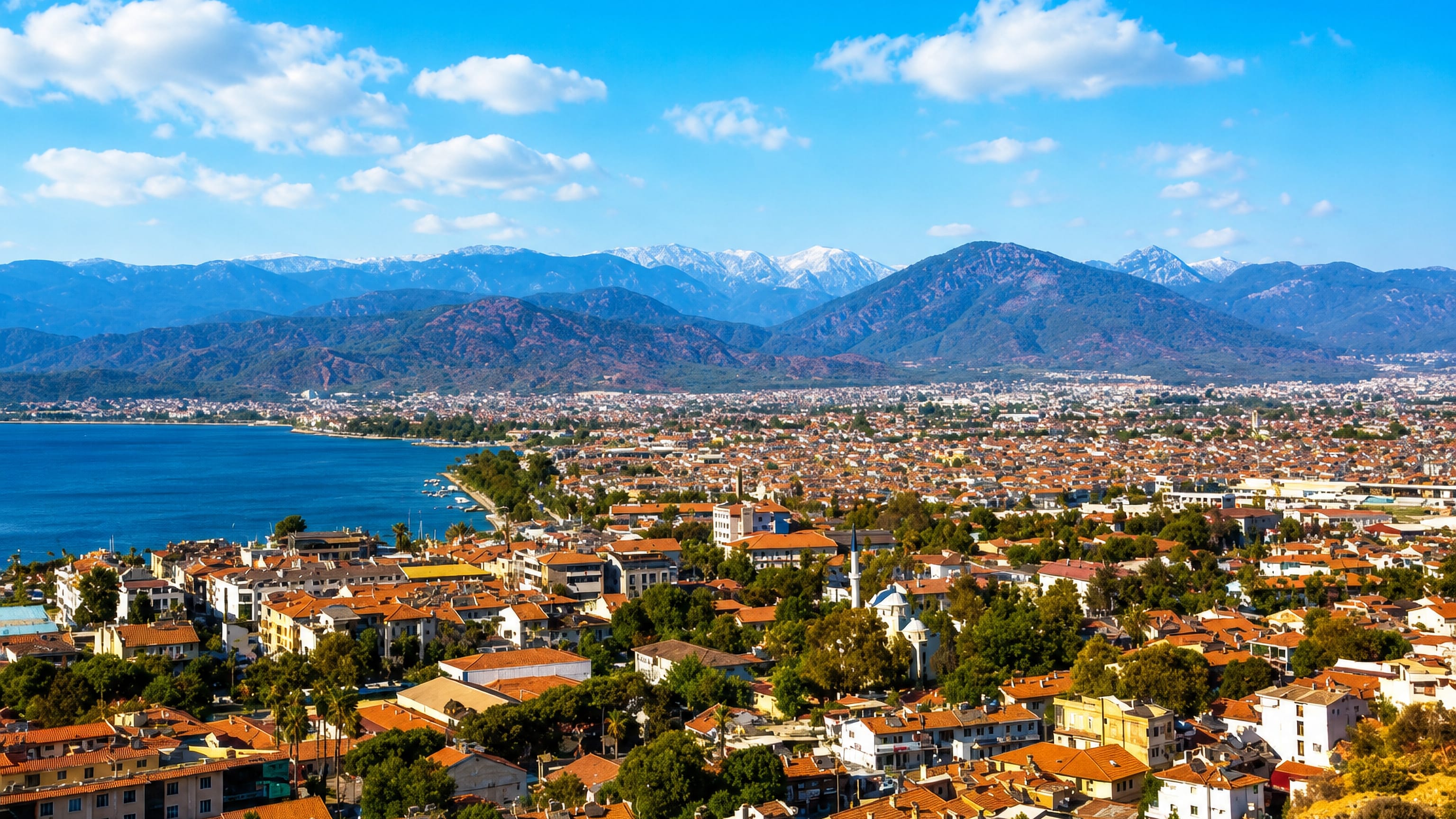
A resort on the Turquoise Coast of southwestern Turkey, the town rose on the site of ancient Telmessos, whose Lycian rock tombs still stare down from the cliffs above the harbour, and its bay scatters into a maze of green islands. The Tomb of Amyntas crowns the hill. Boats fill the water below.
What are the main landmarks in Fethiye?
The Lycian tombs are Fethiye's signature. The Tomb of Amyntas cuts a temple front into the cliff above the town, the finest of the rock-cut graves of ancient Telmessos, and the Fethiye Museum holds the smaller finds below. Ruined cities lie all around.
Letoon, Tlos, Pinara, and Kaunos scatter through the hills, while boats run out to Gemiler Island and the green islets of the bay.
What is the history of Fethiye?
Fethiye stands on very old ground. The town grew over ancient Telmessos, a Lycian city of the classical age, and the great rock-cut tombs of that people still hang on the cliff above the modern streets. The Tomb of Amyntas is the grandest, its temple front carved straight into the stone.
Lycia's ruined cities ring the town on every side. Traders and sailors have worked this coast since before the Greeks named it. Letoon and Tlos, Pinara and Kadyanda lie scattered through the hills nearby, and Kaunos guards a river mouth down the coast, each a stone record of the old kingdom.
The Fethiye Museum gathers the finds from all of them. Greeks lived here for centuries too, and churches like the Panaghia Pirgiotissa and the ruins on Gemiler Island mark a community that left in the great exchange of peoples. Byzantine chapels still crown the island, half-lost among the pines.
The coast is earthquake country, and the town has been shaken and rebuilt more than once. Ancient stone and modern harbour share the same shore.
Where is Fethiye?
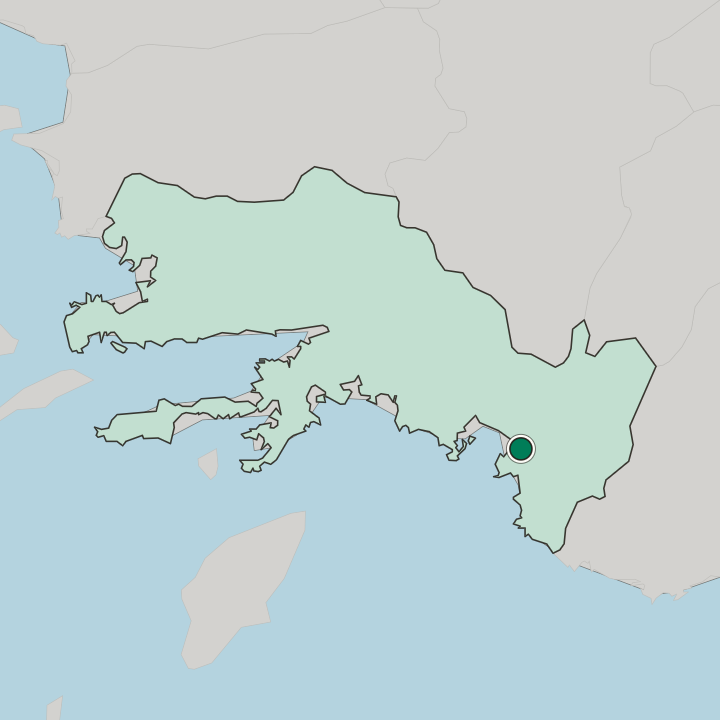
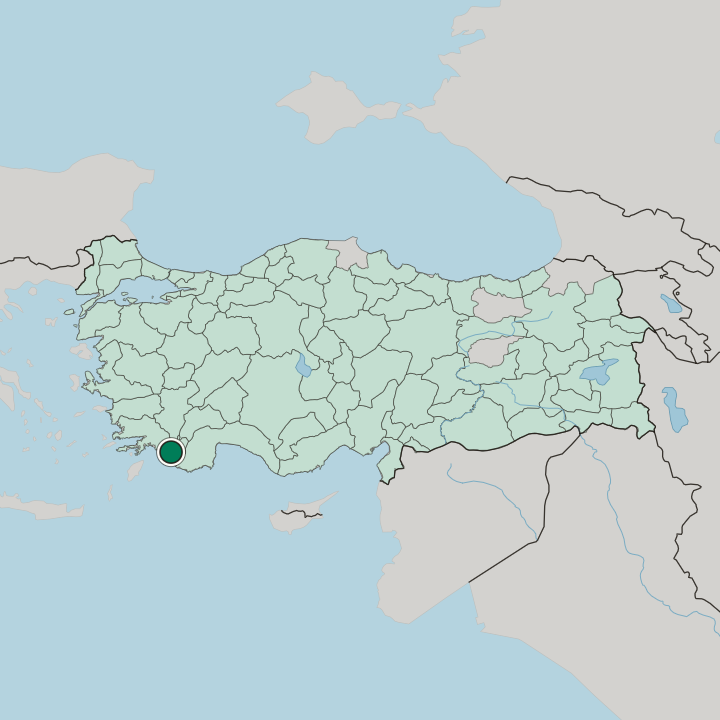
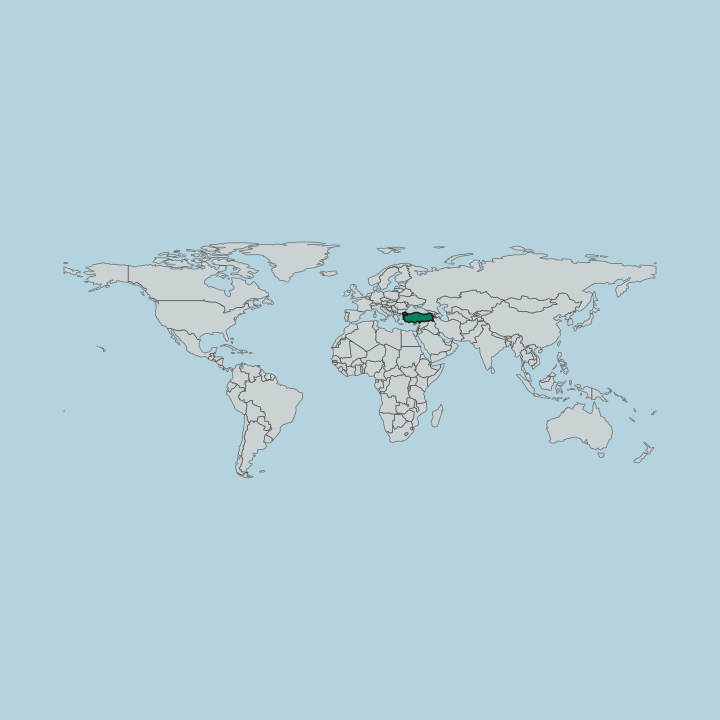
Fethiye curves around a sheltered bay. The town sits on the Mediterranean coast of southwestern Turkey, where steep pine-clad mountains drop almost to the water and a scatter of islands closes the mouth of the gulf. Cliffs rise straight behind the harbour.
The sea and the ridges pin the town to the shore.
What is the climate of Fethiye?
Fethiye basks in a Mediterranean climate. Long hot summers with clear skies draw the resort crowds, and the winters stay mild and wet, greening the hills before the heat returns. Rain falls mostly in the cooler months.
The sea keeps the frost away.
How do you get to Fethiye?
Most reach Fethiye by road along the coast. The town lies on the highway that threads Turkey's southwestern shore, a few hours from the nearest airports at either end, and boats work the bay and the islands from its harbour. Buses run in from the resort strip.
Many arrive by sea, on the gulets that cruise the Turquoise Coast.
Common questions
What is the best area to stay in Fethiye?
Harbour town: Travellers wanting the ruins, marina, and market over a pure resort. The beachfront: Beach stays wanting sand, swimming, and boat trips.
Good for
Another city in Muğla
Updated September 2026