
Turkey · Niğde
Where to Stay in Niğde
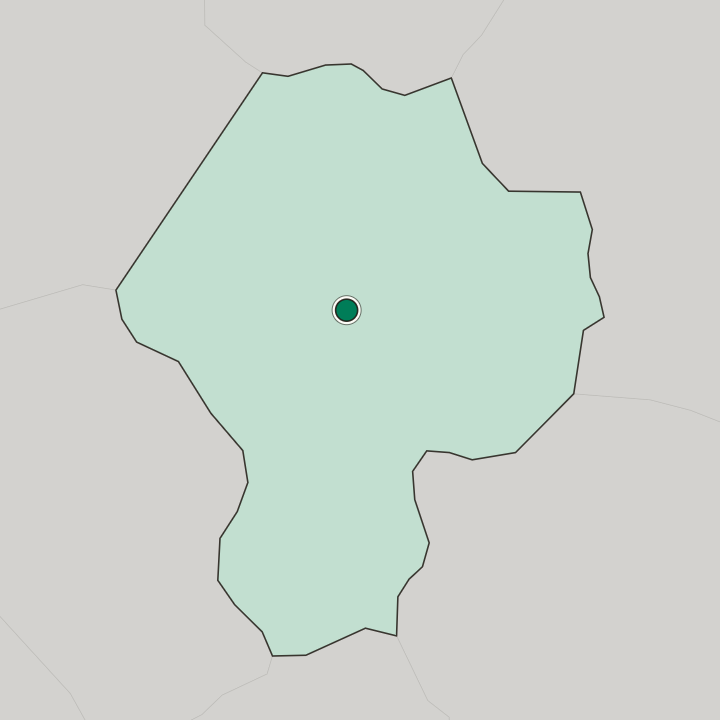
Niğde stands high in Central Anatolia, seat of Niğde Province, with a castle above the old streets and the Tepebağları mound at the town's edge.
Hotel links are affiliate links: booking through them may earn us a commission, at no extra cost to you. It never affects how places are ranked. How this works


Where to stay in Niğde
How the choice of base plays out on the ground.
Niğde Castle fixes the choice. Rooms in the streets beneath the castle put the Niğde Archaeological Museum, the market and the old core within a few minutes of one another, which is the arrangement most visitors want in a provincial seat of this size. Walking is the point.
The Tepebağları mound sits at the town's edge rather than in its middle, so a central bed still reaches it without a car. Older houses stand apart. Yeşilburç Caddesi and Karahafız Sokak carry the mansions and konaks that the record lists one by one, and a room on that side trades the museum's doorstep for quieter frontages of cut stone.
Churches decide some trips. Hamamlı Church, the Aziz İoannes Prodromos Kilisesi and the Kumluca Rum Kilisesi stand apart from one another in the fabric of Niğde rather than in a single quarter, so a central room with short drives out beats any one position. Height shows in the evenings.
Air off the interior of Central Anatolia cools quickly once the sun drops, and the castle walls above the streets hold the last of the light while the town below has already gone into shadow. Niğde Province keeps far fewer rooms than its seat.
Find hotels in Niğde
Direct booking searches for these neighbourhoods.
Beneath Niğde Castle
The castle rises directly over the old core, with the Niğde Archaeological Museum and the market inside the same few streetsFind hotels in Beneath Niğde CastleStays among the listed konaks and cut-stone mansions of NiğdeYeşilburç Caddesi and Karahafız Sokak
The Yeşilburç Mansion and the Cullaz Evleri houses stand along Yeşilburç Caddesi and Karahafız Sokak, away from the museum quarter. Rooms are few around here — worth securing early.Find hotels in Yeşilburç Caddesi and Karahafız SokakRoad arrivals wanting the town edge rather than its middleToward the Tepebağları mound
The Tepebağları mound marks where the built-up streets of Niğde give out onto the open ground of Niğde District. Rooms are few around here — worth securing early.Find hotels in Toward the Tepebağları moundTrips built on the recorded historic monuments of the provincial seatAmong Niğde’nin Tarihi Anıtları
Niğde’nin Tarihi Anıtları gathers the town's listed monuments, which lie scattered through the streets instead of in one quarterFind hotels in Among Niğde’nin Tarihi AnıtlarıHotel links are affiliate links: booking through them may earn us a commission, at no extra cost to you. It never affects how places are ranked. How this works
Things to do in Niğde
Ranked by global recognition; descriptions from Wikidata (CC0).
Museums & Galleries
1- Niğde Archaeological Museum
Churches & Religious Sites
3- Aziz İoannes Prodromos Kilisesi
- Hamamlı Church
- Kumluca Rum Kilisesi
Castles & Historic Sites
3- Niğde Castle
- Tepebağları mound
- Niğde’nin Tarihi Anıtları
Landmarks & Notable Places
3- Cullaz Evleri No:12, Niğde
- Cullaz Evleri No:14, Niğde
- Cullaz Evleri No:16, Niğde
worth knowingacross 4 categories in Niğde
About Niğde
The castle sets the skyline.
What is Niğde known for?
Niğde Castle stands over the streets of the provincial seat, and the Niğde Archaeological Museum keeps the finds that the surrounding country of Niğde Province has given up. Stone churches survive here. Hamamlı Church, the Aziz İoannes Prodromos Kilisesi and the Kumluca Rum Kilisesi remain among the older religious buildings, while the Tepebağları mound marks occupation older than any of them.
What are the main landmarks in Niğde?
Four kinds of building carry the town. Niğde Castle and the Tepebağları mound hold the oldest ground, the Niğde Archaeological Museum holds what has been dug from it, and Hamamlı Church, the Aziz İoannes Prodromos Kilisesi and the Kumluca Rum Kilisesi stand for the churches. Houses count too.
The Yeşilburç Mansion, the Niğde Yeşilburç Caddesi Mansion and the Cullaz Evleri along Karahafız Sokak are listed individually within Niğde'nin Tarihi Anıtları.
What is the history of Niğde?
The mound came before the town. Tepebağları mound records people living on this ground in Central Anatolia long before the streets that now run past it, following the pattern of accumulated settlement that the interior of Turkey shows wherever a site was worth reoccupying. Niğde Castle followed on the rock.
The fortification above the houses is the oldest standing work the record fixes here, and its position accounts for why the settlement gathered under it rather than out on the flat. Church building left the next layer. Hamamlı Church, the Aziz İoannes Prodromos Kilisesi and the Kumluca Rum Kilisesi survive among the monuments gathered under Niğde'nin Tarihi Anıtları, each one a stone survival from a congregation the town no longer holds.
Domestic architecture came later still. The Yeşilburç Mansion, the Yeşilburç Caddesi Mansion and the Cullaz Evleri on Karahafız Sokak are each listed in their own right, which is a measure of how much of the old street fabric came through intact. Administration completed it.
Niğde ended up the seat of Niğde Province and of Niğde District together, and the Niğde Archaeological Museum now keeps what the country around the city has yielded, which puts the mound, the castle and the excavated material inside a single walk of one another.
Where is Niğde?
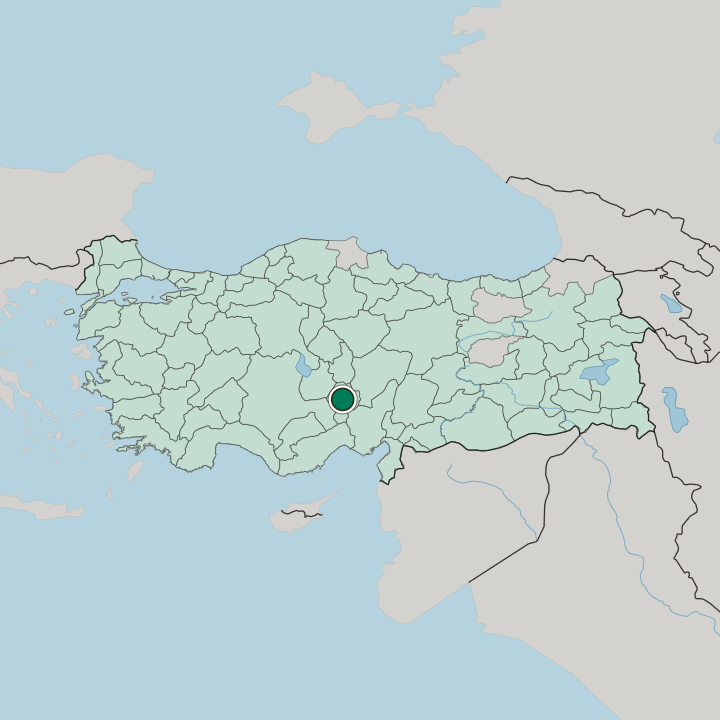
Height defines the site. Niğde sits well above sea level in the interior of Central Anatolia, out of reach of any coast, with the open country of Niğde Province running away from the built-up ground on every side. Tepebağları mound marks one edge.
Niğde District takes in the immediate surroundings, and the rock carrying Niğde Castle is the only relief that rises inside the town itself.
What is the climate of Niğde?
Altitude runs the year. The town's high position in Central Anatolia, with no sea near enough to soften anything, opens a wide gap between the warmth of the high months and the cold that settles over the interior in the low ones. Nights cool fast.
That daily swing is the plainest effect of the elevation Niğde is recorded at, and it holds across the whole temperate band that Niğde Province occupies.
How do you get to Niğde?
Roads cross the interior. Approaches run overland through Central Anatolia, and Niğde takes that traffic because the city is the seat of Niğde Province and of Niğde District alike. The castle appears first.
Arrivals reach the town at height, and the Niğde Archaeological Museum sits among the old streets under the rock that Niğde Castle occupies.
Common questions
What is the best area to stay in Niğde?
Beneath Niğde Castle: First visits taking Niğde Castle and the Archaeological Museum on foot. Yeşilburç Caddesi and Karahafız Sokak: Stays among the listed konaks and cut-stone mansions of Niğde. Toward the Tepebağları mound: Road arrivals wanting the town edge rather than its middle. Among Niğde’nin Tarihi Anıtları: Trips built on the recorded historic monuments of the provincial seat.
Good for
Updated September 2026