Tanzania · Dar es Salaam Region
Where to Stay in Dar es Salaam, Dar es Salaam Region
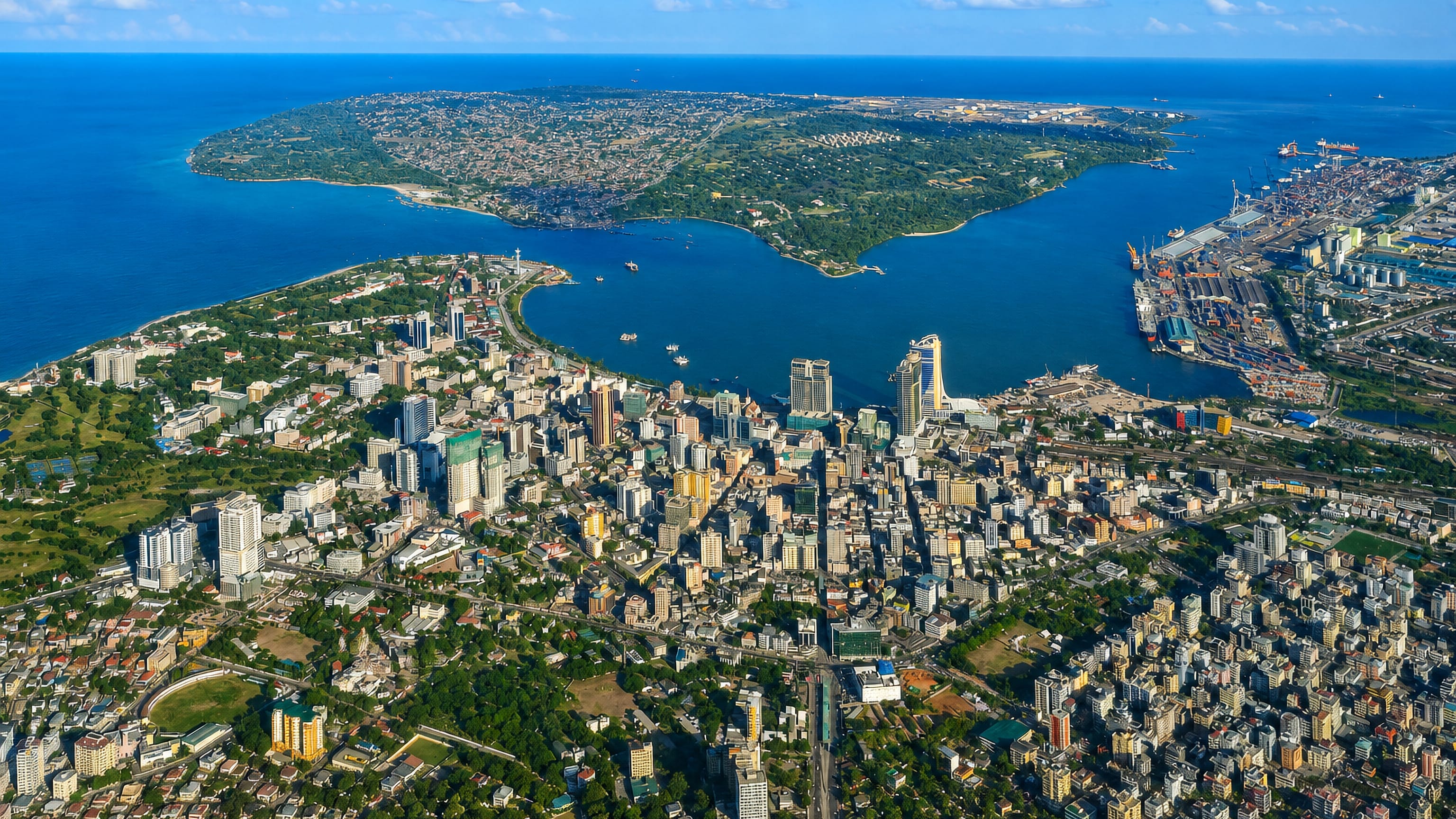
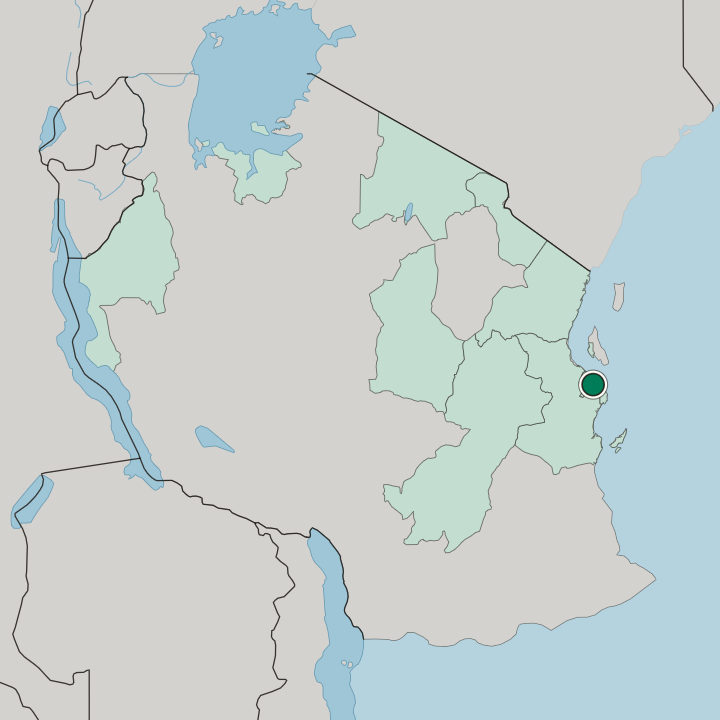
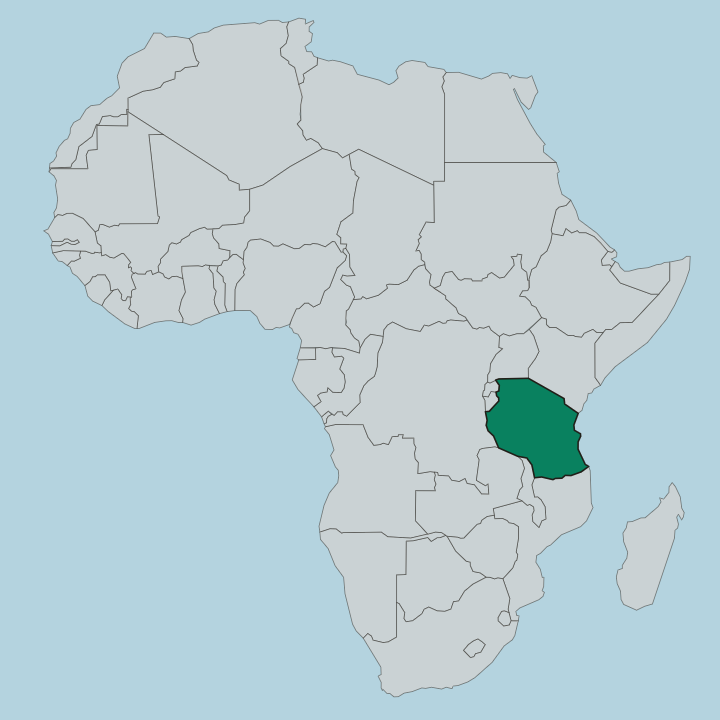
Warm salt air drifts off the Swahili coast at Dar es Salaam, the financial hub of Tanzania and capital of the Dar es Salaam Region.
Hotel links are affiliate links: booking through them may earn us a commission, at no extra cost to you. It never affects how places are ranked. How this works


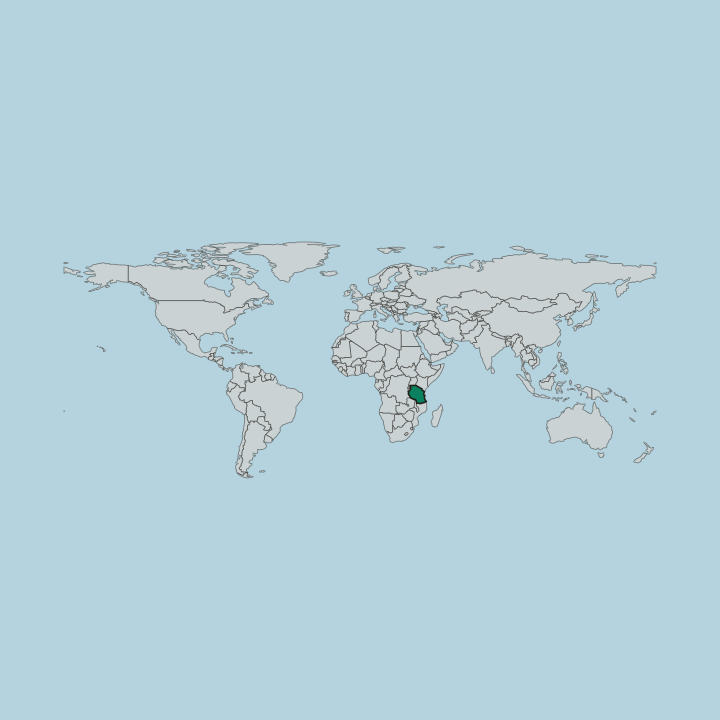
Where to stay in Dar es Salaam
One neighbourhood here has its own guide — here's what it is best for.

 Dar es SalaamTanzania
Kariakoo
Kariakoo is the market ward of Dar es Salaam in Tanzania, its stalls covering several city blocks, with the Uhuru Monument on its ground.Where to stay →Hotel links are affiliate links: booking through them may earn us a commission, at no extra cost to you. It never affects how places are ranked. How this works
Find hotels in Dar es Salaam
Direct booking searches for these neighbourhoods.
Askari Monument core
The old centre wraps the Askari Monument, the ferry jetty, and the National Museum of Tanzania into one walkable harbour block.Find hotels in Askari Monument coreSlower culture-led stays near the founding sitesNyerere memorial quarter
Residential calm around the Mwalimu Nyerere Memorial House trades port noise for the memory ground of Tanzania's founding.Find hotels in Nyerere memorial quarterGrassland-edge base at the open-air museumMakumbusho village edge
The ground by the Makumbusho Village Museum sets you among reconstructed homesteads on the city's inland grassland fringe.Find hotels in Makumbusho village edgeHotel links are affiliate links: booking through them may earn us a commission, at no extra cost to you. It never affects how places are ranked. How this works
About Dar es Salaam
What is Dar es Salaam known for?
Dar es Salaam is known as the financial hub of Tanzania and a working harbour on the Swahili coast, grown from the fishing village of Mzizima into the country's principal port. The harbour sets the tone. Its civic set piece is the bronze Askari Monument.
Nearby, the National Museum of Tanzania holds the country's collected record of past and craft, while the Uhuru Monument stands for the memory of independence in stone.
What are the main landmarks in Dar es Salaam?
The main landmarks of Dar es Salaam gather memory and craft along the Swahili coast. Start at the harbour. The Askari Monument stands at the old centre, a bronze figure facing the water, and the National Museum of Tanzania holds nearby the country's collected record of past and making.
Two sites keep the founding story: the Uhuru Monument marks independence, and the Mwalimu Nyerere Memorial House preserves the home tied to the nation's founding. At the Makumbusho Village Museum, reconstructed homesteads show how the wider country built and lived.
What is the history of Dar es Salaam?
Dar es Salaam was founded in 1862 by Sultan Seyyid Majid of Zanzibar, on the site of the village of Mzizima. The choice of that harbour set everything after. Long before the sultan came, the Barawa people had settled and cultivated the coast around Mbwa Maji, Magogoni, Mjimwema, Gezaulole, and Kibonde Maji Mbagara.
That older pattern of fishing hamlets shaped the ground the port later filled. From a small harbour on the Swahili coast, the settlement rose into the principal city of Tanzania and the seat of the Dar es Salaam Region. Its civic monuments trace that arc.
The bronze Askari Monument marks the old centre, and the Uhuru Monument stands for the coming of independence. The Mwalimu Nyerere Memorial House preserves the home tied to the founding of the modern nation, binding the city's growth to the wider story of the country around it.
Where is Dar es Salaam?
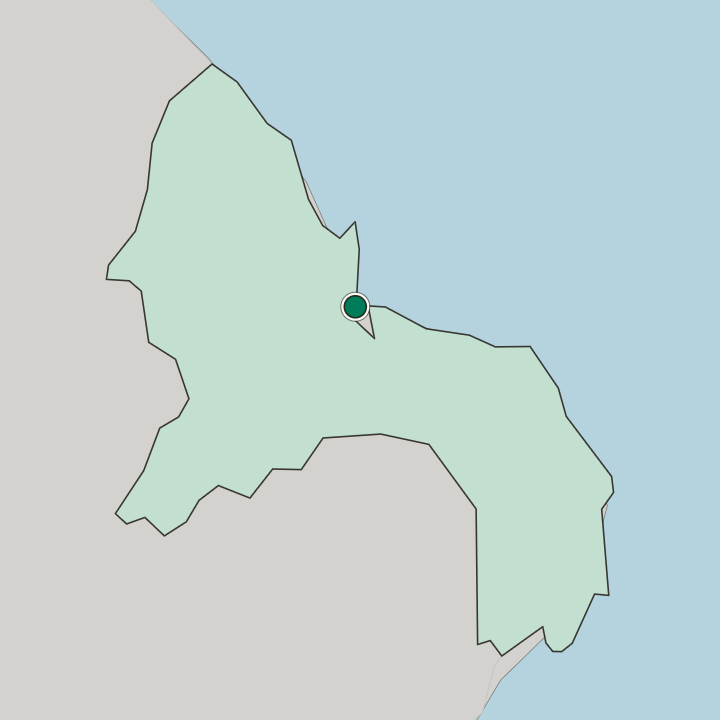
Dar es Salaam sits on the Swahili coast, the tropical shore of the Dar es Salaam Region. The land is low and warm. Around the old village ground of Mzizima, a natural harbour curls in from the sea and fishing coves such as Mbwa Maji and Gezaulole break the shoreline into inlets and creeks.
Inland, the built city thins toward open grassland near the Makumbusho Village Museum. This coastal setting, low and harbour-cut, has anchored the place since Mzizima's fishing days.
What is the climate of Dar es Salaam?
Dar es Salaam holds a tropical climate, warm and humid the year round on the Swahili coast. Heat over Dar es Salaam holds steady. Long rains soak the coast in one stretch of the year, and a shorter wet spell follows, with drier, breezy months set between the two.
Sea air moderates the worst of the heat around the harbour, so evenings near the old core by the Askari Monument stay softer than the inland grassland toward the Makumbusho Village Museum. The seasons here read as wet and dry rather than hot and cold.
How do you get to Dar es Salaam?
Dar es Salaam is the main entry point for the Tanzanian coast, reached by air, road, and water. Most visitors arrive by plane. Flights land at the city's international airport inland of the harbour, and roads run down from there into the old core near the Askari Monument and the National Museum of Tanzania.
The harbour itself carries ferries and coastal traffic, tying the Dar es Salaam Region to the wider Swahili coast. Rail lines strike west from the port toward the interior of Tanzania.
Common questions
What is the best area to stay in Dar es Salaam?
Askari Monument core: First-time harbourside stays by the Askari Monument. Nyerere memorial quarter: Slower culture-led stays near the founding sites. Makumbusho village edge: Grassland-edge base at the open-air museum.
Good for
Updated September 2026