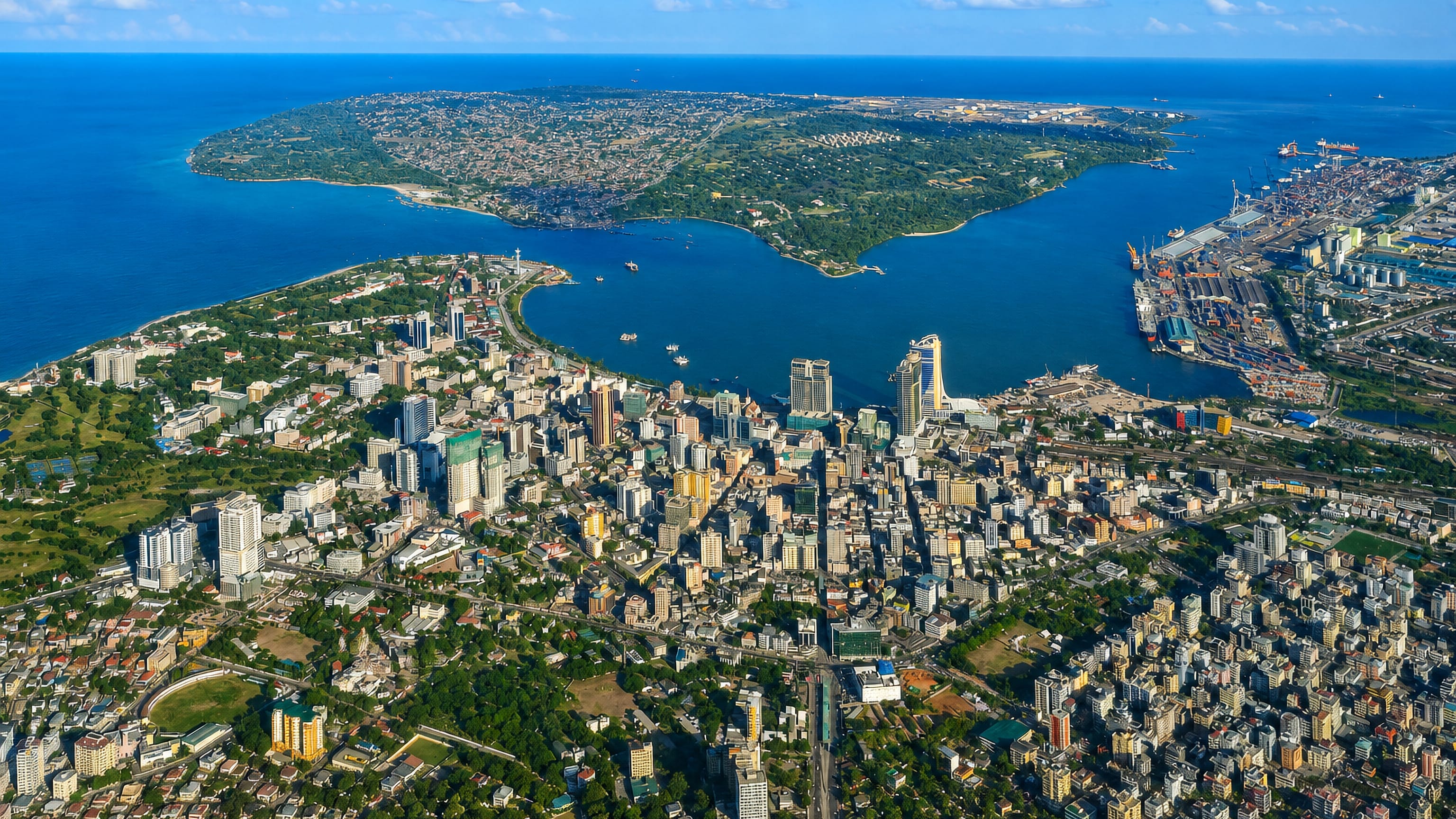
Tanzania: Regions, Cities & Travel Guide
The United Republic of Tanzania spans East Africa from the Serengeti plains to Zanzibar, with Dodoma as its capital.
Hotel links are affiliate links: booking through them may earn us a commission, at no extra cost to you. It never affects how places are ranked. How this works


Top destinations in Tanzania
Cities to start from, then drill into areas and hotels.
 Tanzania
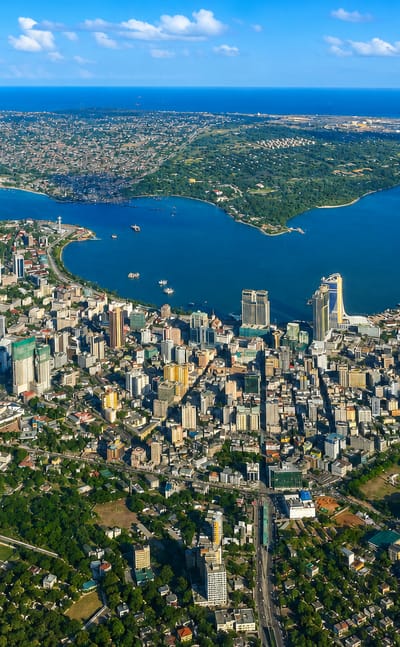
Dar es Salaam
Warm salt air drifts off the Swahili coast at Dar es Salaam, the financial hub of Tanzania and capital of the Dar es Salaam Region.Where to stay →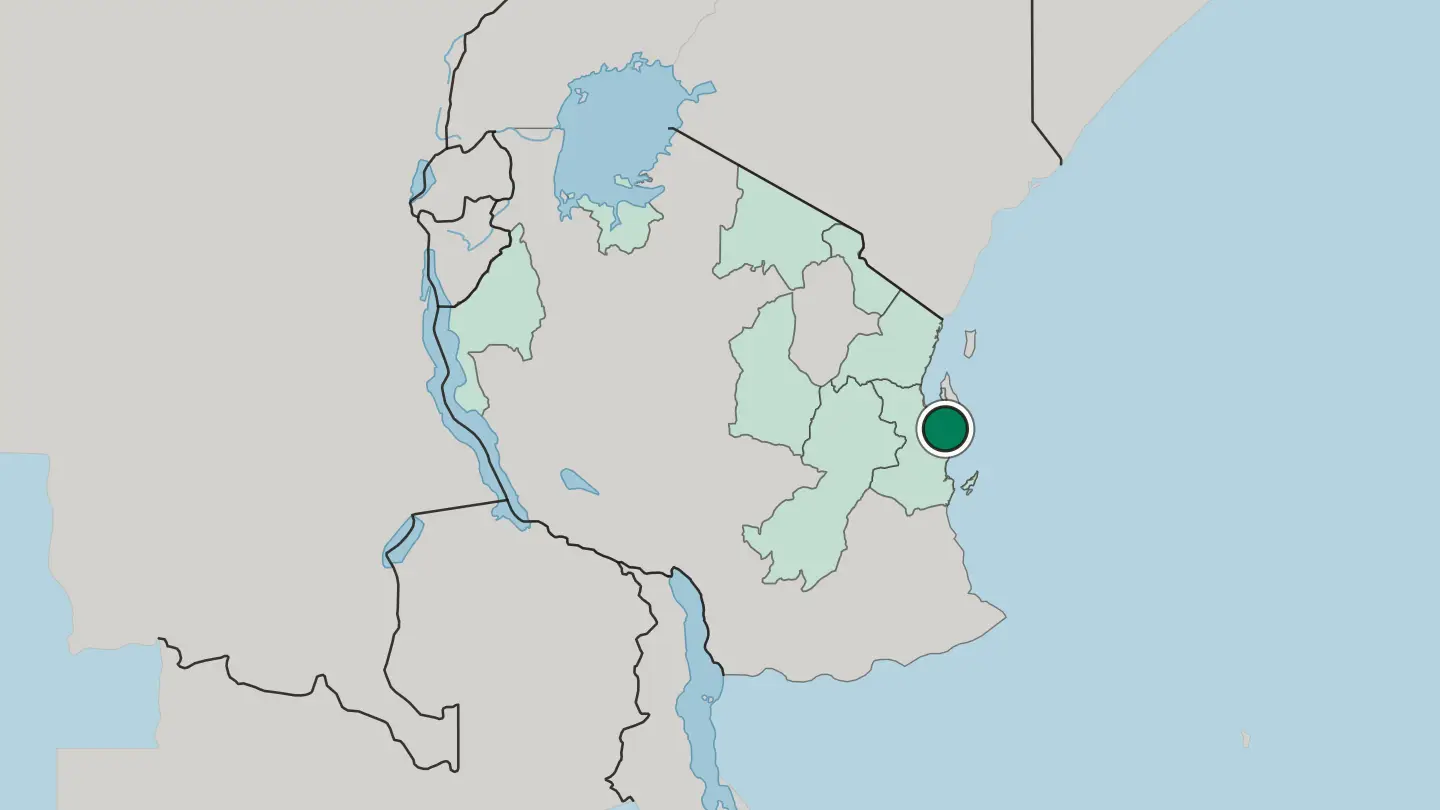
 Tanzania
Zanzibar
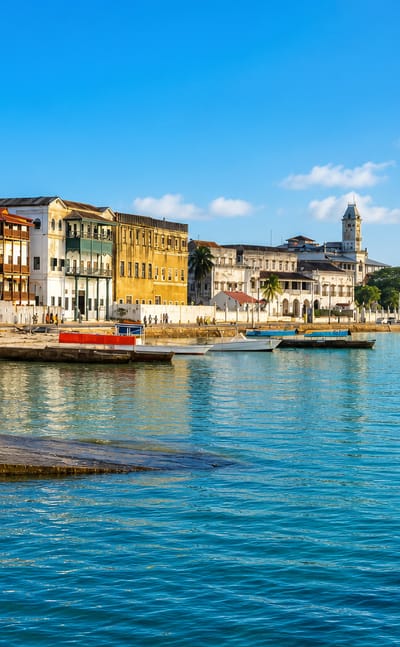
Old stone houses crowd Stone Town in Zanzibar City, a port on Unguja Island off the coast of Tanzania, known for its Swahili heritage.Where to stay →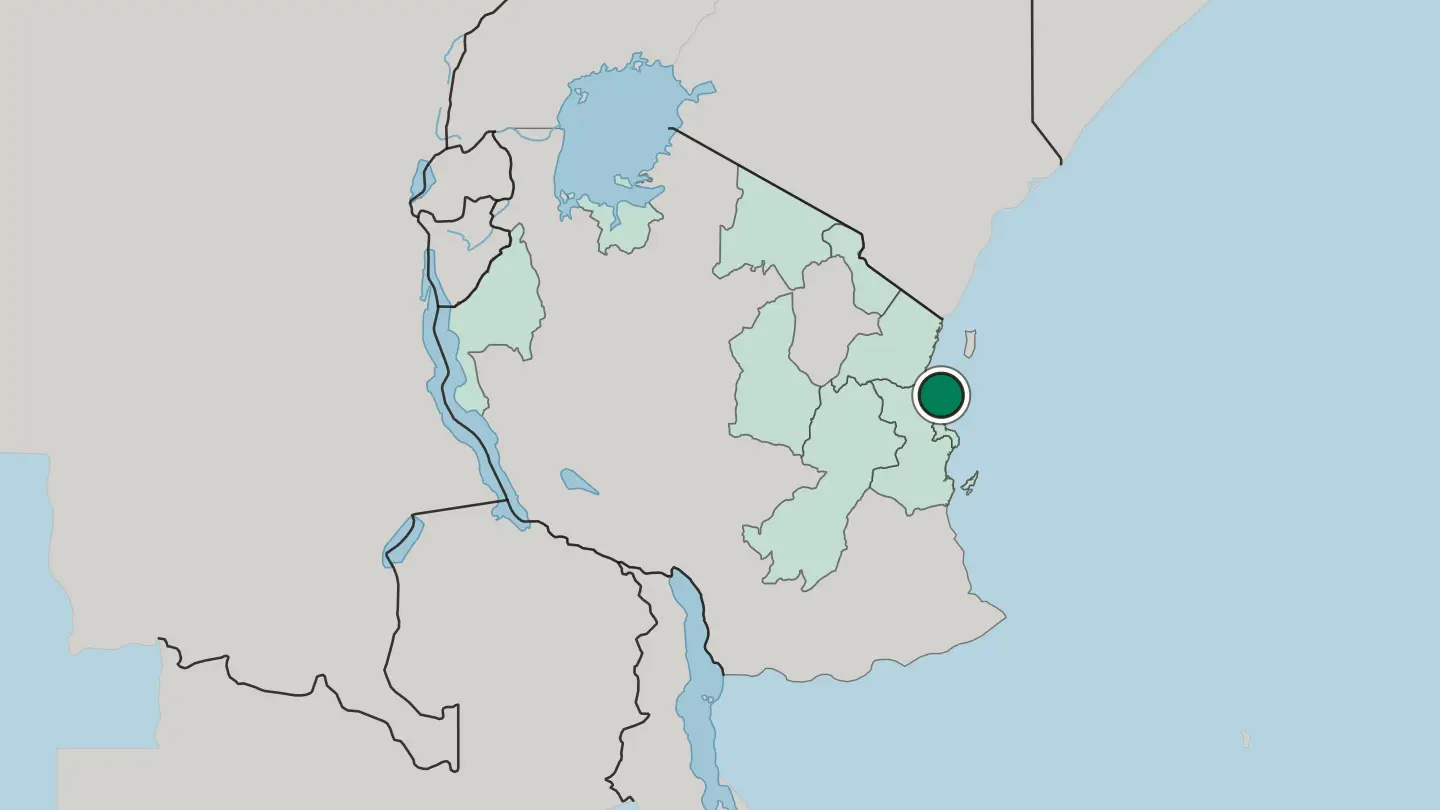
 Tanzania
Dodoma
Dodoma is the capital of Tanzania, a city on the country's dry central plateau, the seat of its government and the heart of its wine country.Where to stay →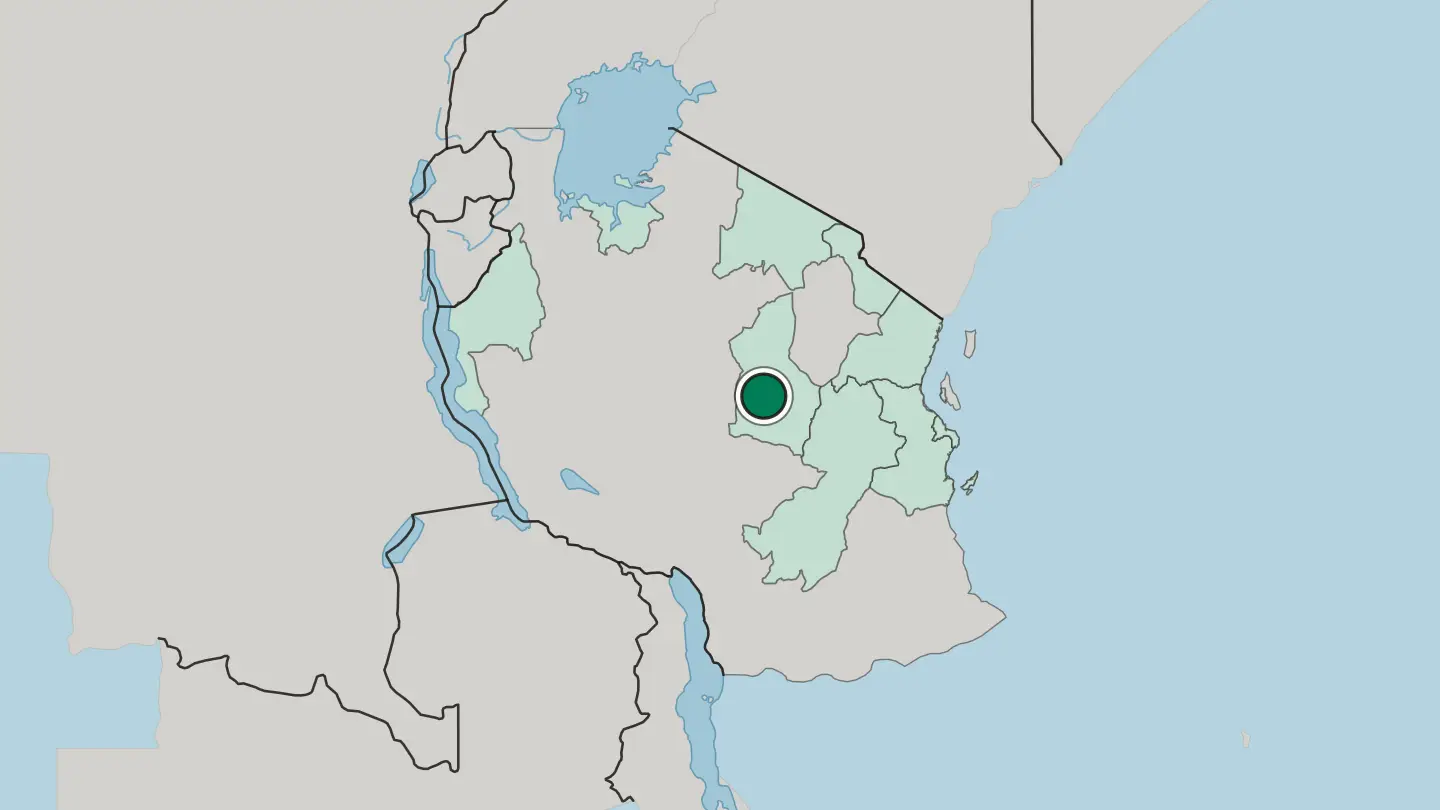
 Tanzania
Arusha
Arusha is a city of northern Tanzania below the volcano of Mount Meru, the safari capital where journeys to the Serengeti and Kilimanjaro begin.Where to stay →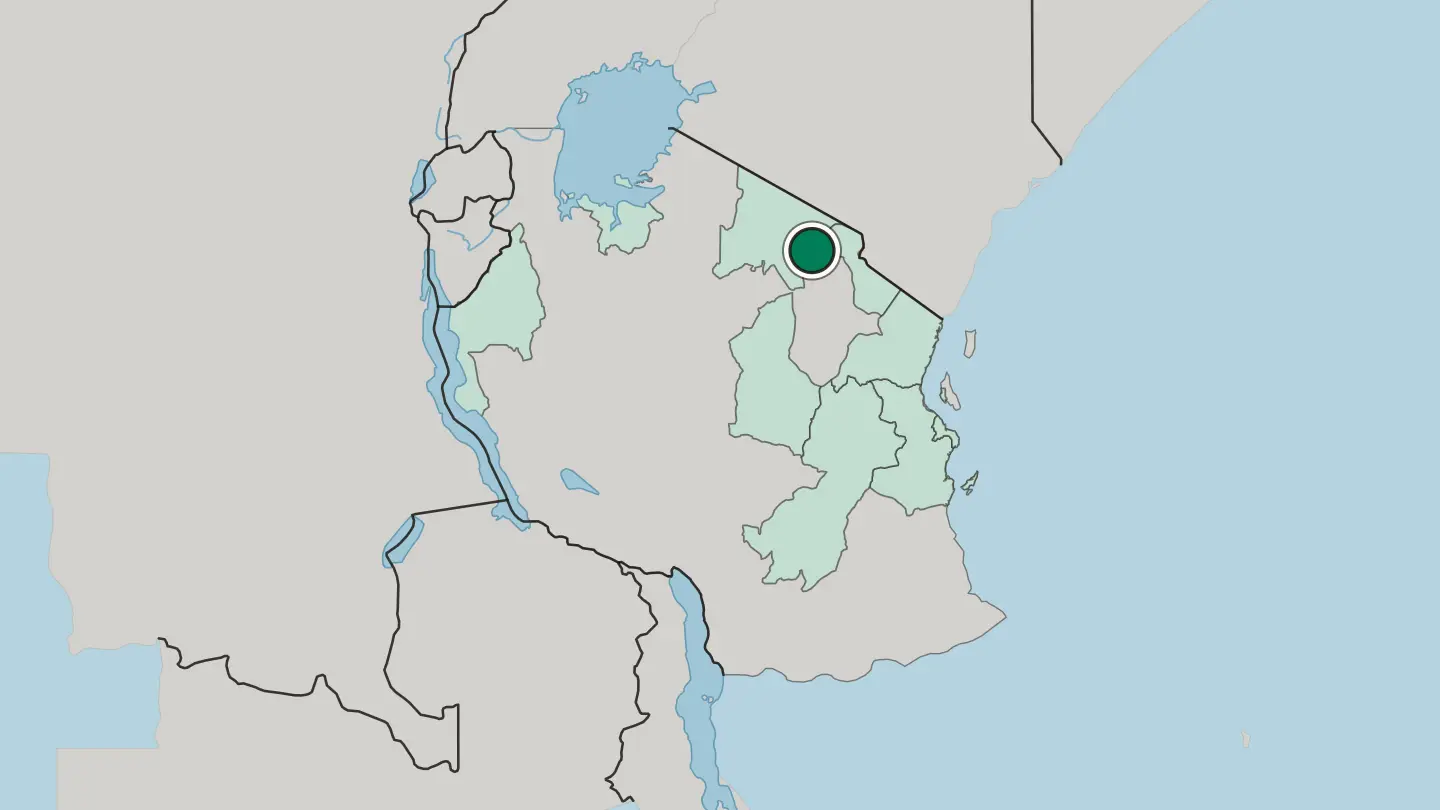
 Tanzania
Moshi
Moshi is a town of north Tanzania at the foot of Mount Kilimanjaro, a green coffee town on the volcano's slopes and the base for Africa's highest climb.Where to stay →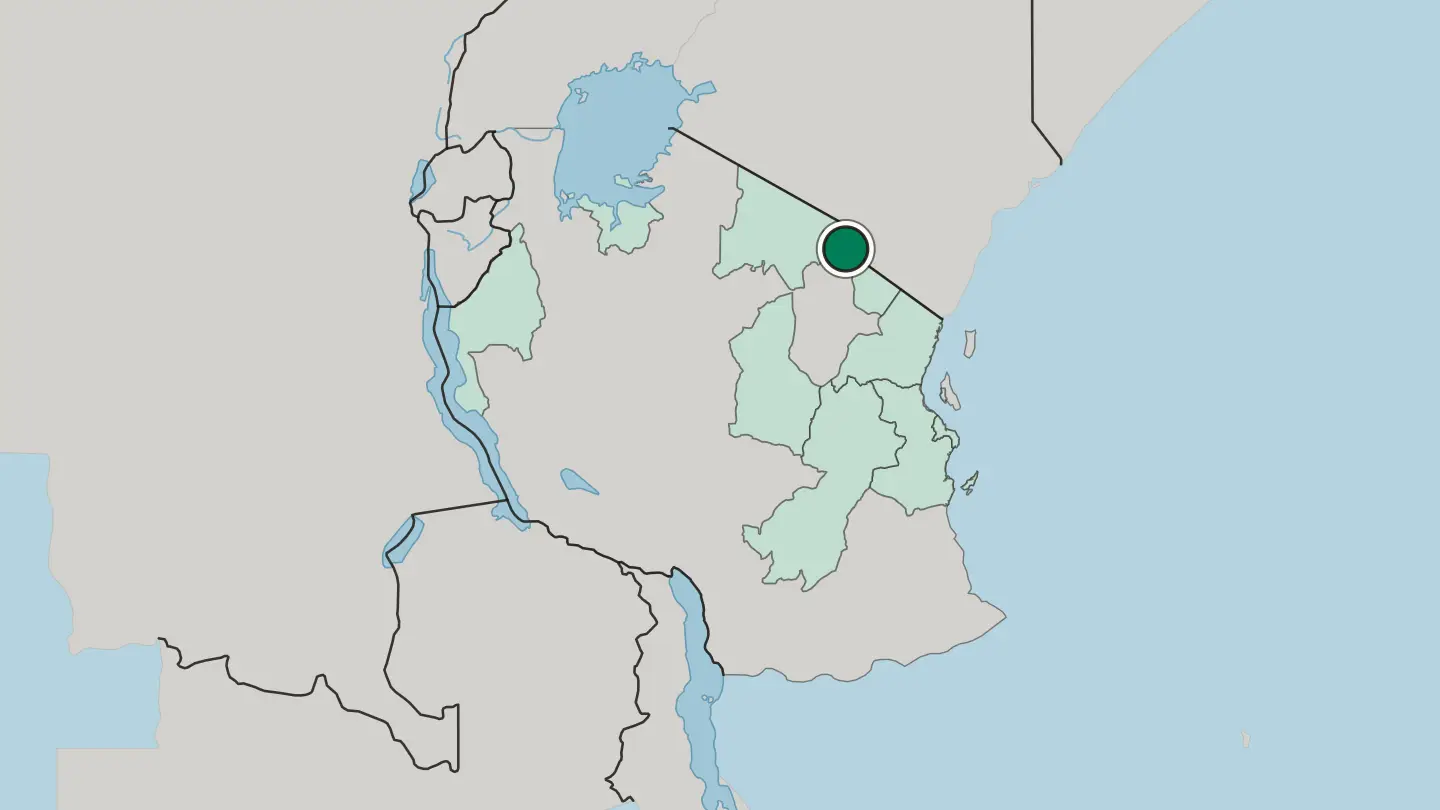
 Tanzania
Tanga
Tanga is a city of northeast Tanzania on the Swahili coast, an old German-built port near great limestone caves and the Usambara mountains.Where to stay →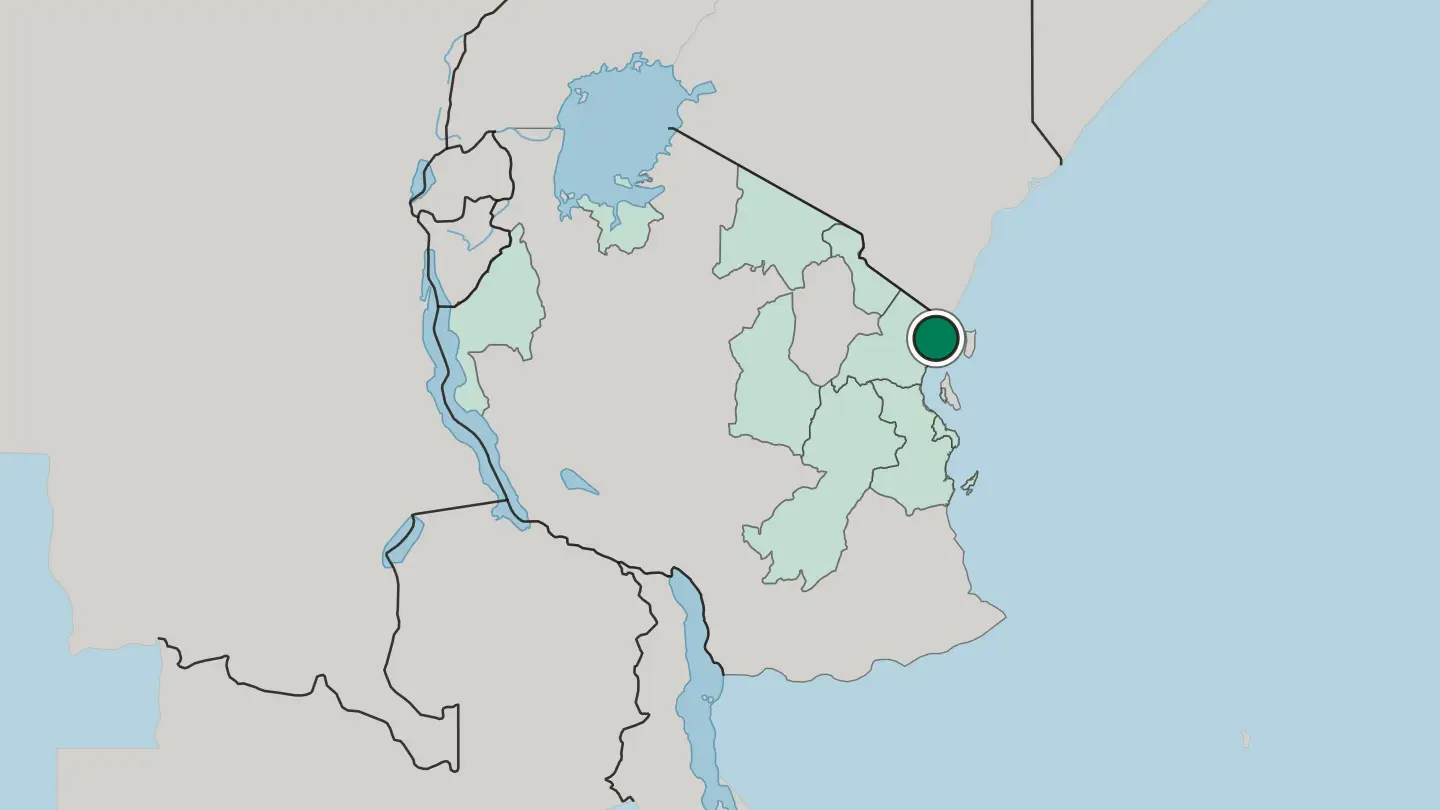
 Tanzania
Morogoro
Morogoro is a city of east-central Tanzania at the foot of the Uluguru mountains, a green farming town on the road to the great parks of the south.Where to stay →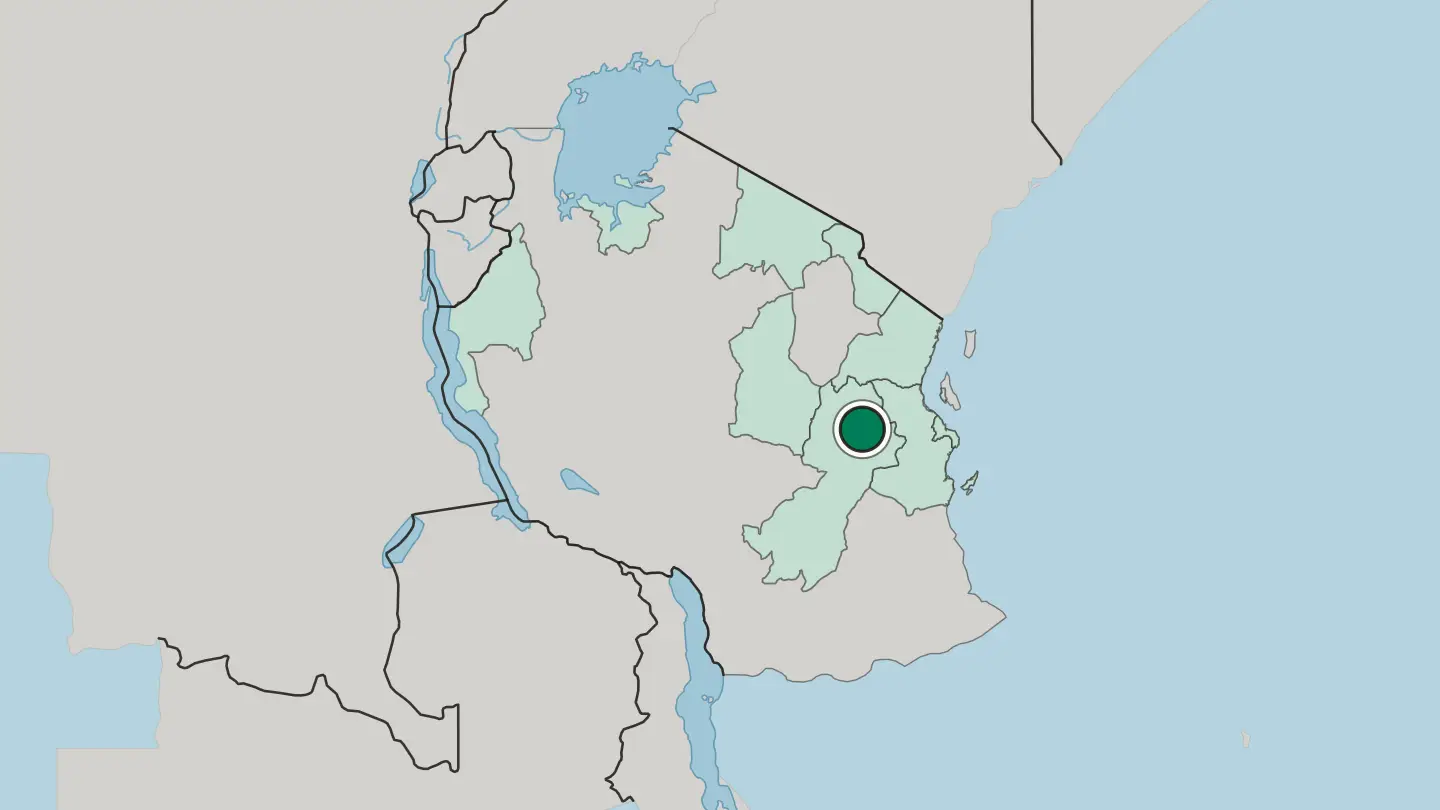
 Tanzania
Mwanza
Mwanza is a city of northern Tanzania on Lake Victoria, the country's second city, a port scattered with granite boulders and known as the Rock City.Where to stay →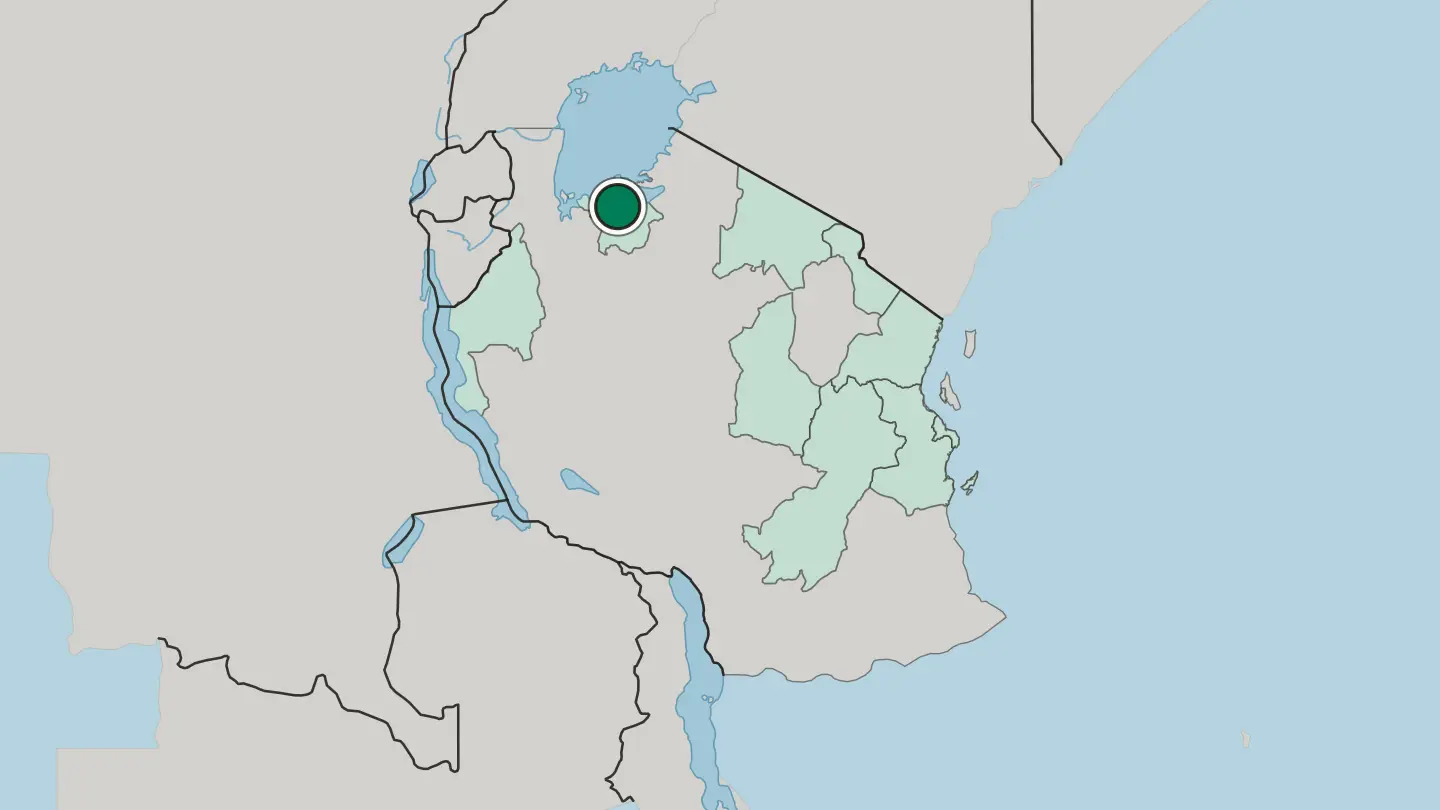
 Tanzania
Bagamoyo
Bagamoyo stands on the Zanzibar Channel in the Pwani Region of Tanzania, a former capital of German East Africa and a National Historic Site.Where to stay →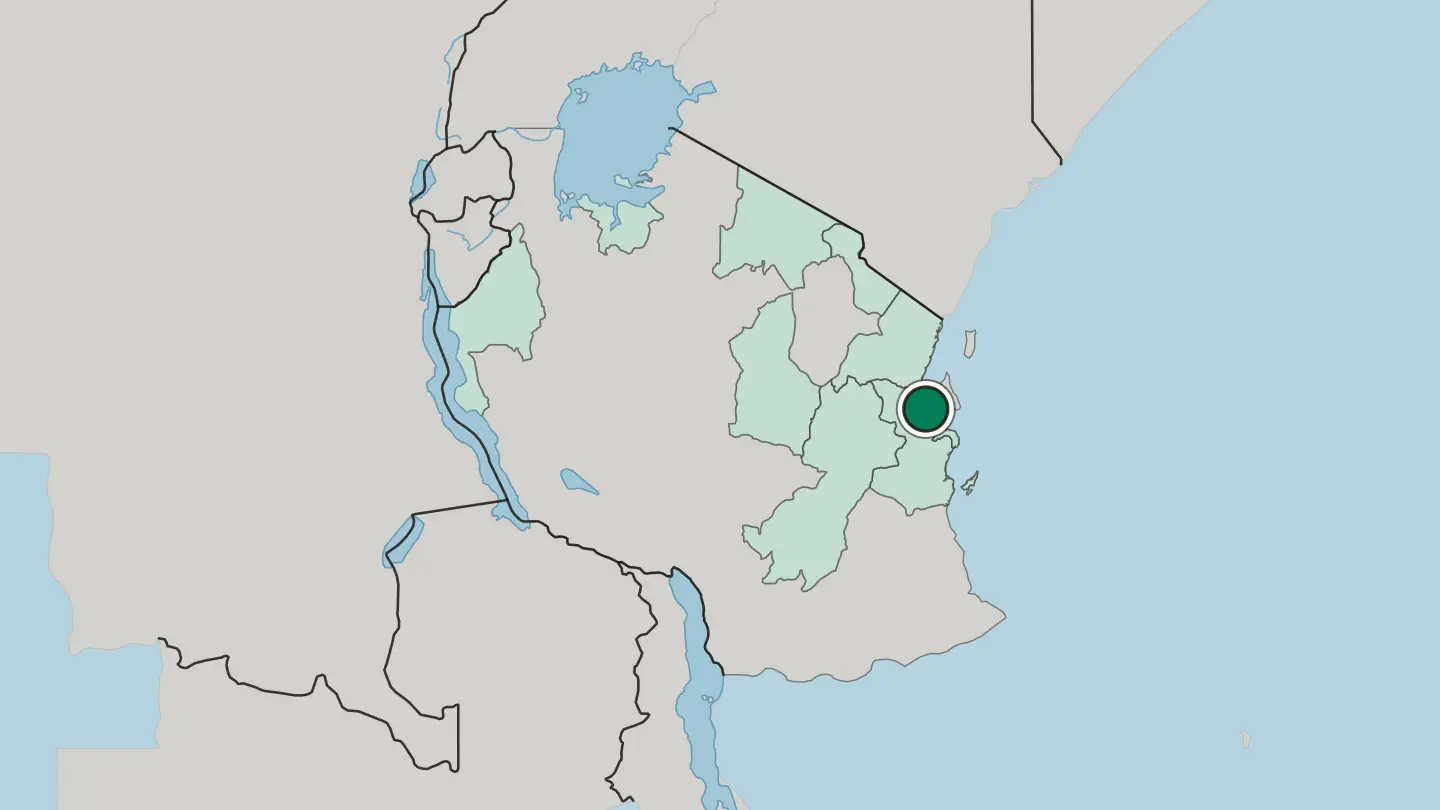
Hotel links are affiliate links: booking through them may earn us a commission, at no extra cost to you. It never affects how places are ranked. How this works
Regions of Tanzania
Tanzania
Arusha Region
The Ngorongoro Conservation Area sits inside Arusha Region, one of Tanzania's 31 administrative regions, whose capital is the city of Arusha.Towns & cities →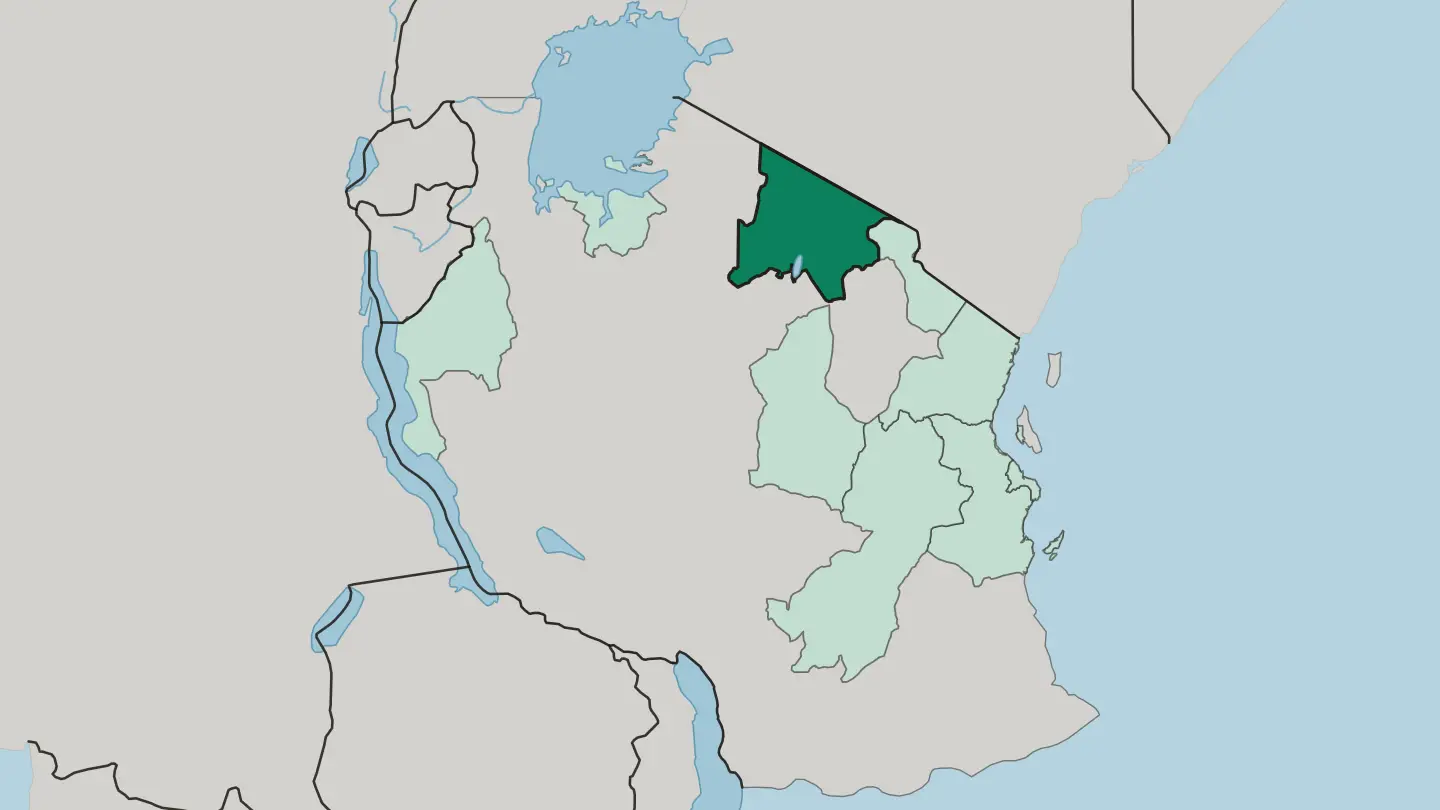 Tanzania
Coast Region
Coast Region, Pwani in Swahili, wraps around the Dar es Salaam Region and holds Bagamoyo, the Rufiji delta and Mafia Island on the Indian Ocean.Towns & cities →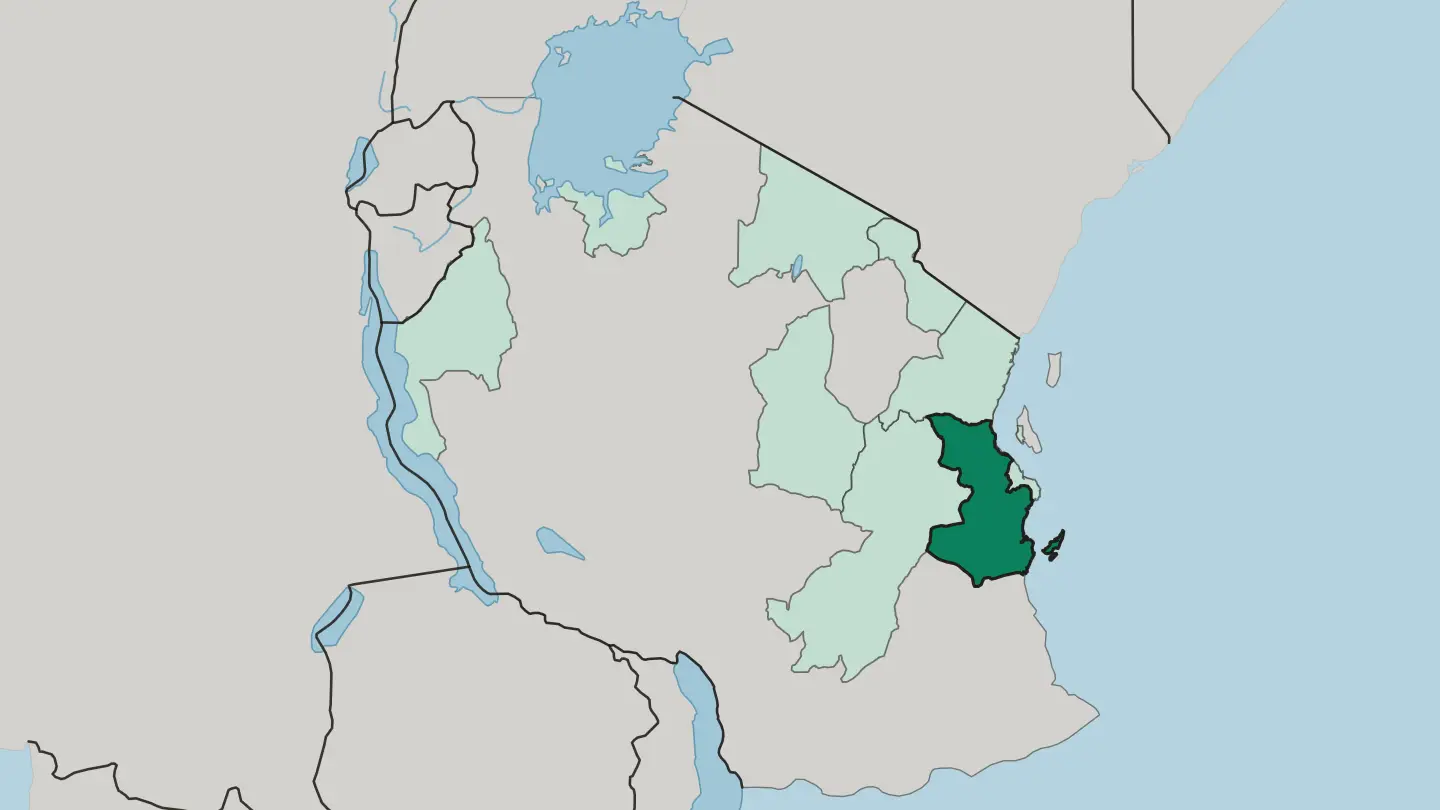 Tanzania
Dar es Salaam Region
The Indian Ocean edges Dar es Salaam Region, a small coastal region of Tanzania wrapped on its land sides by Pwani Region.Towns & cities →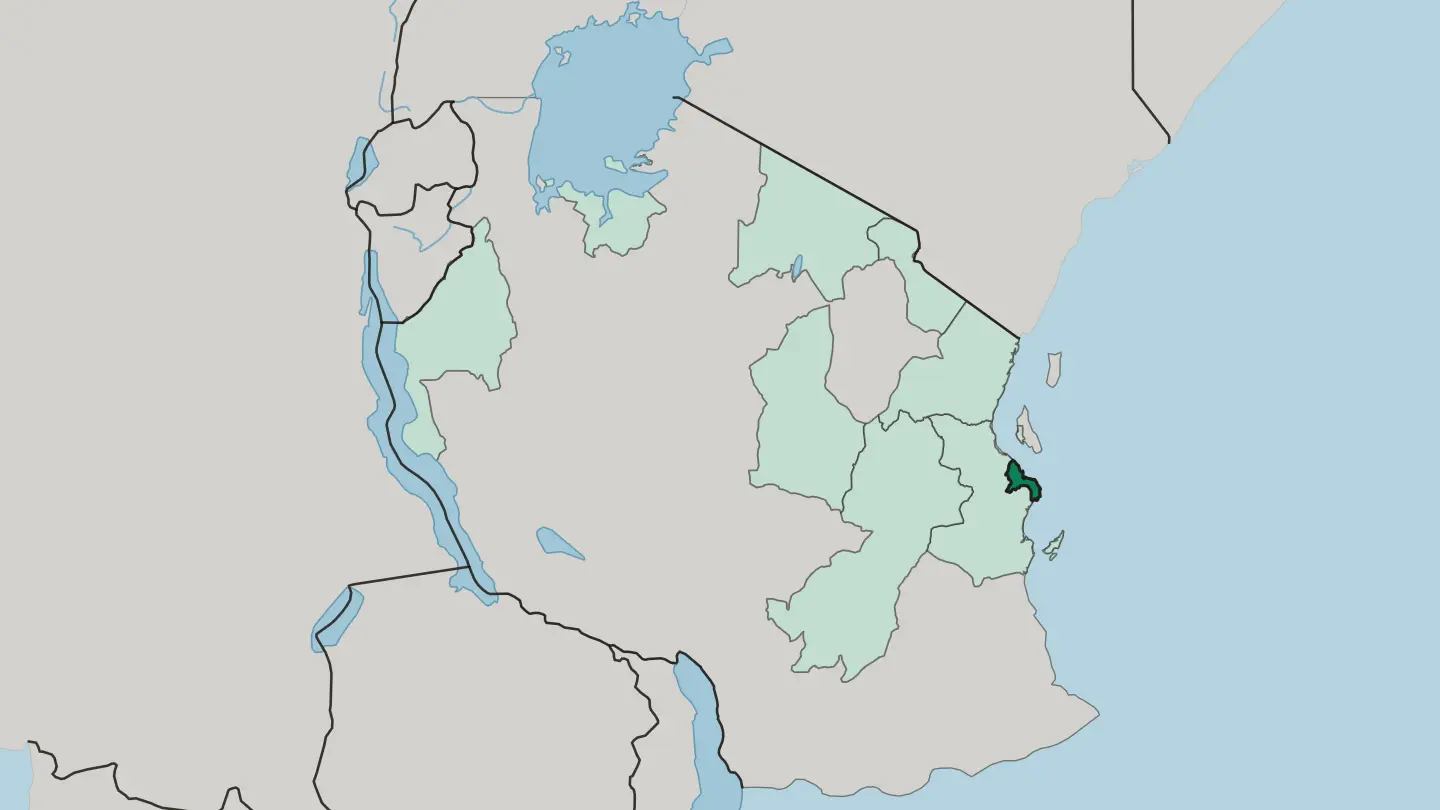 Tanzania
Dodoma Region
Dodoma Region holds the city of Dodoma, capital of Tanzania and seat of the Bunge, along with the country's own wine industry.Towns & cities →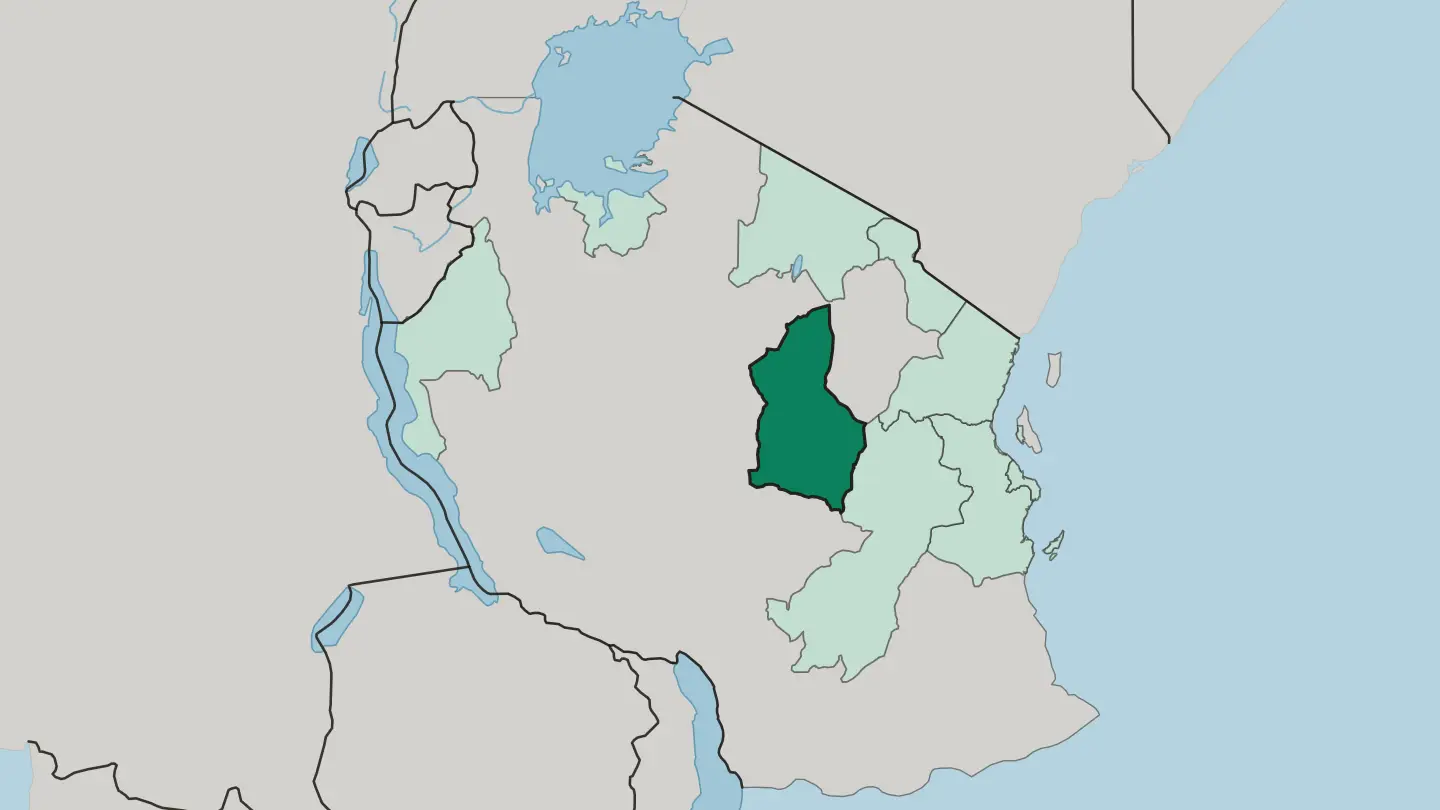
 Tanzania
Kigoma Region
Kigoma Region carries Tanzania's borders with Burundi and the DRC, and takes its name from the city of Kigoma, its regional capital.Towns & cities →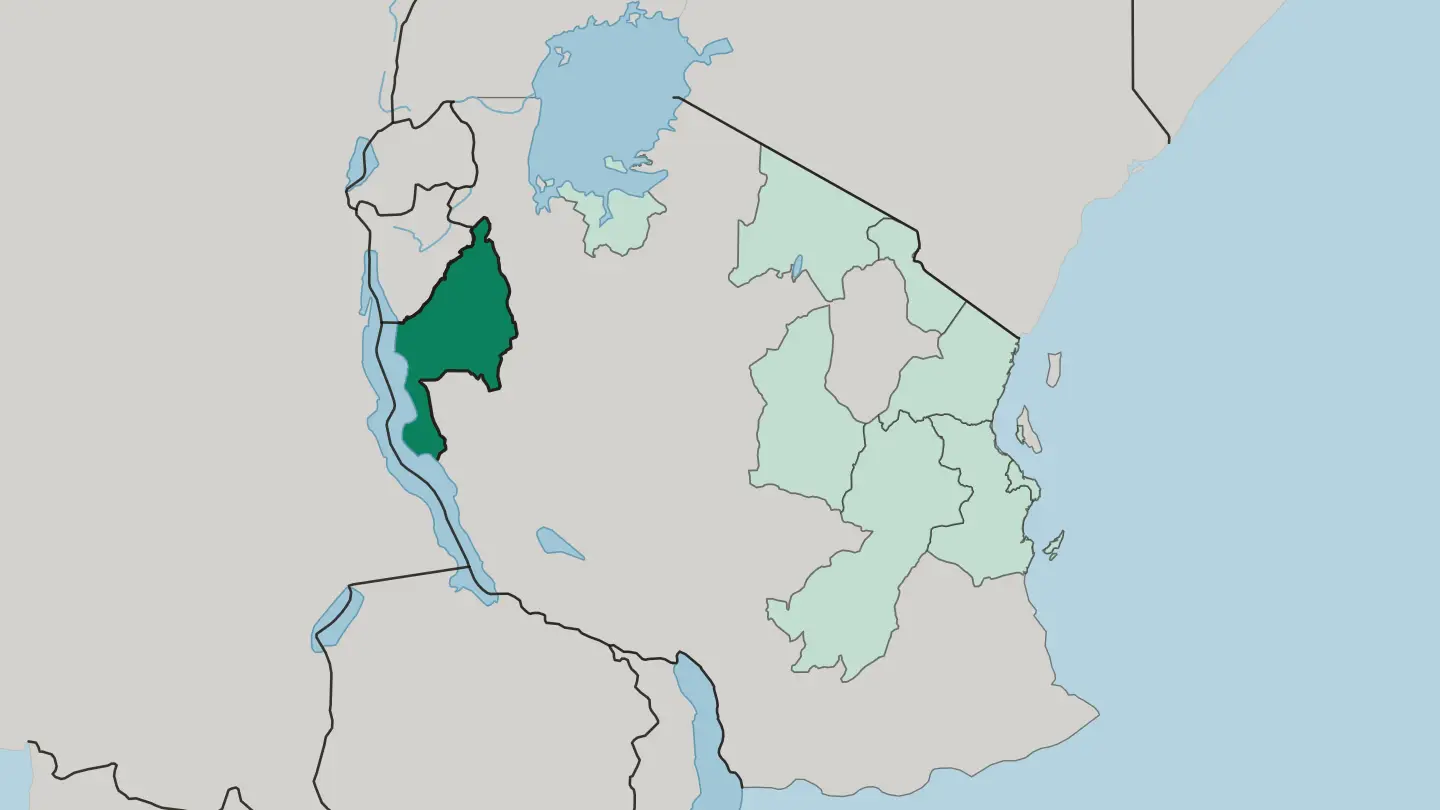 Tanzania
Kilimanjaro Region
Kilimanjaro Region ranks among the most developed in Tanzania and is administered from Moshi, the municipality that is also its largest town.Towns & cities →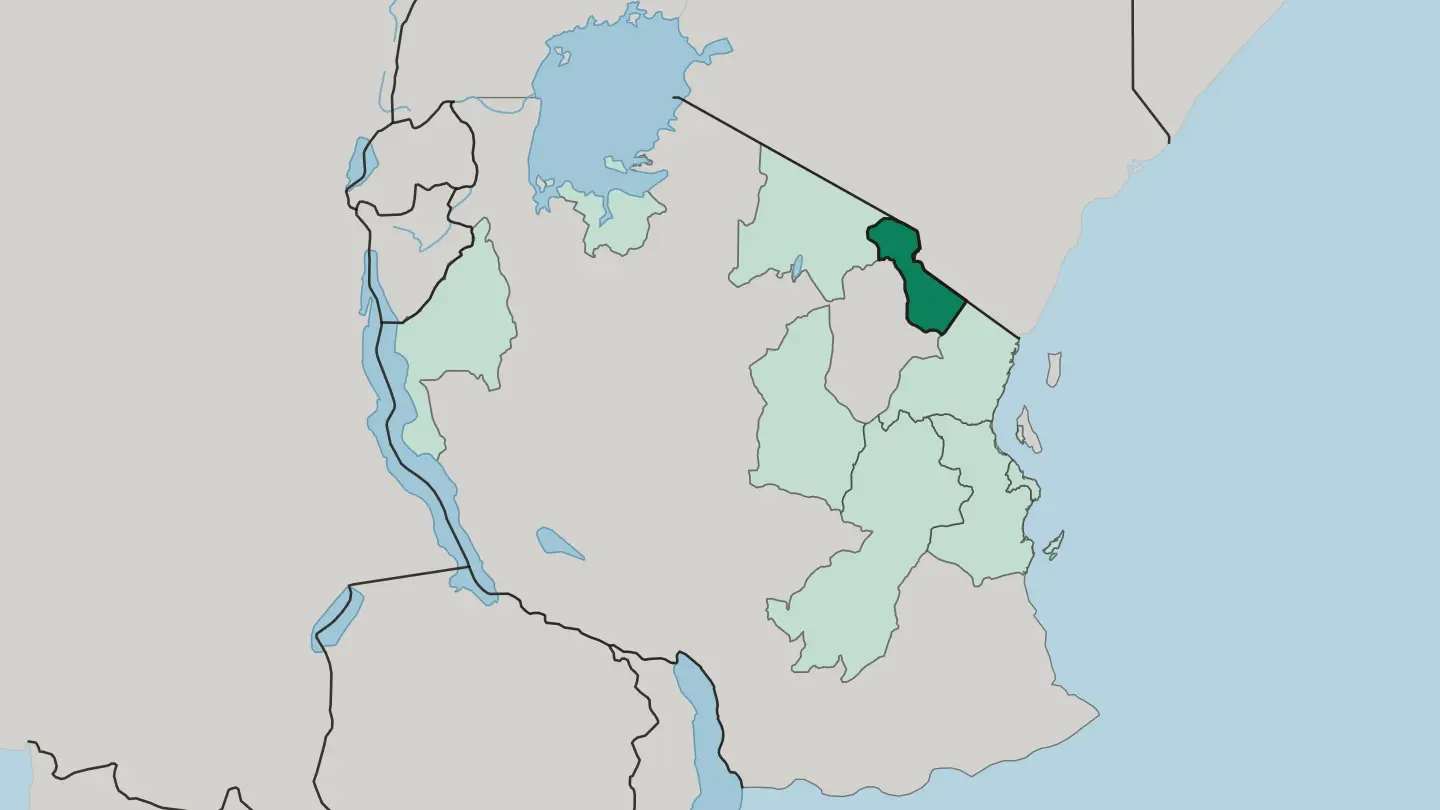 Tanzania
Morogoro Region
Morogoro Region covers ground comparable to Ireland and is run from the municipality of Morogoro, with eight regions along its boundary.Towns & cities →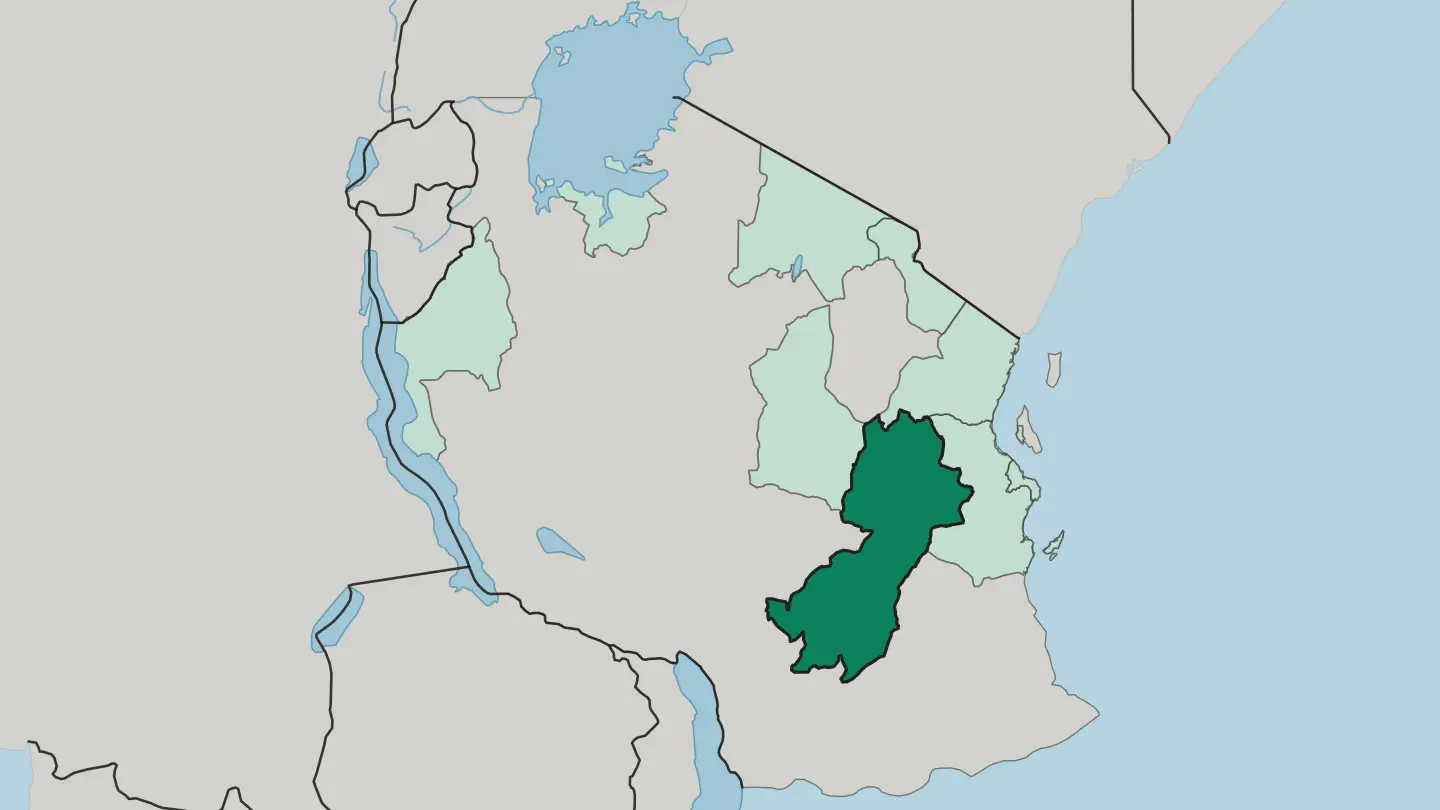 Tanzania
Mwanza Region
Mwanza Region lies along the southern side of Lake Victoria, with the city of Mwanza as the regional capital of this part of Tanzania.Towns & cities →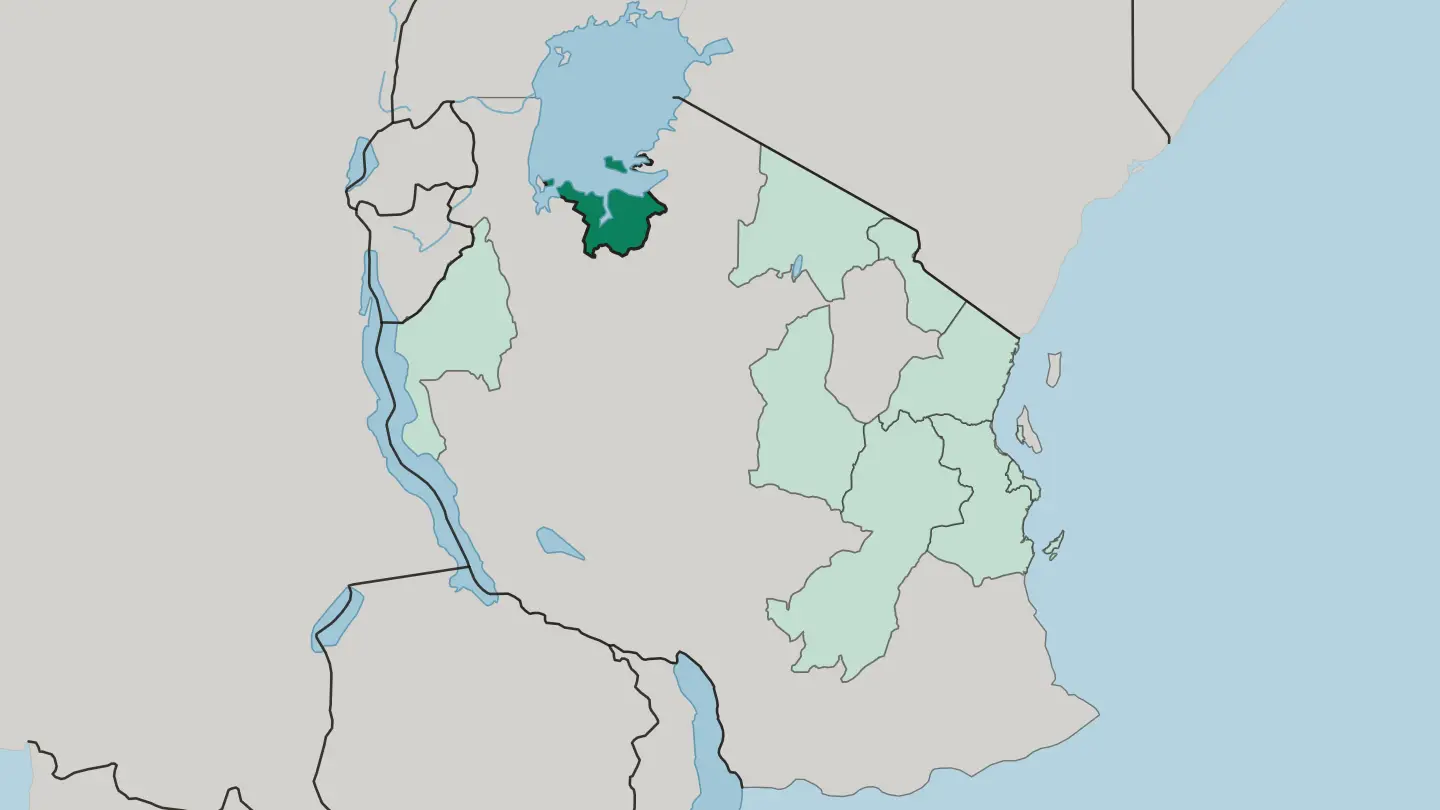 Tanzania
Tanga Region
Tanga Region fronts the Indian Ocean between the Kenya border and Pwani Region, with the municipality of Tanga city as its regional capital.Towns & cities →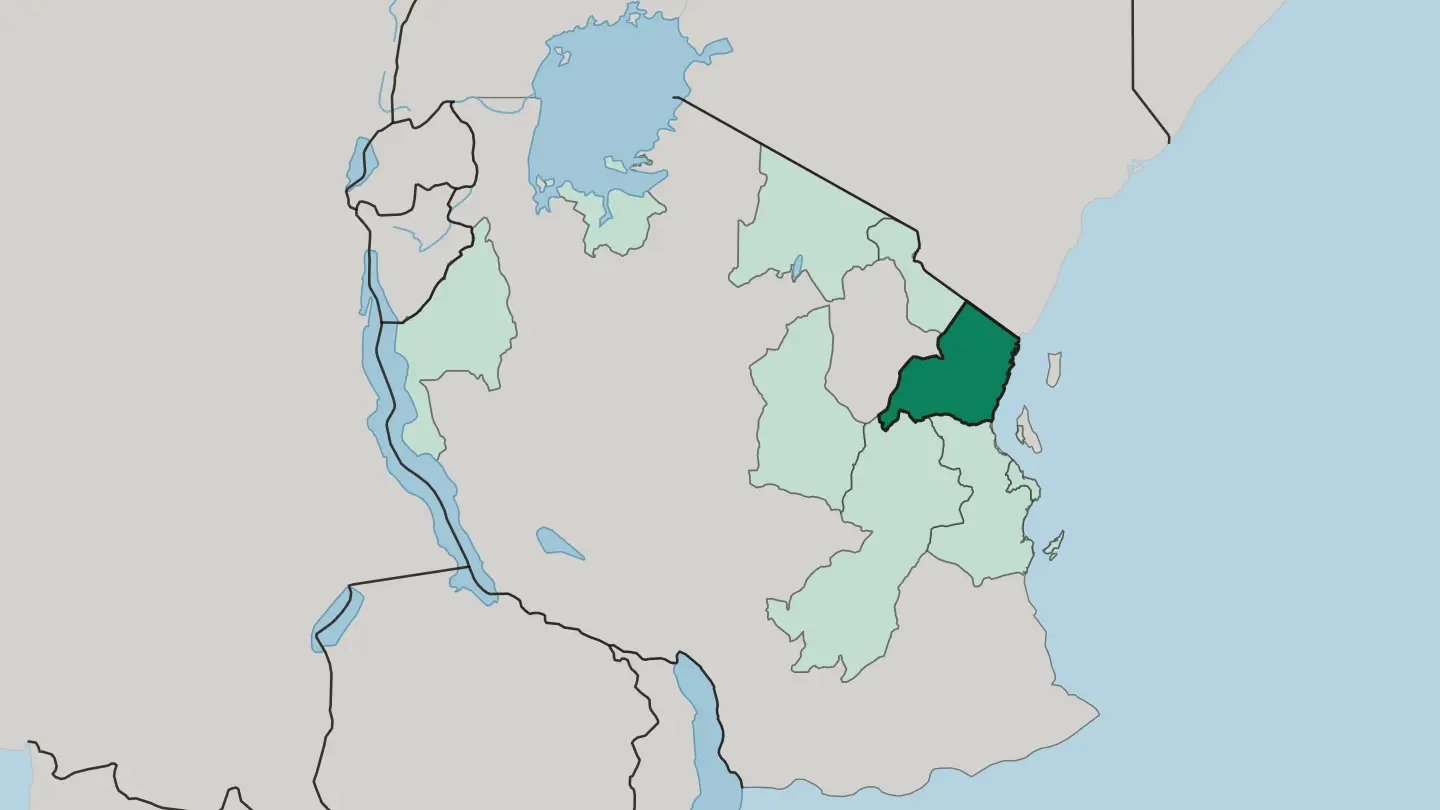 Tanzania
Zanzibar Urban/West Region
The Indian Ocean edges Zanzibar Urban/West Region, the island capital region of Tanzania, holding Stone Town of Zanzibar on the western shore of Unguja.Towns & cities →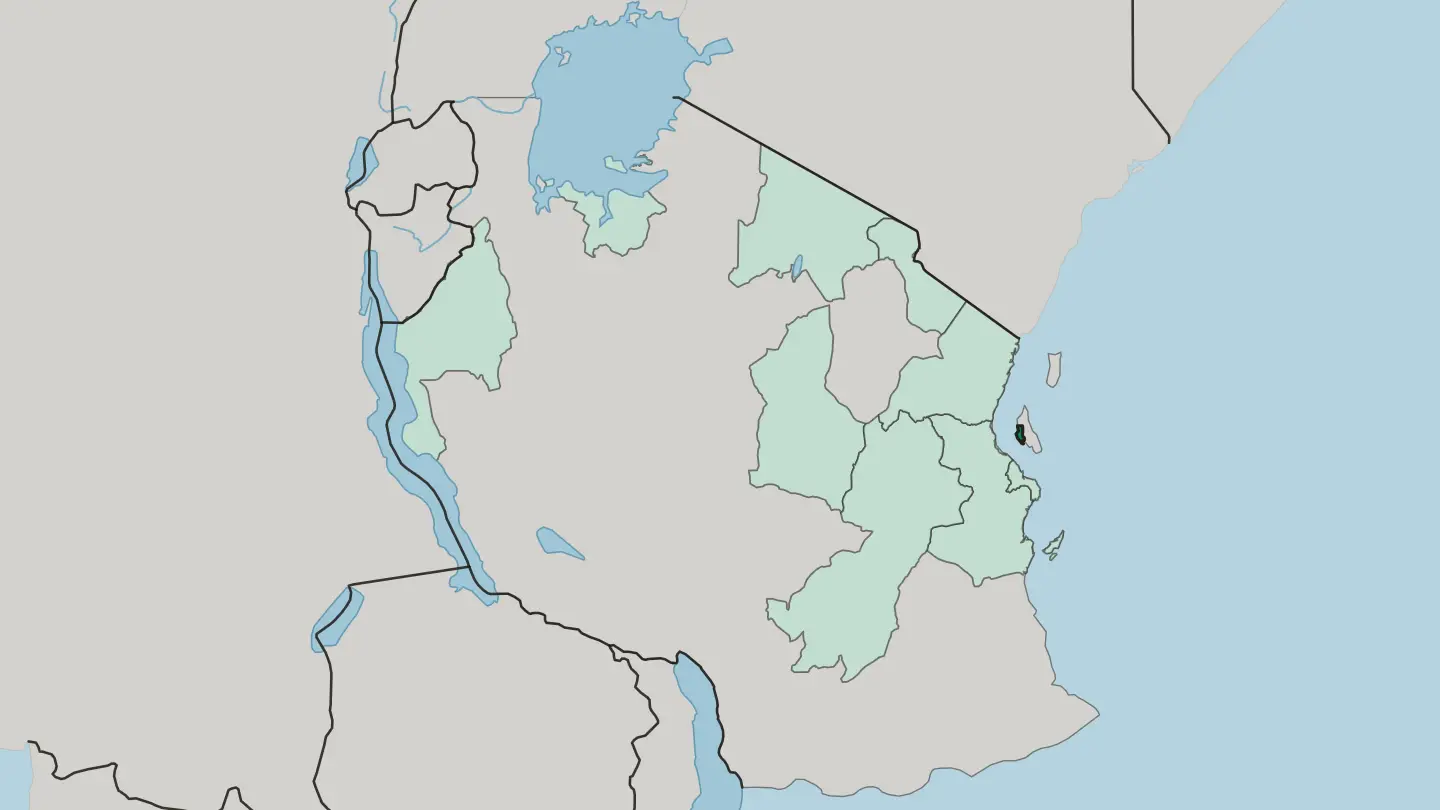
Explore by experience
Not sure which place? Start from how you want to travel.
About Tanzania
What is Tanzania known for?
Wildlife made Tanzania's name. Each year more than a million wildebeest thunder across the Serengeti in a migration that draws travellers from every continent, while Mount Kilimanjaro rises snow-capped above the northern plains as Africa's highest point. The country pairs that interior with a coast of coral and spice.
Zanzibar and its old capital, Stone Town, trade in cloves and dhows off the Indian Ocean. Inland, the Ngorongoro Crater cradles its own wildlife on a caldera floor.
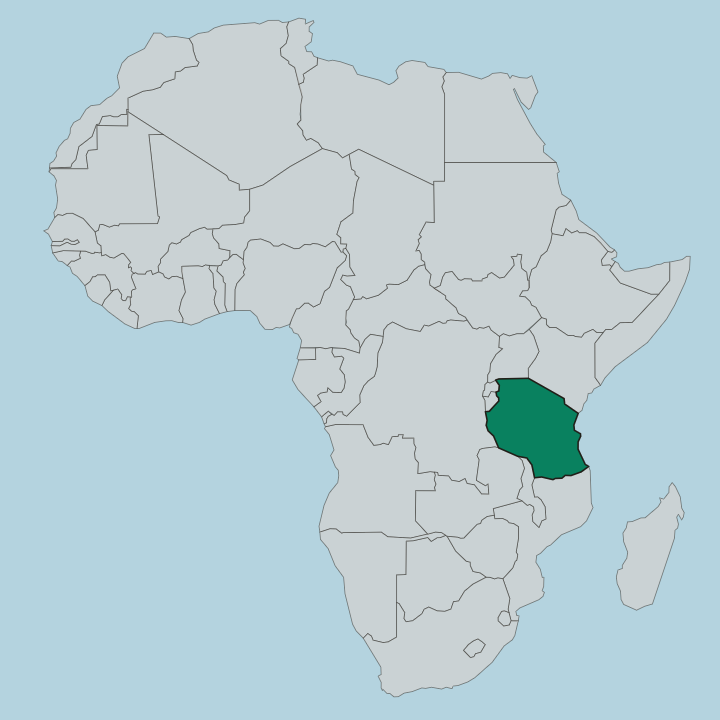
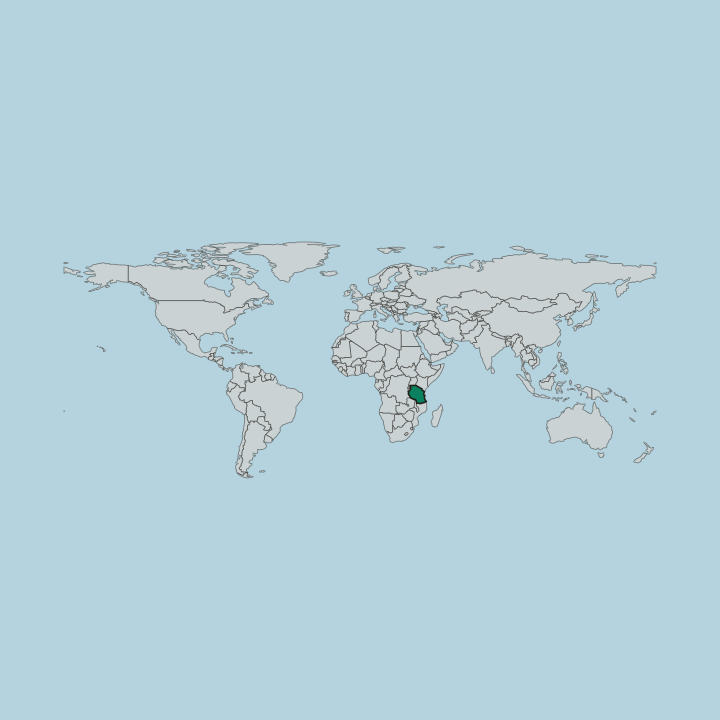
Where is Tanzania?
Tanzania is the largest country in East Africa, and its land carries almost every kind of terrain the continent offers. A broad central plateau fills the interior, grassland and scattered woodland riding roughly a kilometre above the sea, and it is across this high ground that the Serengeti plains run north toward the Kenyan border. The east meets the Indian Ocean.
There the coast turns to coral, mangrove, and the spice islands of the Zanzibar archipelago, set just offshore in warm water. Two arms of the East African Rift split the country. The western branch holds Lake Tanganyika, among the deepest and longest freshwater lakes on earth, while the eastern branch is studded with volcanoes and soda lakes and drops into the vast bowl of the Ngorongoro Crater.
The high points gather in the north. Mount Kilimanjaro stands there, snow-capped above the plain as the highest mountain in Africa, with the smaller Mount Meru close by above Arusha. Water frames the land too.
Lake Victoria, the largest lake in Africa, laps the country's north-western corner, shared with Uganda and Kenya, while Lake Nyasa marks part of the southern edge. From coral reef to glacier the span is enormous. Few countries pack so much into one map.
What is the history of Tanzania?
Tanzania's shore has been part of the wider world for a very long time. Traders working the monsoon winds tied the coast and Zanzibar into an Indian Ocean network of gold, ivory, and cloves, and out of that contact grew the Swahili towns and the Swahili language that still binds the country together. Stone Town rose from that trade.
The archipelago later grew into a centre of the clove economy and a notorious hub of the slave trade that the port once handled. The interior followed a separate path across the same centuries. Europe arrived in the modern era.
The mainland became German East Africa, passed to Britain as the territory of Tanganyika after the First World War, and won independence peacefully in 1961 under Julius Nyerere. Zanzibar's own path was violent. A revolution swept the islands in early 1964, and within months the mainland and the archipelago joined together.
That union, sealed in 1964, created the United Republic that carries the blended name Tanzania. Nyerere then steered the young state toward his socialist programme of ujamaa, resettling villages and pressing self-reliance. The results were mixed and the debate endures.
But the union has held.
What is Tanzania like?
Swahili holds Tanzania together. The language spread inland along the old trade routes from the coast, and after independence Nyerere made it the shared national tongue that lets more than a hundred ethnic groups speak to one another across the country. That common ground is a point of pride.
It is one reason Tanzania has largely escaped the ethnic conflict that has scarred some neighbours, and the ideal of unity that Nyerere preached still colours how the nation sees itself. Culture here is plural but not fractured. The coast pulls one way and the interior another.
On Zanzibar and along the shore, Swahili life blends African, Arab, and Indian threads, heard in taarab music and tasted in dishes heavy with coconut, cloves, and cardamom. Inland, the plains belong to communities like the Maasai, whose cattle-herding life and red cloth are among the most recognised images of East Africa. Everyday food is plainer and shared everywhere.
Ugali, a stiff maize porridge, comes to the table alongside beans and greens, with grilled meat or fish. Football fills the weekends, and markets set the daily rhythm. From island to savanna the mix is broad.
What is the climate of Tanzania?
Tanzania's weather answers to the Indian Ocean, not the calendar. The coast and Zanzibar stay hot and humid year round, cooled by sea breezes, while the central plateau runs warmer by day and noticeably cooler at night. Up on Kilimanjaro and the northern highlands the air turns cold, and the summit keeps its snow.
Two wet seasons order the year. The long rains fall from March to May, the short rains around November, and between them the dry months open the parks to the migration.
How do you get to Tanzania?
Two gateways split the traffic. Safari-bound travellers land at Kilimanjaro International Airport, set between Arusha and Moshi, and transfer straight into the northern parks. Coast and island trips route instead through Julius Nyerere International Airport at Dar es Salaam, which also feeds the fast ferries and short flights across to Zanzibar.
Distances inside the country are large. Many visitors hop between regions by light aircraft rather than driving the long roads, then finish on the beach.
Good for
Updated September 2026