Tanzania · Kigoma Region
Where to Stay in Kigoma, Kigoma Region
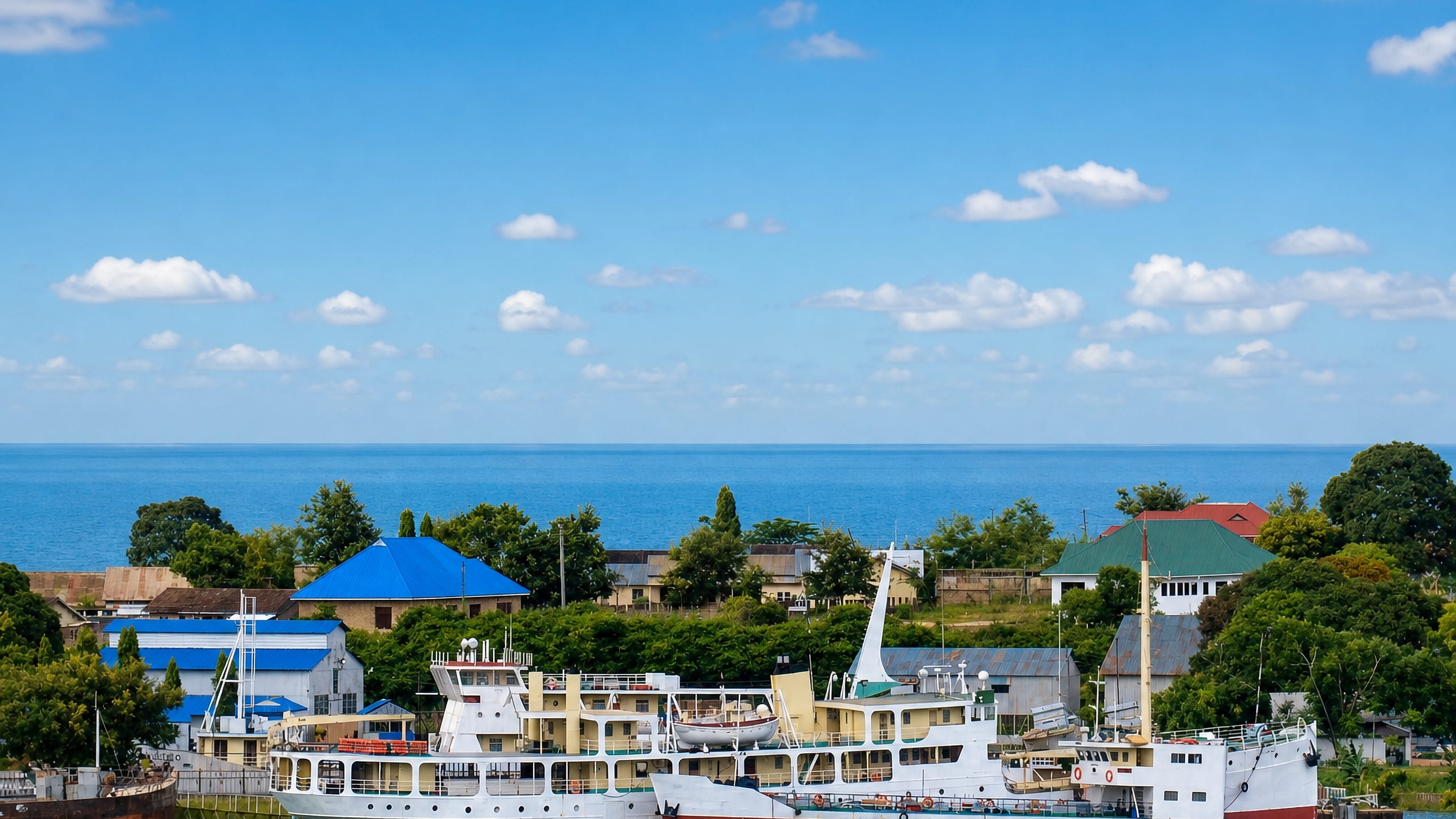
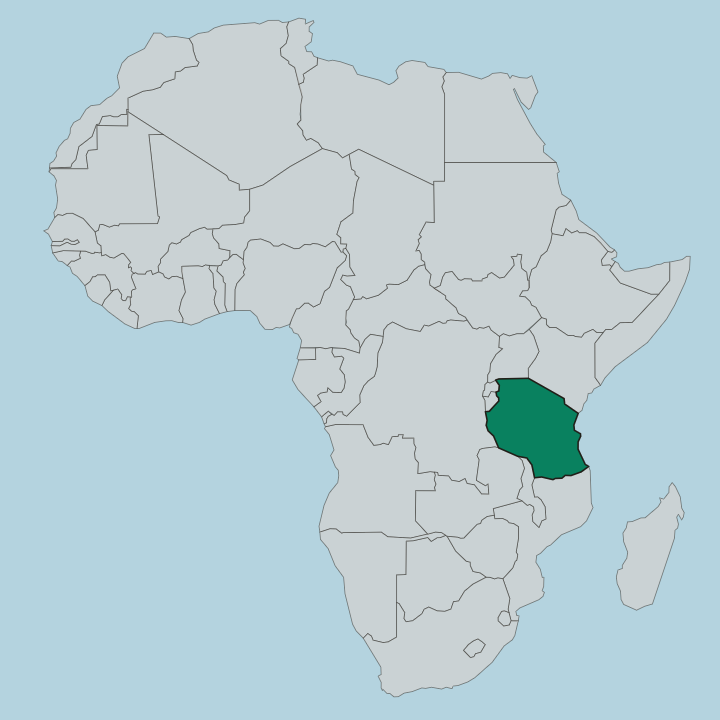
Kigoma is a town of west Tanzania on Lake Tanganyika, end of the old coast railway, near where Stanley found Livingstone and the forests of Gombe.
Hotel links are affiliate links: booking through them may earn us a commission, at no extra cost to you. It never affects how places are ranked. How this works


Where to stay in Kigoma
The practical side of choosing where to sleep.
Kigoma offers two bases: a room up in the town, or one down on the Tanganyika shore. The streets around the station keep the market, the port, and the old town within a walk, and staying downtown suits anyone here for the city. The deep lake lies below.
Dhows drift on the water. Out along the shore and up the lake, the town gives way to the fishing villages, the forest hills, and the chimpanzee parks of Gombe. A room by the lake trades the streets for the quiet bays, the palm shores, and the boats up to the apes.
The lake runs north for miles. Stay downtown for the port, or by the lake for the wild. The old lake port rests on Tanganyika.
Find hotels in Kigoma
Direct booking searches for these neighbourhoods.
The town centre
Around the stationFind hotels in The town centreStays wanting Gombe and the quiet baysThe lake shore
Up the lake toward GombeFind hotels in The lake shoreHotel links are affiliate links: booking through them may earn us a commission, at no extra cost to you. It never affects how places are ranked. How this works
About Kigoma
Kigoma is the lake town of western Tanzania.
What is Kigoma known for?
On the shore of Lake Tanganyika, the deepest lake in Africa, it grew as a port and the end of the railway, and it keeps the old trading town of Ujiji where Stanley found Livingstone, the chimpanzee forests of Gombe up the lake, the dhow trade and dagaa fishing of the shore, and the German-built station at the line's end. The deep lake stretches to the sky. Palm hills ring the bay.
What are the main landmarks in Kigoma?
The Livingstone memorial is the pride of Kigoma. The site at Ujiji where Stanley found the lost explorer in eighteen seventy-one is marked by a monument, the emblem of the region, out of downtown. Chimpanzees live up the shore.
The apes of Gombe roam the forests along the lake to the north, while the old railway station, the lake dhows, and the deep waters of Tanganyika mark the country around Kigoma.
What is the history of Kigoma?
Kigoma grew by the great lake. For ages the shore was a stop on the old caravan trade, and the town of Ujiji nearby grew as a port of ivory and goods crossing the lake. Here Stanley found Livingstone.
In eighteen seventy-one the reporter Henry Stanley came upon the lost explorer David Livingstone at Ujiji, and greeted him with words the world remembers. The railway made the modern town. When the Germans ran their great line across the country, it ended at Kigoma on the lake, and the town grew as the port of the western border.
The forests kept the apes. Up the shore at Gombe the chimpanzees of the forest were watched and made famous, and dhows and steamers crossed the deep lake to the Congo, so Kigoma kept its lake, its railway, and its wild shores. The old station still stands by the water.
Kigoma keeps its lake port on Tanganyika.
Where is Kigoma?
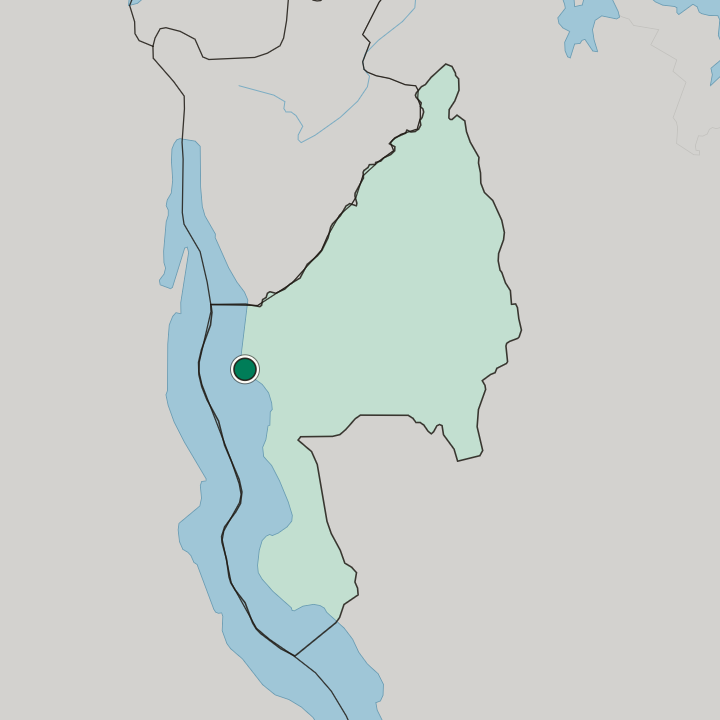
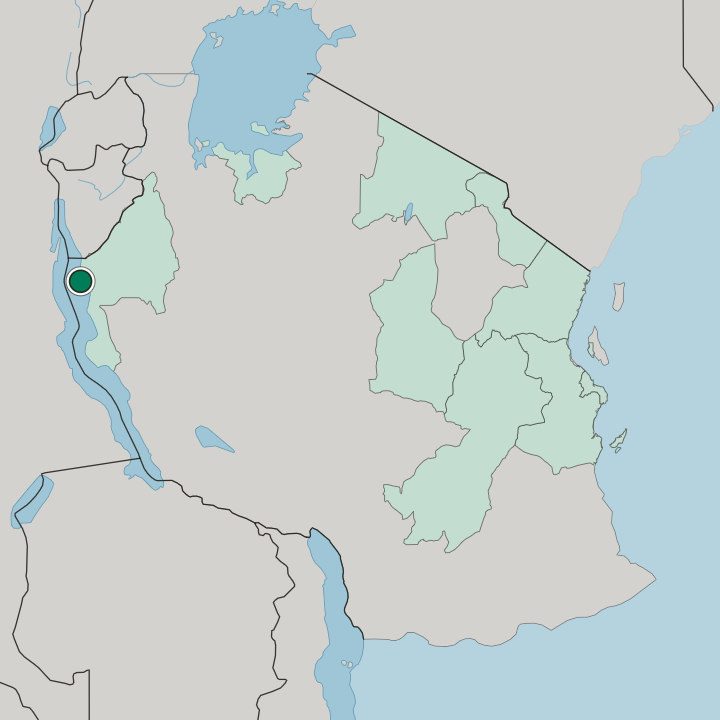
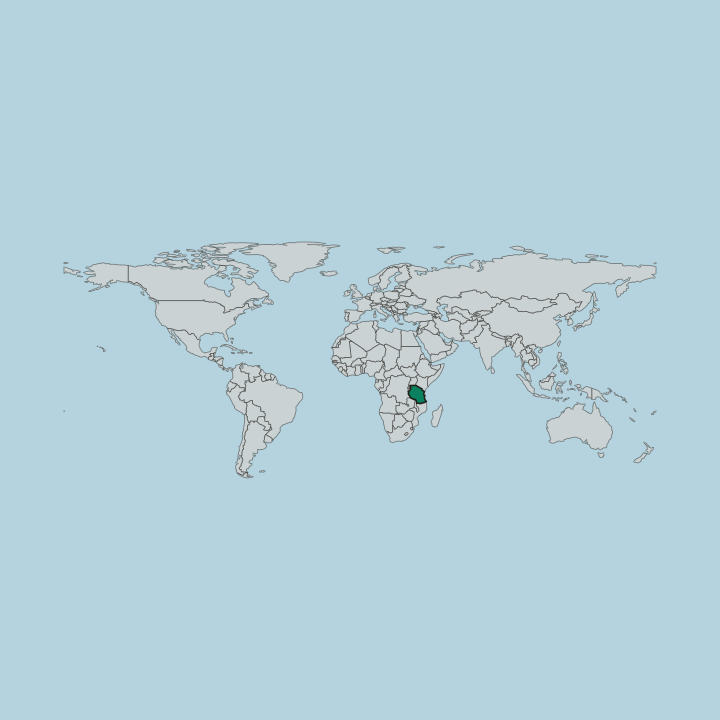
Kigoma lies in the far west of Tanzania, on the eastern shore of Lake Tanganyika. The town sits on a hilly bay of the great lake, backed by green hills and forest, with the deep lake stretching west to the Congo and the wild shores running north to Gombe. The lake runs deep and clear.
Green hills climb from the shore.
What is the climate of Kigoma?
Kigoma has a warm, tropical lake climate. Warm weather holds all year by the lake, with a long rainy season and a dry spell in the middle of the year, cooled by the water. Warm air hangs over the lake.
Rains sweep in off the water.
How do you get to Kigoma?
Kigoma lies on Lake Tanganyika in western Tanzania, far from the coast. The old railway and flights run to it across the country from Dar es Salaam, and boats cross the lake to Congo and Zambia. Ferries work the lake.
Dar es Salaam lies east by rail.
Common questions
What is the best area to stay in Kigoma?
The town centre: Visitors here for the port and station. The lake shore: Stays wanting Gombe and the quiet bays.
Good for
Updated September 2026