Tanzania · Zanzibar Urban/West Region
Where to Stay in Zanzibar, Zanzibar Urban/West Region
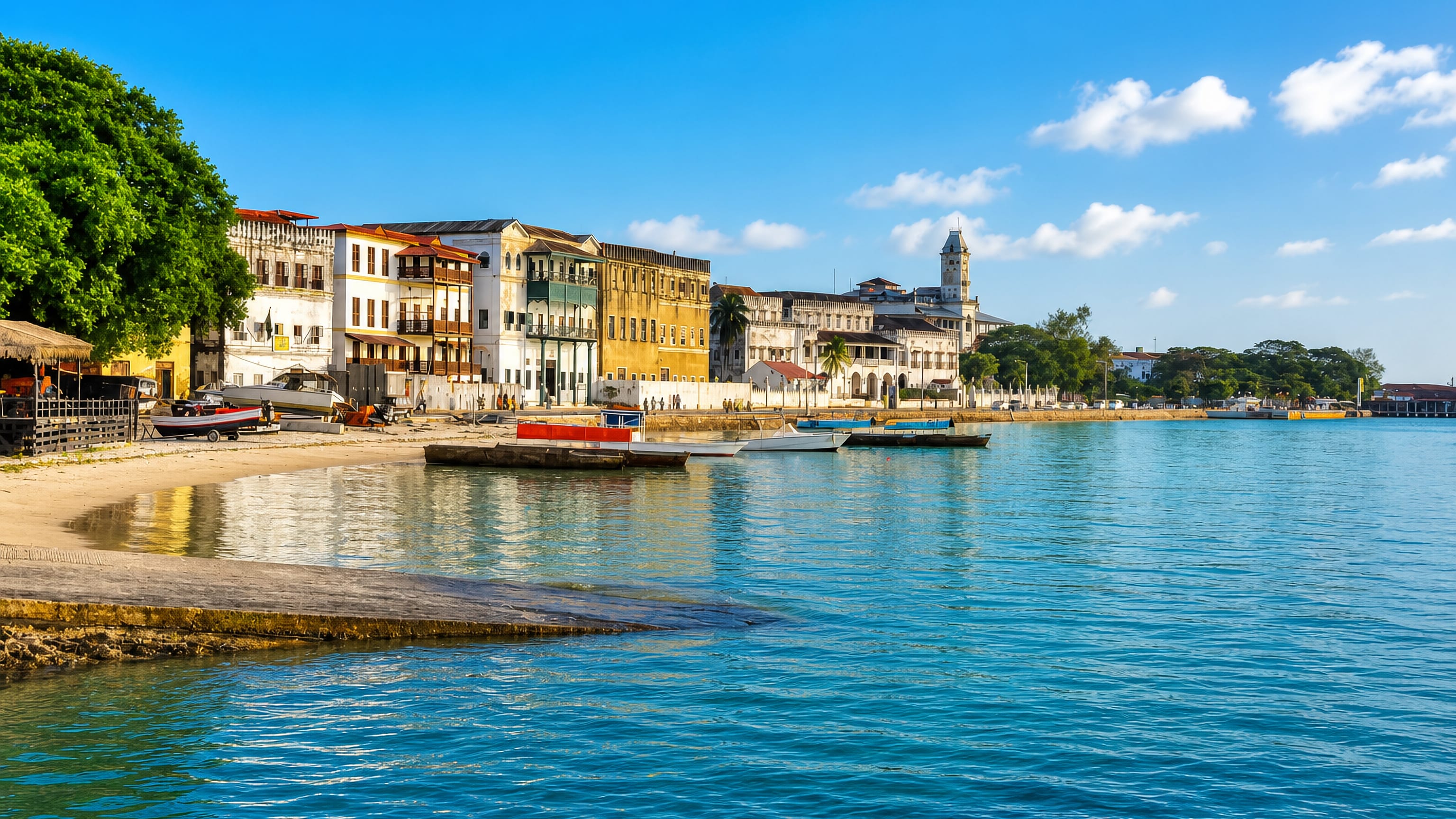
Old stone houses crowd Stone Town in Zanzibar City, a port on Unguja Island off the coast of Tanzania, known for its Swahili heritage.
Hotel links are affiliate links: booking through them may earn us a commission, at no extra cost to you. It never affects how places are ranked. How this works


Where to stay in Zanzibar
One neighbourhood here has its own guide — here's what it is best for.

 ZanzibarTanzaniaWorld Heritage lanes, palaces, and museums above the harbour
Stone Town
Stone Town packs the Palace Museum, Saint Joseph's Cathedral, and Tippu Tip's House into a maze of lanes above the harbour of Zanzibar City.Stone Town →Hotel links are affiliate links: booking through them may earn us a commission, at no extra cost to you. It never affects how places are ranked. How this works
Find hotels in Zanzibar
Direct booking searches for these neighbourhoods.
The Stone Town seafront
The seafront of Stone Town opens the old lanes of Zanzibar City to the harbour and the Indian Ocean, with the Palace Museum standing near the water.Find hotels in The Stone Town seafrontWhite-sand coast and reef beyond Zanzibar CityThe Unguja beaches
The beaches of Unguja Island run to white sand and reef well beyond Zanzibar City, trading Stone Town's lanes for open Indian Ocean water.Find hotels in The Unguja beachesHotel links are affiliate links: booking through them may earn us a commission, at no extra cost to you. It never affects how places are ranked. How this works
Things to do in Zanzibar
Ranked by global recognition; descriptions from Wikidata (CC0).
Museums & Galleries
2- Palace Museum Heritage
- Princess Salme Museum, Zanzibar
Churches & Religious Sites
2- St. Joseph's Cathedral, Zanzibar Heritage
- Aga Khan Jamat Khanna Mosque Heritage
Landmarks & Notable Places
2- House of Wonders Heritage
- Ndio
worth knowingacross 3 categories in Zanzibar
About Zanzibar
What is Zanzibar known for?
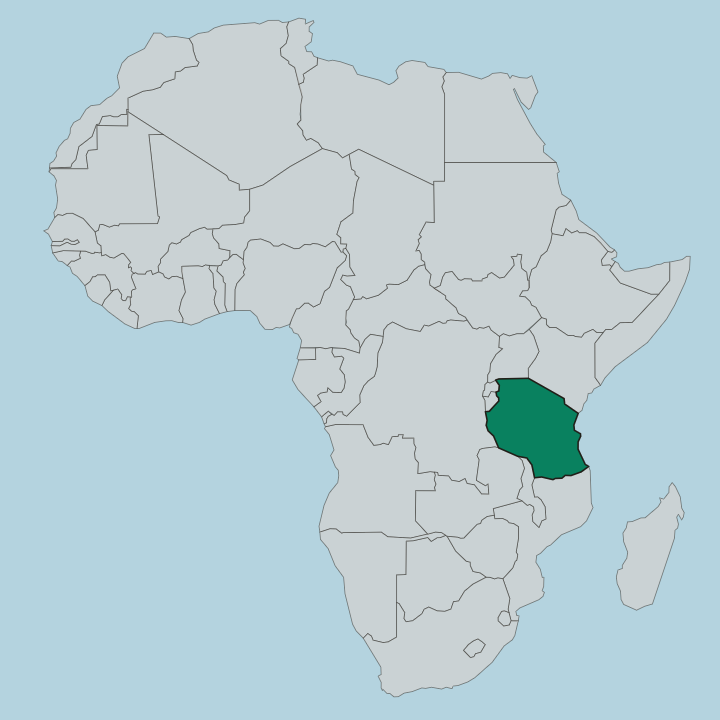
Zanzibar City is known as the main city of the Zanzibar region, a Tanzanian island port set in the Indian Ocean off East Africa. Its old core is Stone Town. That historic quarter is a World Heritage Site, its trade and culture drawn from centuries of Indian Ocean crossings, while the surrounding islands are famous for their white-sand beaches and archaeological sites.
The sea shaped it all. Zanzibar's name is bound to the Indian Ocean.
What are the main landmarks in Zanzibar?
Zanzibar City's landmarks cluster in Stone Town above the harbour. The Palace Museum and Tippu Tip's House stand among the old town's grand houses, and the Princess Salme Museum keeps its place in the same quarter. Faith left its mark too.
Saint Joseph's Cathedral rises over the stone houses of the World Heritage streets, its towers a marker above the lanes that carry Zanzibar's history down to the sea.
What is the history of Zanzibar?
Zanzibar's history was made by the Indian Ocean. The islands of Unguja and Pemba sat on the sea routes that crossed East Africa, and the port that grew on Unguja became a centre of trade whose wealth built the stone houses of the old town. The sea brought the world here.
Stone Town rose from that commerce, a dense quarter of merchant houses and palaces above the harbour. The old buildings still stand. The Palace Museum and Tippu Tip's House survive from the era of the island's traders and rulers, and the Princess Salme Museum keeps the memory of the same age, while Saint Joseph's Cathedral marks the mix of faiths the trade drew in.
Stone Town endured. Its historic centre was named a World Heritage Site, and the islands later joined the mainland to form part of Tanzania as a semi-autonomous region. Zanzibar kept its own character through it all.
Where is Zanzibar?
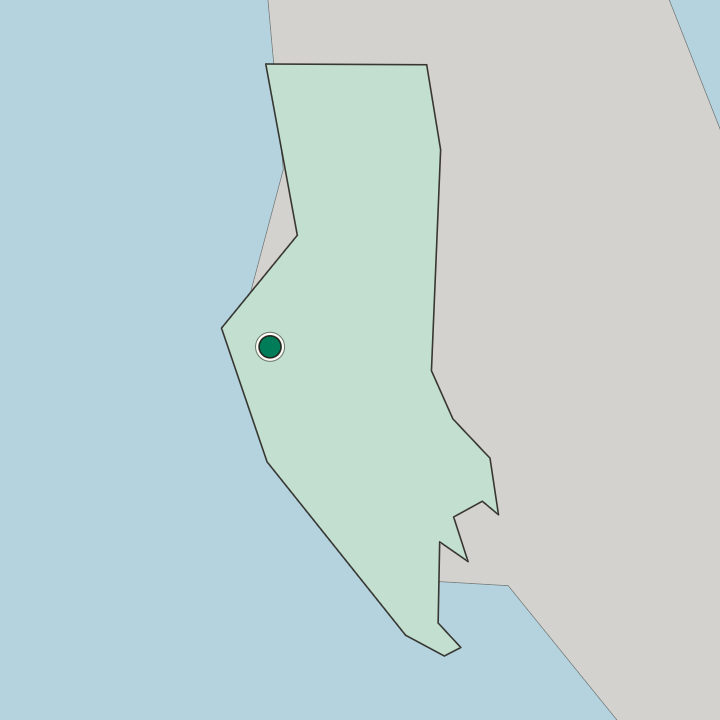
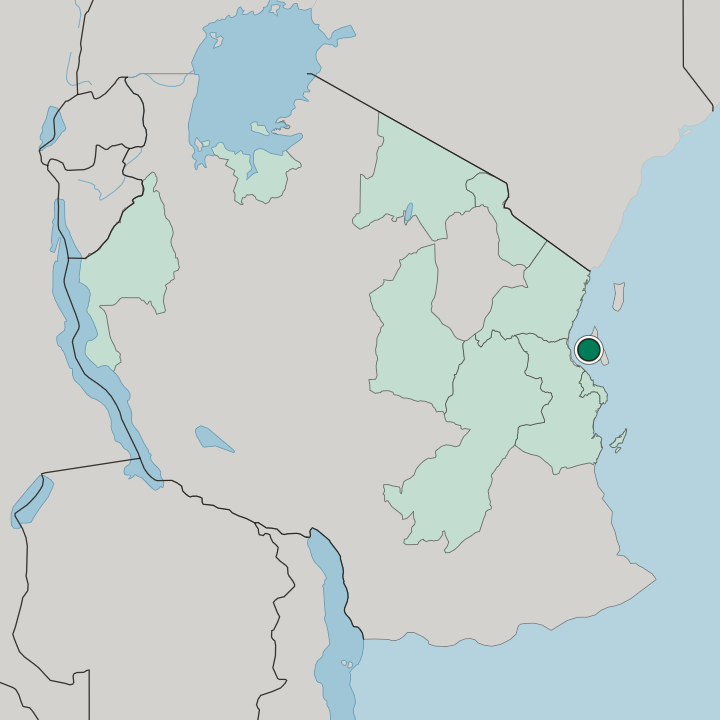
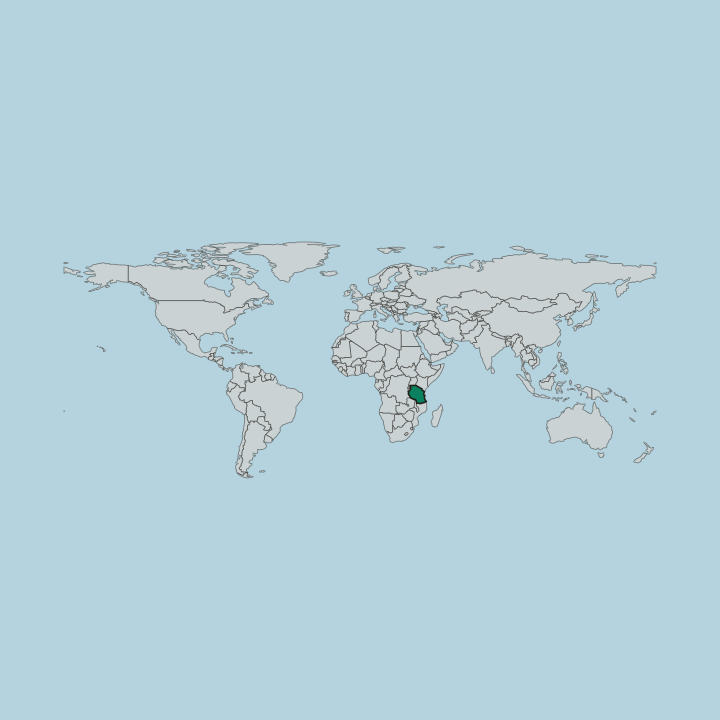
Zanzibar City stands on the western side of Unguja Island, the largest of the islands that make up Zanzibar off the coast of Tanzania. The Indian Ocean surrounds it. Stone Town sits above a natural harbour on the coast, its lanes running down to the water, while the rest of Unguja spreads out in reef-fringed coast and low green country.
Pemba Island lies across the channel. The sea is never far from any street in the city.
What is the climate of Zanzibar?
Zanzibar has a hot tropical climate, humid the year round on its Indian Ocean islands. Rain rules the seasons. A long wet season and a shorter one bring warm downpours off the sea, while the ocean breeze keeps the heat bearable across Unguja Island through the drier months.
The sea holds it steady. Warm, salt air moves through the lanes of Stone Town in every month.
How do you get to Zanzibar?
Zanzibar City is reached by air and by sea from mainland Tanzania. The ocean sets the terms. Ferries cross the channel from the East African coast to the harbour below Stone Town, and flights land on Unguja Island from the mainland and beyond, since no road can bridge the Indian Ocean.
The sea is the highway. From the port, the lanes of Stone Town climb straight up from the water's edge.
Common questions
What is the best area to stay in Zanzibar?
Stone Town: World Heritage lanes, palaces, and museums above the harbour. The Stone Town seafront: The harbour front and the Indian Ocean at the old town's edge. The Unguja beaches: White-sand coast and reef beyond Zanzibar City.
Good for
Updated October 2026